An Insider Guide to Turtle Island: Inside Fiji’s Exclusive All-Inclusive Couples-Only Private Sanctuary

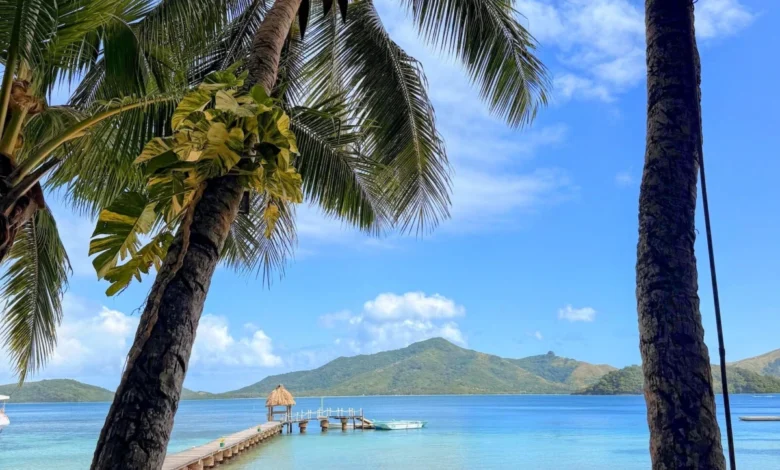
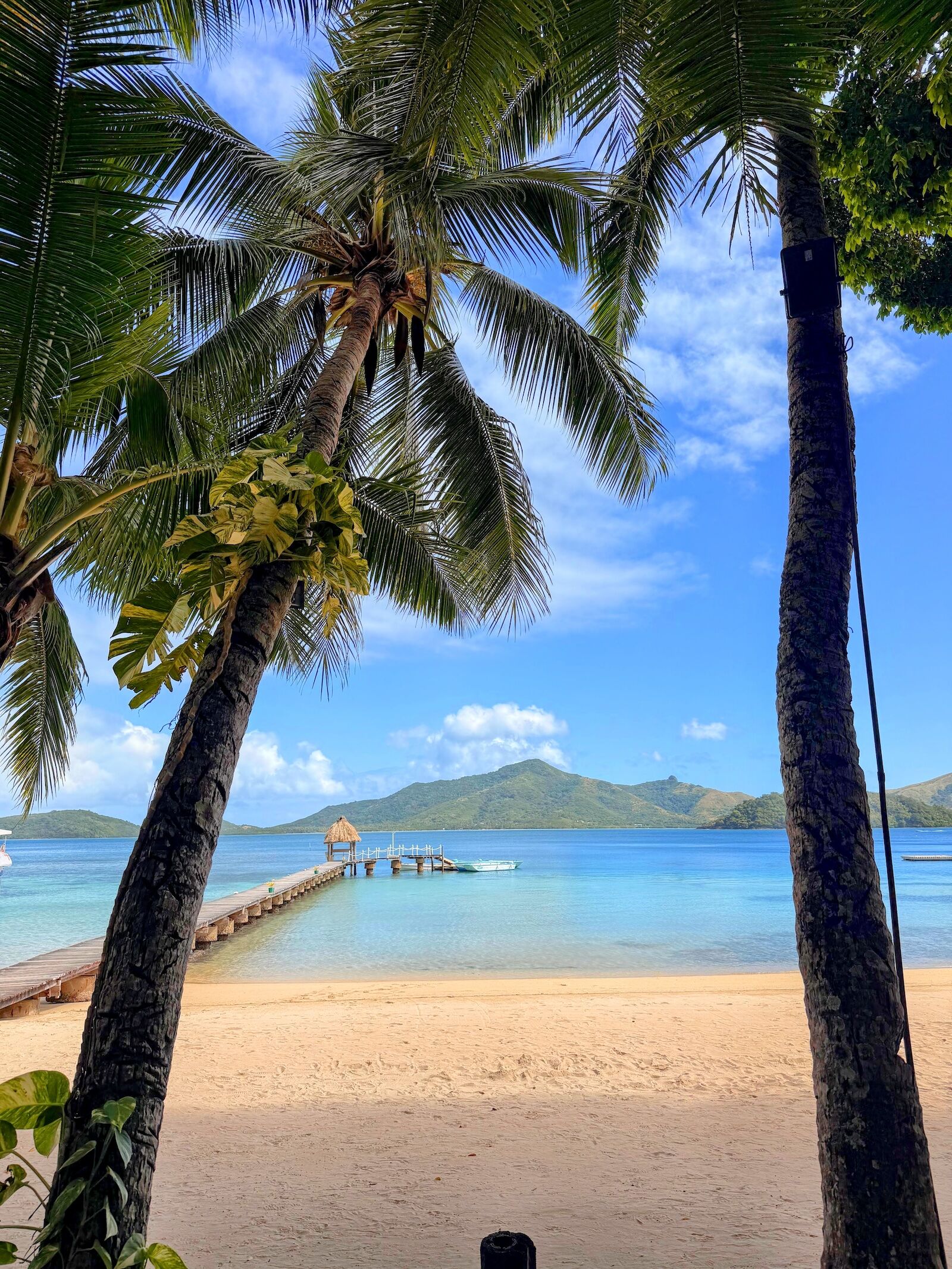
The seaplane descent into Fiji’s Yasawa Island chain offers an aerial preview of turquoise lagoons, dense tropical foliage, and isolated sandbars. For visitors touching down at Turtle Island—a 500-acre private island resort—the arrival is marked by a traditional musical welcome from staff gathered on the shore. Operating on a strict adults-only model for the majority of the calendar year, this remote retreat represents a distinct tier of ultra-luxury hospitality in the South Pacific, balancing high-end exclusivity with deep-rooted indigenous Fijian cultural integration.
Main Facts and Resort Logistics
Turtle Island accommodates a maximum of 14 couples at any given time, maintaining a low-density guest-to-land ratio designed to preserve ecological integrity and personal privacy. The resort operates primarily on an adults-only basis, exceptions being made strictly for two designated family weeks annually in June and December.
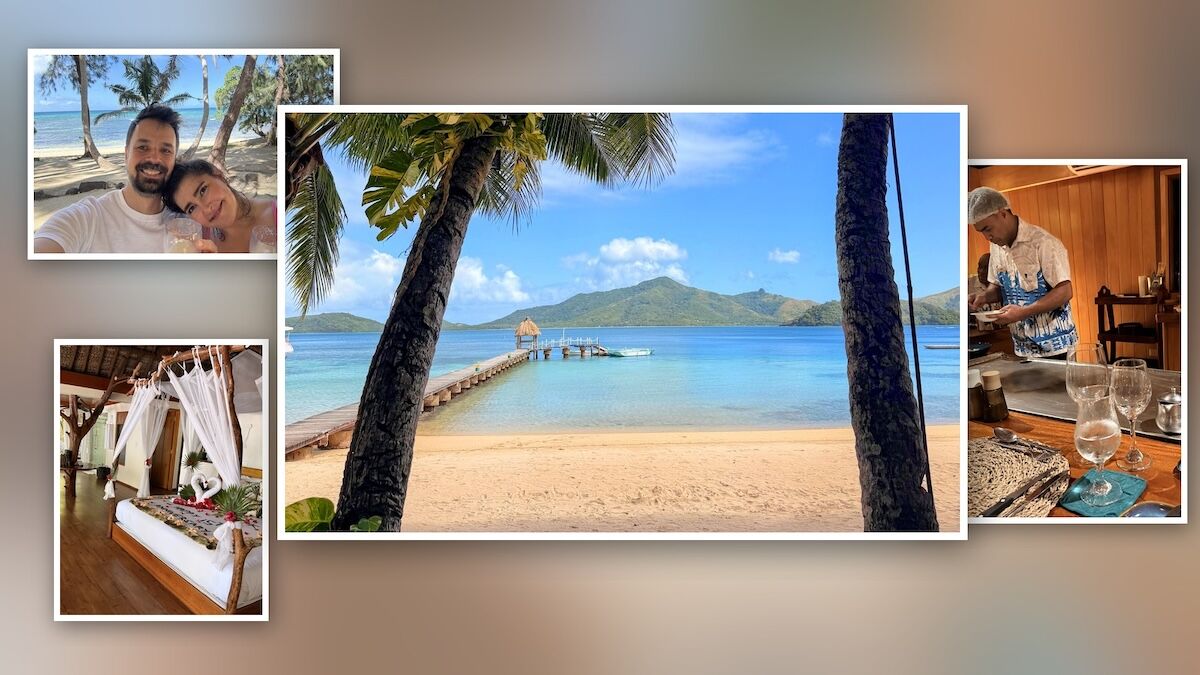
Guests are housed in traditional Fijian thatched-roof villas known as bures. Each couple is assigned a dedicated staff member, termed a bure mama, who acts as an itinerary coordinator, concierge, and personal attendant throughout the stay.
Logistically, access to the island is typically achieved via a 30-minute seaplane flight from Nadi International Airport on Viti Levu, Fiji’s main island, or via helicopter transfer. The resort’s all-inclusive framework covers accommodations, meals, beverages, deep-sea fishing, scuba diving excursions, horseback riding, and private beach picnics.
Chronology and Historical Background
The modern iteration of Turtle Island traces its origins to 1972, when American entrepreneur Richard Evanson purchased the uninhabited island. At the time, the location was selected by Hollywood filmmakers as the primary shooting site for the 1980 romantic drama The Blue Lagoon, starring Brooke Shields.
Following the conclusion of filming, Evanson acquired the residual infrastructure—specifically the cottages originally constructed to house the film’s cast and crew—and initiated a long-term development plan to transform the property into an exclusive eco-resort. The destination officially opened its doors to leisure travelers in 1980.
Over the subsequent four decades, the resort evolved from a rudimentary castaway retreat into a sophisticated private-island property while maintaining its foundational architectural identity. The original film structures were gradually upgraded and integrated into the current network of luxury bures. Evanson’s vision prioritized environmental self-sufficiency and local employment, shaping the resort’s current operational model.
Supporting Data and Ecological Self-Sufficiency
Turtle Island operates on a high degree of vertical integration, particularly regarding food production and resource management. The property features a five-acre agricultural garden containing approximately 150 raised beds, which yields an estimated 80 percent of the resort’s fresh produce.
The island’s food supply chain is heavily localized:
- Agriculture: Vegetables and fruits are cultivated on-site using sustainable farming practices.
- Livestock and Seafood: Eggs are sourced from the island’s free-range poultry population, and seafood is harvested daily from surrounding waters by local fishermen.
- Condiments and Staples: Butter, fruit juices, and sea salt are produced directly on the premises, the latter through a multi-month seawater evaporation process.
During global supply chain disruptions, such as the COVID-19 pandemic, the island’s self-sustaining infrastructure allowed management to deploy a floating grocery supply network to support neighboring Yasawa village communities, highlighting the interconnected economic relationship between the resort and the local population.
Cultural Integration and Community Engagement
Unlike many luxury resorts that maintain a clear operational boundary between guests and staff, Turtle Island emphasizes communal cultural participation. The majority of the resort’s workforce is recruited from surrounding villages in the Yasawa chain.
Cultural programming is entirely employee-led and embedded into the daily routine:
- Kava Ceremonies: Nightly communal gatherings take place on woven mats, uniting guests, cooks, engineers, gardeners, and administrative staff.
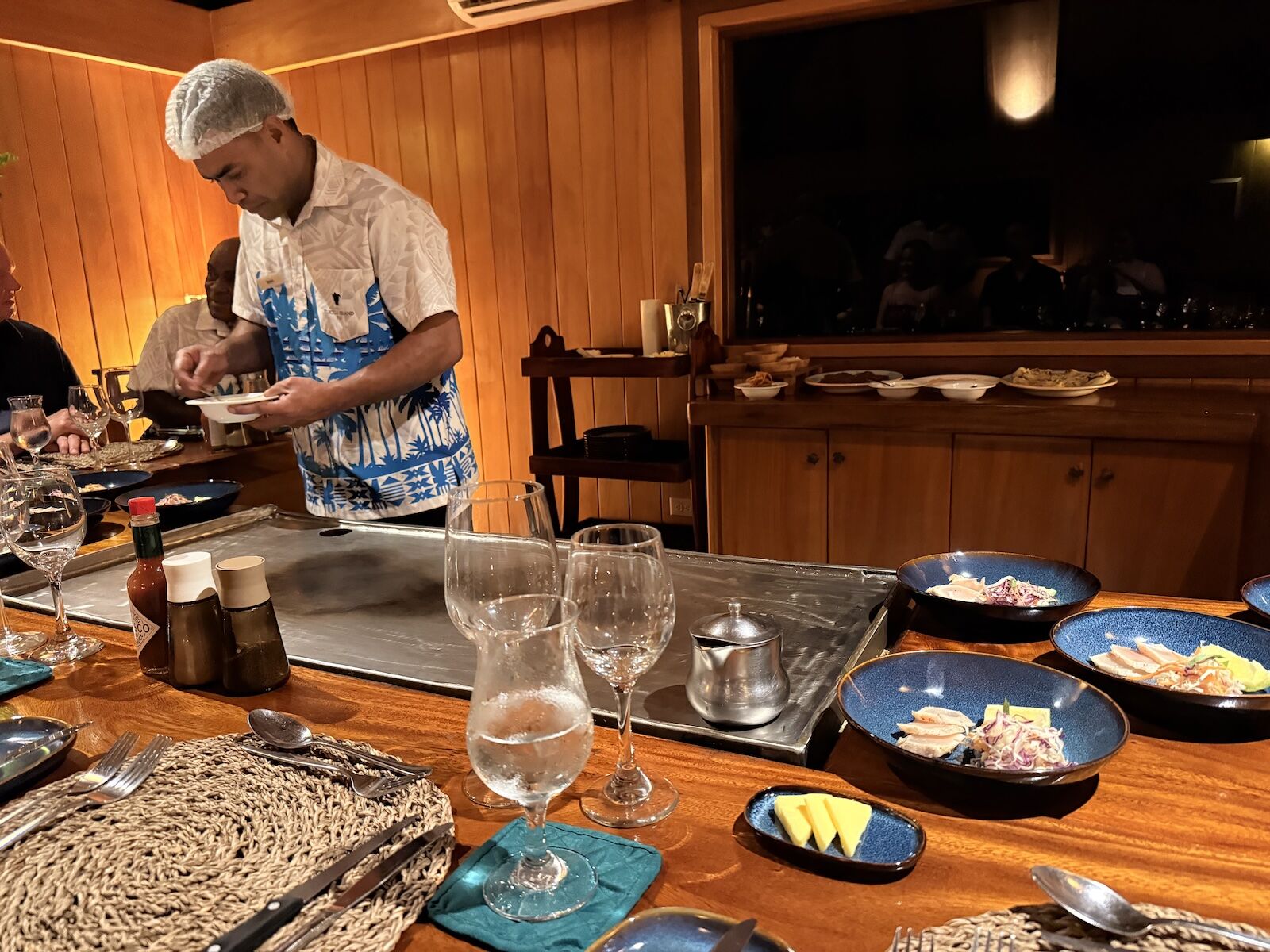
- Traditional Arts and Culinary Techniques: Guests participate in workshops focused on traditional practices, including the preparation of kokoda (Fijian coconut-lime ceviche), coconut processing, and basket weaving.
- The Meke and Lovo: Weekly events include performances of the meke—a traditional dance narrative preserving local oral histories—and communal meals prepared using a lovo, an underground earth oven where food is slow-cooked over hot stones.
Social Dynamics and Guest Experiences
The structural design of Turtle Island encourages a duality of isolation and socialization. While daily life features private excursions—such as solitary afternoons on secluded beaches equipped with hammocks and pre-packed picnic lunches—mealtimes and evening cocktail hours are largely communal.
This family-style approach fosters rapid social cohesion among the 14 visiting couples. According to resort management and returning guests, farewell dinners frequently evoke strong emotional responses as relationships form over the course of a week-long stay.
To counterbalance the communal schedule, private dining options are integrated into the itinerary, including lantern-lit meals on offshore floating docks situated above the lagoon.
Broader Impact and Industry Implications
Turtle Island represents a specific model within global luxury tourism, characterized by high customer retention rates. Industry data and resort metrics indicate a repeat-guest rate of approximately 60 percent, with many visitors returning decades after their initial stay.
From an economic perspective, the property’s reliance on local labor and agriculture serves as a case study in decentralized tourism development within island economies. By employing residents from adjacent Yasawa communities and maintaining strict capacity caps, the resort limits environmental degradation while securing consistent local employment.
For the luxury travel sector, the property demonstrates that high-end consumer demands can align with ecological self-sufficiency and indigenous cultural preservation. As travelers increasingly seek authentic, low-impact destinations, the operational blueprint established at Turtle Island offers insight into the future viability of boutique, eco-conscious private island resorts.