The Evolution of Alex Honnold: Navigating the Intersection of Elite Athletics, Global Celebrity, and Fatherhood at Forty

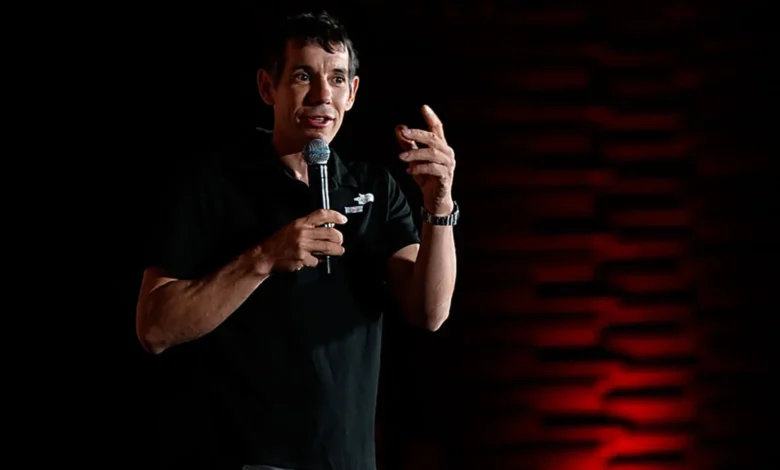
For nearly two decades, Alex Honnold has occupied a singular position in the pantheon of extreme sports, evolving from an insular, Yosemite-based "dirtbag" climber into an internationally recognized cultural icon. Now, at the age of 40, Honnold stands at a complex professional and personal crossroads. The latest long-form feature from the Outside Podcast, featuring reporting by Outside magazine features editor Frederick Dreier, provides an intimate look at how the world’s most famous rock climber manages the competing demands of a global media brand, high-stakes public speaking engagements, and the rigorous discipline required to maintain his elite physical status while embracing the responsibilities of being a husband and father.
A Chronology of a Career
To understand the magnitude of Honnold’s current life, one must examine the trajectory of a career that defied conventional athletic boundaries. Honnold first entered the public consciousness in the mid-2000s, defined by his ascetic lifestyle. He famously lived out of a Ford Econoline van, eschewing traditional societal markers of success to focus exclusively on free-soloing—climbing without ropes or safety equipment.
The following timeline highlights key moments in his ascent:
- 2007: Honnold gains national attention for speed-climbing Astroman and the Rostrum in Yosemite in a single day.
- 2008: The breakthrough moment. Honnold free-solos the Moonlight Buttress in Zion National Park and the Regular Northwest Face of Half Dome in Yosemite, cementing his status as a singular talent.
- 2017: Honnold completes his most significant achievement, a free-solo of the 3,000-foot Freerider route on El Capitan in Yosemite. This feat is documented in the film Free Solo.
- 2019: Free Solo wins the Academy Award for Best Documentary Feature, vaulting Honnold from a niche climbing hero to a mainstream household name.
- 2021-2022: Honnold transitions into a new phase, marrying Sanni McCandless and welcoming the couple’s first child.
- 2026: At 40, Honnold shifts his focus toward managing a professional ecosystem that includes his charitable foundation, high-level corporate partnerships, and his family.
The Logistics of the Modern Honnold Brand
Honnold’s transition into his forties is characterized by the diversification of his professional output. While he remains a dedicated climber, his time is now heavily allocated to the Alex Honnold Foundation, which focuses on solar energy projects in underserved communities, and his role as a prominent environmental advocate.
According to industry analysts, the "Honnold Effect"—the surge in public interest in climbing following the success of Free Solo—has fundamentally altered the economics of professional rock climbing. Honnold has leveraged this influence to secure long-term partnerships with major brands, including The North Face, Black Diamond, and La Sportiva. These relationships are no longer merely sponsorship deals but collaborative ventures that require a significant investment of time, travel, and administrative labor.
Frederick Dreier’s shadowing of Honnold in South Lake Tahoe reveals a meticulously scheduled existence. The "typical day" is a departure from the spontaneous, climb-centric schedule of his youth. It involves early morning physical training, blocks of time dedicated to administrative oversight for his business ventures, media production meetings, and the intentional carving out of time for family obligations.
Data-Driven Athletic Maintenance
At 40, maintaining the physical peak required for elite climbing is a scientific endeavor. Honnold has increasingly utilized data-tracking tools to monitor his recovery, nutrition, and cardiovascular health. Climbing at an elite level requires immense grip strength, tendon health, and core stability, all of which are subject to the natural physiological decline associated with aging.
Data suggests that while professional climbers often see a drop in absolute explosive power in their mid-forties, they often compensate with superior endurance, technical refinement, and injury prevention strategies. Honnold’s current regimen includes:
- Periodized Training: Moving away from the "climb every day" philosophy toward structured cycles that prioritize muscle recovery.
- Nutritional Optimization: A refined, plant-based approach that emphasizes macronutrient balance to support the demands of high-altitude and high-intensity climbing.
- Recovery Technology: Incorporating professional-grade recovery tools, including consistent sleep monitoring and physical therapy, to mitigate the risk of chronic tendonitis—a common ailment for climbers with two decades of heavy finger loading.
The Intersection of Fatherhood and Risk
Perhaps the most significant change in Honnold’s life is the introduction of parental responsibility. For a man whose fame was predicated on the acceptance of absolute risk, the transition to fatherhood has prompted public speculation regarding his future in free-soloing.
In interviews, Honnold has been transparent about the psychological recalibration required to balance the drive for high-level adventure with the duty of care toward his family. While he has not retired from dangerous climbs, his approach is arguably more calculated. The decision-making process for a major project now involves a broader risk-assessment framework that accounts for personal legacy and family stability.
Colleagues and industry peers suggest that this shift is not unique to Honnold but is part of a broader trend among professional extreme athletes. As athletes reach their fourth decade, the shift from individualistic goals to stewardship—mentoring the next generation and building sustainable institutions—becomes a primary focus.
Broader Impact and Industry Implications
The implications of Honnold’s current phase extend well beyond his personal life. He serves as a case study for the professionalization of outdoor sports. By successfully pivoting from a "dirtbag" athlete to a global brand manager, Honnold has provided a roadmap for younger climbers who wish to maintain long-term careers in an industry that traditionally lacked a stable retirement or career-transition path.
Furthermore, his influence on the sport’s culture remains profound. The transition of climbing from a fringe counter-culture activity to an Olympic sport and a massive commercial industry mirrors Honnold’s own journey. His ability to maintain his status as a relevant climber while navigating the complexities of corporate boardrooms and media appearances has set a standard for what is expected of contemporary professional athletes.
Expert Perspectives
"Alex has effectively managed to transcend the shelf-life of a typical extreme athlete," notes an industry consultant who specializes in adventure sports marketing. "By pivoting to advocacy and business, he has ensured that his relevance is tied to his character and his mission, rather than just his last ascent. That is the key to longevity in this space."
While some purists in the climbing community have expressed nostalgia for the "van-life" era of the mid-2000s, the general consensus is that Honnold’s evolution is a natural and necessary progression. His current trajectory suggests that the "Honnold" brand will remain a fixture of the climbing world for decades to come, not necessarily because he will continue to set records, but because he has become the primary bridge between the sport’s history and its future.
Conclusion
The portrait of Alex Honnold at 40 is one of a man who has mastered the art of adaptation. The challenge he faces—balancing the intensity of his past with the responsibilities of his present—is one shared by many, though few do so under the constant scrutiny of a global audience. As he continues to navigate this transition, his life serves as a definitive look at the maturation of a discipline that, much like the man himself, is growing up.
The full account of this transition, as captured by Frederick Dreier, serves as a poignant reminder that even the most daring individuals eventually find their greatest challenge not on a vertical rock face, but in the everyday navigation of a life well-lived. Whether he is on a wall in Yosemite or at home in Tahoe, the essence of Honnold remains unchanged: a commitment to excellence and a refusal to compromise on the values that brought him to the summit of his sport.