Beyond the Scale: Groundbreaking Clinical Trial Reveals Ketogenic Diets Target Liver Fat and Prediabetes Independently of Weight Loss

Metabolic health and weight management have long been viewed through a relatively straightforward lens: shed pounds, and the body’s internal systems will naturally correct themselves. However, a landmark clinical trial published in the esteemed journal Cell Metabolism challenges this long-held paradigm. Researchers at the Washington University School of Medicine in St. Louis have demonstrated that the specific macronutrient composition of a diet exerts a profound influence on metabolic health, acting independently of total weight loss.
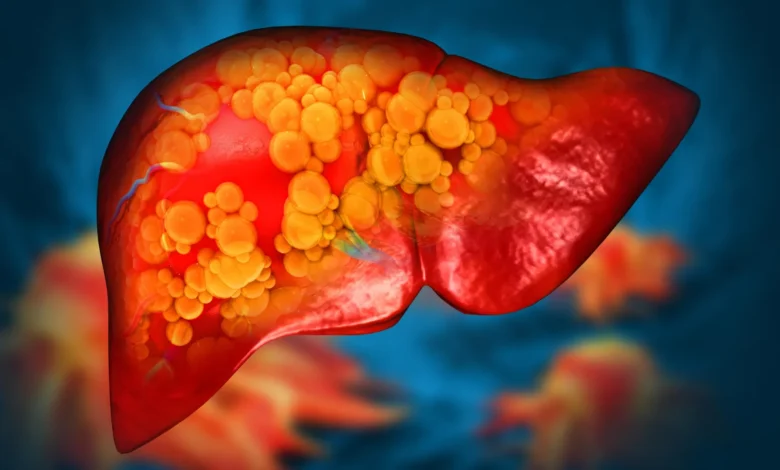
The meticulously controlled study compared three of the most popular dietary paradigms currently utilized for weight management and metabolic conditioning: the ketogenic diet, the Mediterranean diet, and a plant-forward low-fat diet. While participants across all three dietary arms achieved identical weight reduction targets—averaging a 10% loss of their initial body weight over a four-to-five-month period—the physiological outcomes diverged sharply. Most notably, individuals adhering to the very low-carbohydrate, high-fat ketogenic diet experienced a staggering 67% reduction in liver fat, alongside a remarkable reversal of prediabetes in half of the cohort.
These findings illuminate a critical distinction in clinical nutrition: while caloric restriction and subsequent weight loss remain powerful tools for combating obesity, the precise biological pathways activated by carbohydrate restriction offer targeted therapeutic advantages that conventional low-fat or Mediterranean approaches do not replicate to the same degree.
An Epidemic of Metabolic Dysfunction
To contextualize the significance of these findings, one must examine the broader public health crisis surrounding obesity and its downstream complications. In the United States alone, an estimated 40% of the adult population currently lives with obesity. This condition serves as a primary catalyst for a constellation of severe metabolic disorders, most notably type 2 diabetes, cardiovascular disease, and non-alcoholic fatty liver disease (NAFLD), which is more broadly categorized under metabolic dysfunction-associated steatotic liver disease (MASLD).
For decades, medical professionals have prescribed lifestyle modifications—centering primarily on caloric restriction and increased physical activity—to help patients mitigate these risks. When designing dietary interventions, physicians typically recommend one of three primary strategies: low-fat diets, which historically have derived up to 70% of their energy from carbohydrates; Mediterranean diets, which prioritize plant foods, monounsaturated fats from olive oil, and moderate consumption of fish and dairy; or low-carbohydrate regimens, such as the Atkins and ketogenic diets, which drastically restrict carbohydrates in favor of dietary fats and proteins.
Despite the widespread adoption of these diets, clinical researchers have long debated whether one approach confers superior metabolic benefits when total weight loss is held constant. Disentangling the independent effects of dietary composition from the confounding variable of weight loss has proven notoriously difficult in nutritional science, largely because different diets inherently produce varying degrees of weight loss in free-living populations.
To overcome this methodological hurdle, Samuel Klein, the study’s corresponding author and a leading metabolic researcher at Washington University, spearheaded a tightly controlled clinical trial designed to isolate the unique physiological impacts of different macronutrient distributions.
Methodology and Chronology of a Controlled Trial
The research team recruited 42 adult participants who presented with a complex clinical profile: all suffered from obesity, prediabetes, and fatty liver disease. Prediabetes is clinically defined as a state where blood glucose levels are elevated above normal thresholds—typically a fasting blood glucose of 100 to 125 mg/dL or an HbA1c between 5.7% and 6.4%—yet remain below the diagnostic cutoff for full-blown type 2 diabetes. Fatty liver disease, meanwhile, involves the pathological accumulation of triglycerides within hepatocytes, impairing the liver’s central role in regulating systemic glucose and lipid homeostasis.
To ensure strict adherence and eliminate the noise of self-reported dietary intake, the research team implemented a highly rigorous, controlled feeding protocol. The investigators supplied 100% of the food consumed by the participants throughout the duration of the trial and mandated weekly consultations with a registered dietitian to monitor compliance and address any clinical concerns.
The study participants were randomly allocated to one of three distinct dietary interventions:
- The Ketogenic Diet: Designed to induce nutritional ketosis, this regimen allocated a mere 4% of daily energy intake to carbohydrates, 23% to protein, and a substantial 73% to fat, heavily weighted toward animal-derived sources rich in saturated fats.
- The Mediterranean Diet: This plan provided 50% of daily calories from carbohydrates, 15% from protein, and 35% from fat, emphasizing vegetables, nuts, legumes, and extra-virgin olive oil.
- The Plant-Forward Low-Fat Diet: This regimen inverted the macronutrient ratios of the keto diet, deriving 70% of calories from carbohydrates, 15% from protein, and only 15% from fat, with a strong emphasis on whole grains, fruits, and vegetables.
To accurately evaluate the independent variable of diet composition, researchers dynamically adjusted the total caloric intake for each participant individually. The goal of this calibration was to ensure that every single participant—regardless of their assigned dietary group—lost precisely 10% of their starting body weight. Reaching this targeted milestone required an average intervention period of four to five months.
Divergent Physiological Outcomes: The Power of Carbohydrate Restriction
By the conclusion of the four-to-five-month intervention, the baseline data revealed universal improvements across all cohorts. Every participant who achieved the 10% weight loss target experienced meaningful reductions in total body fat and notable enhancements in insulin sensitivity. Insulin, the anabolic hormone secreted by the pancreatic beta cells, is responsible for facilitating the uptake of glucose from the bloodstream into skeletal muscle, adipose tissue, and hepatic cells. Improved insulin sensitivity indicates that cells are responding more efficiently to the hormone, thereby lowering circulating blood glucose levels and reducing the physiological strain on the pancreas.
However, once the researchers looked beyond systemic weight loss and generalized insulin improvements, the data revealed profound divergences between the dietary groups.
The Ketogenic Advantage in Liver Fat Reduction
The most dramatic discrepancy observed in the trial centered on hepatic lipid accumulation. Participants assigned to the ketogenic diet experienced an average reduction in liver fat of 67%. By comparison, participants in both the Mediterranean diet group and the low-fat diet group achieved a 45% reduction.
Because weight loss was strictly controlled and mathematically equivalent across all three groups, this stark differential provides robust clinical evidence that severe carbohydrate restriction influences hepatic lipid metabolism through mechanisms entirely distinct from weight loss.
To elucidate the underlying biological drivers of this phenomenon, Klein and first author Max Petersen, alongside their colleagues, conducted intensive metabolic profiling. They collected serial blood samples from participants over continuous 24-hour periods to map real-time fluctuations in key regulatory hormones.
The analysis revealed that the ketogenic group exhibited the most significant elevation in circulating glucagon levels. Glucagon, a peptide hormone produced by the alpha cells of the pancreas, acts in physiological opposition to insulin. It mobilizes stored energy reserves, stimulating hepatic lipolysis and fatty acid oxidation—the burning of fat stored within the liver. Concurrently, the ketogenic cohort demonstrated the most pronounced suppression of circulating insulin levels. Because insulin acts as a powerful inhibitor of fat breakdown and a promoter of fat storage, the combination of elevated glucagon and suppressed insulin creates an optimal endocrine environment for clearing ectopic lipid deposits from the liver.
An Unexpected Lipid Profile Finding
One of the most pervasive concerns voiced by clinicians regarding ketogenic diets involves their high saturated fat content. Standard medical dogma has long warned that consuming a diet consisting of roughly three-quarters fat—much of it saturated—would inevitably lead to dyslipidemia, characterized by elevated serum triglycerides, increased low-density lipoprotein (LDL) cholesterol, and an elevated risk of atherosclerotic cardiovascular disease.
Yet, the Washington University trial yielded a surprising counter-intuitive result. Despite ingesting massive quantities of dietary fat, participants in the ketogenic group did not experience adverse spikes in blood lipid profiles or cholesterol levels during the study period.
"The most surprising finding was that participants in the ketogenic diet group didn’t experience an increase in blood fat or cholesterol levels despite consuming the most fat," noted Max Petersen, highlighting the complexity of human lipid metabolism when carbohydrates are removed from the nutritional equation. This finding aligns with a growing body of contemporary nutritional research suggesting that hyperinsulinemia, rather than dietary fat intake per se, plays a foundational role in driving atherogenic dyslipidemia.
Reversal of Prediabetes Status
The therapeutic advantages of the ketogenic diet extended far beyond hepatic health into systemic glycemic control. Following the targeted weight loss intervention, researchers evaluated participants to determine how many still met the clinical diagnostic criteria for prediabetes.
The results were striking: approximately 50% of the participants assigned to the ketogenic diet no longer met the clinical thresholds for prediabetes, effectively returning their blood sugar regulation parameters to normal ranges.
In contrast, the downstream glycemic benefits were considerably more modest in the comparative groups. Among participants following the Mediterranean diet, 29% successfully moved out of the prediabetes category. For those in the plant-forward, low-fat diet group, only 7% achieved this milestone.
These stark disparities underscore a fundamental reality of modern metabolic medicine: while weight loss and metabolic health are deeply intertwined, they are not synonymous. The specific biochemical inputs provided by food directly modulate metabolic signaling pathways, influencing how the body processes glucose, stores lipids, and responds to endocrine signals, even when the net change on the bathroom scale is identical.
Broader Clinical Implications in the Age of Pharmacotherapy
The timing of these research findings coincides with a revolutionary transformation in the management of obesity and metabolic disease. The advent of incretin-based pharmacotherapies, specifically glucagon-like peptide-1 (GLP-1) receptor agonists such as semaglutide and tirzepatide, has fundamentally altered the therapeutic landscape. These medications have proved exceptionally effective at suppressing appetite and helping patients achieve unprecedented degrees of weight loss.
However, clinical experts emphasize that pharmacological weight loss does not automatically equate to the complete resolution of complex tissue-specific pathologies, such as non-alcoholic fatty liver disease or persistent insulin resistance.
"GLP-1-based medications have revolutionized the therapy of obesity. We now have a very effective pharmacotherapy for achieving significant weight loss," Petersen stated. "But in addition, our study shows that the specific composition of the diet can give you added benefits."
As novel anti-obesity medications become increasingly integrated into standard medical care, the intersection of pharmacotherapy and targeted medical nutrition therapy represents a burgeoning frontier in preventative and clinical medicine. Combining the powerful weight-loss efficacy of GLP-1 agonists with the specific metabolic signaling pathways activated by very-low-carbohydrate diets could potentially yield synergistic therapeutic protocols for patients suffering from advanced metabolic syndrome, NAFLD, and treatment-resistant prediabetes.
Future Directions and Limitations
While the findings from Washington University School of Medicine offer compelling insights into the metabolic potency of ketogenic eating patterns, researchers and independent clinicians urge appropriate caution when interpreting the data.
The clinical trial, while methodologically rigorous and carefully controlled, possessed inherent limitations. The study cohort was relatively small, comprising 42 participants, and the duration of the dietary intervention was constrained to four to five months. Consequently, these findings reflect short-to-medium-term physiological adaptations.
Longer-term randomized controlled trials involving larger, more diverse patient populations will be strictly required to determine whether the dramatic reductions in liver fat and the remission of prediabetes persist over multi-year timeframes. Furthermore, researchers must continue to evaluate the long-term cardiovascular safety and adherence feasibility of maintaining a strict ketogenic diet in free-living populations outside the confines of a research-supplied feeding protocol.
Nevertheless, the study—supported by grants from the prestigious National Institutes of Health (NIH) and the Foundation for Barnes-Jewish Hospital—provides definitive evidence that food is much more than mere fuel or a vehicle for caloric restriction. It is an active biological signal that communicates directly with human metabolic machinery. As the medical community continues to refine its approach to the global obesity epidemic, understanding the unique therapeutic properties of dietary composition will remain paramount in optimizing patient outcomes and reversing chronic metabolic disease.
Related posts: