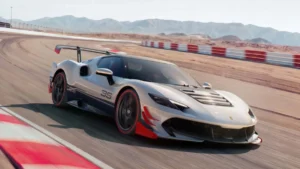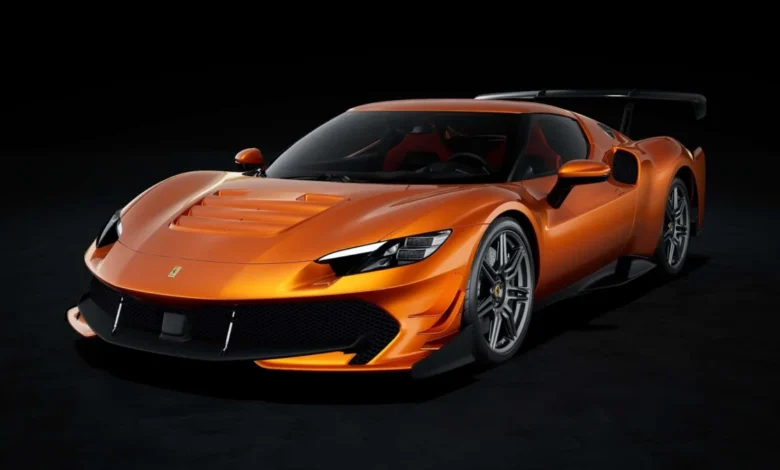
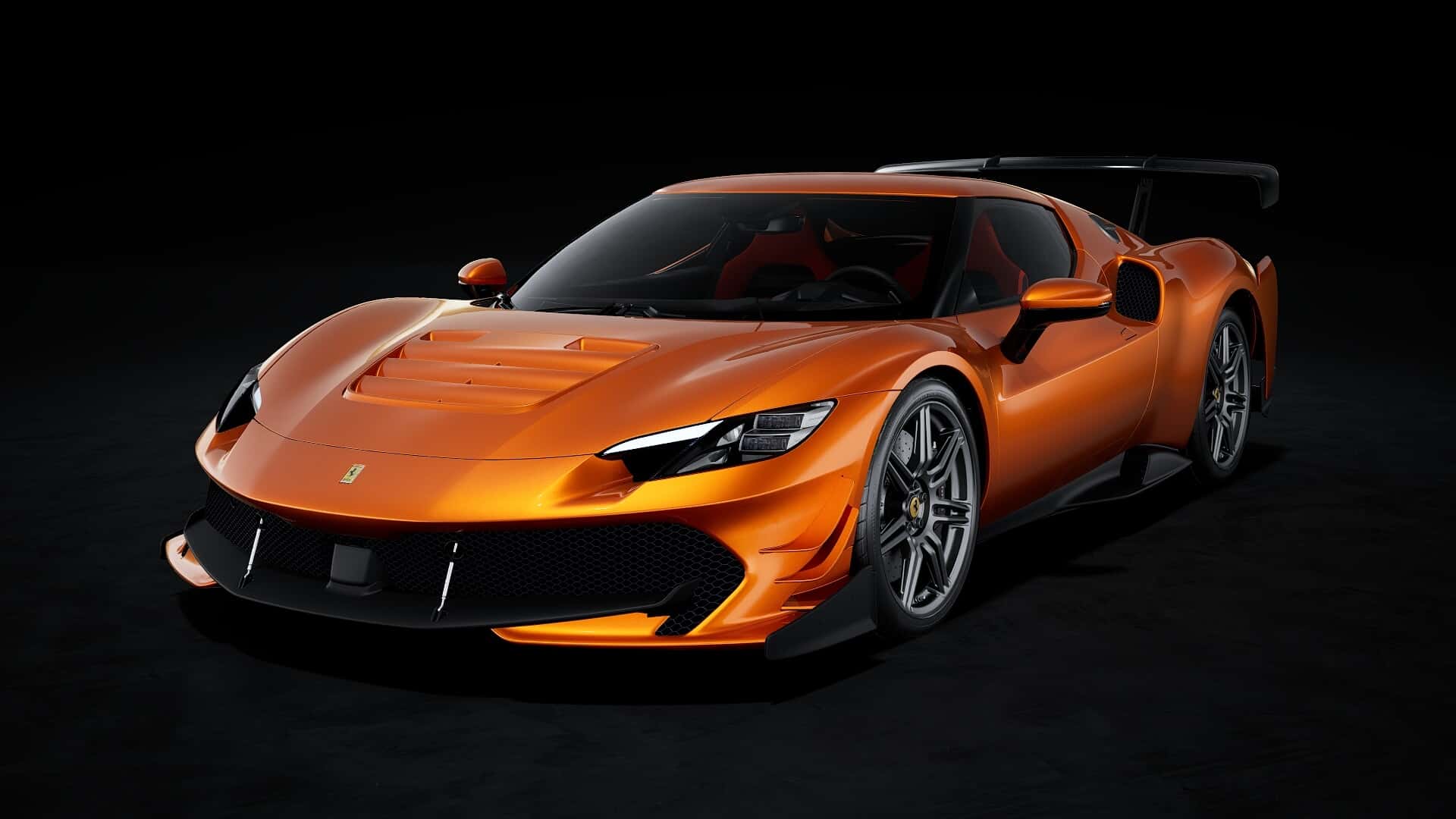
The Ferrari 296 Challenge Stradale represents a pivotal moment in the Maranello-based automaker’s pursuit of blending pure, non-hybrid internal combustion performance with the sophisticated aerodynamic and weight-saving technologies developed for its flagship racing programs. Priced at a base MSRP of approximately $307,000 before the inclusion of bespoke options, this machine serves as a bridge between the road-going 296 GTB and the dedicated track-only Challenge race cars. While the standard 296 GTB utilizes a hybrid powertrain to achieve its staggering power output, the Challenge Stradale variant pivots toward a purist approach, focusing on mechanical efficiency, reduced curb weight, and track-optimized handling.
The Evolution of the 296 Lineage
The lineage of the 296 series began with the introduction of the 296 GTB, Ferrari’s first V6-powered road car to bear the Prancing Horse badge in decades. The development of this platform was marked by a shift in engineering philosophy, moving away from the traditional V8 architecture to a high-revving, 120-degree V6 engine.
The timeline of the 296 development traces back to the initial reveal of the 296 GTB in June 2021. Following its success, Ferrari introduced the 296 GTS (the open-top spider variant) and the 296 Challenge, a car designed exclusively for the Ferrari Challenge Trofeo Pirelli one-make racing series. The 296 Challenge Stradale serves as the synthesis of these iterations—a vehicle designed to offer the visceral, high-performance experience of the racing series within a package that remains legal for public roadways. By stripping away the heavy hybrid battery packs and electric motors, engineers have focused on maximizing the power-to-weight ratio, ensuring the vehicle feels as agile on a winding mountain pass as it does on a closed-circuit tarmac.
Technical Specifications and Engineering Philosophy
At the heart of the 296 Challenge Stradale lies a 3.0-liter, twin-turbocharged V6 engine. While the hybrid system found in the standard 296 GTB provides a significant torque boost, the Challenge Stradale leans into the inherent lightness of its combustion-only architecture. This engineering decision reduces the total mass of the vehicle, which is a critical factor for vehicle dynamics, particularly in cornering and braking performance.
The 670-horsepower output is channeled through an F1-derived dual-clutch transmission, calibrated specifically for rapid gear changes. The chassis has undergone a series of weight-reduction measures, including the integration of lightweight materials throughout the cabin and exterior panels. The use of carbon fiber for elements such as the front splitter, rear diffuser, and engine cover is not merely for aesthetic refinement; these components are engineered to optimize airflow and provide genuine aerodynamic downforce. Furthermore, the option to utilize Lexan polycarbonate for the glass components significantly reduces the center of gravity, a hallmark of Ferrari’s racing heritage.
Bespoke Customization and the Digital Configurator
Ferrari’s online configuration tool has become an extension of the vehicle’s identity, allowing prospective owners to tailor every detail of their purchase. The current iteration for the 296 Challenge Stradale offers 35 distinct exterior paint options categorized into Standard, Historical, Classic, and Special palettes. This extensive selection reflects Ferrari’s effort to cater to both the traditionalist—who might prefer the iconic Rosso Corsa or Giallo Modena—and the modern collector, who may gravitate toward more contemporary hues like Giallo Ambra.
The customization extends deep into the interior, where the automaker offers 26 stitching colors and 22 dashboard finish options. The decision-making process regarding seating is perhaps the most significant functional choice for the owner. Ferrari provides two primary configurations: the "Racing" seats, designed for maximum lateral support during high-G maneuvers, and the "Best Weight" seats, which prioritize the reduction of mass. These choices underscore the reality that for many buyers, the vehicle is destined for track days where every kilogram saved contributes to a better lap time.
Market Position and Economic Implications
The $307,000 starting price places the 296 Challenge Stradale in the ultra-luxury performance bracket, competing against other high-end track-focused vehicles from manufacturers such as Porsche, Lamborghini, and McLaren. However, the Ferrari brand maintains a unique position due to its racing pedigree and the exclusivity of its production cycles.
From an analytical standpoint, the 296 Challenge Stradale acts as a hedge against the inevitable electrification of the supercar market. By offering a high-performance, non-hybrid internal combustion engine in a modern chassis, Ferrari is appealing to a demographic of enthusiasts who fear the loss of the mechanical engagement associated with traditional engines. The secondary market implications are also significant; historical data suggests that limited-run, track-focused Ferrari models tend to retain or appreciate in value, making the customization process not only a matter of personal taste but also a factor in the vehicle’s long-term investment profile.
The Role of Technology in a Purist Vehicle
While the 296 Challenge Stradale is a track-focused vehicle, it does not completely eschew modern technology. The inclusion of an optional passenger display is an interesting inclusion, often viewed by industry analysts as a move to make these high-performance vehicles more approachable for shared experiences. While purists may argue that such displays are unnecessary in a race-bred machine, they highlight Ferrari’s understanding that the modern supercar buyer often views these cars as dual-purpose machines.
The absence of a central touchscreen on the dashboard is a deliberate design choice, intended to keep the driver’s focus on the road or the track. By removing infotainment complexity, Ferrari creates a cockpit environment that minimizes distractions, reinforcing the car’s primary purpose: high-speed, precision driving.
Official Stance and Future Prospects
Ferrari representatives have consistently framed the 296 series as the "future of the V6," emphasizing that the engine’s performance potential is only beginning to be explored. By launching the Challenge Stradale variant, the company is demonstrating its commitment to the internal combustion engine’s longevity through high-performance engineering.
Looking forward, the success of the 296 Challenge Stradale will likely influence future iterations of the platform. If the market demand for lightweight, non-hybrid variants remains strong, it is probable that we will see further specialization of the 296 lineup. As global emissions regulations tighten, the ability of manufacturers to produce high-horsepower, combustion-only engines becomes increasingly difficult, potentially making the 296 Challenge Stradale a collector’s item in the near future.
Conclusion: A Masterclass in Refinement
The Ferrari 296 Challenge Stradale is more than a mere trim level; it is a testament to the brand’s ability to balance the demands of modern performance with the soul of a classic driver’s car. From the intricate weave of the carbon fiber components to the carefully selected stitching in the cockpit, the vehicle represents the pinnacle of customization in the automotive world. As prospective owners navigate the digital configurator to finalize their builds, they are not just selecting options—they are defining the character of a machine that is set to become a benchmark in the history of Italian automotive engineering. Whether utilized for weekend track sessions or displayed as a centerpiece of a private collection, the 296 Challenge Stradale remains a powerful reminder of what is possible when heritage and innovation converge on the racetrack.