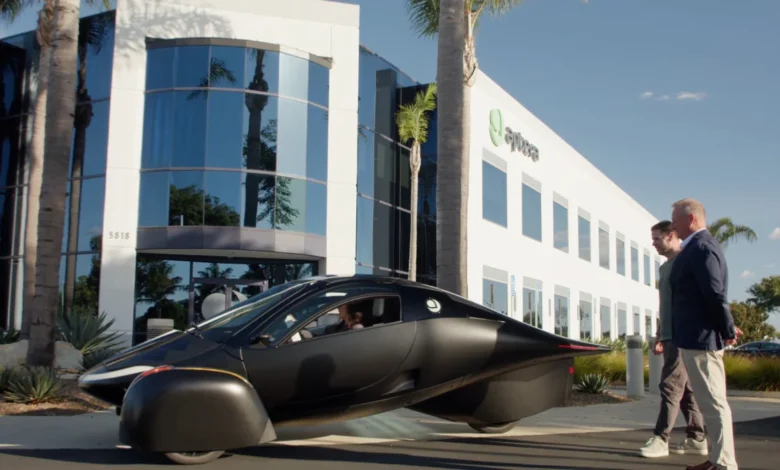
After two decades of development, pivoting concepts, financial restructuring, and persistent skepticism from the automotive community, solar electric vehicle startup Aptera has achieved a significant milestone by officially selling its first production-specification three-wheeler. While the transaction marks a monumental psychological and operational breakthrough for the company, the journey from a fledgling 2000s hybrid concept to a street-legal solar EV underscores the immense challenges hardware startups face in the modern automotive landscape.
The inaugural production vehicle—a matte-black, aerodynamic, three-wheeled electric vehicle bearing VIN 000001—was purchased by Indonesian businessman and longtime Aptera investor Martin Hartono. Within the company’s internal nomenclature, Hartono is recognized as "Accelerator #1," a designation reserved for the principal financial backer of the project’s earliest capital-raising phases. Rather than taking delivery on U.S. soil, Aptera has confirmed plans to export the vehicle overseas to Indonesia for Hartono’s personal use. This international delivery arrangement provides a fascinating window into how a nascent automaker can successfully execute a sale before establishing a standardized, localized retail pricing structure or completing domestic regulatory approvals.
A Two-Decade Evolution: The Chronology of Aptera
To understand the weight of Aptera’s recent sale, one must examine the company’s protracted and winding history. Founded originally as Aptera Motors in California in 2006 by Steve Fambro and Chris Anthony, the enterprise initially targeted extreme fuel efficiency rather than zero-emissions battery power.
During its initial inception, the company showcased a radical, teardrop-shaped concept vehicle designed to achieve up to 300 miles per gallon. Early iterations were conceived as plug-in hybrids rather than pure electric vehicles. Over the next several years, the company raised millions of dollars in venture capital and private investments, generating widespread media attention for its futuristic, aerospace-inspired styling and ultra-low drag coefficient.
However, the path to commercialization was fraught with turbulence. By 2011, amid severe economic headwinds and difficulties securing a coveted Advanced Technology Vehicles Manufacturing (ATVM) loan from the United States Department of Energy, Aptera shuttered its operations and liquidated its assets.
The intellectual property and vision lay dormant until 2019, when founders Fambro and Anthony reconvened to resurrect the brand, pivoting the platform away from hybrid powertrains entirely. The newly reconstituted company leaned into the burgeoning electric vehicle market, supercharging the concept with an emphasis on integrated solar panels and unprecedented aerodynamic efficiency. This modern reinvention captured the imagination of early adopters, resulting in tens of thousands of non-binding reservations and community-driven crowdfunded capital rounds that kept the enterprise afloat through repeated production delays.
Technical Ambitions and Verification Hurdles
The production-intent Aptera represents a radical departure from conventional automobile design. Featuring a two-seat cabin, three-wheel layout, and a lightweight composite body, the vehicle is engineered to glide through the air with a drag coefficient that dwarfs mainstream passenger cars. The core value proposition of the Aptera centers on its integrated solar array, which the company claims can generate enough energy under optimal conditions to provide up to 40 miles of driving range per day entirely from sunlight, potentially allowing daily commuters to bypass traditional plug-in charging stations altogether.
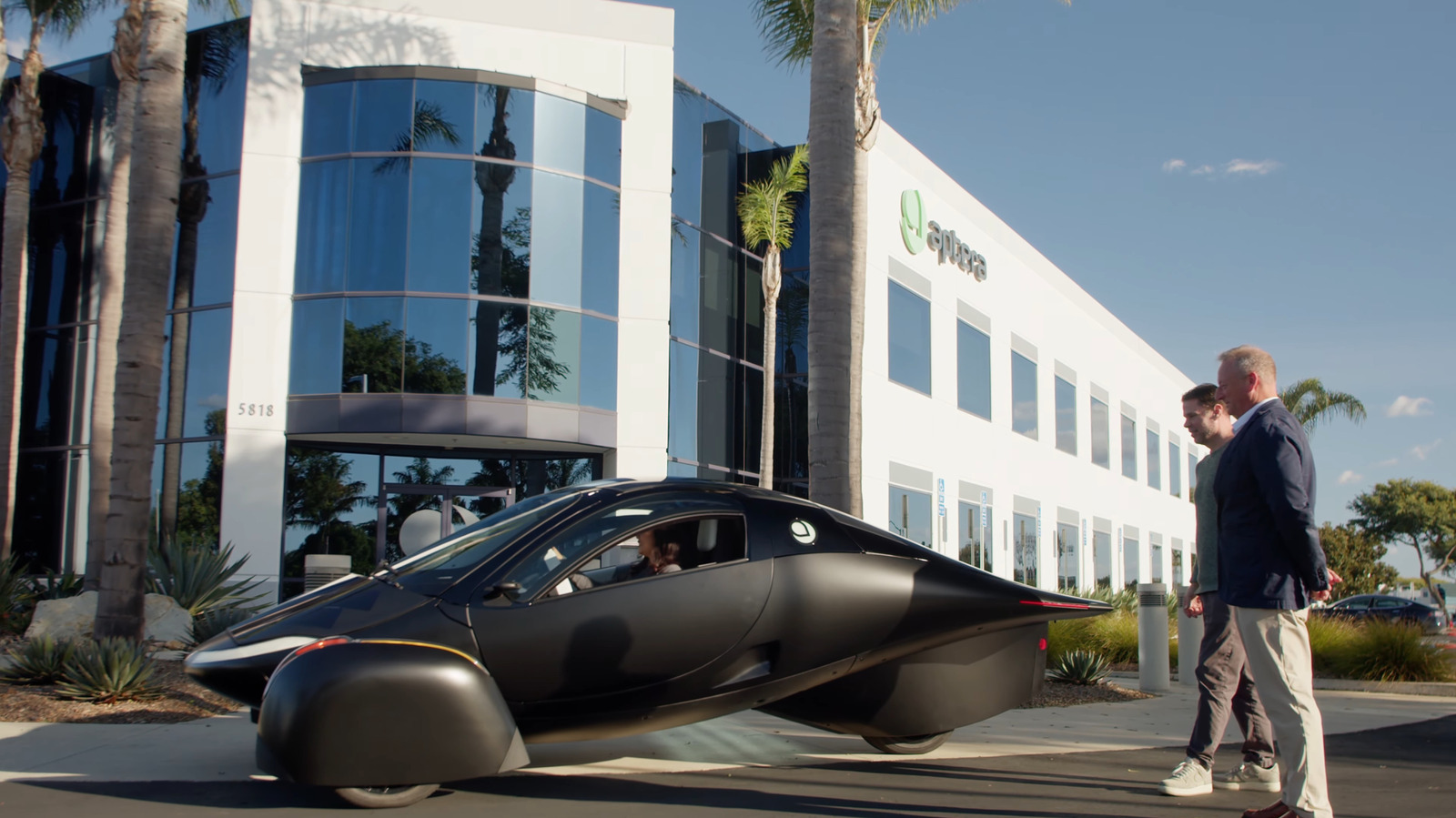
Despite the excitement surrounding VIN 000001, the company faces a rigorous gauntlet of testing, validation, and regulatory compliance before it can achieve high-volume manufacturing. The launch edition of the vehicle promises a driving range of up to 400 miles on a single charge, a notable step down from the sensationalized 1,000-mile range originally touted in early marketing materials. Furthermore, these figures remain subject to independent verification.
As of publication, the United States Environmental Protection Agency (EPA) has not issued official range or efficiency ratings for any variant of the Aptera. Translating laboratory efficiency metrics into certified, real-world data is a notoriously expensive and time-consuming hurdle for low-volume manufacturers. Additionally, proving the durability and real-world efficacy of the body-integrated solar panels across diverse climates will be critical to sustaining consumer confidence.
Industry Context and Comparative Timelines
Aptera’s methodical crawl toward production invites comparisons with other notable electric vehicle startups that emerged during the past decade. For context, Rivian—which successfully scaled production of its adventurous electric trucks and SUVs—delivered its first pre-production vehicles to support teams during long-distance expeditions in 2019 before commencing commercial customer deliveries from its Normal, Illinois facility in 2021.
While Rivian benefited from billions of dollars in backing from corporate giants like Amazon and Ford, Aptera has relied heavily on retail investors, crowdfunding campaigns, and targeted private placements. This grassroots financial model inherently extends development timelines, turning what is typically a three-to-five-year automotive development cycle into a multi-decade endurance test.
Selling a single vehicle to an early investor does not equate to mass production, but it does alter the narrative surrounding the company’s viability. Having a real, VIN-assigned vehicle physically manufactured, assembled, and transferred to a buyer provides tangible proof of concept that skeptics argued would never materialize.
Broader Market Implications and Future Outlook
The successful delivery of Aptera’s first vehicle carries broader implications for the future of alternative mobility and ultra-efficient vehicle design. In an automotive market increasingly dominated by heavy, large-battery electric SUVs and crossovers that prioritize brute-force performance over thermodynamic efficiency, Aptera champions a minimalist philosophy. By drastically reducing vehicle weight and aerodynamic drag, the company attempts to demonstrate that sustainable transportation does not require massive, resource-intensive battery packs.
Nevertheless, the road ahead remains arduous. The next several years will be definitive for Aptera. The company must transition from hand-assembling prototype units to establishing a repeatable, quality-controlled assembly line capable of fulfilling its backlog of reservations. Supply chain stability, component sourcing, regulatory crash testing, and establishing a service and maintenance network are towering obstacles for any startup, let alone one building a non-traditional three-wheeled vehicle that occupies a unique regulatory gray area between motorcycles and passenger cars in many jurisdictions.
For Martin Hartono and the thousands of everyday enthusiasts who placed deposits years ago, the completion and sale of VIN 000001 is a long-awaited vindication of their patience. Whether Aptera can successfully scale its operations and bring its solar-powered vision to driveways across the globe by the end of the decade remains one of the industry’s most closely watched sagas.