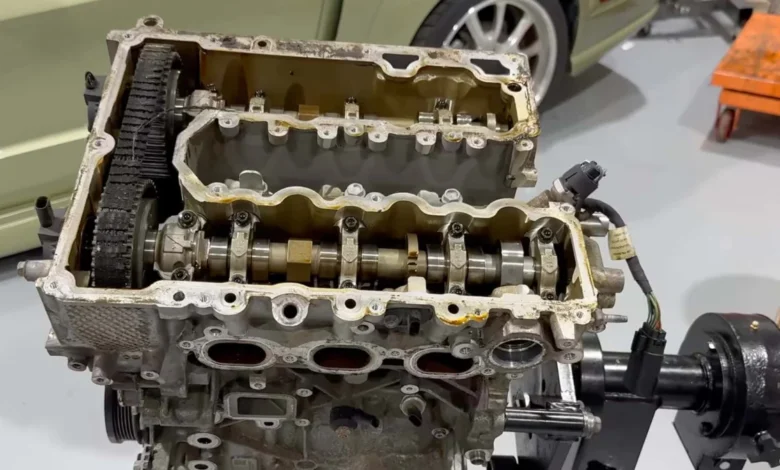
The mechanical fragility of modern downsized engines has come under renewed scrutiny following a detailed forensic teardown of a 2021 Chevrolet Trailblazer’s 1.2-liter LIH three-cylinder engine. The investigation, conducted by the automotive analysis channel I Do Cars, revealed a catastrophic failure sequence triggered by the disintegration of a "wet" timing belt. With approximately 84,000 miles on the odometer, the engine—a cornerstone of General Motors’ current compact crossover powertrain strategy—suffered a total loss of structural integrity, highlighting the potential risks associated with complex timing systems integrated into engine oiling circuits.
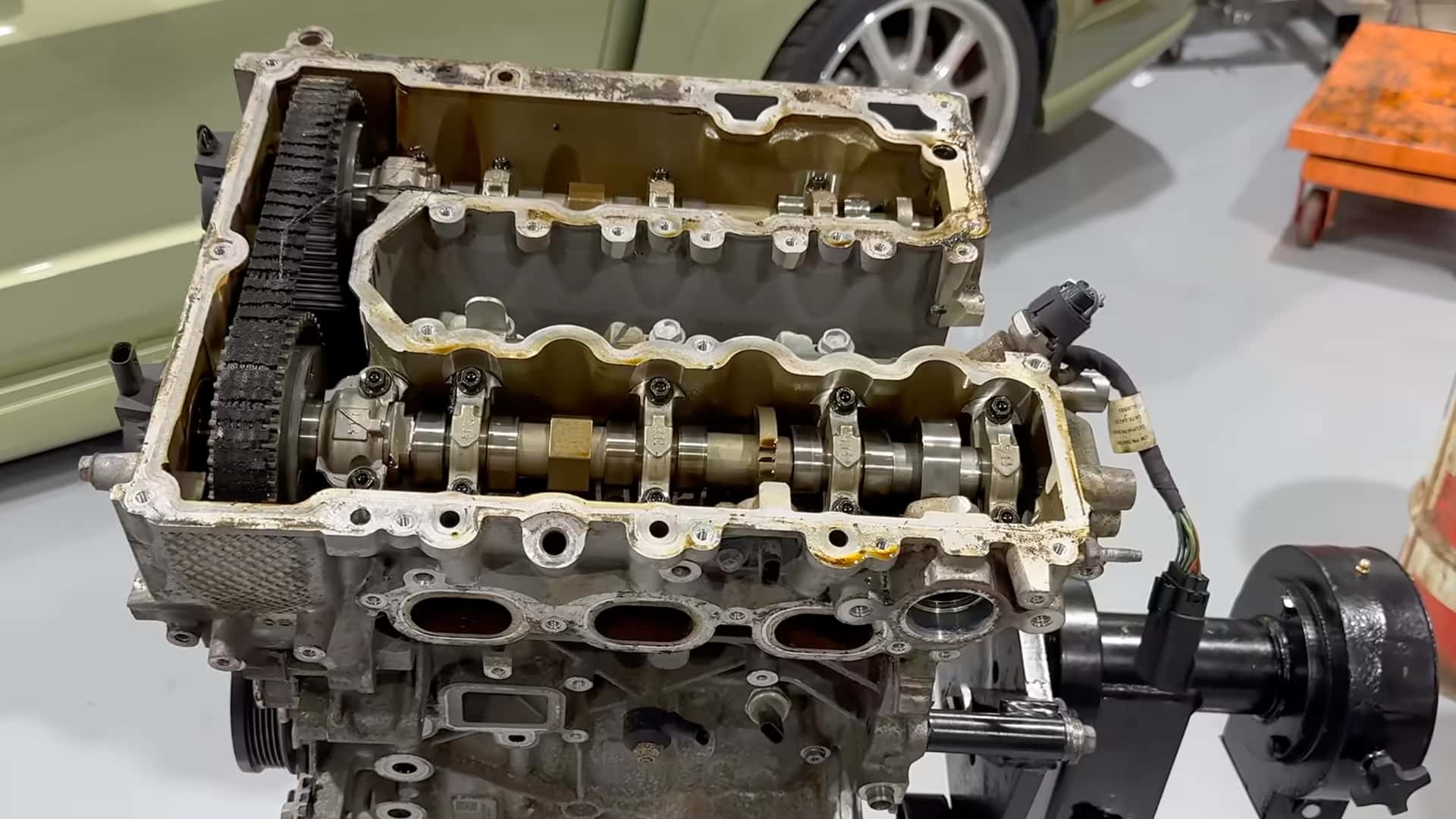
The teardown process provided an unfiltered look at the internal damage caused when a timing belt sheds material directly into an engine’s lubrication system. The findings included a shredded belt, bent valves across all three cylinders, and an oil pickup screen so heavily obstructed by synthetic belt fibers that oil pressure was effectively nullified. This specific engine architecture, the 1.2-liter LIH, is currently utilized across a broad spectrum of GM’s entry-level lineup, including the 2026 iterations of the Chevrolet Trailblazer and Trax, as well as the Buick Encore GX and the Chevrolet Envista.
The Mechanics of a Wet Timing Belt Failure
In traditional engine design, timing belts—often referred to as "dry" belts—are housed behind a sealed cover to protect them from external debris and fluids. In contrast, the "wet" belt design, also known as a Belt-in-Oil (BIO) system, is submerged within the engine’s internal environment. Proponents of this design argue that it reduces friction, lowers noise, vibration, and harshness (NVH), and allows for a more compact engine footprint. However, as the 2021 Trailblazer teardown demonstrated, the system introduces a singular point of failure that can compromise the entire engine.
When the timing belt in the LIH engine began to degrade, the synthetic fibers from the belt teeth did not simply break away into the timing cavity; they migrated into the oil pan. Because the oil pump pickup tube is designed to draw fluid from the bottom of the pan to lubricate the valvetrain and rotating assembly, the loose belt fibers were immediately ingested. This created a blockage at the oil pickup screen, effectively starving the engine of oil.
As the oil pressure dropped, the lubrication of critical components—including the camshafts and the hydraulic valve lash adjusters—was compromised. Furthermore, once the belt lost its structural integrity, the timing synchronization between the crankshaft and the camshafts was lost. The resulting "out of time" condition meant that the pistons continued their upward stroke while the valves remained in an open position, leading to direct physical contact. The teardown confirmed that all valves had been bent upon impact with the pistons, rendering the cylinder head non-functional.
Chronology and Diagnostic Findings
The vehicle, a 2021 model with 84,000 miles, arrived at the teardown bench in mid-November. Initial inspection of the valve cover revealed a chaotic internal state: several rocker arms were missing or had been displaced, and deep gouges were visible across the surfaces of both camshafts, suggesting a prolonged period of operation under insufficient oil pressure.
While the cylinder bores appeared to be in relatively good condition and the bottom-end bearings showed only moderate wear, the damage to the upper engine was terminal. The "emulsified timing belt" material found in the oil pump was identified as the primary catalyst for the failure. By the time the vehicle reached the point of total immobilization, the engine had essentially destroyed itself from the inside out.
It is worth noting that the vehicle history for this specific Trailblazer indicated multiple prior service interventions, leading to speculation that the engine may have undergone significant repair work before its final failure. However, even if this was a replacement engine, the mileage at which it failed falls well short of the manufacturer’s suggested service interval. The current owner’s manual for the 1.2-liter LIH engine lists a replacement interval for the timing belt and oil pump drive belt at 150,000 miles or 15 years. This discrepancy between the factory-recommended service interval and the real-world failure at 84,000 miles raises significant questions regarding the durability of these components under standard driving conditions.
Implications for Owners and Maintenance
For the average consumer, the results of this teardown serve as a cautionary tale regarding "lifetime" or extended-interval maintenance schedules. While automakers strive to reduce the total cost of ownership by extending service intervals, these projections often assume ideal operating conditions. Factors such as extreme heat, stop-and-go city driving, and the quality of oil used can accelerate the degradation of a wet timing belt.
Industry experts estimate that a full repair involving the replacement of a destroyed valvetrain, cleaning of the lubrication system, and addressing the timing components can range from $1,200 to $1,500, provided the engine block remains salvageable. In many cases, however, the labor-intensive nature of such a repair leads technicians to recommend a complete engine replacement, which can significantly exceed the value of a high-mileage vehicle.
Broader Context and GM’s Powertrain Strategy
The 1.2-liter turbo triple is a primary engine choice for several of GM’s most popular crossovers, which are marketed on the strength of their fuel economy and low entry price point. The Chevrolet Trailblazer, for instance, produces 137 horsepower and is paired with a continuously variable transmission (CVT). While the powertrain is designed for efficiency, it operates under significant stress to move the mass of a modern crossover, potentially contributing to higher thermal loads on the timing belt.
Public records for the 2023 model-year Trailblazer reflect a growing list of owner complaints submitted to regulatory bodies. These grievances touch upon various aspects of the vehicle, including the engine, electrical systems, and powertrain. While there are currently no major safety recalls specifically targeting the failure of the 1.2-liter LIH timing belt, the growing body of anecdotal evidence from mechanics and independent teardown specialists suggests a pattern that warrants further investigation.
General Motors is not alone in its transition to smaller, more complex engines. As the automotive industry pushes for lower emissions and higher fuel efficiency, the move toward three-cylinder engines with integrated, high-stress components has become an industry-wide trend. However, the trade-off is often a reduction in the "repairability" of the engine and a shorter life cycle for critical internal parts.
Future Outlook and Recommendations
For current owners of vehicles equipped with the 1.2-liter LIH engine, the primary takeaway is the importance of rigorous, perhaps even accelerated, maintenance. Relying on the 150,000-mile interval stated in the manual may be an optimistic approach given the potential for catastrophic failure. Proactive inspections, including oil analysis to look for synthetic debris, may provide early warning signs of belt degradation.
The broader impact of this teardown is a renewed focus on the transparency of vehicle maintenance requirements. As consumers continue to keep their vehicles for longer periods, the durability of these downsized, high-tech engines will become a defining factor in brand loyalty and residual vehicle values. If General Motors and other manufacturers wish to maintain confidence in their compact crossover offerings, addressing the longevity of these timing systems—either through improved materials or more realistic maintenance intervals—will be essential.
Ultimately, the 2021 Trailblazer teardown is a vivid reminder of the complexity hidden beneath the engine cover. It highlights the delicate balance between engineering for efficiency and engineering for durability, a balance that, in this instance, tilted toward failure. As the industry looks toward the next generation of internal combustion engines, the lessons learned from these "wet" belt failures will likely inform future design iterations, perhaps signaling a shift back toward more robust, albeit traditional, timing systems. For now, owners should remain vigilant, prioritizing oil health and mechanical health over the theoretical intervals found in the glovebox manual.