The Ultimate Guide to Renting an Airbnb in the Caribbean: Top Islands, Vetted Properties, and Essential Travel Planning Tips

The evolution of Caribbean tourism over the past decade has signaled a profound
shift in traveler preferences, moving steadily away from standardized all-inclusive resort complexes toward independent, highly personalized accommodations. While five-star hospitality brands continue to hold a vital segment of the luxury travel market, private villa rentals and boutique home-share options—particularly platforms like Airbnb—have captured a significant share of vacationers seeking immersive, flexible tropical getaways.
From the coral-stone architecture of Barbados to the pristine beach cottages of the Bahamas and the dramatic sea-view cliffside dwellings of St. Barts, the Caribbean region offers an extraordinarily diverse portfolio of architectural styles and geographical settings. This comprehensive guide examines the multifaceted landscape of Caribbean home rentals, evaluating top destinations, vetting methodologies, economic implications, and essential planning frameworks for travelers navigating the over 700 islands, cays, and reefs of the Caribbean Sea.
The Rise of Private Villa Culture in the Caribbean
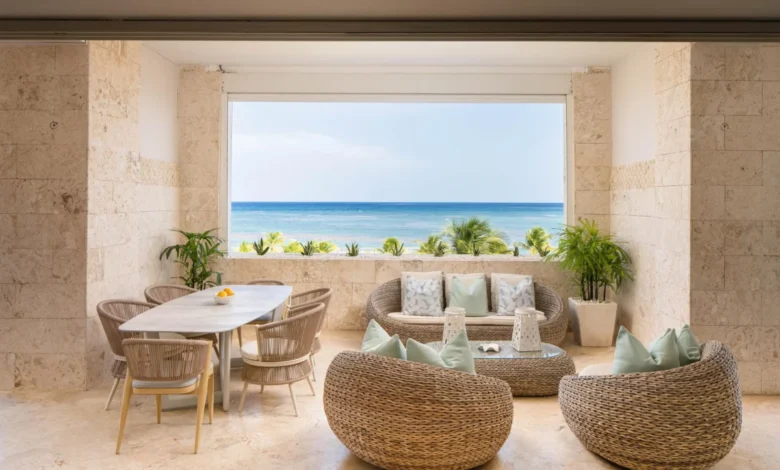
The appeal of renting a private home in the Caribbean lies primarily in the autonomy it affords. Unlike traditional hotel environments, where guests operate within scheduled dining hours and shared amenity spaces, a private villa or beach condo provides complete command over the daily itinerary. For multi-generational families, friend groups, and remote workers utilizing extended stays, these properties offer expansive living areas, private plunge pools or ocean-fed infinity pools, direct beach access, and fully equipped kitchens.
Industry data compiled across major hospitality analytics platforms indicates that demand for vacation rentals in island destinations has surged significantly compared to pre-pandemic baselines. Travelers increasingly prioritize properties that guarantee seclusion, privacy, and architectural integration with the local environment. A typical experience—such as residing in a sprawling Puerto Rican coastal villa featuring direct beach pathways and sweeping ocean views—exemplifies this trend, blending high-end domestic comforts with raw tropical geography.
Methodology for Curating Elite Caribbean Stays
Navigating the vast inventory of short-term rentals requires a rigorous vetting framework to ensure safety, reliability, and architectural or aesthetic quality. Industry experts and seasoned travel curators evaluate listings based on specific, measurable criteria:
- Superhost and Guest Favorite Status: Verified host track records, consistent response rates, and documented histories of exceptional hospitality.
- Review Metrics: Sustained high ratings across cleanliness, accuracy, check-in procedures, communication, location, and value.
- Infrastructure and Amenities: Reliable high-speed internet (increasingly critical for remote workers), robust water filtration systems, backup power generation (essential during storm seasons), and secure property perimeters.
- Location and Accessibility: Proximity to local airports, medical facilities, grocery stores, and cultural hubs, balanced against the desire for seclusion.
- Architectural and Interior Integrity: Integration of local building materials (such as coral stone or native hardwoods), thoughtful interior design reflecting regional culture, and well-maintained outdoor living spaces.
Geographic Overview: Choosing the Right Island for Your Travel Profile
With 13 sovereign nations and 17 dependent territories scattered across the Caribbean, selecting the appropriate destination is paramount. Each island group possesses a distinct cultural heritage shaped by African, European, and Indigenous influences, alongside varying topological features.
Jamaica and the Dominican Republic: Value and All-Inclusive Proximity
For travelers prioritizing cost-effectiveness and accessibility, Jamaica and the Dominican Republic remain premier choices. Both destinations host extensive inventories of budget-friendly apartments, suburban homes, and beachfront bungalows. Jamaica is particularly renowned for its robust hospitality infrastructure, family-friendly excursions, and seamless airlift connections from major North American hubs.
Barbados and Puerto Rico: Surf Culture and Culinary Diversity
Surfers, water-sports enthusiasts, and culinary tourists frequently gravitate toward Barbados and Puerto Rico. Barbados offers world-class reef breaks along its southern and eastern coasts alongside historic plantation-style architecture. Puerto Rico—a United States territory requiring no passport for U.S. citizens traveling from the mainland—delivers a unique blend of Spanish colonial history, vibrant culinary arts in San Juan, and biodiverse natural wonders like the El Yunque National Forest and the bioluminescent bays of Vieques and Culebra.
St. Lucia and Antigua: Romantic Seclusion
Couples and honeymooners often target the volcanic landscapes of St. Lucia, famous for the dramatic twin peaks of the Pitons, or the historic harbors of Antigua. These islands specialize in clifftop private villas, secluded rainforest retreats, and intimate boutique cottages designed for privacy and tranquility.
The Bahamas and Turks and Caicos: Multi-Generational Luxury
Characterized by shallow turquoise banks and powdery white-sand beaches, the Bahamas and Turks and Caicos cater heavily to family reunions and travelers seeking high-end luxury. These destinations provide calm, shallow waters ideal for young children, alongside sophisticated private estates featuring private boat docks and dedicated concierge services.
Chronology and Seasonal Planning: When to Visit the Caribbean
Timing a Caribbean vacation requires an understanding of meteorological patterns, tourist influxes, and pricing fluctuations.
- The Dry Season (December to April): This period represents the peak tourism window. Characterized by warm temperatures, low humidity, and minimal rainfall, it offers ideal conditions for outdoor exploration and beach activities. However, demand surges during these months, resulting in peak nightly rental rates, higher airfares, and crowded public spaces.
- The Shoulder Season (May, June, and November): Offering a strategic balance between favorable weather and financial value, the shoulder months attract savvy travelers. While brief tropical downpours become more frequent, visitors benefit from reduced rental rates and significantly lower density at popular tourist sites.
- The Atlantic Hurricane Season (June 1 to November 30): Statistically, the period from mid-August to late October presents the highest risk of tropical storm activity. While severe hurricanes do not impact every island equally, travelers booking during these months are strongly advised to secure comprehensive travel insurance that explicitly covers weather-related cancellations and interruptions.
Economic and Community Implications of Short-Term Rentals
The rapid expansion of the short-term rental market across the Caribbean has introduced complex economic dynamics for local communities, municipal governments, and regional tourism boards.
On one hand, platforms like Airbnb empower local homeowners, independent entrepreneurs, and small-scale property managers to generate direct income, reducing reliance on massive, foreign-owned resort conglomerates. Revenue generated from short-term rentals frequently trickles down to local taxi drivers, tour guides, restaurants, and maintenance contractors, stimulating grassroots economic development.
Conversely, high concentrations of vacation rentals in specific neighborhoods have raised concerns regarding long-term housing affordability for local residents, shifts in community character, and strain on municipal infrastructure—particularly waste management and water supply systems. In response, several island governments have implemented stricter regulatory frameworks, registration requirements, and tourism accommodation taxes to balance the economic benefits of home-sharing with community preservation.
Frequently Asked Questions
How many countries are in the Caribbean?
The Caribbean is a diverse region made up of over 700 islands, islets, reefs, and cays. In total, there are 13 sovereign nations and 17 dependent territories spread across the Caribbean Sea. Independent countries include Jamaica, the Bahamas, Barbados, St. Lucia, and Trinidad and Tobago. Dependent territories include Puerto Rico (United States), Martinique (France), and the Cayman Islands (United Kingdom).
What is the best island to visit in the Caribbean?
There is no single "best" island, as experiences vary widely by traveler preference. Families frequently select Jamaica or the Bahamas for ease of travel and child-friendly amenities. Surfers favor Barbados and Puerto Rico. Couples seeking romance often choose St. Lucia or Antigua, while multi-generational groups frequently gravitate toward Turks and Caicos for luxury estates and calm waters.
When is the best time to travel to the Caribbean?
The optimal weather window spans from December to April during the dry season, featuring warm temperatures and low humidity. Travelers seeking lower costs and fewer crowds often choose the shoulder months of May, June, and November.
Which islands in the Caribbean are the most affordable?
Jamaica and the Dominican Republic generally offer the widest selection of budget-friendly rentals. However, specific neighborhood choices, travel seasons, and proximity to prime beachfronts significantly influence overall trip costs.
Are there any islands in the Caribbean you can visit from the US without a passport?
Yes. U.S. citizens traveling directly from the mainland can visit Puerto Rico and the U.S. Virgin Islands (including St. Thomas, St. John, and St. Croix, as well as Puerto Rico’s offshore islands of Vieques and Culebra) without a passport.