The Evolution of Global Connectivity: Analyzing the Shift from Traditional Roaming to Subscription-Based eSIM Plans

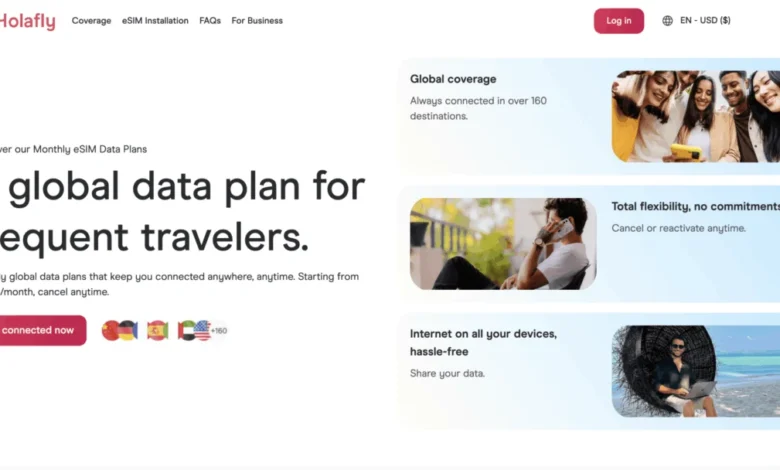
The telecommunications landscape for international travelers is undergoing a significant transformation, marked by a decisive pivot away from traditional carrier roaming services toward sophisticated, software-based eSIM (embedded Subscriber Identity Module) solutions. As global mobility increases, the demand for seamless, cost-effective, and flexible connectivity has led to the emergence of subscription-based models, such as the recently launched Holafly Plans. This shift reflects a broader technological trend: the replacement of physical hardware dependency with agile, cloud-integrated digital services.
The Technological Context of eSIM Integration
An eSIM is a digital version of the traditional physical SIM card, embedded directly into a smartphone’s motherboard. By transitioning from a physical chip to a software-based profile, users are no longer tethered to a specific carrier’s hardware. This advancement allows a single device to host multiple network profiles simultaneously, enabling users to switch between a domestic provider and an international roaming service with a simple software command.
The global eSIM market has experienced exponential growth, with industry analysts projecting a compound annual growth rate (CAGR) exceeding 20% over the next five years. This surge is driven by the increasing prevalence of eSIM-capable devices from major manufacturers like Apple, Samsung, and Google, as well as the rising number of digital nomads and frequent international travelers seeking to bypass the exorbitant fees associated with legacy mobile carrier roaming passes.
Chronology of Market Developments
For decades, international connectivity was synonymous with "roaming," a practice where a subscriber’s home carrier enters into bilateral agreements with foreign networks to provide service. This system has historically been characterized by high costs, often reaching $10 to $15 per day for limited data usage.

In the mid-2010s, the market saw the entry of "pay-as-you-go" eSIM providers. These companies allowed users to purchase data buckets for specific countries or regions. While this solved the issue of exorbitant roaming fees, it introduced a new "hassle factor": the need to manually purchase, download, and install a new digital profile for every border crossing.
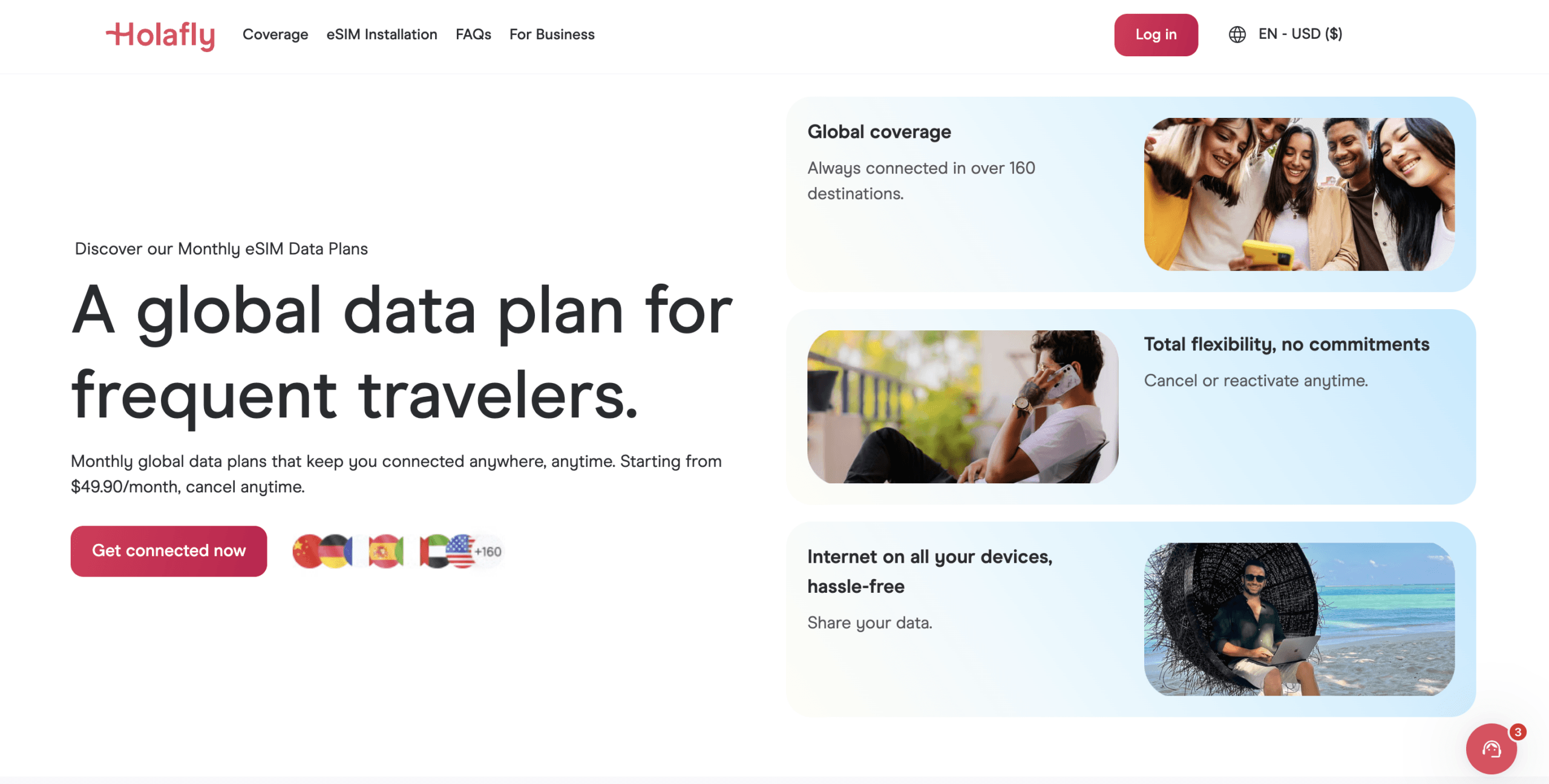
The current phase, represented by the launch of subscription-based global plans like those from Holafly, addresses the fragmentation of the previous model. By consolidating 160+ destinations into a single, recurring subscription, these providers have effectively transitioned international connectivity into a utility-like service, similar to a monthly streaming or cloud storage subscription.
Comparative Analysis of Connectivity Models
The financial and operational differences between legacy roaming, single-trip eSIMs, and modern subscription plans are substantial. A standard US-based mobile carrier, for instance, may charge upwards of $100 per month for international data plans that are frequently subject to speed throttling or strict data caps. Conversely, new subscription-based eSIM models, such as the Holafly Unlimited tier, offer uncapped data for approximately $55 to $65 per month.
Data from industry benchmarks suggests that for a traveler visiting three or more countries within a single month, the cost savings of a unified subscription plan over individual, country-specific eSIMs can reach between 30% and 50%. Beyond the financial impact, the operational efficiency of a "set-and-forget" model removes the risk of service interruption, which remains a primary concern for business travelers and remote workers who rely on stable internet for professional activities.
The Role of Value-Added Services in Connectivity
A notable development in this sector is the integration of auxiliary services into connectivity packages. The introduction of the "Ultra" tier, which bundles unlimited data with travel support services—such as assistance with lost luggage or access to medical-related travel inquiries—marks an attempt to move the eSIM provider from a pure connectivity vendor to a comprehensive travel companion.
While these bundled services do not replace comprehensive travel insurance policies, they address the "micro-frictions" of international travel. For instance, the provision of a local phone number in select countries (US, UK, or Canada) allows users to maintain critical services like two-factor authentication for banking or ride-sharing apps, which often require a local number for verification.
Broader Implications for Global Mobility
The rise of global eSIM subscriptions has profound implications for the telecommunications industry. Major carriers are facing pressure to re-evaluate their international roaming structures, which have historically been a significant revenue stream. As consumers become more tech-savvy and aware of alternatives, the barrier to switching carriers—or opting for a third-party eSIM provider—has reached an all-time low.
Furthermore, the "Always On" feature, which provides a baseline of backup data even after a subscription is canceled, signals a new standard in consumer retention. By offering a residual benefit, companies are fostering brand loyalty while simultaneously ensuring that the user’s device remains connected in emergency situations.
Operational Challenges and Considerations
Despite the advancements, consumers must navigate specific technical requirements. A device must be "unlocked" by the original carrier to accept a third-party eSIM. While most modern smartphones are sold as "carrier-unlocked" in many regions, users in markets with strict contract subsidies may find their devices restricted.
Moreover, the quality of service remains dependent on the underlying network partners in each of the 160+ destinations. While global providers optimize their connectivity through high-quality network partnerships, performance can still vary based on local infrastructure. Therefore, the value proposition of these plans lies not just in the data allowance, but in the reliability of the network roaming agreements secured by the provider.
Future Outlook
The trajectory of the eSIM market suggests a move toward complete virtualization of the mobile experience. As satellite connectivity (Direct-to-Cell) begins to integrate with mobile standards, the traditional concept of "borders" in mobile telecommunications will likely continue to dissolve.
For the digital nomad or the high-frequency traveler, the shift toward subscription-based connectivity represents a maturation of the market. The days of hunting for physical SIM cards at kiosks in foreign airports, or paying premiums to home carriers for intermittent service, are rapidly coming to a close. Instead, the focus has shifted to centralized, automated, and high-performance solutions that treat global internet access as a foundational requirement of the modern travel experience.
As competition in this space intensifies, consumers can expect further downward pressure on pricing and a greater emphasis on integrated service ecosystems. The current evolution of global eSIM plans is not merely a convenience update; it is a fundamental reconfiguration of how individuals interact with telecommunications services on a global scale. Travelers are now empowered to maintain a consistent digital identity across borders, ensuring that whether they are in a remote mountain range or a bustling metropolitan center, their connectivity remains as mobile as they are.