Beyond the Tourist Trail: The Structural Shift Toward Immersive International Work and Volunteering

For decades, the standard paradigm of international travel has remained largely extractive: travelers arrive at a destination, visit pre-ordained landmarks, patronize tourist-centric establishments, and depart after a short window of time. This model of passive tourism often limits the depth of cultural exchange, leaving travelers with superficial snapshots rather than genuine integration. However, a significant shift is currently underway in the global travel industry, characterized by a transition from short-term tourism to long-term, embedded experiences such as working holidays and structured volunteer placements. This transformation is being facilitated by specialized organizations that provide the logistical scaffolding—visa guidance, job placement, and pre-departure vetting—necessary to turn extended international stays into a viable reality for a broader demographic.
The Evolution of the Modern Traveler
The term "digital nomad" has dominated the discourse on long-term travel for the past decade, promoting the idea of working remotely while maintaining a transient lifestyle. While this model has gained significant traction, it requires a specific set of prerequisites: a career compatible with remote work, a stable income, and a high level of professional autonomy. Data suggests that this lifestyle remains inaccessible to a vast majority of younger travelers and those in the early stages of their careers.
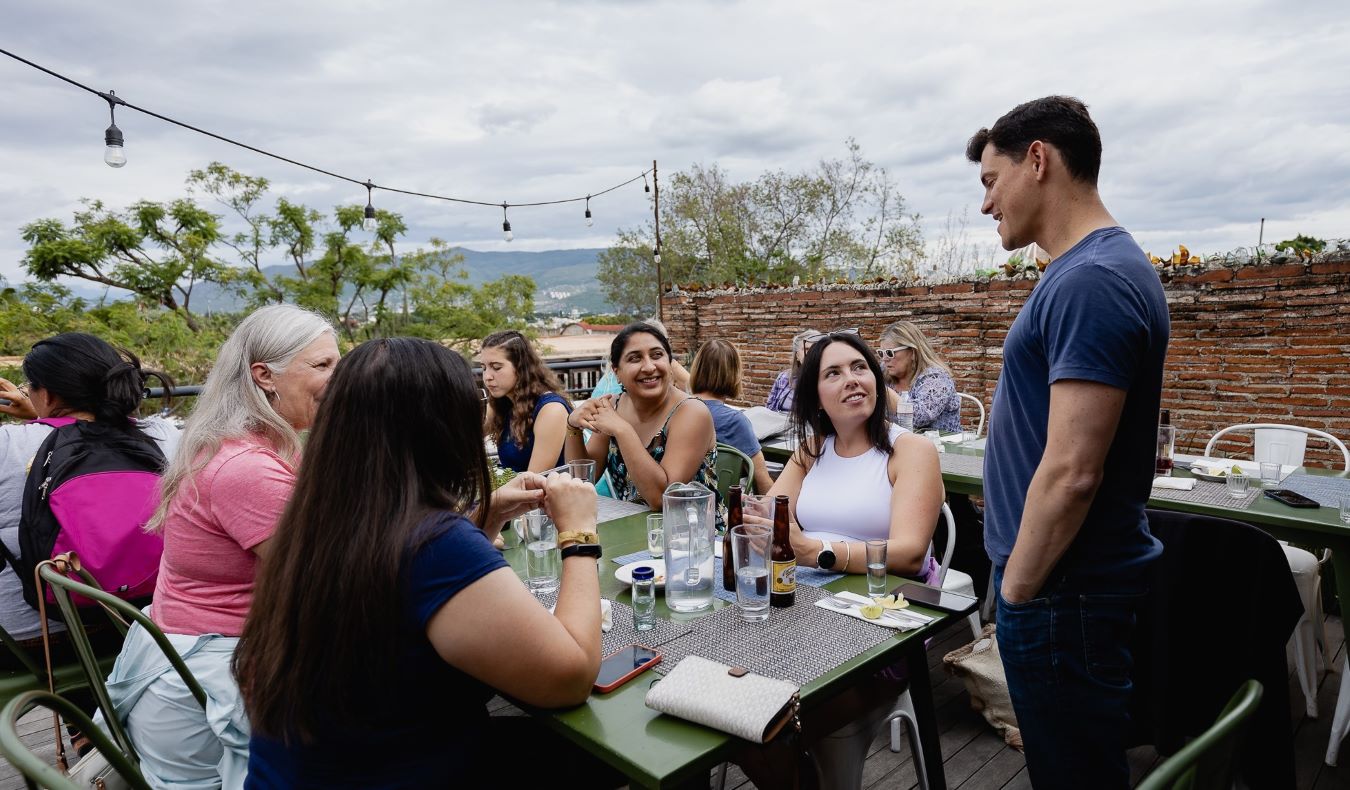
In response, the concept of the "working holiday" has emerged as a more accessible alternative. Unlike the digital nomad model, which focuses on maintaining a domestic professional life while abroad, working holidays involve active participation in the local labor market. By securing employment upon arrival, individuals are forced to integrate into local economies, adhere to regional work schedules, and engage with community members in a professional capacity. This structure provides a grounded, immersive experience that fosters long-term relationships and a more nuanced understanding of local culture.
A Chronology of the Rise of Structured Global Mobility
The infrastructure for working abroad has matured significantly over the last twenty years. Historically, individuals seeking to work or volunteer internationally faced a fragmented landscape characterized by opaque visa requirements, unreliable job boards, and a lack of professional oversight.
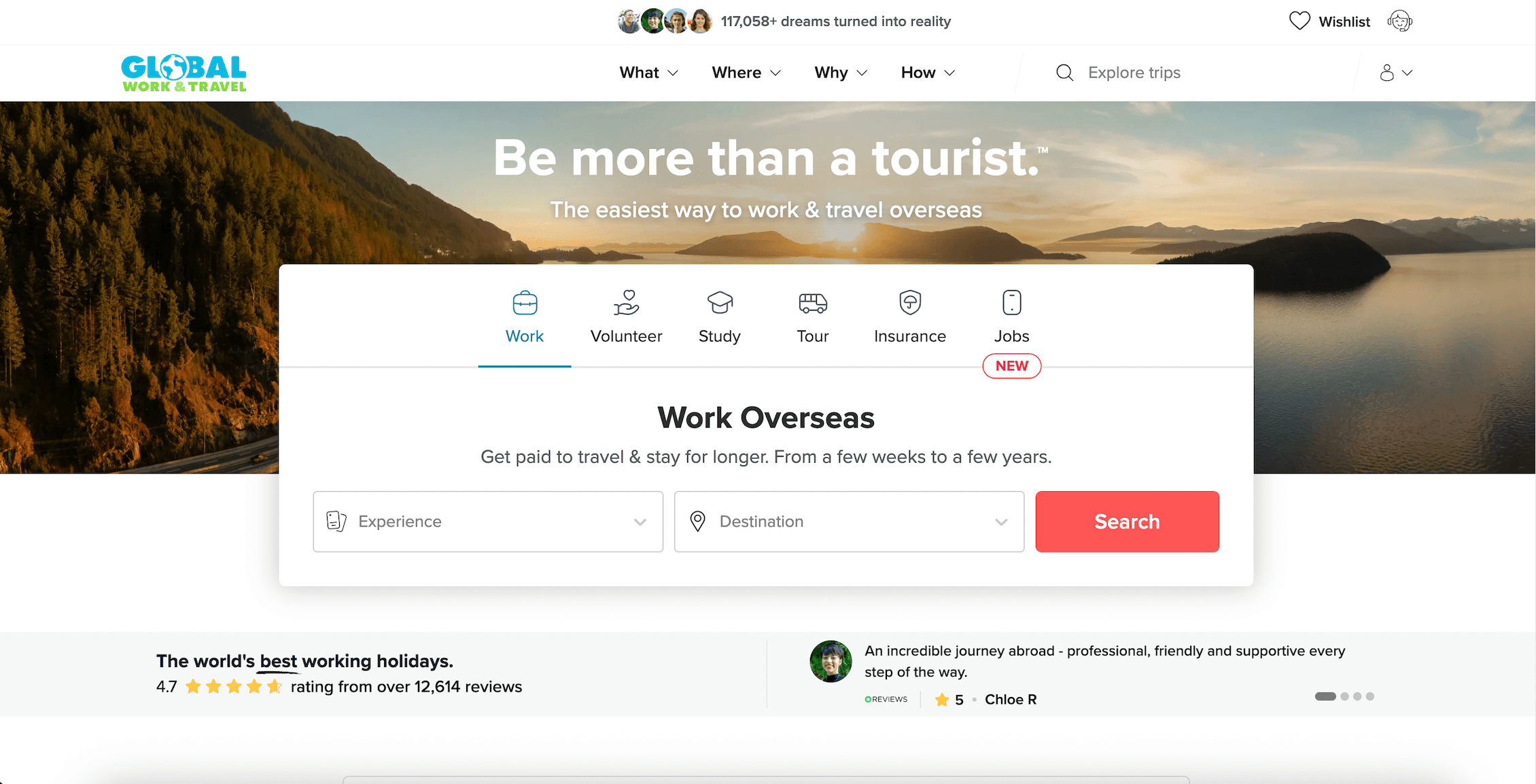
In the early 2000s, the market for "gap year" programs began to consolidate. Companies such as Global Work & Travel emerged to bridge the gap between aspirational travelers and the bureaucratic hurdles of international relocation. Over the past two decades, this sector has scaled, with major providers now assisting over 100,000 participants. The integration of centralized digital platforms—such as proprietary trip management apps—has further streamlined the process, allowing for real-time tracking of visa applications, accommodation bookings, and job placements. This evolution has effectively moved the "working abroad" experience from a niche activity for those with extensive resources to a structured, accessible path for students, professionals, and career-switchers alike.
The Economic and Social Impact of Ethical Volunteering
Volunteering abroad has faced increased scrutiny in recent years due to the prevalence of "voluntourism," where profit-driven organizations prioritize the traveler’s experience over the actual needs of the host community. To counter this, industry leaders have moved toward a model of rigorous vetting and partnerships with local stakeholders.
The current standard for ethical volunteering involves projects that are defined and led by the host communities themselves. Areas of focus now include:
- Wildlife Conservation: Efforts centered on habitat restoration and animal rehabilitation in regions such as South Africa and Thailand.
- Community Development: Infrastructure and educational support projects in developing regions, including Tanzania and parts of Southeast Asia.
- Healthcare Support: Providing auxiliary assistance in rural clinics, provided the volunteer possesses the relevant certifications or training.
Industry analysis indicates that when these programs are structured correctly, the impact is two-fold: the community receives necessary resources and labor, and the volunteer gains a deeper, longitudinal understanding of the local environment and its systemic challenges. The establishment of dedicated welfare funds—where a portion of program fees is funneled directly into local conservation or community initiatives—further ensures that the financial model supports the project’s longevity.
Analyzing the Logistics of Long-Term Mobility
Transitioning to life in a foreign country involves complex logistical hurdles, including employment law compliance, housing acquisition, and navigating foreign taxation. For the average traveler, these barriers often result in "analysis paralysis," where the difficulty of the process prevents the trip from occurring at all.
Modern service providers address these challenges through a comprehensive support model:
- Job Matching: Pre-vetted placements that ensure the participant meets the legal requirements for work in the destination country.
- Visa Guidance: Navigating the complex, and often shifting, requirements for working holiday visas, which frequently have age caps (typically up to 35) and specific quota systems.
- Pre-Departure Support: Cultural orientation and language resources that mitigate the "shock" of relocation.
- Ongoing Assistance: A safety net that provides a point of contact should the traveler face legal, medical, or employment-related issues while abroad.
This infrastructure is not merely a convenience; it acts as a risk-management tool. By providing a structured framework, these companies ensure that travelers are not left vulnerable in foreign legal systems or housing markets.
Future Implications for the Travel Industry
The rise of structured working holidays and volunteer programs signals a permanent shift in how people conceptualize "time off." The traditional two-week vacation is increasingly being viewed as insufficient for achieving the cultural immersion that modern travelers seek.
From an economic perspective, this shift is likely to benefit host countries by providing a steady stream of motivated, semi-permanent labor. Unlike standard tourists who primarily consume services, working holiday makers contribute to the local tax base, fill labor shortages in the service and hospitality sectors, and foster a more profound cross-cultural dialogue.
Furthermore, the professional benefits for the traveler are significant. International experience is increasingly valued in the modern labor market, and the ability to navigate a foreign work culture demonstrates high levels of adaptability and resilience. Consequently, these programs are no longer viewed solely as "leisure" activities but as legitimate forms of professional and personal development.
Conclusion: A New Standard for Global Engagement
The transition toward more immersive travel is reflective of a broader desire for authenticity. As technology continues to bridge the physical gaps between nations, the demand for programs that facilitate genuine integration will likely grow. While the logistical complexities of working abroad remain, the emergence of structured, professionalized support systems has democratized access to these experiences.
For the prospective traveler, the decision to pursue a working holiday or a vetted volunteer placement represents a move away from the superficiality of traditional tourism. By choosing to stay, work, and contribute, individuals are participating in a model of travel that is more sustainable for the host community and more transformative for the individual. As this trend matures, it is expected that the distinction between "tourist" and "resident" will continue to blur, ushering in a new era of global mobility defined by engagement, professional growth, and sustained cultural exchange. Whether through animal conservation in South Africa or professional internships in Europe, the path forward for global travel is one that prizes depth of experience over the breadth of landmarks visited.