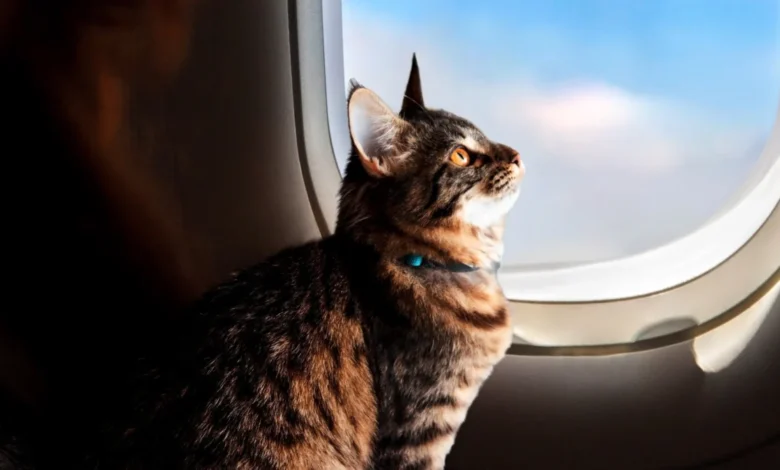
Incidents involving unexpected animal behavior in commercial aviation settings have long captured public interest, occasionally introducing unexpected variables into tightly managed flight schedules. While passenger compliance and strict containment protocols remain foundational to modern commercial air travel, biological unpredictability sometimes intervenes. A recent occurrence aboard a scheduled commercial flight highlights how the brief escape of a domestic animal can momentarily alter airport operations before standard safety and security procedures are successfully restored by owners and flight crews.
Main Facts of the Incident
The event took place aboard Delta Air Lines Flight 2706, a regularly scheduled domestic service traveling from Boston Logan International Airport (BOS) to Tampa International Airport (TPA). Shortly after initial boarding procedures were completed and as the aircraft was actively taxiing toward the departure runway at approximately 7:00 a.m., an unforeseen disruption occurred within the main passenger cabin.
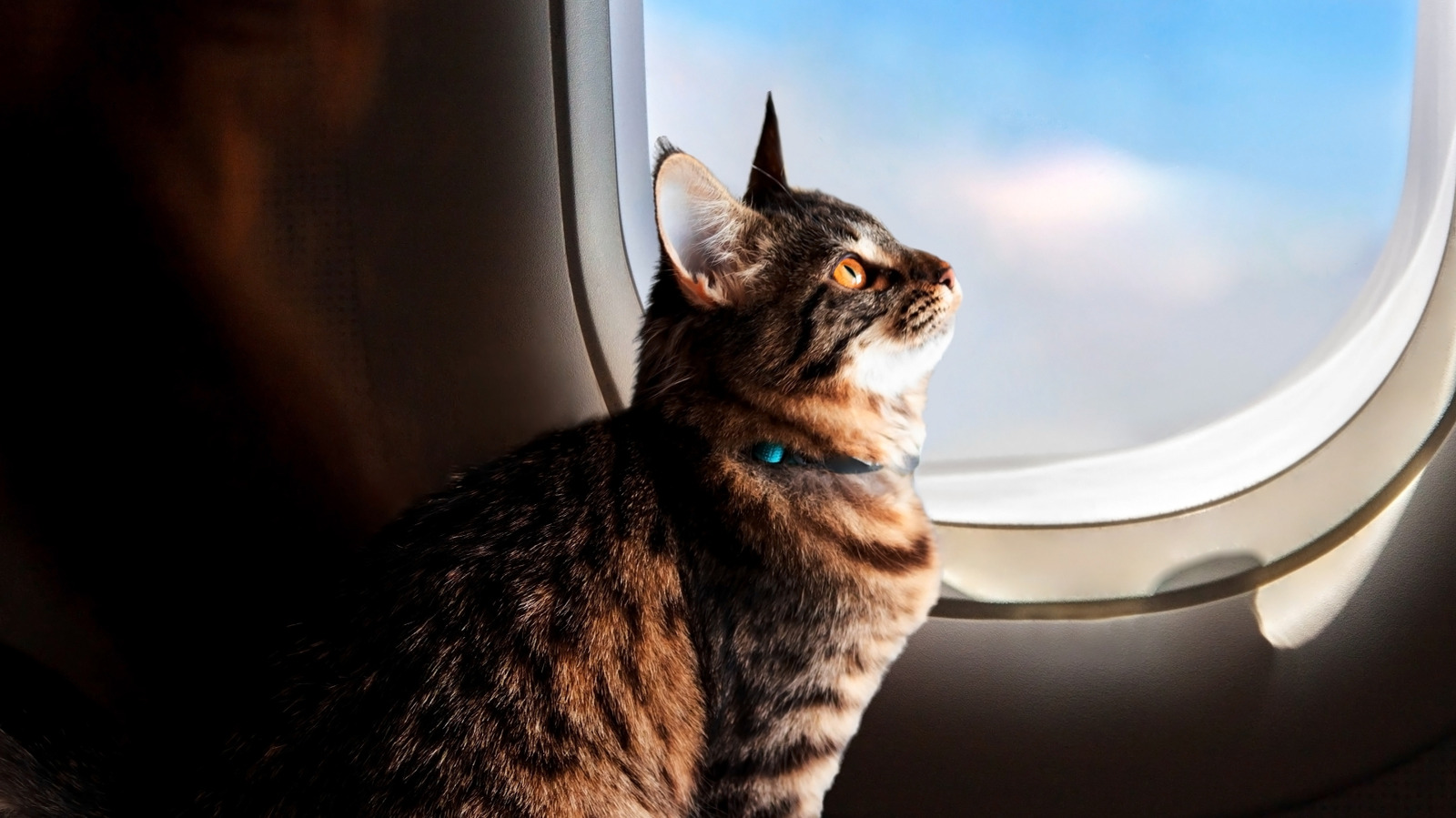
A feline passenger managed to breach its carrier, escaping into the open cabin space. The unexpected presence of a loose animal inside the confined environment of a commercial airliner required immediate intervention. In accordance with standard aviation safety protocols regarding unsecured cabin hazards, the flight crew halted the taxiing aircraft to assess and resolve the situation before proceeding toward takeoff.
The animal’s unauthorized excursion was short-lived. Promptly retrieved by its owner within approximately one minute of the breakout, the cat was safely secured back inside its kennel transport. Despite the initial alarm and the operational pause, the flight resumed its departure sequence without further incident, ultimately arriving safely at its destination in Tampa, Florida, on schedule.
Chronology of Events
The timeline of Flight 2706 unfolded rapidly during the early morning hours, illustrating the efficient communication loop required between flight deck personnel and ground infrastructure:
- Pre-Departure Boarding: Passengers, including the feline traveler and its owner, boarded Delta Flight 2706 at Boston Logan International Airport. The pet was initially placed in its approved under-seat carrier.
- 06:55 a.m. – 07:00 a.m.: The aircraft pushed back from the gate and began taxiing toward the active runway, preparing for departure.
- 7:00 a.m.: The cat successfully breached the enclosure, emerging into the passenger cabin and prompting immediate concern from nearby passengers and the pet’s owner.
- Immediate Response: The flight deck was notified of the loose animal. Recognizing a potential obstruction or distraction in the cabin, the captain brought the aircraft to a complete halt on the taxiway.
- Recapture: The owner successfully captured the cat and returned it to its secure kennel within roughly 60 seconds of the initial escape.
- Resumption of Flight: Flight attendants confirmed cabin security to the cockpit, and the pilot communicated with air traffic control.
- Arrival: The aircraft completed its flight to Tampa International Airport, landing without delays or further complications.
Air Traffic Control and Flight Deck Communications
The operational reality of managing unexpected cabin disturbances often highlights the calm professionalism maintained by aviation professionals. During the brief halt of Delta Flight 2706, the captain contacted the local air traffic control (ATC) tower to provide a factual update regarding the unexpected delay on the taxiway.
Transcripts and audio logs from the communication reveal a concise exchange between the flight deck and the controller on duty. The pilot transmitted a straightforward explanation, stating, "We had a cat loose in the cabin." Acknowledging the unusual nature of the delay in a routine taxi queue, the air traffic controller responded with professional levity, remarking, "That is a new one… Have a good day, meow."
While lighthearted in delivery, the interaction underscores the routine adaptability required by air traffic controllers when unexpected logistical hurdles temporarily halt ground movements at major international aviation hubs.
Airline Policies Regarding Pets in Passenger Cabins
Major commercial carriers, including Delta Air Lines, maintain rigorous policies concerning the transportation of live animals in passenger cabins. These regulations are designed to balance animal welfare with the comfort, safety, and hygiene of all travelers onboard.
According to Delta’s established guidelines, small dogs, cats, and household birds are permitted to travel in the cabin under specific conditions. The primary requirement mandates that the animal must remain inside an approved, ventilated pet carrier at all times during the journey. Furthermore, the carrier must be small enough to fit completely underneath the seat directly in front of the passenger.
Airlines strictly enforce that pets are not allowed to be removed from their kennels while inside the terminal (unless undergoing security screening) or during any phase of the flight, including boarding, taxiing, in-flight operations, and deplaning. Failure to maintain proper containment can result in warnings, future travel restrictions for the animal, or potential compliance issues under federal transportation guidelines. The swift containment of the feline on Flight 2706 prevented any policy enforcement escalations, allowing the journey to continue smoothly.
Broader Impact and Aviation Implications
Incidents involving loose domestic animals in commercial cabins are relatively rare due to the strict design standards of modern pet carriers. However, when such breaches do occur, they serve as valuable reminders of the unpredictability inherent in passenger travel.
Aviation safety analysts note that while a loose cat does not pose a direct mechanical threat to an aircraft’s flight control systems, any unsecured object or moving animal in the cabin presents a potential distraction to flight attendants and passengers during critical phases of flight, such as takeoff and landing. The Federal Aviation Administration (FAA) and commercial airlines emphasize that maintaining situational awareness and strict adherence to cabin security rules are essential responsibilities for every traveler.
For the passengers aboard Flight 2706, the brief delay offered an unexpected moment of levity during an otherwise standard morning commute. The cat’s brief taste of freedom concluded safely, resulting in no injuries, no structural or mechanical delays to the aircraft’s schedule, and a timely arrival in Florida. As commercial aviation continues to accommodate millions of animal passengers annually, adherence to carrier containment rules remains the primary defense against unexpected cabin wildlife expeditions.