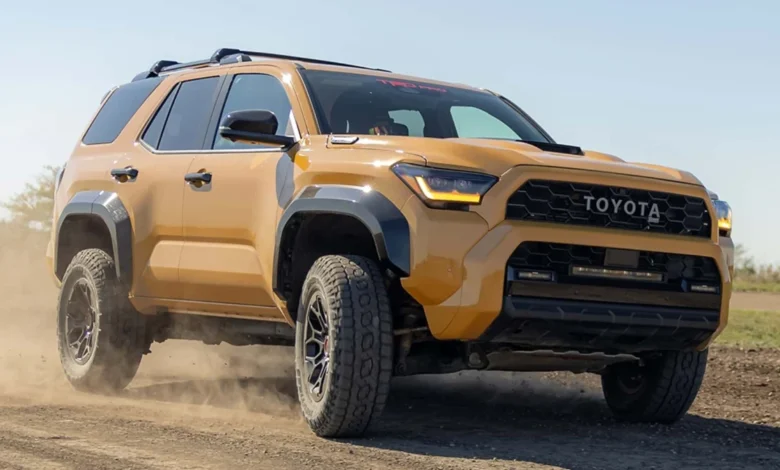
As Toyota pivots its SUV strategy, the 2027 4Runner represents a crucial bridge between legacy off-road capability and modern, technology-focused comfort. While the price increase across the board may initially draw scrutiny from budget-conscious consumers, Toyota’s strategy appears rooted in a "value-add" approach, ensuring that every trim level offers a tangible increase in utility or comfort to justify the higher cost of entry.
Chronology of the 4Runner Pricing Adjustment
The announcement regarding the 2027 model year pricing arrives during a period of intense competition in the midsize SUV segment. Over the past several years, the 4Runner has remained one of Toyota’s most resilient products, maintaining high residual values despite a design cycle that lasted well over a decade before the recent platform overhaul.
For the 2027 model year, the manufacturer has implemented a tiered pricing strategy. While the base SR5 saw the most significant dollar-amount increase, the mid-range and high-end trims experienced more modest adjustments. This follows a historical pattern for Toyota, which typically adjusts pricing in the fall as new production runs hit dealership lots. According to company sources, order books for the 2027 models are open effective immediately, with the first deliveries scheduled to reach domestic dealerships by the end of the current calendar year.
Breakdown of the 2027 Pricing Structure
The $45,085 starting price for the 2027 SR5 is comprised of a $43,490 MSRP plus a mandatory $1,595 destination charge. This figure represents the absolute entry point for the nameplate, signaling that the barrier to entry for a new 4Runner has effectively shifted.
However, Toyota is quick to point out that this cost includes a significant upgrade: heated, eight-way power-adjustable front seats are now standard. Previously, these features were sequestered behind higher trim levels or expensive option packages. By standardizing these amenities, Toyota aims to position the base model as a more premium offering, aligning it more closely with the expectations of modern buyers who demand luxury-adjacent features even in entry-level trims.
The TRD Sport and TRD Off-Road trims, which also received the eight-way power seat upgrade, saw a more moderate price increase of $870. The broader 4Runner range, including various other configurations, saw adjustments in the neighborhood of $200. This tiered approach suggests that Toyota is attempting to insulate its more expensive, high-margin models from the sharpest price hikes while focusing the steepest increases on the volume-driving base models where the added standard equipment is most likely to be noticed by shoppers.
Technical Specifications and Standard Safety
Under the hood, the 2027 4Runner continues to utilize the robust 2.4-liter turbocharged four-cylinder engine. This powertrain delivers 278 horsepower, which is routed through an eight-speed automatic transmission. The consistency of this mechanical foundation across the primary trims provides a standardized ownership experience, regardless of whether the buyer chooses the base SR5 or a higher-spec variant.
Furthermore, Toyota has maintained its commitment to standard safety protocols. The Toyota Safety Sense 3.0 suite is included on every 2027 4Runner. This package includes a comprehensive array of driver-assistance features, such as pre-collision systems with pedestrian detection, lane departure alerts, and adaptive cruise control. By keeping these systems standard, Toyota avoids the "à la carte" pricing model that some competitors employ, ensuring that all 4Runner owners benefit from the latest active safety technology.
The Hybrid Premium and Performance Tiers
For those seeking more power, the hybrid powertrain remains the performance flagship. The hybrid Platinum trim, which features the i-FORCE MAX hybrid system, pairs the 2.4-liter engine with an electric motor to generate a combined 326 horsepower. This trim saw a relatively modest price increase of $490, keeping its entry point at approximately $55,945.
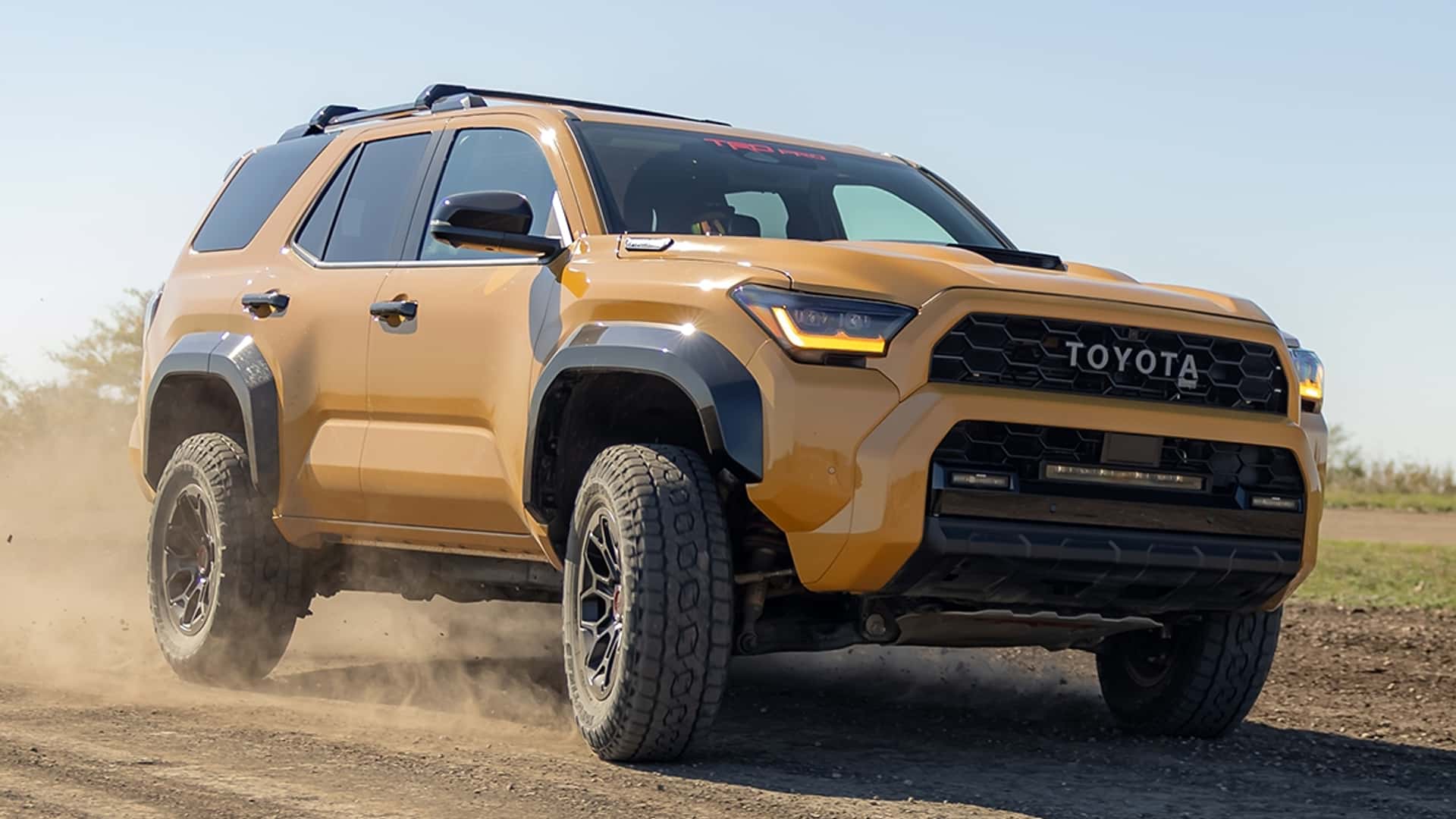
The disparity between the base SR5 and the hybrid Platinum—a gap of roughly $10,000—highlights the premium consumers pay for electrified performance and advanced luxury features. The Platinum trim distinguishes itself further for 2027 with the addition of puddle lamps that project the 4Runner logo onto the ground, a subtle aesthetic flourish that emphasizes the vehicle’s status as a top-tier trim.
Additional cosmetic updates include the "Hot Honey" paint option for the TRD Pro, available for an extra $695, and the inclusion of red tow hooks, which have become a signature visual marker for the brand’s most capable off-road variants. Furthermore, the company has officially renamed its "Black" exterior color to "Inked," a branding change that underscores the company’s desire to keep the product line feeling fresh, even if the change is purely nominal.
Market Implications and Competitive Positioning
The decision to raise prices during a period of market stabilization suggests that Toyota is confident in the 4Runner’s brand equity. Despite the rise in MSRP, the 4Runner occupies a unique space in the automotive landscape. It is widely regarded as one of the most reliable and capable off-road vehicles available, and its ability to hold value over time often offsets the higher initial purchase price when compared to competitors from Ford, Jeep, or Nissan.
Industry analysts observe that Toyota’s pricing strategy is largely defensive. As the cost of raw materials—specifically steel, aluminum, and battery minerals—has remained elevated, manufacturers have been forced to choose between reducing margins or raising prices. By adding standard features like heated seats, Toyota has attempted to reframe the price hike as a value enhancement rather than a simple inflationary pass-through.
When comparing the 2027 4Runner to other vehicles in the Toyota stable, such as the recently repriced 2027 Camry, it becomes clear that the manufacturer is systematically adjusting its entire portfolio. Potential buyers are encouraged to evaluate the cost-to-benefit ratio of the 4Runner’s new standard features against their specific driving needs. For many, the inclusion of power-adjustable, heated seats is a significant convenience that justifies the $1,220 increase, especially in colder climates where such features are considered essential.
Broader Context of the Off-Road Segment
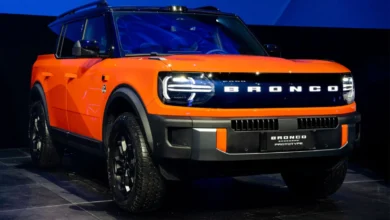
The midsize SUV segment has seen a significant influx of new entrants, ranging from the rugged Ford Bronco to the revived Toyota Land Cruiser. The 4Runner must navigate this crowded field by balancing its reputation for "bulletproof" reliability with the modern creature comforts that customers now expect.
The 2027 model year marks a continuation of the 4Runner’s transition into a more sophisticated vehicle. While the exterior aesthetics remain undeniably "4Runner," the integration of turbocharged power, hybrid efficiency, and comprehensive safety suites demonstrates that Toyota is not resting on its laurels. The price adjustments, while not insignificant, are consistent with the broader shift toward higher vehicle prices across the entire industry.
As dealerships prepare to receive the 2027 inventory, the focus will likely shift to how these units are equipped. With the base SR5 now carrying a heavier list of standard equipment, it is likely that the "entry-level" experience will feel more premium than in previous generations. This strategy helps Toyota maintain its brand prestige while acknowledging the economic realities of modern vehicle manufacturing.
Conclusion
The 2027 Toyota 4Runner pricing update is a measured move by the manufacturer to keep the model competitive in an evolving marketplace. By standardizing high-demand features like heated, power-adjustable front seats, Toyota has mitigated the perception of a simple price hike, offering buyers tangible benefits for their increased investment. As the automotive sector faces continued challenges regarding supply chains and inflation, the 2027 4Runner remains a benchmark for the midsize SUV segment, providing a blend of off-road prowess, modern safety technology, and, with the latest update, a higher level of standard comfort. Buyers looking to secure a 2027 model should contact their local dealerships, as the influx of these vehicles is expected to be steady as production ramps up toward the end of the year. Whether for the daily commute or the weekend trail, the 2027 4Runner enters the market as a refined, albeit more expensive, evolution of a legendary nameplate.