The resurgence of floor-based seating in contemporary interior design represents a significant shift in how residential spaces are utilized, reflecting a broader movement toward flexible, multi-functional, and informal living environments. Historically rooted in Eastern traditions—most notably the Japanese practice of sitting on tatami mats and the use of zabuton cushions—this design trend has migrated into Western homes as a direct response to the limitations of traditional furniture in smaller square footage and the increasing desire for casual, "hygge"-inspired gathering spaces.

Market analysts observe that the growing popularity of floor cushions is inextricably linked to the post-2020 shift in home usage. As remote work and home-based leisure activities became the norm, the demand for modular furniture that can be easily stowed or reconfigured has spiked. According to recent home decor retail data, the category for "floor seating and poufs" has seen a sustained growth of approximately 15% year-over-year since 2021, as consumers seek ways to maximize floor space in urban apartments while maintaining a high aesthetic standard.
The Historical and Cultural Context of Floor Seating
The transition of the floor cushion from a strictly functional, culturally specific item to a mainstream home decor staple is a study in global design fusion. In Japanese culture, the act of sitting on the floor is not merely a matter of convenience; it is a fundamental aspect of the "Seiza" lifestyle, which emphasizes mindfulness, discipline, and a direct connection to the living space. These traditional cushions were designed to provide ergonomic support during prolonged periods of kneeling or sitting.

In the mid-20th century, the influence of Japanese minimalism began to permeate Western modernism, championed by architects and designers who sought to reduce the visual weight of living spaces. The 1960s and 1970s further accelerated this trend in the West through the "conversation pit" phenomenon—a sunken living room feature that prioritized floor-level social interaction. Today, the modern floor cushion serves as a democratic evolution of these movements, offering the same sense of grounded intimacy without the permanence of architectural renovations.
Ergonomics and the Modern User
One of the primary drivers behind the adoption of high-quality floor cushions is the evolution of ergonomic design. Modern iterations, such as the Geometric Throw Pillow by Loloi Rugs or the West Elm Modern Round Stacked Pouf, are no longer just soft fabric sacks. They are engineered with high-density foam, durable textiles, and structured frames that offer actual lumbar support.

Industry experts note that this shift addresses a specific consumer pain point: the need for "active sitting." Unlike a deep, plush sofa that promotes slouching, a firm floor cushion encourages a more upright posture, which many users find beneficial for long-term comfort during reading, meditation, or casual computing. This ergonomic consideration is particularly relevant for the younger demographic, which reports a higher preference for flexible seating arrangements that allow for rapid transitions between work, relaxation, and hosting.
A Curated Selection of Contemporary Floor Seating
The diversity of the current market allows for highly specific applications, whether for interior styling, outdoor utility, or children’s play areas.

- Boho and Textural Accents: Designers like those behind the Loloi Rugs geometric line focus on Shibori patterns and natural textures. These pieces function as "soft architecture," providing a focal point in a room while serving as mobile seating for impromptu gatherings.
- Indoor/Outdoor Versatility: The Lulu and Georgia Camden Floor Pillow highlights the industry’s shift toward weather-resistant materials. As the line between indoor living rooms and outdoor patios blurs, there is a clear demand for products that can withstand UV exposure and moisture without sacrificing the luxury feel of tufted upholstery.
- Foldable and Compact Solutions: Brands like Snow Peak have introduced highly technical designs, such as the Lounge Cushion, which caters to the "glamping" and minimalist markets. These designs prove that seating does not have to be heavy or stationary to be effective.
- Bespoke and Artisan Craftsmanship: The market for handcrafted goods, such as the square cushions from Fuji Futon Factory, speaks to the rising consumer interest in provenance and sustainable materials. By utilizing organic cotton and traditional construction techniques, these items offer a narrative-driven value proposition that mass-market alternatives cannot match.
Data-Driven Market Implications
A brief analysis of current consumer purchasing habits reveals a shift in expenditure patterns. While budget-friendly options under $100 remain high-volume sellers, there is a burgeoning "premium floor-seating" segment. High-end collaborations, such as the Ralph Lauren x Cabana Edgemcombe Pouf, command price points exceeding $2,000, signaling that luxury consumers view floor cushions as legitimate investment pieces of furniture rather than disposable accessories.
This trend is also being fueled by the "small space living" crisis in major metropolitan areas. In cities like New York, London, and Tokyo, where average apartment sizes are shrinking, the ability to store a seating solution under a bed or in a closet has become a major selling point. Retailers are increasingly emphasizing the "stackability" and "portability" of their products, with marketing campaigns focusing on the ease of transitioning from a movie night setup to a clear floor plan in seconds.

The Role of Sustainable and Natural Materials
Environmental consciousness is a secondary, yet powerful, catalyst for the floor cushion trend. The use of rush straw, cattail, and natural linen—as seen in the BRBCA Tatami collection—aligns with the "biophilic design" trend, which seeks to incorporate natural, earthy elements into indoor environments. Consumers are increasingly rejecting synthetic, petrochemical-based foams in favor of natural fillings like wool, cotton, or sustainable beads. This shift is not only an aesthetic choice but a health-conscious one, as shoppers prioritize materials with lower VOC (volatile organic compound) emissions.
Official Industry Outlook and Future Trends
Retail analysts predict that the floor cushion market will continue to expand as brands experiment with "hybrid" designs. We are beginning to see the emergence of "modular floor systems"—interlocking cushions that can be combined to form a makeshift sofa, a guest bed, or a large circular lounge area. This modularity is expected to be the next major innovation in the sector.

Furthermore, interior designers are increasingly utilizing floor cushions as a tool to bridge the gap between maximalist and minimalist aesthetics. Because they are low-profile, they do not obstruct sightlines, allowing for a "layered" look that adds color and texture to a room without making it feel cluttered. This design flexibility makes them a favorite tool for staging homes for sale or for refreshing a space on a budget.
The Broader Impact on Social Dynamics
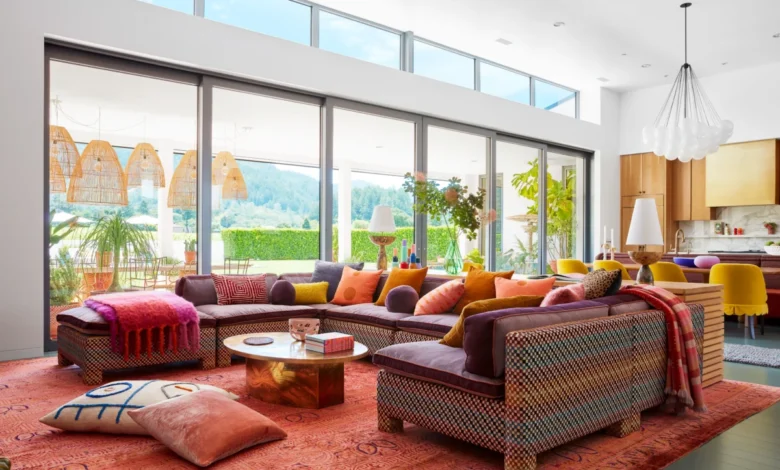
Perhaps the most significant, though least discussed, impact of the floor cushion trend is its effect on social dynamics within the home. Traditional living room layouts, dominated by a large, centralized sofa facing a television, often dictate a passive, front-facing social experience. The introduction of flexible floor seating encourages a more circular, interactive social arrangement. When guests are at the same eye level, sitting on the floor in a circle, the atmosphere is inherently more relaxed, egalitarian, and conducive to conversation.

This move away from the "sofa-centric" home may represent a deeper desire for authentic connection in an increasingly digital world. By removing the barrier of rigid furniture, hosts can foster an environment that is less formal and more inviting.
Conclusion
The evolution of the floor cushion from an ancient cultural artifact to a staple of modern interior design is a testament to the changing priorities of the global consumer. As our homes become more flexible, smaller, and more integrated, the furniture we choose must follow suit. By balancing ergonomic necessity with aesthetic versatility, the contemporary floor cushion offers a practical solution to the modern demand for grounded, adaptable, and intimate living spaces. As we move forward, it is likely that these items will continue to evolve, blending traditional craftsmanship with advanced, sustainable materials to meet the needs of the next generation of homeowners.