The Transformation of Ko Lipe: Assessing the Environmental and Economic Impact of Rapid Island Development


The island of Ko Lipe, situated in the Adang Archipelago of Thailand’s Satun Province, has undergone a radical transformation over the past two decades. Once a remote outpost characterized by limited infrastructure and a subsistence-based local economy, the island has evolved into a high-density tourist hub. This shift reflects a broader trend in Southeast Asian tourism, where rapid commercial expansion has frequently outpaced the development of sustainable infrastructure, leading to significant ecological and socio-economic consequences for fragile island ecosystems.
A Chronology of Change: From Isolation to Integration
In the early 2000s, Ko Lipe functioned as an isolated destination for the intrepid traveler. During this era, the island’s energy needs were met by small, localized generators providing electricity for only a few hours each day. Basic beach-side bungalows were the primary form of accommodation, and the island remained largely disconnected from the logistical networks that serviced major Thai tourist centers like Phuket or Ko Phi Phi.
By 2010, the accessibility of the island began to change as regional maritime transport improved, connecting the island to mainland Satun and the Malaysian resort island of Langkawi. As passenger boat traffic increased, the island’s profile rose, leading to a surge in private capital investment. By 2015, the transition from dirt footpaths to paved concrete thoroughfares signaled the arrival of motorized transport and heavy construction equipment. Over the last decade, this shift has accelerated, replacing indigenous vegetation and palm groves with multi-story resort developments and high-density commercial zones.
Environmental Stressors and Resource Depletion
The rapid urbanization of Ko Lipe has placed unprecedented pressure on the island’s finite natural resources. A primary concern for environmental scientists is the island’s lack of a natural freshwater supply. As resort capacity has expanded, the demand for potable water has necessitated the widespread extraction of groundwater and the increased use of desalination plants, both of which can lead to saltwater intrusion and the degradation of local aquifers.
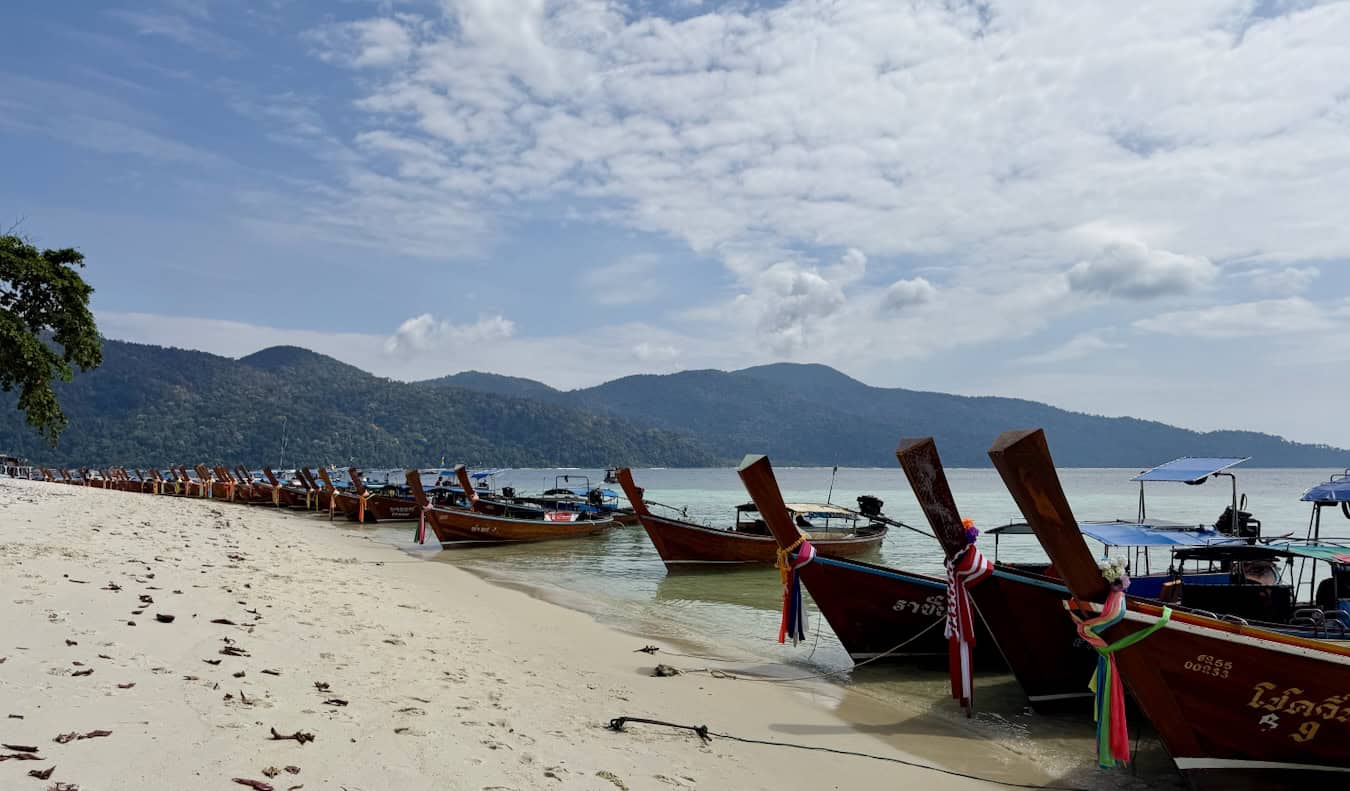
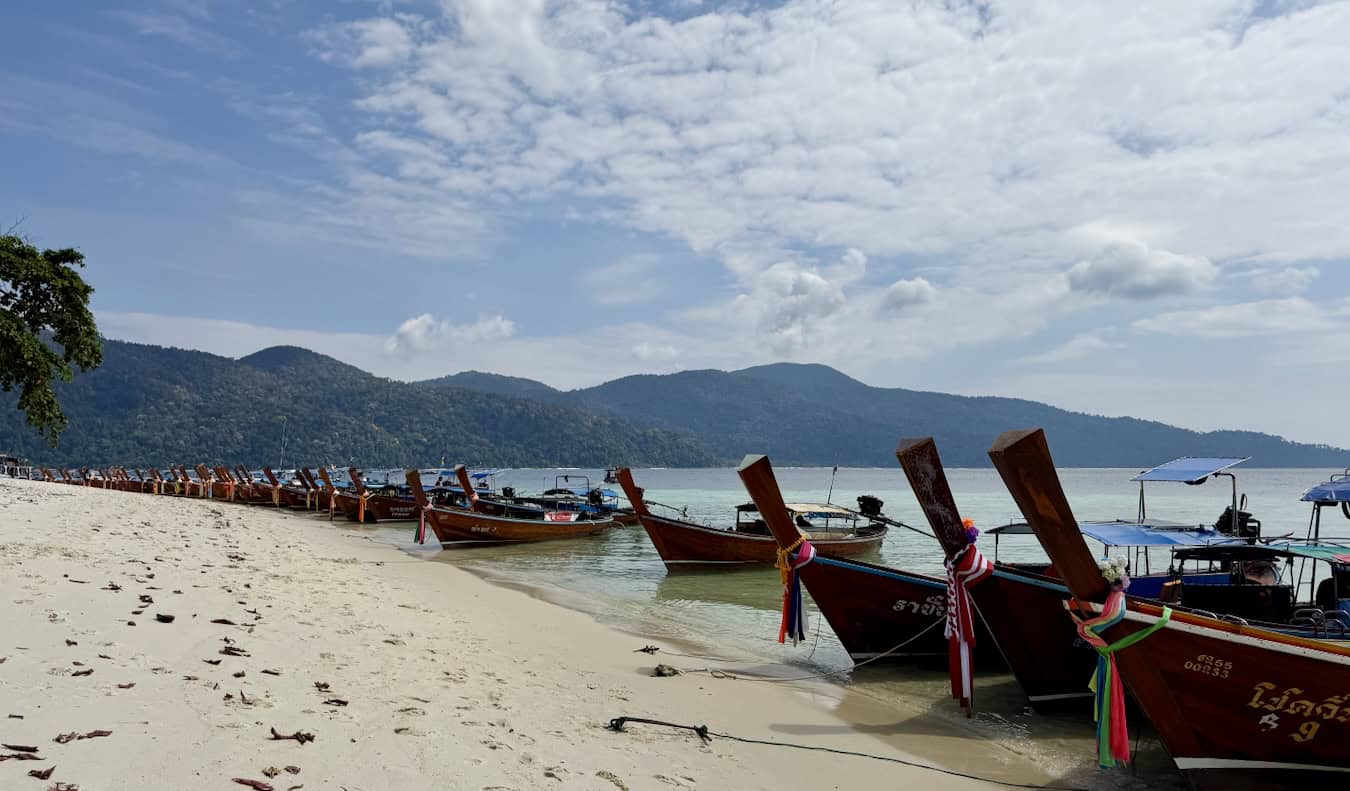
Furthermore, the surrounding marine environment—part of the Tarutao National Marine Park—has shown signs of severe stress. Marine biologists have documented widespread coral bleaching and damage caused by excessive boat anchoring and the disposal of untreated wastewater. The high volume of tourist-carrying vessels, particularly longtail boats, has contributed to localized water pollution. Observational data indicates a persistent layer of hydrocarbon residue on the water’s surface in high-traffic bays, which disrupts the health of local reefs and marine biodiversity.
Socio-Economic Implications for the Local Population
The economic boom has not been evenly distributed. Historically, the Urak Lawoi (sea nomads) were the primary inhabitants of Ko Lipe, maintaining a lifestyle deeply connected to the marine ecosystem. As land values have skyrocketed, many indigenous residents have been displaced, selling their ancestral plots to mainland developers.
Reports from local observers suggest that the current workforce on the island is now predominantly composed of migrant laborers from the Thai mainland or neighboring countries, rather than the original inhabitants. While the tourism sector generates significant revenue for developers and multinational hospitality groups, the displacement of local residents means that the community’s traditional knowledge and cultural heritage are increasingly marginalized. The economic benefits are frequently repatriated to the mainland, leaving the island itself to grapple with the long-term costs of waste management, energy consumption, and environmental remediation.
Comparative Analysis: The Ko Phi Phi Precedent
The current state of Ko Lipe is frequently compared to the development trajectory of Ko Phi Phi, an island that suffered from catastrophic environmental degradation during the 1990s and 2000s due to unregulated growth. In the case of Ko Phi Phi, the failure to implement adequate sewage treatment and construction zoning led to a decline in water quality and a loss of biodiversity.
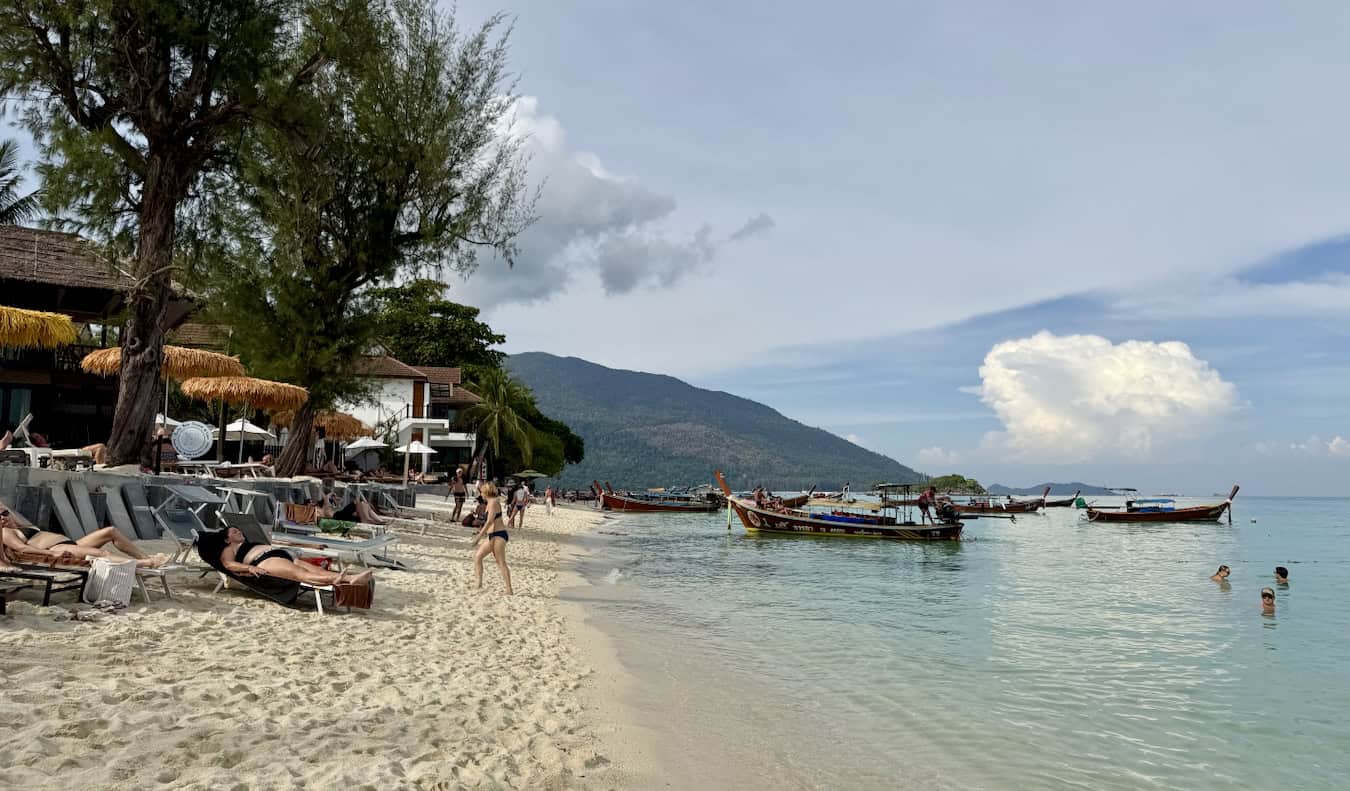
Experts in sustainable tourism suggest that Ko Lipe is currently mirroring this path. While the island remains visually appealing to first-time visitors due to its white-sand beaches and azure waters, the underlying infrastructure is struggling to support current tourist volumes. The shift toward catering to mass-market expectations—such as the demand for Westernized cuisine and air-conditioned, high-energy-consumption accommodation—further exacerbates the resource burden.
Institutional Responses and Sustainable Alternatives
Thai government authorities have periodically attempted to implement regulations, such as national park entry fees and boat-use restrictions, to mitigate the impact of tourism. However, the enforcement of these regulations remains a challenge given the high economic stakes involved in the island’s tourism industry.
Environmental advocates suggest that the most effective tool for change lies in consumer behavior. By shifting demand toward islands that maintain more stringent environmental management practices, travelers can incentivize better development standards. Nearby islands such as Ko Lanta, Ko Jum, and Ko Mook are frequently cited by sustainable tourism consultants as examples of destinations where development has been managed with greater regard for environmental carrying capacities and local community engagement.
Broader Implications for Global Tourism
The case of Ko Lipe serves as a microcosm for the global challenges of overtourism in island environments. It highlights the "genie-in-the-bottle" problem: once an ecosystem has been extensively developed, reversing the damage is nearly impossible. The infrastructure, once installed, creates a permanent footprint that continues to impact the surrounding environment long after the initial peak of tourist interest has passed.
For travelers and policymakers alike, the lesson of Ko Lipe is that the pursuit of economic growth through tourism must be balanced against the physical limits of the destination. As international awareness of sustainable travel grows, the responsibility falls on both the service providers to implement eco-friendly practices and the consumers to recognize the impact of their presence.
Moving forward, the potential for recovery or stabilization on Ko Lipe will likely depend on a combination of stricter zoning laws, investment in sustainable infrastructure—such as centralized waste treatment and renewable energy—and a shift in the tourism marketing model toward quality over quantity. Without these systemic changes, the island risks becoming another example of a natural paradise sacrificed to the short-term requirements of an unmanaged commercial boom.

For those planning travel within the region, the recommendation from environmental observers is to prioritize destinations that have successfully demonstrated a commitment to long-term sustainability. By choosing to visit islands with established environmental protection policies, travelers can support economic growth that does not come at the expense of the very natural beauty they seek to experience. Ultimately, the future of Thailand’s islands rests on the collective decision-making of its visitors and the regulatory oversight of the national government to ensure that the ecological integrity of these spaces is preserved for future generations.
Related posts: