The Evolution of the Modern Disney Vacation A Comparative Analysis of the Walt Disney World and Disneyland Resort Experiences

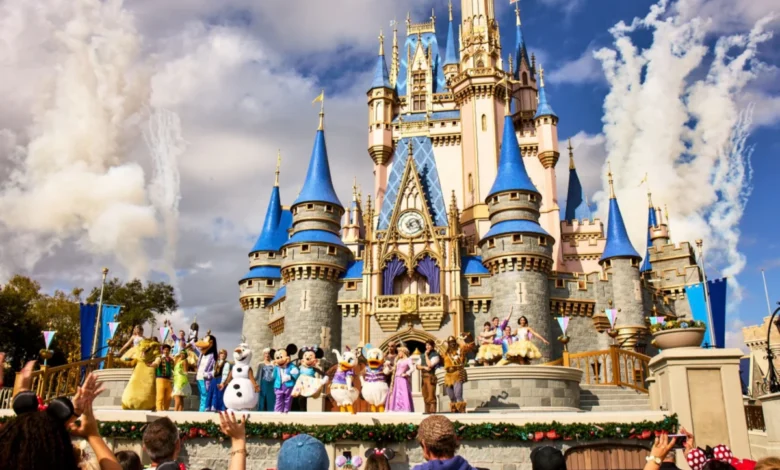
The transition from the compact, historic charm of the Disneyland Resort in California to the vast, multi-modal urban sprawl of Walt Disney World in Florida represents a significant shift in the logistical and psychological landscape of family tourism. While Disneyland—the original 1955 park—is often characterized by its intimacy and 500-acre footprint, Walt Disney World operates on the scale of a self-governing city-state, spanning approximately 25,000 acres, or roughly 43 square miles. For modern travelers, moving between these two coastal iterations of the "Magic Kingdom" requires a departure from spontaneous exploration in favor of a "logistics marathon" defined by digital reservation systems, tiered access passes, and precise chronological planning.
The Scale of the Central Florida Resort System
Walt Disney World is not merely a collection of theme parks; it is a complex municipality known as the Central Florida Tourism Oversight District. The resort encompasses four primary theme parks—Magic Kingdom, Epcot, Disney’s Hollywood Studios, and Disney’s Animal Kingdom—along with two water parks, more than 32 resort hotels, and an extensive transportation network comprising highways, ferries, a monorail system, and the Disney Skyliner gondola network.
The logistical complexity of the resort is often a point of contention for visitors accustomed to the "walkable" nature of Disneyland in Anaheim. In California, the two theme parks and the Downtown Disney District are situated within a single pedestrian-friendly campus. In contrast, the Florida resort’s sprawl necessitates a sophisticated understanding of transit times and lodging placement. Strategic accommodation, such as staying at Disney’s Contemporary Resort, provides a rare advantage: direct sidewalk access to the Magic Kingdom and a monorail station located inside the hotel’s A-frame tower. This proximity allows visitors to mitigate the exhaustion of the "Disney World sprawl," facilitating mid-day breaks that are often essential for families with young children.
A Three-Day Chronology of Park Engagement
To maximize the utility of a short-term visit, industry experts often recommend a three-park, three-day itinerary. The following chronology illustrates the typical flow of a high-intensity visit, based on current guest patterns and operational realities.

Day One: The Magic Kingdom and the "Rope Drop" Strategy
The "rope drop" remains a foundational tactic in theme park strategy. Historically, this involved employees literally dropping a rope at the park’s opening. Today, it serves as a metaphor for arriving 15 to 30 minutes before official opening hours to gain a head start on the day’s crowds. Data suggests that guests who successfully navigate the morning rope drop can experience high-demand attractions with 40% to 60% shorter wait times compared to mid-afternoon peaks.
However, cross-country travelers often face the "jet lag barrier," where West Coast internal clocks conflict with Florida’s early opening times. On Day One, families often focus on unique attractions not found in California, such as the Seven Dwarfs Mine Train. This roller coaster utilizes a patented tilting vehicle system that simulates the swaying of a mine car. Even with advanced planning, "Lightning Lane" passes—digital ticket add-ons that allow guests to bypass standard queues—are frequently necessary for these "E-ticket" attractions.
The day typically concludes with a focus on "engineered joy," where the park’s aesthetic shifts at dusk. The transition to evening lighting and the synchronized fireworks displays are designed to foster an emotional "alignment" between parents and children, a phenomenon Disney psychologists and Imagineers have refined over decades.
Day Two: Epcot and the Cultural Showcase
Epcot (Experimental Prototype Community of Tomorrow) represents a departure from traditional theme park tropes. Divided into World Celebration, World Nature, World Discovery, and the World Showcase, the park is frequently perceived as more "adult-centric" due to its emphasis on global cultures and culinary experiences.
The World Showcase features 11 pavilions representing different nations, each staffed by cultural representatives from those countries. A popular, though unofficial, activity known as "Drinking Around the World" involves adults sampling traditional beverages at each pavilion, such as sake in Japan or margaritas at La Cava del Tequila in Mexico.

Logistically, Epcot serves as a test of endurance. The walk around the World Showcase lagoon is approximately 1.2 miles. For families, the use of rental strollers—even for children aged five to seven—is a common data-backed recommendation to prevent "meltdowns" caused by the 20,000-plus steps a typical guest takes per day.
Day Three: Hollywood Studios and Technological Immersion
The final day of a high-intensity trip often focuses on Disney’s Hollywood Studios, the park currently housing the most technologically advanced attractions in the global Disney portfolio. The "Star Wars: Galaxy’s Edge" expansion, which cost an estimated $1 billion to develop across both U.S. resorts, serves as the centerpiece.
"Star Wars: Rise of the Resistance" is widely considered the apex of modern Imagineering. The attraction utilizes a trackless ride system, multiple elevators, and 4D projection mapping to tell a 20-minute immersive story. Following the high-stress environment of these thrill rides, the "Oga’s Cantina" experience provides a thematic "cool-down," utilizing dry-ice effects in mocktails like the "Carbon Freeze" to maintain the illusion of being in a "lawless galaxy."
Supporting Data and Economic Realities
The cost and complexity of a Disney World vacation have risen significantly over the last decade. As of 2024, a single-day ticket can range from $109 to over $180 depending on the date and park. The introduction of the "Lightning Lane" system (formerly Genie+) has added a variable daily cost per person for those wishing to avoid wait times that can exceed 110 minutes for popular attractions like "Slinky Dog Dash."
Key Resort Statistics:

- Total Annual Attendance: Magic Kingdom remains the most visited theme park in the world, averaging over 17 million visitors annually.
- Employment: Walt Disney World is the largest single-site employer in the United States, with over 75,000 "Cast Members."
- Infrastructure: The resort operates a fleet of over 400 buses, making it one of the largest transit systems in Florida.
Professional Planning and Expert Intervention
Given the high stakes and financial investment of such trips, a growing sector of the travel industry is dedicated exclusively to Disney vacation planning. Specialists, such as those from "Travel Magic," provide "concierge-level" support, managing dining reservations 60 days in advance and advising on the optimal windows for booking Lightning Lane passes.
Michelle Allen, a travel specialist, notes that the "anticipation is half the pleasure" for children, but for parents, the benefit of a plan is the reduction of "decision fatigue." In an environment where children of different heights and temperaments have competing interests, a pre-determined map of the day prevents the "riots" often sparked by the question, "What do you want to do next?"
Analysis of Implications: The Concept of "Engineered Joy"
The modern Disney vacation is frequently described as "work." The combination of extreme heat, high density, and the constant need to monitor a mobile app for queue times creates a paradox where leisure requires intense labor. However, the enduring popularity of the resort suggests that the "reward" justifies the "effort."
The sociological impact of these trips lies in what is termed "mythmaking." By creating immersive environments—from the 1941-inspired Storybook Circus to the futuristic spires of Galaxy’s Edge—Disney collapses the emotional distance between generations. Parents who visited as children return to recreate those memories with their own offspring, ensuring the brand’s longevity through a cycle of nostalgia and shared fantasy.
This "engineered joy" functions as a form of "ancient story-telling on an enormous scale." While the corporate and expensive nature of the parks is often criticized, the "quietest achievement" of the resort is its ability to create a temporary alignment of belief between parent and child. For the duration of the trip, both parties "believe in the same story," a rare commodity in the fragmented attention economy of the 21st century.

Strategic Recommendations for Future Travelers
For families planning to navigate the "logistics marathon" of Walt Disney World, several data-driven tips emerge:
- Anchor the Day with a Single Meal: Booking one high-quality dining experience, such as dinner at "Be Our Guest" in the Beast’s Castle, provides a necessary period of rest and air-conditioned recovery.
- Utilize the "Mid-Day Break": Data on guest satisfaction indicates that families who return to their hotel for a swim or nap between 1:00 PM and 4:00 PM—the hottest and most crowded hours—report higher overall enjoyment.
- Check Height Requirements Early: To avoid disappointment at the gate, parents should verify the height requirements for attractions like the "Twilight Zone Tower of Terror" weeks before the trip.
- Embrace the Digital Tools: While the Lightning Lane system is complex, it is nearly essential for high-demand periods. Pre-booking the "Single Pass" for top-tier rides can save a family up to four hours of standing in line per day.
In conclusion, while the sprawl and scale of Walt Disney World can be daunting, particularly for those raised on the "intimacy" of Disneyland, the resort remains a pinnacle of themed entertainment. It is a place where "mythology is passed down" through experiences rather than text, providing a structured environment for "wonder" to exist within the rigid confines of modern logistics.
Related posts: