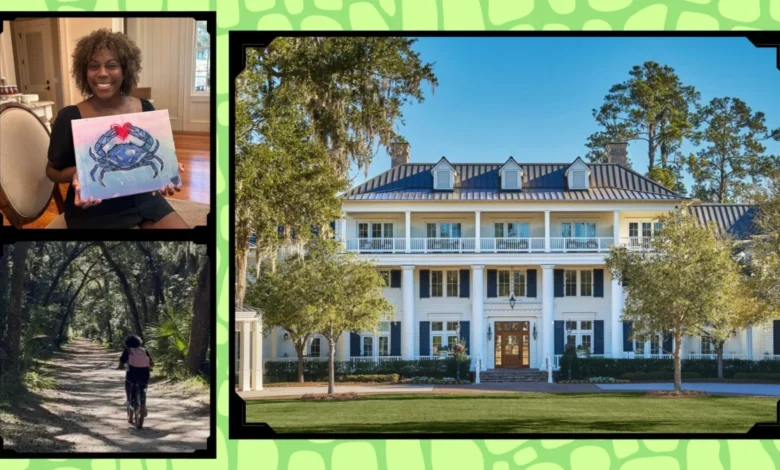
Spanning 20,000 acres of protected maritime forest and riverfront landscape in South Carolina’s Lowcountry, Montage Palmetto Bluff serves as both a high-end hospitality destination and a complex historical site. Situated between the commercial hubs of Hilton Head Island and Savannah, Georgia, the property represents the intersection of luxury tourism, ecological conservation, and the preservation of contested American history. As the resort continues to evolve under the management of Henderson Park and South Street Partners, it maintains a unique position as a cultural touchstone that attracts both global celebrities and history-seeking travelers.
The Evolution of a Lowcountry Landmark

The history of Palmetto Bluff is inextricably linked to the Antebellum era of the American South. The land, defined by its tidal creeks, salt marshes, and iconic live oaks draped in Spanish moss, was once the site of multiple plantations that fueled the regional economy through the forced labor of enslaved people. These individuals cultivated indigo, cotton, rice, corn, beans, and sweet potatoes, creating the wealth that built the foundations of the region’s early infrastructure.
Following the Civil War, the property underwent a series of transformations. After the displacement of many local families during the conflict, the land transitioned through various ownerships, eventually falling under the stewardship of wealthy financiers. In 1901, Richard T. Wilson, a prominent banker, acquired the tract and expanded its footprint, christening the estate "Palmetto Bluff." Wilson oversaw the construction of a grand mansion, which served as the centerpiece of the estate until it was destroyed in a fire in 1926. The ruins of this structure remain on the property today, preserved as an archaeological site that serves as a reminder of the land’s layered chronology.
In the modern era, the property has been repurposed into a sophisticated retreat. The current management structure, led by Henderson Park and South Street Partners, operates the site with a focus on low-density development. This approach is designed to balance the physical footprint of the resort’s 200 guest rooms, suites, and private residences with the preservation of its extensive ecological corridors, including 20 miles of walking and biking trails.

Reconciling History with Hospitality
The juxtaposition of opulent resort amenities with the reality of the land’s past presents a nuanced challenge for management. Meghan Lamb, senior manager of marketing and public relations at Montage Palmetto Bluff, emphasizes that the resort recognizes the importance of acknowledging the suffering endured by the enslaved people who once labored on the grounds. According to the resort’s official stance, these historical narratives are integral to the identity of the property. By documenting and sharing this history, management aims to honor those who lived and died on the land while ensuring their contributions and hardships are integrated into the visitor experience.
This commitment to transparency is viewed by industry observers as a necessary evolution for Southern luxury properties. As domestic travel trends shift toward "conscious tourism," guests are increasingly seeking destinations that provide historical context alongside physical comfort. The resort’s inclusion of Gullah Geechee cultural education—such as the collaboration with artist Amiri Farris—demonstrates an effort to connect guests with the heritage of the descendants of enslaved West Africans who defined the cultural fabric of the Southeastern coast.

Infrastructure and Operational Overview
The operational scale of Montage Palmetto Bluff is significant. The property functions almost as a self-contained village, featuring a diverse array of culinary offerings, wellness facilities, and recreational infrastructure. The culinary program ranges from fine dining at The River House and Octagon to casual options such as the 1950s-inspired Flame pizza truck and the Melt ice cream parlor. This variety is designed to accommodate a demographic that includes long-term residents, luxury travelers, and wedding parties.
The resort’s prominence as an event destination was underscored in 2019 when the Somerset Chapel hosted the wedding of Justin Bieber and Hailey Baldwin. The chapel, one of two on the property, has become a focal point for high-profile events, leveraging the scenic sunset views over the May River. The proximity to Daufuskie Island, accessible via a 30-minute boat ride, further expands the resort’s reach. Daufuskie remains a key component of the guest experience, offering a preserved look at Gullah Geechee culture and relatively undeveloped barrier island geography, which provides a stark contrast to the manicured environment of the resort.

Recreational Data and Ecological Integration
The resort’s 20,000-acre footprint is managed with a focus on both recreation and environmental stewardship. The property offers a 13,000-square-foot spa, a shooting club, a golf course, and an extensive network of trails designed for e-biking. The use of e-bikes has become a primary feature of the resort’s recreational programming, allowing guests to navigate the sprawling terrain efficiently while maintaining the quietude of the maritime forest.
Data regarding the resort’s excursion programs indicates a high demand for educational experiences. The Daufuskie Island History Excursion, for example, serves as a primary vehicle for cultural engagement. By operating these tours with local guides who maintain long-standing relationships with island residents, the resort facilitates a bridge between the luxury tourism sector and the local community. This model of experiential tourism is designed to generate economic support for the local region while providing guests with a deeper understanding of the ecological and historical complexity of the May River basin.

Economic and Social Implications
The transition of Palmetto Bluff into a major resort destination has had measurable impacts on the local economy and regional land use. As a major employer in the Lowcountry, the resort’s presence influences the local labor market and tourism infrastructure. However, the development of such large-scale properties in ecologically sensitive areas often invites scrutiny regarding the long-term sustainability of the surrounding marshlands and river systems.
Environmental management at the site involves the protection of diverse wildlife, including the American alligators frequently spotted in the river and lagoons. The resort’s conservation department is tasked with maintaining the balance between human activity and the natural habitat of these species. From a socio-economic perspective, the shift toward high-end residential real estate—exemplified by the Signature Residences—suggests that the property is moving toward a model that caters to a permanent or semi-permanent elite demographic. This evolution reflects broader national trends in which hospitality brands pivot from purely transient lodging to integrated lifestyle communities.

Future Outlook and Legacy Management
As Montage Palmetto Bluff looks toward the next decade, the challenge will remain in maintaining the balance between the "storybook" aesthetic favored by visitors and the rigorous preservation of the land’s complex social history. The resort’s success depends on its ability to satisfy the high expectations of its clientele while acknowledging the weight of its past.
The integration of history into the daily guest experience—whether through guided tours, art programs, or the preservation of the 1926 ruins—serves as a template for how contemporary resorts can handle legacy sites. By moving beyond the traditional model of "escapist" travel, Palmetto Bluff attempts to offer a more grounded experience that acknowledges the persistence of history within the landscape. As the property continues to evolve under its current management, its role as a steward of both the environment and the historical narrative of the American South will continue to be a subject of interest for researchers, historians, and travelers alike. Whether the resort succeeds in this long-term integration will depend on its continued commitment to transparency and the thoughtful curation of the stories it chooses to tell.
Related posts: