The Rise of Coliving: How Outsite and Similar Platforms are Reshaping the Global Digital Nomad Economy

The modern workforce has undergone a fundamental transformation since the onset of the 2020 global pandemic, with remote work shifting from a peripheral benefit to a standard operational model for millions of employees. As the boundaries between professional and personal life have blurred, a distinct challenge has emerged for the estimated 35 million digital nomads worldwide: the struggle to maintain high-level productivity while navigating the logistical instability of international travel. This shift has catalyzed the growth of the coliving sector, a hybrid accommodation model that integrates residential living with professional-grade workspace infrastructure. At the forefront of this industry is Outsite, a global network that has transitioned from a niche surf-focused retreat in Santa Cruz to a standardized professional ecosystem operating in over 50 locations across the globe.
Evolution and Corporate Chronology
Founded in 2015, Outsite was established during the nascent stages of the location-independent movement. The company’s original value proposition was straightforward: provide a dedicated, high-speed internet-enabled environment for entrepreneurs who prioritized access to nature and athletic activities, such as surfing, alongside their professional commitments. The model was designed to alleviate the "connectivity anxiety" associated with traditional short-term rentals, where advertised Wi-Fi speeds frequently failed to meet the bandwidth requirements of video conferencing and cloud-based project management tools.
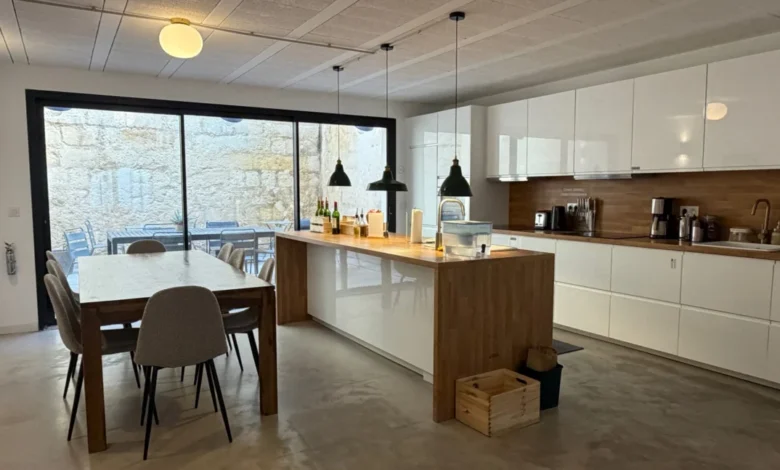
Between 2015 and 2020, the company operated primarily as a boutique provider for a self-selected group of early adopters. However, the post-pandemic labor market necessitated a rapid scaling of services. By 2022, as corporations transitioned to "remote-first" or "hybrid" policies, the demand for reliable remote infrastructure surged. Outsite responded by expanding its footprint into major urban centers, including Paris, Lisbon, Mexico City, and Bordeaux, shifting its aesthetic from rustic retreats to sophisticated, high-amenity residences. Today, the organization manages a network of over 5,000 active members, serving as a case study for the professionalization of the digital nomad experience.
The Operational Framework of Modern Coliving
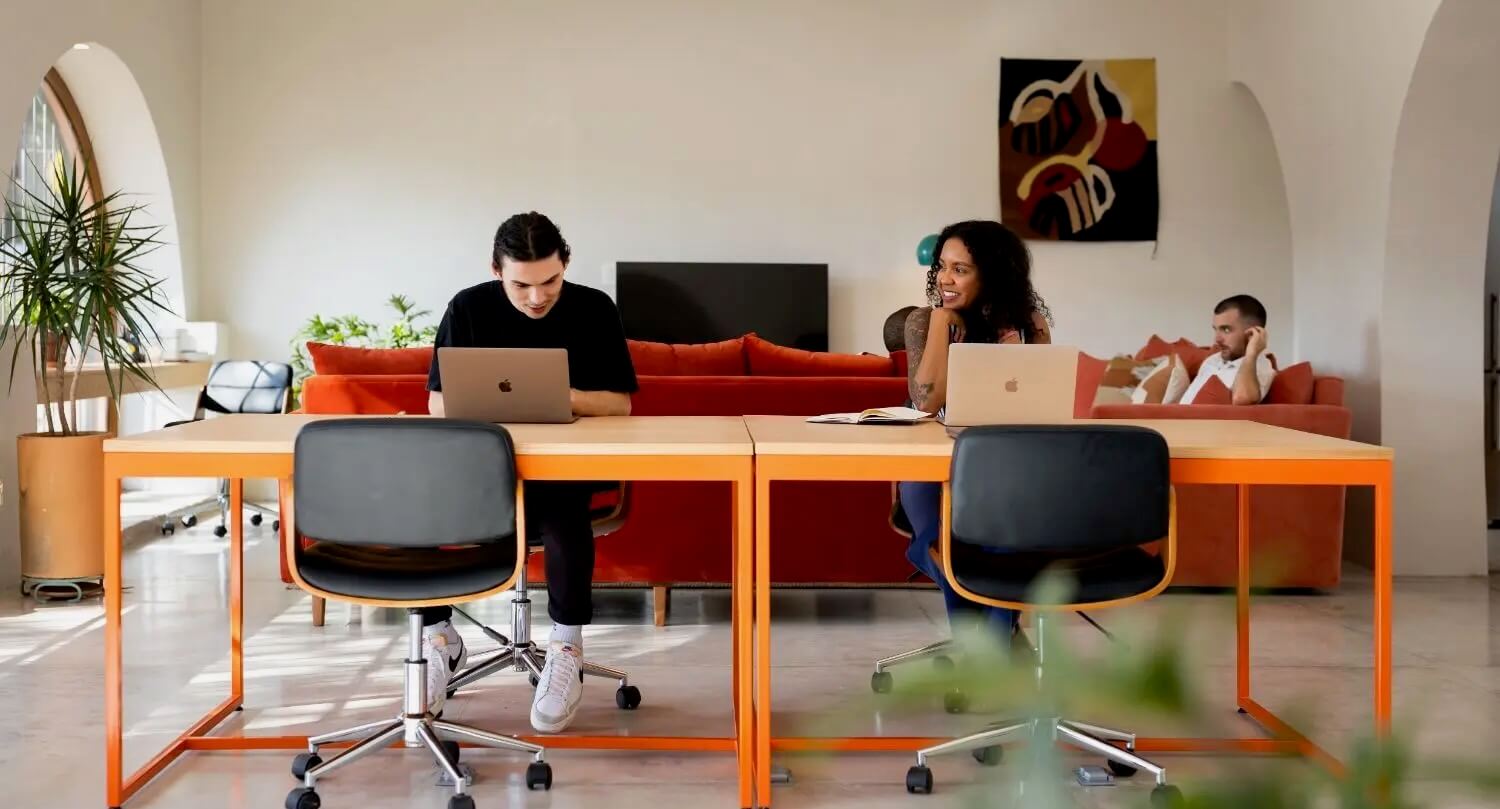
The coliving model functions as a structural answer to the inefficiencies of the freelance lifestyle. Unlike traditional hostels, which prioritize budget and high-turnover occupancy, or conventional residential apartments, which lack communal professional infrastructure, coliving spaces are engineered for sustained productivity.
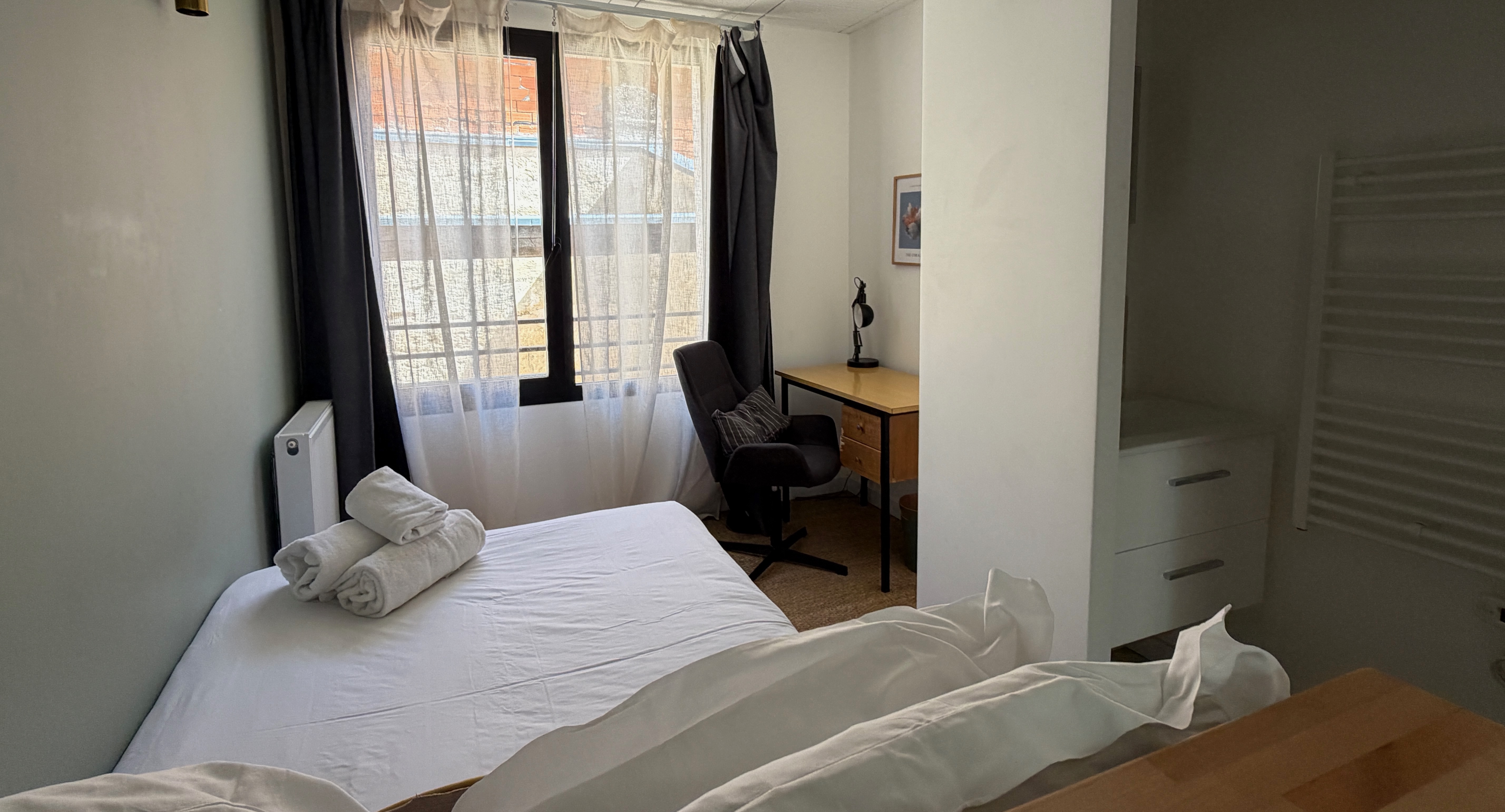
Each location is outfitted with enterprise-grade fiber-optic connectivity, ergonomic furniture, and dedicated "deep-work" zones. The architectural philosophy prioritizes the separation of sleeping quarters from work areas, a critical factor for maintaining professional discipline while abroad. Furthermore, these properties are equipped with full-service kitchens and laundry facilities, aimed at accommodating long-term stays—typically ranging from two weeks to several months.
The logistical integration goes beyond hardware. A critical component of the Outsite model is the inclusion of a "Community Manager" at each site. This role serves as a hybrid of a building concierge and an organizational psychologist, tasked with curating social interactions to mitigate the isolation often reported by remote workers. Through the use of dedicated communication channels, such as WhatsApp, managers facilitate professional networking, local cultural immersion, and collaborative events, effectively replacing the office social culture that many remote workers lost during the transition away from physical headquarters.
Supporting Data and Market Dynamics
Economic data suggests that the demand for these services is tied to the increasing longevity of the average remote work assignment. A recent survey by the Remote Work Association indicates that the average duration of a "workation"—a portmanteau of work and vacation—has increased by 40% since 2021. For the individual, the cost-benefit analysis often favors coliving platforms over a combination of Airbnb and external coworking memberships.
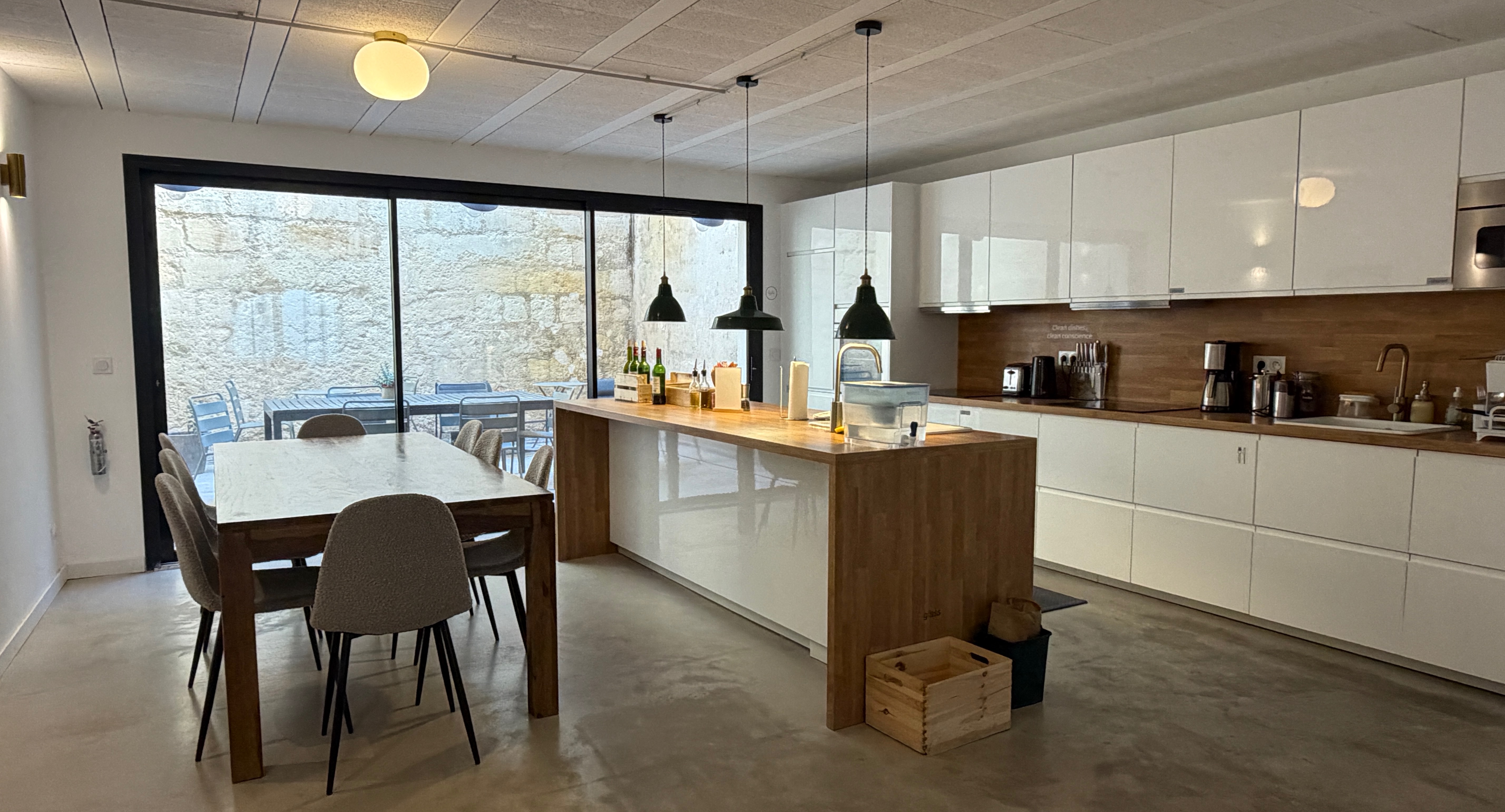
While the nightly rate at a curated coliving space may be higher than a budget hostel, the aggregate cost of high-speed internet, electricity, workspace access, and social programming is often lower than the cumulative expense of fragmented services. Furthermore, membership structures—such as Outsite’s $199 annual fee—provide access to a network-wide database of locations, reducing the administrative burden of vetting new properties for every trip.
Risk Factors and Operational Constraints
Despite the sector’s growth, the industry faces significant hurdles, particularly regarding municipal regulation. In cities such as New York, Barcelona, and Lisbon, local governments have implemented stringent housing regulations to combat the impact of short-term rentals on local rent prices. Consequently, many coliving platforms have had to pivot toward 30-day minimum stays in these markets to remain compliant with zoning laws. This shift forces a change in user behavior, necessitating more advanced planning and reducing the impulsive, short-term travel that previously characterized the digital nomad lifestyle.
Furthermore, the "community-curated" model presents a unique risk of social homogenization. By design, these spaces attract a specific demographic—typically white-collar professionals, tech workers, and independent entrepreneurs in their late 20s to mid-40s. While this ensures a shared professional baseline, it can create a "bubble" effect, where the traveler interacts almost exclusively with peers from similar socioeconomic backgrounds, potentially limiting the depth of their cultural integration with the host country.
Broader Implications for the Future of Work
The proliferation of coliving networks signals a broader shift in how global real estate is being re-evaluated. Commercial real estate developers are increasingly looking at "mixed-use" properties that can serve as long-term residential homes for a mobile workforce. As corporate entities continue to offer flexible work arrangements, the demand for "turnkey" living solutions is expected to grow.
From a policy perspective, the rise of platforms like Outsite has prompted several nations to introduce "Digital Nomad Visas." Countries such as Croatia, Estonia, and Costa Rica have recognized that attracting high-earning, location-independent professionals provides an immediate economic stimulus without placing the same strain on local infrastructure as traditional tourism. By providing a base for these workers, platforms act as a secondary infrastructure layer that bridges the gap between local resources and the requirements of the global digital economy.
Conclusion: The Professionalization of Mobility
The transition from "backpacking" to "nomading" represents a significant evolution in human mobility. As technology continues to decentralize the workplace, the demand for curated environments that offer both professional stability and social continuity will likely accelerate. Outsite’s growth from a niche surf-focused experiment to a global network is not merely a success story for one company; it is a indicator of a permanent shift in the relationship between location, employment, and community.
For the modern professional, the ability to work from anywhere is no longer the challenge; the challenge is the ability to maintain one’s standard of output and quality of life while doing so. As the coliving industry continues to mature, it is poised to become the essential backbone for the next generation of the mobile workforce, effectively turning the world into a series of interconnected, productive hubs. Whether this model can scale to meet the needs of a wider, more diverse demographic remains to be seen, but for now, it provides a stable, efficient solution to the perennial, often exhausting, struggle of balancing the demands of a modern career with the desire for global exploration.