Nathan Fillion Gives Positive Update on Animated Firefly Reboot as Production Navigates Unconventional Path

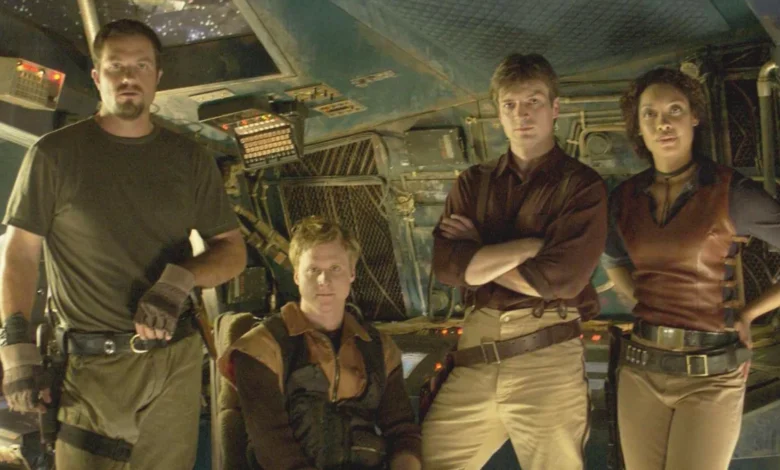
The enduring legacy of the ‘verse is once again capturing the attention of science fiction enthusiasts as actor Nathan Fillion provides an encouraging, albeit unconventional, update regarding the long-awaited animated revival of Firefly. More than two decades after the space western first debuted on television screens, the campaign to bring back the crew of the Serenity has evolved significantly. While progress has not adhered to standard television development timelines, the project continues to gain momentum, buoyed by unwavering fan dedication and the persistent efforts of its original cast.
The Evolution of the Animated Reboot
Speaking recently on the Revenge Of podcast, Fillion offered fresh insight into the current state of the animated Firefly series. The Emmy nominee characterized the ongoing development as "wonderful" news, despite acknowledging that the production path has deviated from his original expectations.
"Listen, things happened, albeit very slowly," Fillion explained during the podcast appearance. "But, things are still moving forward. Not in the way I thought it would, but in more ways, yes, I’m getting more yeses than I am nos, which is wonderful."
This latest update follows exclusive reports confirming that an animated television adaptation of the beloved, short-lived cult classic had entered advanced development. The project is being spearheaded by Fillion’s own production banner, Collision33, in active collaboration with 20th Television Animation. Rather than following a traditional live-action continuation model—which would face numerous logistical hurdles, including actor aging and scheduling conflicts—the animated medium provides a flexible platform to recapture the distinct aesthetic and tone of the original 2002 series without physical constraints.
Industry analysts note that utilizing animation for sci-fi revivals has become an increasingly popular strategy for intellectual property holders looking to satisfy nostalgic audiences while managing production costs and creative boundaries. By opting for an animated format, the creative team can seamlessly explore stories that would otherwise require prohibitive visual effects budgets, particularly given the expansive world-building inherent to the Firefly universe.
Historical Context and Chronology of a Cult Phenomenon
To understand the magnitude of the upcoming animated reboot, it is necessary to examine the brief yet intensely impactful history of the Firefly franchise. Created by Joss Whedon, the series originally premiered on the Fox network in September 2002. Blending traditional space opera elements with classical American Western tropes, the show followed the lives of the nine-person crew of Serenity, a "Firefly-class" spaceship navigating the fringes of a colonized galaxy following a civil war.
Despite critical acclaim and a fiercely loyal core audience, Firefly suffered from low initial ratings, an erratic broadcast schedule, and network interference—Fox notably aired episodes out of chronological order and preempted broadcasts for sporting events. Consequently, the network cancelled the series before the first season concluded, leaving several episodes unaired. Only 14 of the intended 15 episodes were produced during the original run.
The cancellation, however, did not spell the end for the franchise. Instead, it catalyzed one of the most passionate fan movements in television history. Devotees, who famously referred to themselves as "Browncoats" after the fictional independence fighters in the series, organized letter-writing campaigns, raised funds for charity, and placed advertisements in trade publications to advocate for the show’s return.
This grassroots persistence ultimately persuaded Universal Pictures to finance a feature-film continuation. Titled Serenity, the 2005 movie resolved several lingering plot threads from the television series, though it resulted in the permanent departure of several major characters, cementing the tragic, high-stakes nature of the universe.
Over the subsequent two decades, the property expanded into comic books published by Dark Horse, tie-in novels, and role-playing games. Yet, a direct screen continuation remained elusive until discussions surrounding the current animated iteration began to crystallize.
Cast Involvement and Narrative Placement
Crucial to the credibility of the upcoming animated series is the anticipated return of the original principal cast. Alongside Fillion reprising his role as the pragmatic, cynical smuggler Captain Malcolm "Mal" Reynolds, discussions and preliminary agreements involve core cast members Alan Tudyk (Hoban "Wash" Washburne), Gina Torres (Zoe Washburne), Jewel Staite (Kaywinnet Lee "Kaylee" Frye), Morena Baccarin (Inara Serra), Sean Maher (Dr. Simon Tam), Summer Glau (River Tam), and Adam Baldwin (Jayne Cobb).
The inclusion of the original ensemble addresses a primary concern for long-time followers of the franchise: character authenticity. Because voice acting allows for greater schedule flexibility, the production team has been able to coordinate the talents of the ensemble cast despite their individual commitments to other high-profile television and film projects.
Narratively, the proposed animated series is slated to occupy a specific temporal window within the franchise’s continuity. Rather than ignoring or overwriting the events of the 2005 feature film, the animated narrative is set chronologically between the conclusion of the 2002 television run and the beginning of Serenity. This strategic placement allows the writers to expand the established lore, delve deeper into the crew’s smuggling operations, and explore character dynamics during the height of their fugitive status, all while preserving the integrity of the established timeline leading up to the film.
Regarding creative leadership, original series creator Joss Whedon is reportedly not involved in the day-to-day writing or production of the animated reboot. However, sources close to the production confirm that Whedon has given the project his official blessing, allowing the new creative team to steer the intellectual property into its next chapter without direct interference.
Fan Reception and Cultural Relevance
The announcement of the animated project has reignited discussions regarding the longevity of cult television in the digital era. Fillion himself has repeatedly credited the dedication of the fanbase for keeping the property alive for nearly a quarter of a century.
"The dedication of Firefly fans has kept this 25-year-old show relevant," Fillion stated following the initial development news. "Clearly, the return of Firefly is something the fans want. More importantly, it’s something they deserve."
Market researchers observe that properties with built-in, highly engaged fandoms represent valuable assets for streaming platforms and animation studios seeking guaranteed initial viewership. The Browncoats have sustained conventions, fan fiction communities, and merchandise sales for nearly twenty-five years, creating a pre-existing market that significantly reduces the marketing risks typically associated with launching a new animated series.
Furthermore, the transition to animation offers an opportunity to introduce the franchise to a younger demographic of science fiction fans who may not have been born when the original series aired in 2002. By updating the visual medium while retaining the sharp dialogue, moral ambiguity, and camaraderie that defined the original run, the production aims to bridge generational divides among viewers.
Broader Industry Implications and Future Outlook
As the project continues to navigate its deliberate development cycle, industry observers are closely monitoring its progress as a potential blueprint for reviving dormant cult television properties. The combination of original cast participation, strategic placement within established continuity, and the cost-effective flexibility of animation provides a viable framework for revisiting beloved universes that might otherwise remain untouched due to logistical constraints.
While an official premiere date and network or streaming home have not yet been publicly disclosed by 20th Television Animation or Collision33, Fillion’s recent remarks indicate that administrative and creative hurdles are steadily being cleared. As production moves forward—albeit in ways unforeseen by its leading star—the prospect of hearing the familiar theme song and watching the Serenity soar through the blackness of space once more moves ever closer to reality for millions of fans worldwide.
Related posts: