REI Cyber Week Sales Guide 2026: A Strategic Analysis of Holiday Retail Trends and Consumer Opportunities

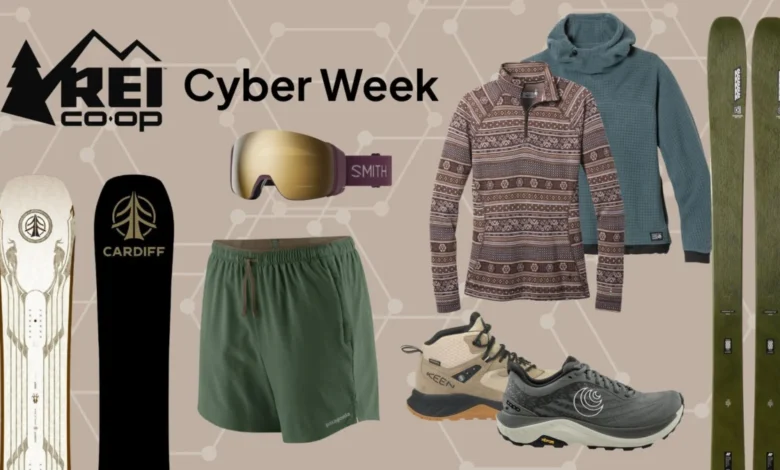
The annual REI Cyber Week sales event, which commenced on November 28, 2026, represents a significant moment in the outdoor retail calendar, characterized by a deliberate departure from traditional brick-and-mortar Black Friday operations. In alignment with its long-standing #OptOutside initiative—a corporate policy that mandates the closure of all retail locations on the day after Thanksgiving—the cooperative has transitioned its primary promotional activity to a digital-first strategy. This year’s sale features substantial inventory liquidations across high-performance categories, including alpine equipment, technical apparel, and footwear, reflecting broader market shifts in consumer demand for specialized outdoor gear.

The chronology of this event began in the early hours of November 28, 2026, with the activation of online markdowns. Unlike traditional retail models that prioritize in-store foot traffic, REI’s digital-centric approach reflects an ongoing evolution in e-commerce, where the "Co-op" model emphasizes value-based member incentives over mass-market discounting. This shift is designed to optimize inventory turnover heading into the winter season while maintaining the brand’s reputation for supporting sustainable, long-term outdoor engagement.

Market Context and Economic Implications
The current retail landscape in the outdoor industry is marked by a normalization of supply chains following the volatility observed between 2021 and 2024. During those years, retailers struggled with inventory imbalances, often leading to overstocking or chronic shortages. As of late 2026, the market has stabilized, allowing major retailers like REI to offer deeper discounts on premium products without compromising profit margins as drastically as during the previous periods of fiscal uncertainty.

Data from the first 24 hours of the 2026 Cyber Week sale suggests a high consumer preference for "technical utility"—gear that serves dual purposes. Products like merino wool base layers and GORE-TEX outerwear remain the highest-performing categories in terms of unit volume. The move to discount these items by 25 to 50 percent is indicative of a strategic push to clear seasonal stock before the Q1 2027 inventory cycle begins.

Strategic Product Analysis
The REI Co-op Merino 185 series, currently marked down by 25 percent, serves as a bellwether for the retailer’s private-label success. By leveraging natural fibers, the company has managed to maintain a competitive advantage against synthetic-heavy competitors. The efficacy of these fibers in moisture management and odor resistance makes them a staple for high-output activities such as ski touring and mountaineering. Industry analysts note that by keeping these items at a price point accessible to mid-level outdoor enthusiasts, the cooperative strengthens its market position.

Footwear continues to be a cornerstone of the retail strategy. The inclusion of brands such as Altra, Lowa, and KEEN at discounts ranging from 25 to 30 percent reflects a segment-wide move toward technical performance in trail running and hiking. The Lowa and KEEN discount tiers, in particular, highlight the durability-focused segment of the market, where consumers often prioritize long-term performance over aesthetic trends. The decision to offer these deals coincides with a broader uptick in winter hiking participation, a trend that has seen consistent year-over-year growth since 2023.

Membership Incentives and Loyalty Programs
A critical component of the 2026 promotional strategy is the emphasis on member-exclusive benefits. By offering an additional 25 percent off items already featured in the REI Outlet between November 28 and November 30, the cooperative is actively incentivizing membership sign-ups. This is a common tactic used by large-scale retailers to increase the lifetime value of a customer.

Furthermore, the 20 percent discount on Intrepid Travel excursions for members represents a strategic pivot toward "experience-based retail." By diversifying its offerings to include high-end adventure travel to destinations such as Patagonia and Japan, REI is attempting to integrate itself into the consumer’s lifestyle beyond the point of purchase. This approach is consistent with the cooperative’s historical focus on community and education rather than mere product transactions.

Technological Advancements in Equipment
The illumination sector—featuring manufacturers like Petzl, BioLite, and Goal Zero—has seen a 25 percent reduction in pricing. This shift is largely driven by the rapid evolution of lithium-ion battery technology and the increasing efficiency of LED arrays. Modern headlamps, such as those produced by BioLite, now offer significantly higher lumen output-to-weight ratios than those available as recently as three years ago. This makes the current sale an opportune moment for the professionalization of consumer equipment, as high-end technology becomes increasingly affordable for the casual user.

In the snow sports category, the discounts on hardware such as the Jones Dreamweaver and the GNU Barrett snowboards, alongside the K2 Mindbender skis, reflect the premium nature of the 2025/2026 equipment cycle. The 40 to 50 percent reductions on these items are particularly notable, as high-end hardware rarely sees such steep markdowns early in the winter season. These discounts often signal an intent to capture the "early adopter" market that typically secures its gear in the late summer or early autumn.

The Broader Impact of #OptOutside
The #OptOutside campaign, which celebrates its eleventh anniversary in 2026, continues to exert a profound influence on retail standards. While initial industry skepticism suggested that closing stores on Black Friday would result in substantial revenue losses, longitudinal data suggests the opposite. The move has served as a powerful marketing tool, fostering a brand identity rooted in conservation and personal wellness.

Critics have occasionally pointed out that the digital-first pivot effectively shifts the labor burden to warehouse and logistics employees, who must handle a surge in demand immediately following the holiday. However, the cooperative maintains that its logistics operations have been optimized to handle this spike without compromising the welfare of its distribution center staff. This tension between corporate environmental messaging and the logistical realities of high-volume e-commerce remains a subject of ongoing discussion within the retail sector.

Expert Forecasts for Q4 2026
As the 2026 holiday season progresses, industry experts anticipate that the success of the REI Cyber Week sale will set the tone for the remainder of the quarter. If consumer spending remains resilient, it may suggest that the "outdoor lifestyle" market is largely insulated from broader macroeconomic pressures, such as fluctuating interest rates and inflation.

The strategy of heavily discounting high-performance gear—such as the Smith 4D MAG goggles, which feature advanced ChromaPop lens technology—indicates that the market is currently saturated with high-quality inventory. This provides a rare window of opportunity for consumers to acquire professional-grade equipment at price points typically reserved for legacy or outdated models.

In summary, the 2026 REI Cyber Week event is not merely a collection of sales but a calculated retail strategy that balances inventory management with the strengthening of member loyalty. By curating a selection of products that emphasize durability, technical performance, and sustainability, the cooperative continues to define the standard for the modern outdoor retail experience. Consumers seeking to maximize the utility of their equipment should focus on the intersection of technical performance and value-added member benefits, as these represent the most significant long-term investments currently available in the outdoor gear market.