Reviewing The Soori Penang: A New Standard of Luxury Hospitality on Malaysia’s Historic Coastline

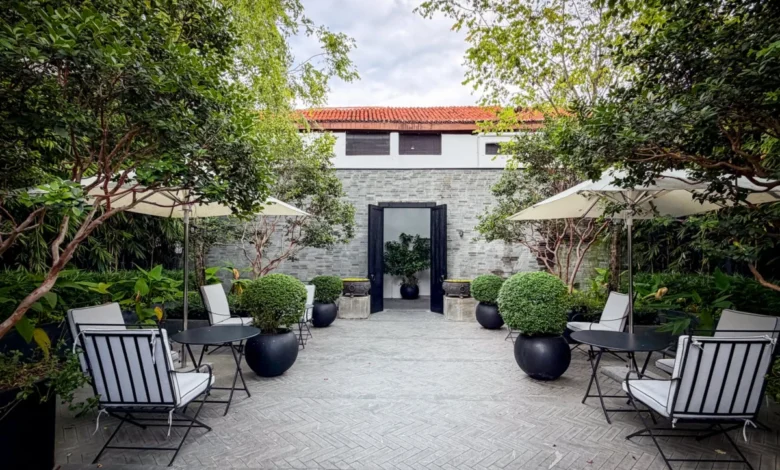
The opening of high-end resorts in Southeast Asia consistently draws the attention of global luxury travelers, and the recent debut of The Soori Penang on Malaysia’s historic northern coastline marks a significant addition to the region’s hospitality landscape. Blending contemporary architectural design with the rich cultural heritage of George Town and its surrounding coastal enclaves, the property has quickly positioned itself as a premier destination for discerning travelers seeking both seclusion and cultural immersion.
The Soori Penang hosted media representatives, including reviewers from prominent travel publications, for a multi-night stay to evaluate the property’s accommodations, dining options, and guest services. While the resort provided complimentary lodging for evaluation purposes, the resulting assessments remain entirely independent, adhering to strict journalistic standards that exclude editorial oversight or pre-approval from hotel management. This comprehensive review examines the architectural significance of the resort, its operational offerings, its place within the broader Malaysian tourism sector, and the implications of its arrival on the luxury travel market.
Main Facts and Property Overview
Situated along a picturesque stretch of the Penang coastline, The Soori Penang represents a meticulous fusion of minimalist modern aesthetics and traditional tropical elements. The property is designed to harmonize with its natural environment, utilizing open-air structures, water features, and expansive glass facades that maximize natural light and offer unobstructed views of the Andaman Sea.
The resort features a collection of meticulously appointed villas and suites, each equipped with state-of-the-art amenities, private plunge pools, and personalized butler service. The architectural ethos prioritizes privacy and tranquility, creating a stark contrast to the bustling energy of nearby George Town, a UNESCO World Heritage site known for its colonial-era architecture, vibrant street art, and renowned culinary scene.
Culinary programs at the resort emphasize both local Peranakan flavors and international haute cuisine, sourcing ingredients from regional purveyors and organic farms. Wellness amenities include a comprehensive spa offering traditional Malay healing therapies alongside modern wellness regimens, positioning the property as both a leisure retreat and a holistic wellness destination.
Chronology and Development Timeline
The path to the opening of The Soori Penang reflects broader trends in Southeast Asian luxury real estate and tourism development, which has seen a steady post-pandemic resurgence driven by high-net-worth travelers seeking experiential and wellness-focused getaways.
Planning and Conceptualization (2021–2022): Initial feasibility studies for the luxury resort began amid shifting travel patterns in the wake of global pandemic restrictions. Developers recognized a growing demand for low-density, highly private accommodations in culturally rich destinations.
Construction and Architectural Integration (2023–2025): The property was developed with a strong emphasis on sustainable construction practices, incorporating energy-efficient systems, local building materials, and preservation zones for the surrounding coastal ecosystem. Architectural teams worked closely with local authorities to ensure the design respected Penang’s historical architectural vernacular while introducing contemporary luxury standards.
Soft Opening and Media Previews (Late 2026): The resort welcomed its first wave of guests and media delegations in November 2026. This phase allowed management to fine-tune operations, service delivery, and guest experiences ahead of the peak winter travel season.
Supporting Data and Market Context
Malaysia’s tourism sector has experienced a robust recovery, with international arrivals rebounding significantly over the past two years. According to data from Tourism Malaysia, the country welcomed over 20 million international visitors, with luxury tourism emerging as a high-yield segment contributing disproportionately to tourism revenue.
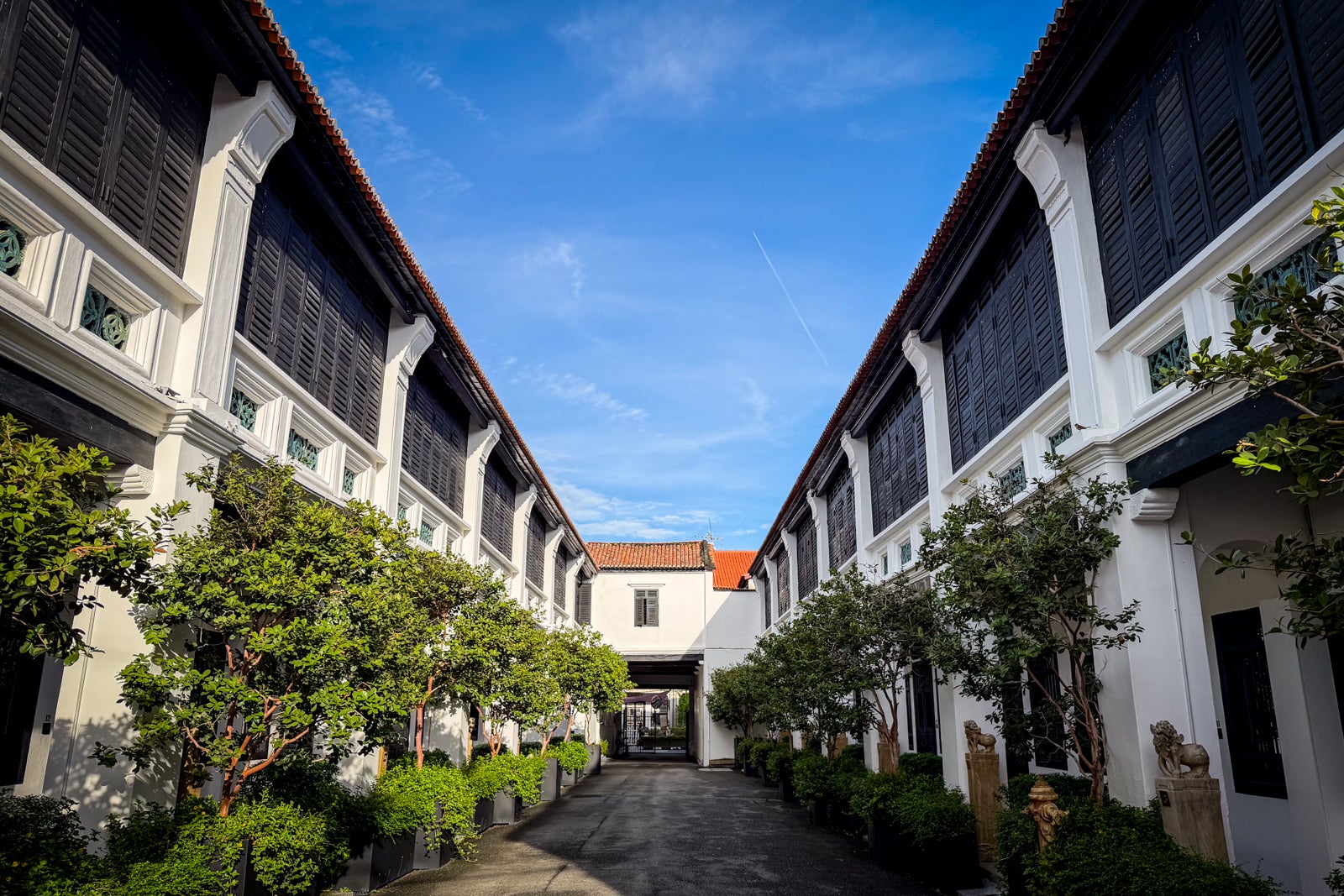
Penang, in particular, has solidified its status as a premier tourist hub. Beyond its well-established reputation as a street-food capital, the island has attracted substantial foreign and domestic investment in upscale hospitality. Average daily rates (ADRs) for luxury accommodations in Penang have risen steadily, reflecting a growing demographic of affluent travelers willing to pay a premium for exclusivity, personalized service, and cultural proximity.
Industry analysts note that properties like The Soori Penang cater to the "experiential luxury" traveler—a demographic that values authentic local engagement over conventional resort isolation. By positioning itself within a short driving distance of George Town’s historical core, the resort bridges the gap between high-end beach seclusion and cultural tourism.
Official Responses and Stakeholder Perspectives
While hospitality groups generally maintain a standard distance from editorial evaluations, representatives for luxury developments in the region have frequently emphasized the strategic importance of aligning high-end tourism with local cultural preservation.
In statements surrounding the broader development of luxury infrastructure in Penang, regional tourism officials have highlighted the economic multiplier effect of upscale resorts. These properties not only generate direct employment opportunities for local residents in hospitality, management, and artisanal trades, but they also stimulate demand for secondary services, including guided cultural tours, artisanal food production, and high-end transport networks.
Management at properties of this caliber routinely stress their commitment to sustainable tourism practices. This includes minimizing single-use plastics, supporting local community initiatives, and implementing water and energy conservation technologies that mitigate the environmental footprint of large-scale resort operations.
Broader Impact and Implications for Regional Tourism
The arrival of a premier luxury property on the Penang coastline carries several notable implications for the Malaysian hospitality market and the wider Southeast Asian travel industry.
First, it elevates the competitive benchmark for existing high-end hotels on the island. As international brands and bespoke operators introduce advanced concepts in wellness, design, and personalized service, legacy properties are compelled to invest in renovations and service upgrades to maintain their market share.
Second, the resort contributes to the diversification of Malaysia’s tourism offerings. While Kuala Lumpur and Langkawi have historically captured a significant share of the country’s luxury travel market, Penang’s ability to combine a UNESCO heritage city with world-class coastal resorts enhances its appeal for multi-destination itineraries. Travelers can seamlessly transition from architectural and culinary exploration in George Town to secluded relaxation on the coast.
Finally, the emphasis on sustainable design and community integration reflects a broader shift in consumer expectations. Modern luxury travelers increasingly scrutinize the environmental and social impact of the properties they patronize. Resorts that successfully balance opulence with ecological responsibility and cultural respect are best positioned for long-term viability in an increasingly competitive global market.
Conclusion
The Soori Penang enters the luxury hospitality arena at a time of dynamic growth and shifting consumer preferences in Southeast Asia. By offering a sophisticated blend of contemporary architecture, personalized service, and proximity to Penang’s rich cultural heritage, the property establishes a new benchmark for upscale travel in the region. As the resort completes its inaugural operational phase and welcomes travelers from around the globe, its performance will serve as a bellwether for the ongoing evolution of Malaysia’s luxury tourism sector.
Related posts: