The Tragic Transformation of Ko Lipe: An Analysis of Overdevelopment and Environmental Decay in Thailand


The Thai island of Ko Lipe, once a hidden sanctuary for the adventurous, has undergone a profound metamorphosis over the last two decades. Known in the early 2000s as a remote, off-the-grid outpost characterized by limited electricity and modest, locally-owned beach bungalows, the island has recently become a cautionary tale of rapid, unsustainable tourism development. While the island continues to attract thousands of visitors annually, the environmental, social, and cultural costs of this growth have reached a critical threshold, prompting experts and long-term observers to question the viability of its current trajectory.
A Chronology of Rapid Urbanization
In 2006, Ko Lipe functioned as an authentic, low-impact destination. Travelers seeking seclusion found a landscape defined by natural footpaths, seasonal boat access, and minimal infrastructure. Daily operations were dictated by the availability of electricity, which was typically restricted to a few hours each evening. During this era, the island’s economy was rooted in small-scale, locally-managed hospitality.
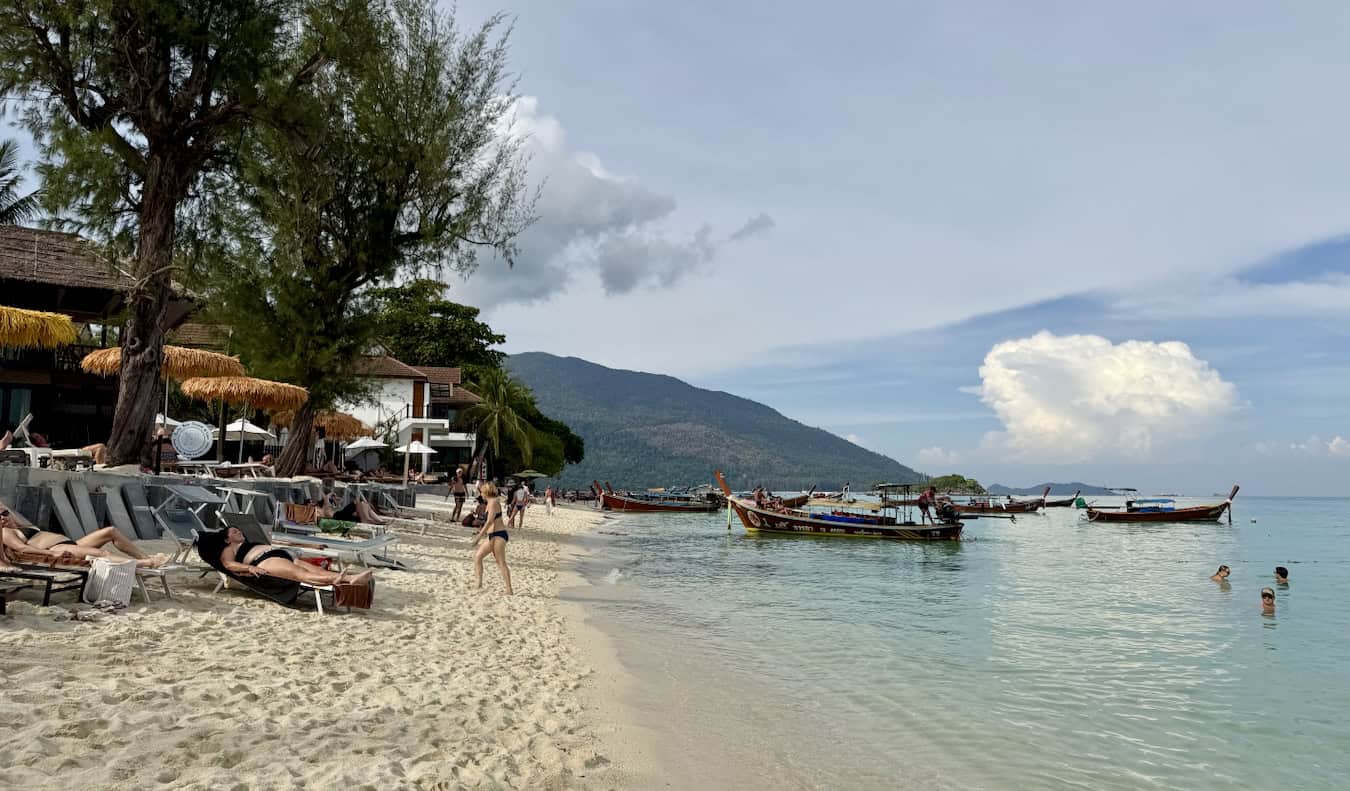
By the early 2010s, increased connectivity via high-speed ferry services from the Thai mainland and Malaysia shifted the island’s accessibility profile. This period marked the beginning of intensive construction. The transition from dirt paths to concrete thoroughfares facilitated the arrival of motorized transport, forever altering the island’s topography. By 2026, the transformation was effectively complete: the island’s interior and coastline are now densely packed with multi-story, high-end resorts, many of which feature swimming pools—a luxury that puts immense strain on the island’s finite, naturally occurring water table.
Environmental Degradation and Resource Depletion
The environmental toll of this development is multifaceted. According to independent observations of the region, the expansion of the tourism sector has outpaced the island’s waste management and utility infrastructure.
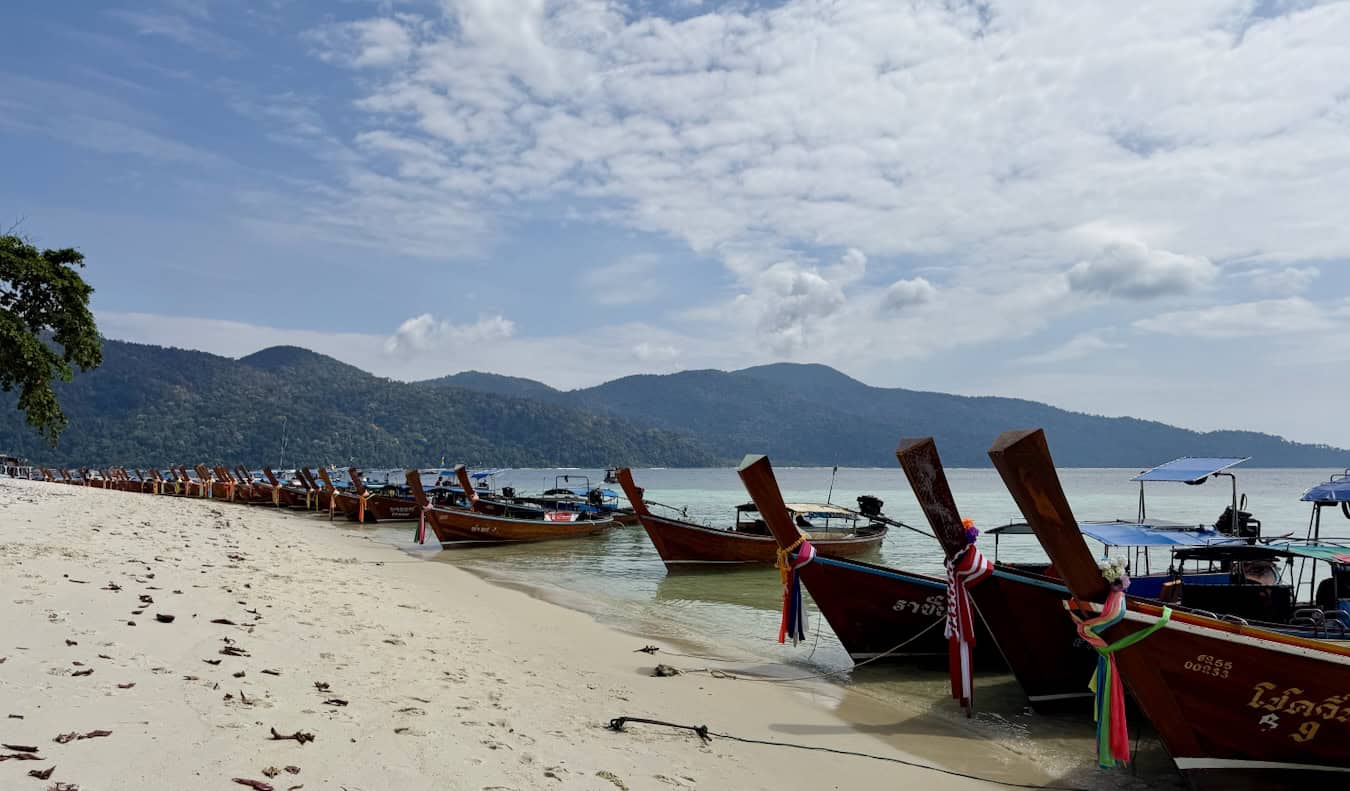
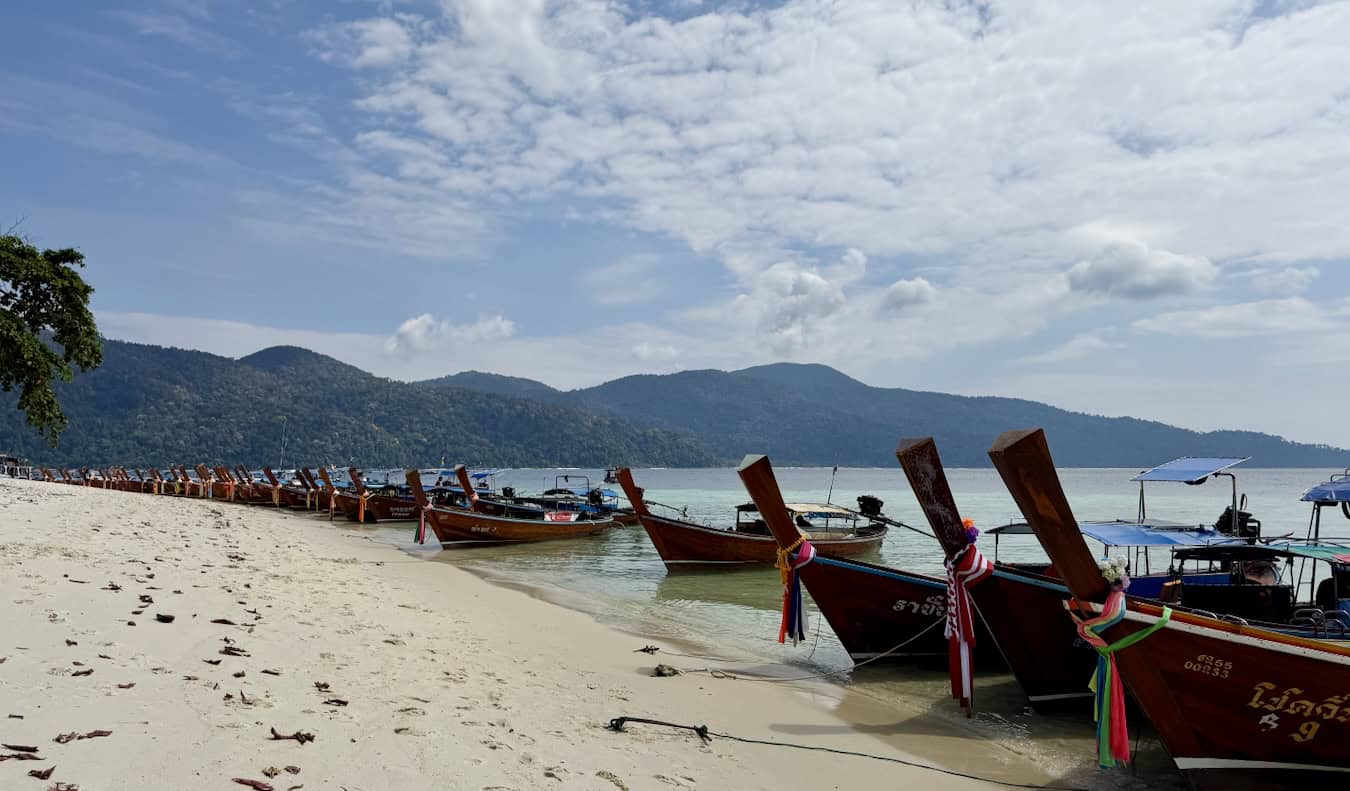
- Marine Ecology: The coral reefs surrounding the island are currently under severe stress. Increased boat traffic, particularly from daily tour operators and longtail boats, has resulted in chronic anchor damage and fuel runoff. Marine biologists have noted a persistent sheen of oil and exhaust pollutants in the water, which correlates with the decline of local biodiversity.
- Water Scarcity: As an island without a natural, sustainable freshwater supply, the proliferation of water-intensive resorts has forced a reliance on desalination and costly water transport from the mainland. This creates a feedback loop of high energy consumption and waste.
- Waste Management: The sheer volume of waste generated by thousands of daily tourists frequently exceeds the island’s landfill and processing capabilities, leading to concerns regarding soil and water contamination.
The Socio-Economic Displacement of Local Populations
The economic "boom" experienced by Ko Lipe has not been equitably distributed. Historical data from similar Thai island developments indicates that when land values rise, the original inhabitants are frequently priced out of their ancestral homes. In the case of Ko Lipe, many local families have sold their land to mainland corporate developers, leading to a demographic shift in the workforce.
Today, a significant portion of the island’s labor force consists of migrants from the mainland who often lack the long-term stake in the island’s ecological health that the original residents possessed. This "tourist-centric" economy prioritizes Westernized amenities and high-volume turnover, often at the expense of traditional Thai culture and local food systems. The resulting monoculture of tourism creates a transient environment where the benefits of the industry are siphoned off by external investors rather than reinvested into the community.
Comparative Analysis: The "Ko Phi Phi Model"
Industry analysts often categorize Ko Lipe’s development trajectory alongside that of Ko Phi Phi, a neighboring island group that faced similar crises in the early 2000s. Ko Phi Phi serves as a sobering historical precedent for what occurs when carrying capacity is disregarded. Overcrowding, the destruction of coral reefs, and the loss of local identity in Ko Phi Phi eventually led to a degradation of the very "paradise" travelers sought, ultimately impacting the longevity of the destination’s tourism economy.
When comparing Ko Lipe to more sustainable alternatives such as Ko Lanta or Ko Mook, the divergence in management styles becomes clear. Islands that enforce stricter zoning laws, limit the size of construction projects, and prioritize environmental protection over rapid expansion maintain a more stable and authentic experience for visitors. These destinations illustrate that growth and sustainability are not mutually exclusive, provided there is a regulatory framework to guide them.
Broader Implications for Global Tourism
The situation on Ko Lipe is a microcosm of the global "overtourism" phenomenon. When a destination becomes a victim of its own success, the lack of a "carrying capacity" assessment leads to a degradation of the product. The implications for future travel are significant:
- Consumer Responsibility: The shift away from harmful practices, such as elephant riding in Thailand, suggests that market demand is a powerful tool for change. If travelers shift their preferences toward destinations with robust environmental management, the tourism industry is forced to adapt.
- Regulatory Needs: There is an urgent call for government intervention in regional tourism planning. Without strict oversight regarding waste, water usage, and building density, the natural beauty that drives the Thai tourism economy remains at risk of irreversible damage.
- The Ethical Traveler: The decision to skip an overdeveloped destination is increasingly viewed by some as an ethical imperative. By withholding financial support from environments where the ecological or social cost of tourism is too high, the individual traveler can exercise a form of "conscious consumption."
Conclusion: A Call for Strategic Reform
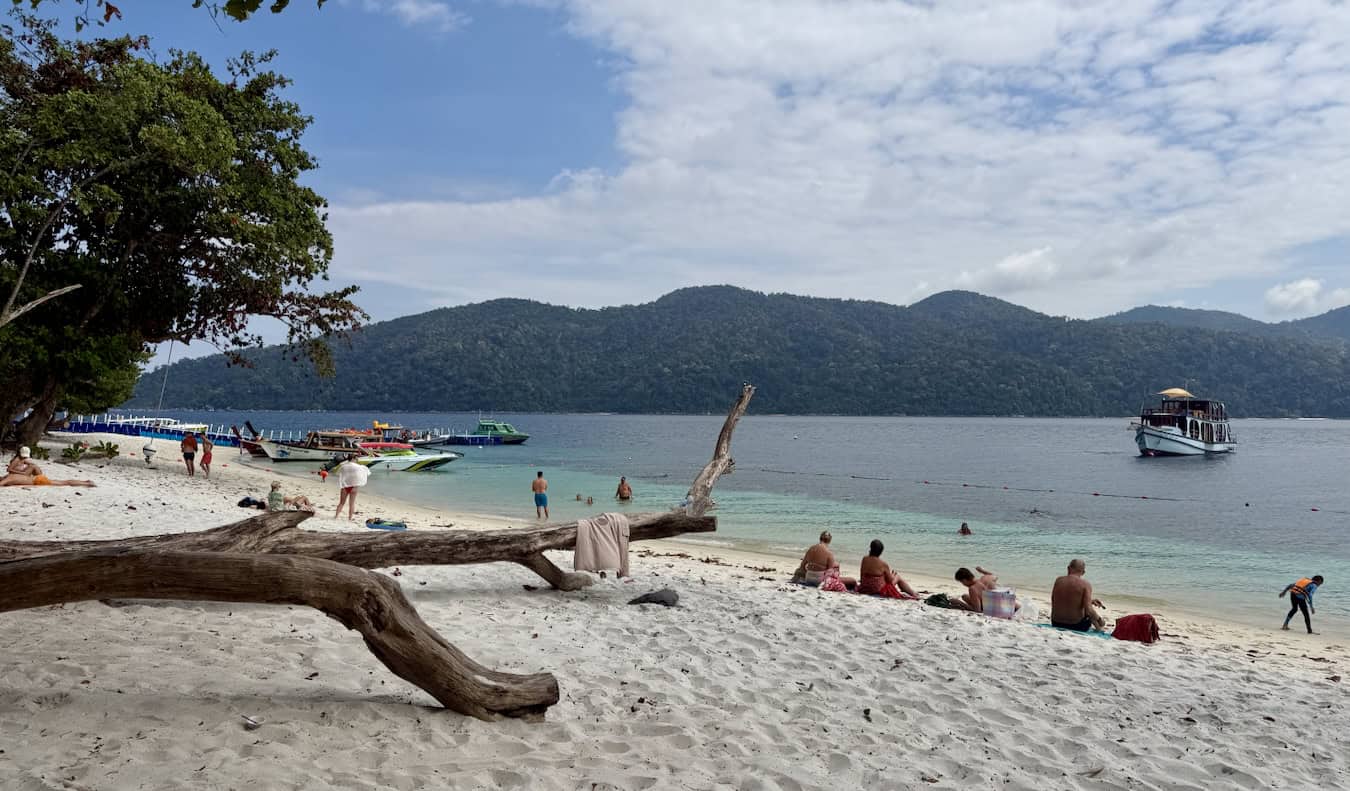
The evidence gathered from the current state of Ko Lipe indicates that the island is at a breaking point. While its natural, azure waters and white sands remain visually striking for first-time visitors, the underlying infrastructure and ecosystem are buckling under the weight of excessive development.
The path forward requires a fundamental shift in how the island is marketed and managed. This would necessitate a reduction in the number of daily visitor arrivals, a moratorium on new construction that threatens local water and waste systems, and a concerted effort to return economic control to the local population.
For the prospective traveler, the recommendation from environmental observers is clear: prioritize destinations that demonstrate a commitment to sustainability. Ko Lipe, in its current form, serves as a testament to the risks of unfettered growth. Whether the island can transition toward a more sustainable future or will continue down the path of over-exploitation remains an open question. For now, the most significant impact a traveler can make is to redirect their resources toward regions where tourism still serves as a tool for preservation rather than a catalyst for decay. As the industry evolves, the collective choices of the global traveling public will be the primary determinant of whether such unique island ecosystems can be saved for future generations.