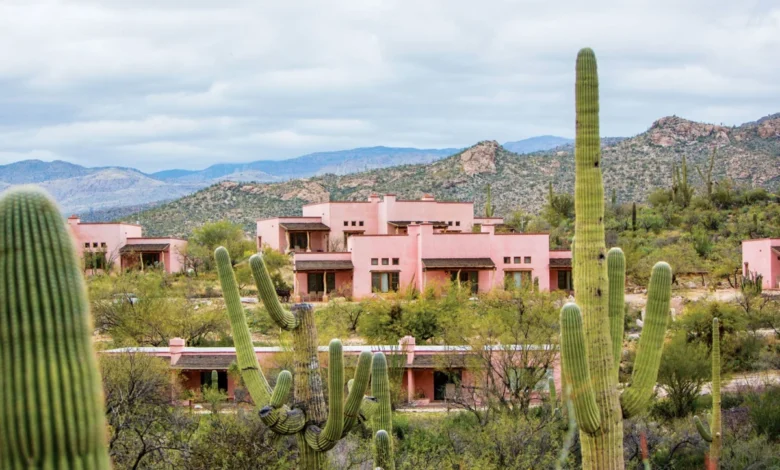
The American desert has quietly evolved from an overlooked, arid expanse into one of the most sought-after wellness and luxury travel destinations in the country. While traditional winter itineraries heavily favor tropical Caribbean beaches or alpine ski chalets, a growing segment of travelers is turning toward the rugged American Southwest. Characterized by towering saguaro cacti, rust-colored canyon walls, cloudless cerulean skies, and vast horizons, the desert offers a profound sense of isolation and tranquility that modern tourists increasingly crave. Industry data indicates that wellness travel focused on quiet, remote natural settings has surged over the past five years, with desert environments leading the sector in year-over-year booking growth during the winter months.
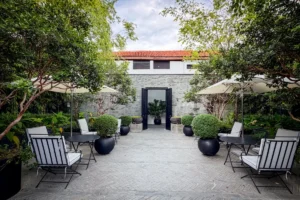
This shift in consumer preference highlights a broader reimagining of luxury hospitality. Rather than traditional beach resorts or crowded metropolitan hotels, travelers are seeking out properties that seamlessly blend architecture with extreme landscapes. From Moroccan-inspired hideaways enclosed by historic garden walls in Arizona to sprawling dude ranches featuring mountain-view casitas in Texas, and high-end canvas glamping tents perched above the dramatic chasms of Utah, desert lodging has become a primary draw rather than a secondary consideration.
The Evolution of Desert Tourism in the American Southwest
The historical trajectory of tourism in the American Southwest traces back to the late 19th and early 20th centuries, when the region’s dry, sun-drenched climate was prescribed by physicians as a natural remedy for respiratory ailments, particularly tuberculosis. Sanatoria and health retreats sprang up across cities like Tucson, Phoenix, and Santa Fe, laying the early groundwork for the region’s modern identity as a haven for health and recovery.
By the mid-20th century, the rise of the automobile and the expansion of the Interstate Highway System transformed the desert from a medical destination into a playground for leisure travelers. Iconic mid-century modern resorts emerged in Palm Springs and Scottsdale, establishing a design aesthetic that prioritized indoor-outdoor living, sparkling turquoise pools, and striking contrasts against barren mountain backdrops.
In recent decades, tourism boards and hospitality developers across Arizona, Utah, New Mexico, and Texas have expanded upon this foundation by integrating eco-tourism, sustainable architecture, and adventure travel. Today’s desert resorts cater to a demographic that values both high-end comforts and immersive outdoor exploration. Travelers routinely participate in early-morning hikes before ambient temperatures rise, engage in equestrian excursions through native brush, and spend evenings utilizing dark-sky preserves to study astronomical phenomena.

Economic and Wellness Implications of Warm-Weather Winter Travel
The economic impact of the winter desert tourism season is substantial for local and regional economies in the Southwest. According to regional tourism boards in Arizona and Utah, the period between November and April generates a significant percentage of annual hospitality revenue, offsetting the slower, intensely hot summer months.
Industry analysts point to several economic and psychological factors driving this seasonal migration:
- Decongestion of Traditional Hotspots: As coastal beaches and Caribbean destinations experience peak pricing and overcrowding, desert regions offer a more spacious alternative.
- The Rise of Digital Detox: The inherent isolation of canyon and desert landscapes naturally limits digital connectivity, appealing to professionals seeking genuine respite from hyper-connected work environments.
- Health and Longevity Tourism: High-end destination resorts are increasingly partnering with holistic health practitioners, integrating mineral hot springs, sleep therapy, and nutritional programs rooted in indigenous traditions.
"The modern traveler is no longer satisfied with passive relaxation," notes Dr. Elena Vance, a hospitality researcher specializing in geographic consumer trends. "They want an environment that challenges them physically—through rigorous canyon hiking or horseback riding—while providing deep psychological restoration through expansive vistas and minimal light pollution. The desert delivers this duality more effectively than almost any other biome."
Architectural and Environmental Integration
Developing luxury hospitality infrastructure within fragile desert ecosystems presents unique architectural and environmental challenges. Over the past decade, property developers and resort operators have faced intense scrutiny from environmental agencies and conservation groups to ensure that high-end tourism does not deplete scarce local water resources or disrupt fragile wildlife corridors.
In response, leading properties across the Southwest have adopted rigorous sustainability practices. Many resorts utilize native, drought-tolerant landscaping that eliminates the need for water-intensive green lawns, implements greywater recycling systems for pools and irrigation, and constructs structures using locally sourced adobe, rammed earth, and recycled steel. These design choices not only minimize the carbon footprint of the properties but also anchor the architecture firmly within the local geological context.
Furthermore, properties located near protected federal lands—such as Utah’s red-rock country or the expanses surrounding Joshua Tree and the Sonoran Desert—frequently collaborate with the National Park Service and local conservation trusts. These partnerships often manifest as guided educational hikes, dark-sky preservation initiatives that limit light pollution to protect nocturnal wildlife and stargazing quality, and financial contributions to regional trail maintenance.

Categorizing the Southwest’s Premier Resort Offerings
To understand the breadth of the desert hospitality market, industry experts typically categorize accommodations into four distinct stylistic tiers:
- Destination Spas and Wellness Sanctuaries: Centered around thermal waters, meditation, and comprehensive health regimens. These properties prioritize mental and physical rejuvenation, often prohibiting digital devices in common areas and offering specialized culinary programs.
- Historic Dude Ranches and Equestrian Retreats: Rooted in the cowboy heritage of the American West, these expansive properties offer guests daily horseback riding cattle drives, and authentic ranch-style dining alongside comfortable casita accommodations.
- Boutique Desert Hideaways: Often hidden behind unassuming courtyard walls in cities like Santa Fe or Tucson, these properties draw heavily on Spanish colonial and Moroccan architectural traditions, featuring quiet courtyards, hand-painted tiles, and intimate service.
- Luxury Glamping and Eco-Resorts: Designed for travelers who desire deep immersion in nature without sacrificing high-end amenities. These sites feature climate-controlled canvas tents, en-suite bathrooms, fine dining, and private viewing decks positioned directly over dramatic canyons or desert floors.
Future Outlook for Desert Travel
As global climate patterns shift and travelers continually seek destinations capable of offering both physical space and psychological distance from urban centers, the popularity of the American desert is expected to remain high. Industry forecasts predict continued investment in sustainable luxury infrastructure throughout the Southwest, with a particular emphasis on experiential programming that connects guests directly to the ecological and cultural history of the land.
Ultimately, the enduring appeal of the desert lies in its stark contrasts: the biting chill of a cloudless winter night contrasted with the radiant warmth of the afternoon sun; the silence of an empty canyon paired with the vibrant biodiversity hidden beneath the surface of the arid landscape. For travelers willing to look beyond the conventional beach vacation, the American Southwest offers a timeless, restorative alternative that continues to redefine the boundaries of modern luxury travel.
FAQ: How We Choose the Best Desert Resorts in the US
Every hotel review featured in our coverage is written by an experienced travel journalist who possesses deep regional knowledge and has personally visited the property. When selecting hotels for recommendation, our editorial team evaluates properties across a diverse range of price points, ensuring that each location offers an authentic, insider perspective of its destination. Key selection criteria include innovative design, sense of place and location, standard of service, and verified commitments to environmental sustainability.