Seattle-Tacoma International Airport Faces Unprecedented Operational Strain Following Major Infrastructure and Technology Failures


Seattle-Tacoma International Airport (SEA), one of the Pacific Northwest’s premier aviation hubs and a vital economic engine for the region, has found itself at the center of intense operational scrutiny following a cascading series of infrastructure and technological failures. The disruptions, which peaked in late summer and have continued to reverberate through the travel ecosystem into the autumn months, have highlighted the fragile nature of modern airport management systems. As airlines scramble to adjust schedules and frustrated travelers demand accountability, aviation analysts, port authorities, and federal regulators are closely examining the root causes of the breakdowns and the systemic vulnerabilities that allowed localized failures to snowball into widespread delays and cancellations.
The recent operational crises at SEA underscore a growing concern across the United States aviation industry: major airports are increasingly struggling to balance surging post-pandemic passenger volumes with aging physical infrastructure and increasingly complex digital logistics networks. For Seattle-Tacoma, an airport that handles tens of millions of passengers annually and serves as a primary gateway to Asia and Alaska, the fallout from these recent events serves as a cautionary tale for municipal and federal infrastructure planners alike.
Main Facts of the Disruption
The latest wave of severe disruptions at Seattle-Tacoma International Airport stemmed from a combination of critical baggage system failures, gate allocation bottlenecks, and localized software outages that paralyzed key ground operations. On several days during the peak travel windows, thousands of passengers experienced multi-hour delays, missed connecting flights, and misplaced luggage. The breakdown was not isolated to a single carrier; rather, it affected multiple domestic and international airlines operating out of both the main terminal and the satellite concourses.
According to preliminary incident reports compiled by airport operations teams, the primary catalyst was a critical failure within the centralized automated baggage sorting and transport network. When the primary sorting line suffered a mechanical seizure followed by a secondary software synchronization error, baggage handlers were forced to revert to manual processing. This sudden shift overwhelmed ground crews, leading to massive queues at ticket counters and baggage claim carousels. Compounding the issue, several automated boarding bridge systems experienced electrical faults, leaving arriving aircraft stranded on the tarmac unable to deplane passengers for extended periods.
Chronology of Events
The unfolding crisis at Seattle-Tacoma International Airport followed a rapid and deteriorating trajectory over a critical 48-hour window, though warning signs had been observed by frontline workers weeks prior.
In the weeks leading up to the primary incident, airport maintenance logs indicated intermittent warnings regarding the primary baggage handling system’s legacy sorting logic boards. However, routine patches and minor repairs were deemed sufficient to maintain operations through the late-summer rush.
At approximately 5:15 a.m., just as the morning bank of departures was preparing to push back from the gates, the central baggage sorting facility suffered a catastrophic software freeze. Simultaneously, a localized power fluctuation caused a reboot failure in the terminal’s primary gate-management display screens.
By 8:00 a.m., the backlog of un-sorted bags reached critical mass. Airport management convened an emergency response meeting, activating contingency protocols that included requesting additional manual baggage handlers from partner airlines and ground-handling contractors. However, staffing shortages inherent in the current aviation labor market delayed the deployment of supplementary personnel.
By midday, flight delays averaged over 90 minutes across all carriers, with outbound international flights facing the most severe bottlenecks due to customs and baggage reconciliation requirements. Port of Seattle executives issued a public advisory urging travelers to arrive significantly earlier than usual and to carry essential items in their carry-on luggage.
Overnight maintenance crews worked a continuous 16-hour shift to flush the system queues, manually reboot servers, and test physical conveyor belts. By the following morning, limited automated sorting was restored, though residual baggage delays persisted for days as misplaced items were cataloged and routed to their rightful owners.
Supporting Data and Regional Economic Impact
To understand the magnitude of the disruptions at Seattle-Tacoma International Airport, one must examine the sheer volume of traffic the facility manages on a daily basis. SEA typically handles upwards of 50 million passengers annually, making it one of the top 15 busiest airports in the United States. It generates billions of dollars in economic activity for Washington state, supporting tens of thousands of direct and indirect jobs in tourism, hospitality, logistics, and international trade.
During the peak days of the recent disruption:
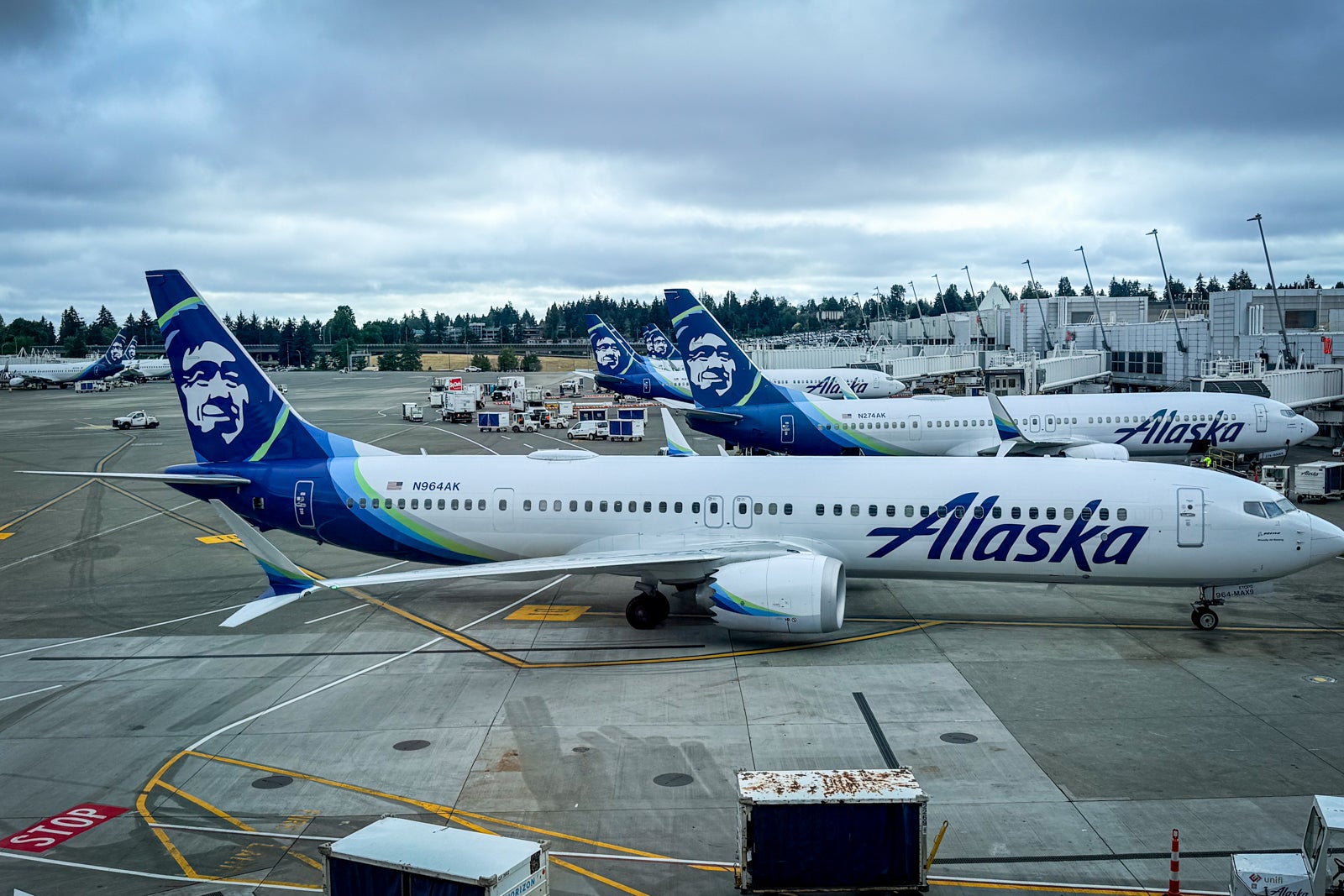
- More than 350 flights experienced rolling delays exceeding 45 minutes.
- Approximately 12,000 checked bags were temporarily separated from their passengers, requiring extensive manual reunification efforts.
- Concessionaires and airport retail operators reported a temporary dip in foot traffic and consumer spending as stranded passengers crowded gate areas rather than exploring terminal amenities.
- Airline schedule reliability metrics for the Pacific Northwest region plummeted by nearly 18% week-over-week, triggering cascading delays at destination airports across the country, including major hubs in San Francisco, Denver, and Chicago.
These figures illustrate that an operational failure at SEA is not merely a local inconvenience; it is a systemic shock that ripples through the entire national airspace system.
Official Responses and Stakeholder Reactions
In the wake of the disruptions, pressure mounted swiftly on the Port of Seattle, which owns and operates the facility. Port officials held a press briefing to address public concerns, express regret for the passenger experience, and outline immediate corrective measures.
Port of Seattle Executive Director emphasized that customer safety and operational reliability remain the absolute top priorities. In an official statement, leadership noted: "We recognize the immense frustration experienced by travelers who rely on Seattle-Tacoma International Airport for their journeys. We are conducting a thorough, transparent forensic audit of both our mechanical infrastructure and our IT architecture to determine precisely why these redundancies failed. While our contingency plans activated, the velocity of the failure outpaced our immediate remediation capabilities. We are committed to investing whatever resources are necessary to modernize our systems and ensure this does not happen again."
Airlines operating out of SEA, including Alaska Airlines and Delta Air Lines—both of which maintain major hubs at the airport—issued coordinated statements urging the Port of Seattle to accelerate long-overdue infrastructure upgrades. Airline representatives pointed out that carriers bear the brunt of passenger dissatisfaction, rebooking costs, and baggage delivery expenses when airport-owned infrastructure fails.
Meanwhile, labor unions representing baggage handlers and ramp workers highlighted ongoing staffing challenges, arguing that chronic understaffing and high turnover rates among third-party contractors exacerbate the impact of mechanical breakdowns. Union spokespersons stated that workers were pushed to physical exhaustion trying to manually process a volume of luggage designed for automated systems.
Broader Industry Implications and Future Outlook
The incidents at Seattle-Tacoma International Airport serve as a stark reminder of the challenges facing critical infrastructure in the post-pandemic era. As air travel demand continues to shatter historical records, airports across the United States are finding that their physical footprints and digital backbones are straining under the weight of modern expectations.
Several key implications emerge from the SEA disruption:
-
The Urgency of Digital Modernization: Many major airports rely on a hybrid of legacy hardware installed decades ago and modern software layers that do not always integrate seamlessly. The SEA failure demonstrates that robust, end-to-end digital modernization is no longer optional; it is a fundamental requirement for national security and economic stability.
-
Redundancy and Resilience: Critical systems such as baggage handling and gate allocation require fail-safe redundancies that can transition instantly to manual or backup digital modes without causing catastrophic bottlenecks. Airports will likely face increased federal pressure from agencies like the Federal Aviation Administration (FAA) and the Department of Transportation (DOT) to audit and upgrade their continuity-of-operations plans.
-
Contractual Accountability: The incident has reignited debates over the reliance on third-party service providers for ground handling and maintenance. Airports and airlines may move toward tighter performance standards, stricter financial penalties for operational failures, and enhanced collaborative oversight.
-
Passenger Rights and Communication: As travelers become increasingly vocal about travel disruptions—aided by real-time social media reporting and heightened consumer protections—airports and airlines must invest in more transparent, rapid communication channels to keep passengers informed during crises.
Looking ahead, the Port of Seattle has announced a comprehensive capital improvement review, earmarked specifically for baggage system overhaul and IT infrastructure hardening. Federal transportation committees are also monitoring the situation, with potential hearings scheduled to review how federal infrastructure grants are being utilized to prevent similar failures at other tier-one airports nationwide.
For the traveling public, the events at Seattle-Tacoma International Airport are a sobering reminder of the complex machinery working behind the scenes to keep the global aviation network moving. As authorities work to implement permanent fixes, passengers traveling through the Pacific Northwest will be watching closely to see whether promised reforms translate into lasting reliability.