The selection of a coastal destination for a short-term excursion requires a strategic balance between natural beauty, local infrastructure, and geographic accessibility. While the United States possesses over 95,000 miles of shoreline, only a fraction of seaside municipalities successfully integrate high-quality beach access with the logistical convenience necessary for a 48-to-72-hour visit. As domestic travel continues to represent a significant portion of the American tourism economy—with beach vacations consistently ranking among the top three preferred getaway types—identifying locations that offer streamlined transit from major metropolitan hubs is essential for maximizing leisure time.
Professional travel analysts and regional tourism boards highlight that the most successful "weekend escape" towns are those situated within a three-hour radius of major airports or urban centers. These destinations must provide more than just sand and surf; they require a robust "apres-beach" ecosystem consisting of culinary diversity, cultural institutions, and outdoor recreation. The following analysis examines eight premier U.S. beach towns that meet these rigorous criteria, offering a blend of regional charm and logistical efficiency.
The Northeast Corridor: Ogunquit and Provincetown
In the New England region, tourism is a primary economic driver, particularly during the summer months when the coastal population can swell by more than 400%. Ogunquit, Maine, and Provincetown, Massachusetts, represent the pinnacle of this regional market.
Ogunquit, Maine: The "Beautiful Place by the Sea"
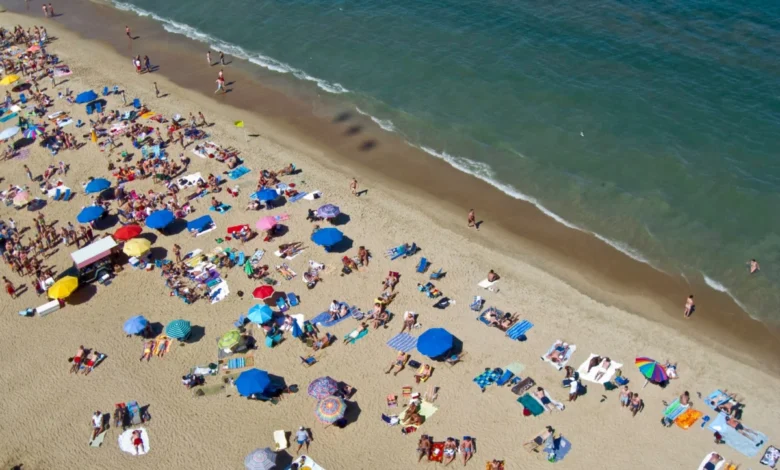
Ogunquit, which translates to "beautiful place by the sea" in the indigenous Abenaki language, has evolved from a small fishing village into one of the Northeast’s most sophisticated coastal enclaves. Its primary appeal lies in its diverse shoreline, featuring the expansive sands of Main Beach and the more secluded Footbridge Beach.
The town’s infrastructure is anchored by the Marginal Way, a 1.25-mile paved cliff walk that connects the main village to Perkins Cove. Geologically, this path offers a rare look at the rocky Maine coastline while providing safe, pedestrian-friendly access to high-end seafood dining and artisan boutiques. The town also supports a significant cultural sector, home to the Ogunquit Museum of American Art and the historic Ogunquit Playhouse, which has been a staple of the summer stock theater circuit since 1933.
Logistically, Ogunquit is positioned approximately 70 miles north of Boston, making it accessible via a 75-minute drive or the Amtrak Downeaster train service. Its proximity to Portland International Jetport (PWM) further facilitates national access, allowing travelers from the Mid-Atlantic and Midwest to reach the coast with minimal transit friction.
Provincetown, Massachusetts: A Cultural and Natural Landmark
Situated at the extreme northern tip of Cape Cod, Provincetown offers a unique synthesis of historical significance and modern inclusivity. It is renowned as the site of the first landing of the Mayflower in 1620 and has functioned as a prominent artist colony since the early 20th century.
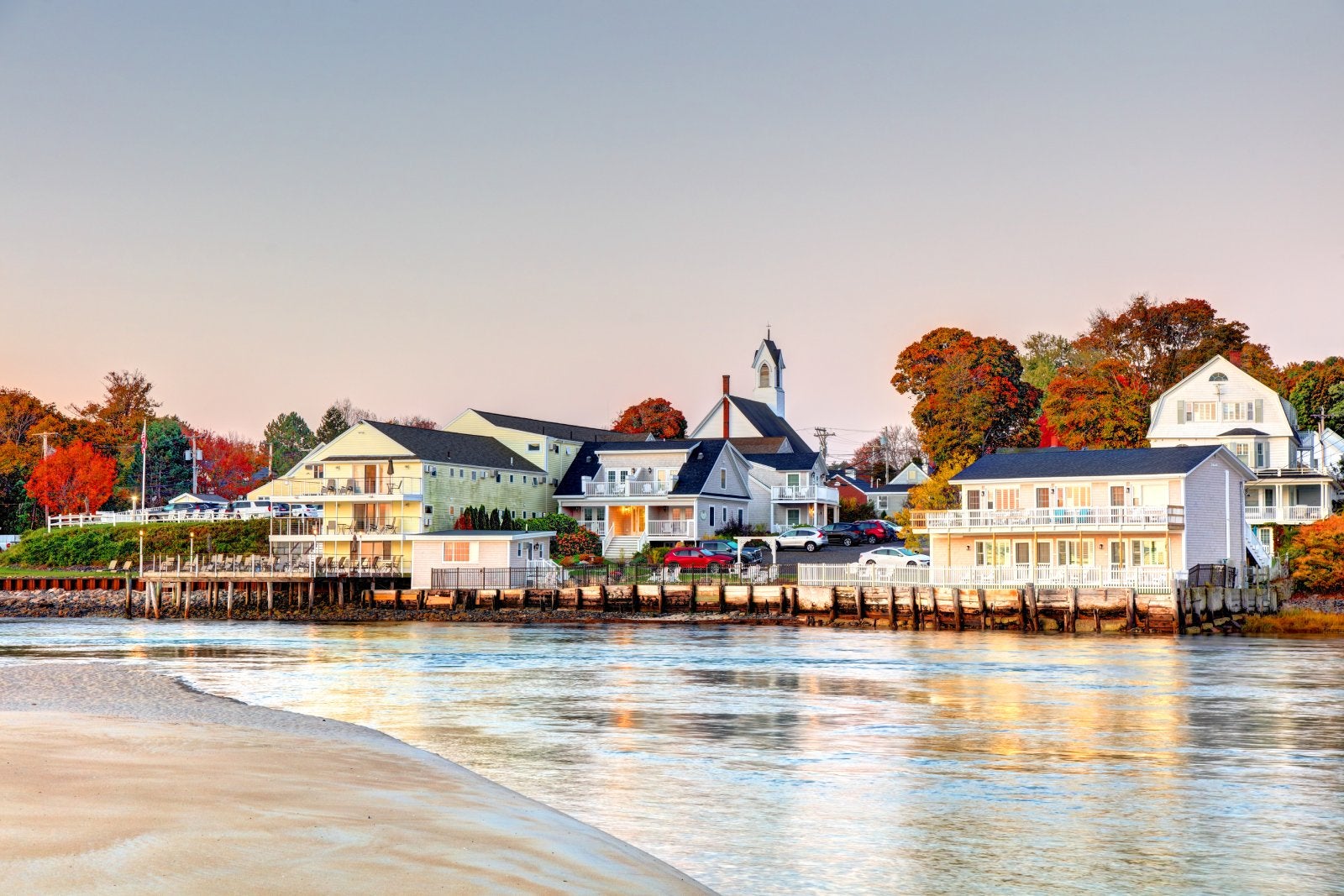
Provincetown’s economy is heavily reliant on its status as a premier LGBTQ+ destination, a factor that ensures a vibrant nightlife and a high density of galleries and performance spaces along Commercial Street. For nature enthusiasts, the town provides access to the Cape Cod National Seashore, specifically Race Point Beach and Herring Cove Beach. These areas are characterized by massive sand dunes and are significant habitats for migratory whales, making whale-watching tours a central component of the local tourism industry.
While the drive from Boston can take up to three hours depending on traffic, the high-speed ferry service from Boston’s Long Wharf reduces transit time to approximately 90 minutes, positioning Provincetown as an ideal weekend destination for urban professionals.
The Mid-Atlantic and Southeast: Rehoboth and Wrightsville
The Mid-Atlantic and Southeastern coastlines offer a longer warm-weather season, attracting a demographic that spans the major metropolitan centers of Washington D.C., Philadelphia, and Raleigh-Durham.
Rehoboth Beach, Delaware: The Nation’s Summer Capital
Rehoboth Beach has earned the moniker "The Nation’s Summer Capital" due to its popularity among political figures and residents of the District of Columbia. The town is defined by its award-winning mile-long boardwalk, which serves as a central hub for family-oriented entertainment, including the Funland amusement park.
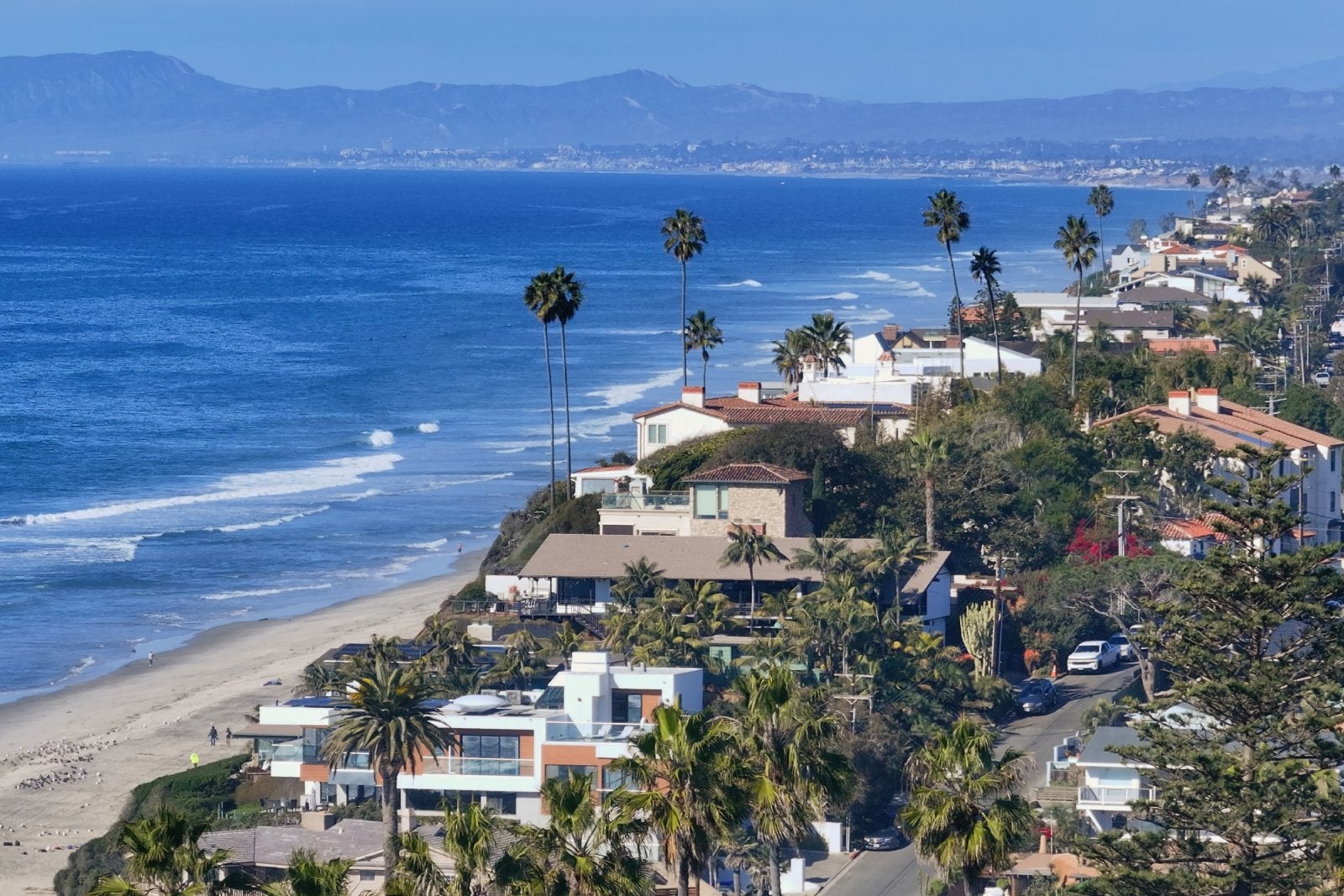
One of Delaware’s primary competitive advantages is its lack of sales tax, which makes the retail sector in Rehoboth a significant draw for weekend visitors. Beyond the boardwalk, Cape Henlopen State Park offers over 5,000 acres of preserved coastal land, providing opportunities for hiking, birding, and more secluded beach experiences. Data from the Delaware Tourism Office indicates that the beach regions contribute over $2 billion annually to the state’s GDP, with Rehoboth serving as the primary anchor for this revenue.
Wrightsville Beach, North Carolina: Film Industry and Athletics
Wrightsville Beach is distinguished by its clean, wide shoreline and its reputation as a premier destination for watersports, particularly surfing and stand-up paddleboarding. Located just minutes from Wilmington, the town benefits from the "Hollywood East" film industry; numerous television series and films have utilized the town’s picturesque docks and beaches as backdrops.
The town’s layout is optimized for active travelers, featuring "The Loop," a 2.4-mile fitness trail that circles the heart of the island. Its proximity to Wilmington International Airport (ILM) and the University of North Carolina Wilmington provides a youthful energy and a steady influx of visitors. For those driving, the town is a direct two-hour shot from the Research Triangle, making it the most accessible high-quality beach for North Carolina’s tech and education sectors.
The Emerald Coast: Destin, Florida
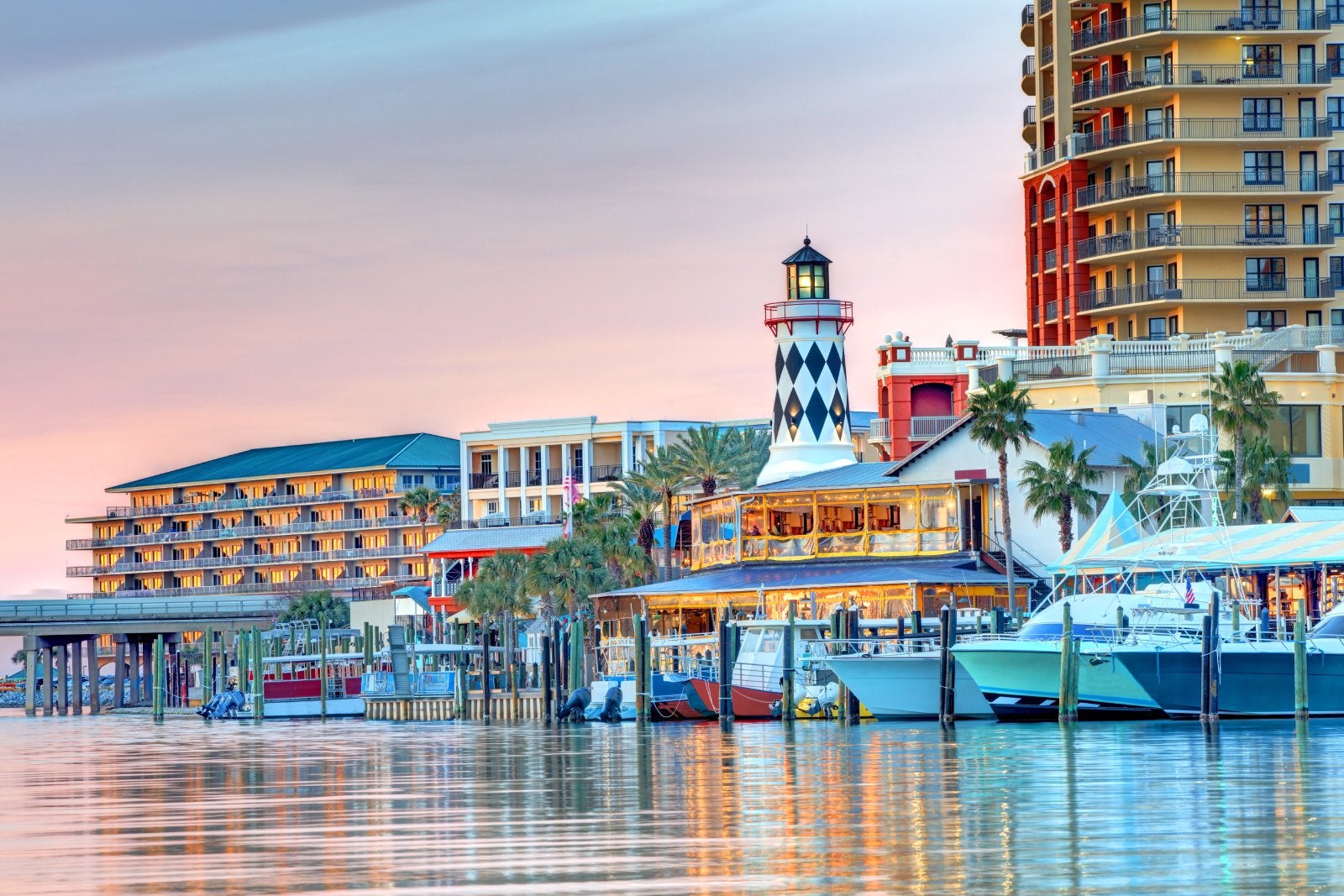
The Florida Panhandle, specifically the area known as the "Emerald Coast," has seen a significant surge in infrastructure investment over the last decade. Destin remains the focal point of this growth.
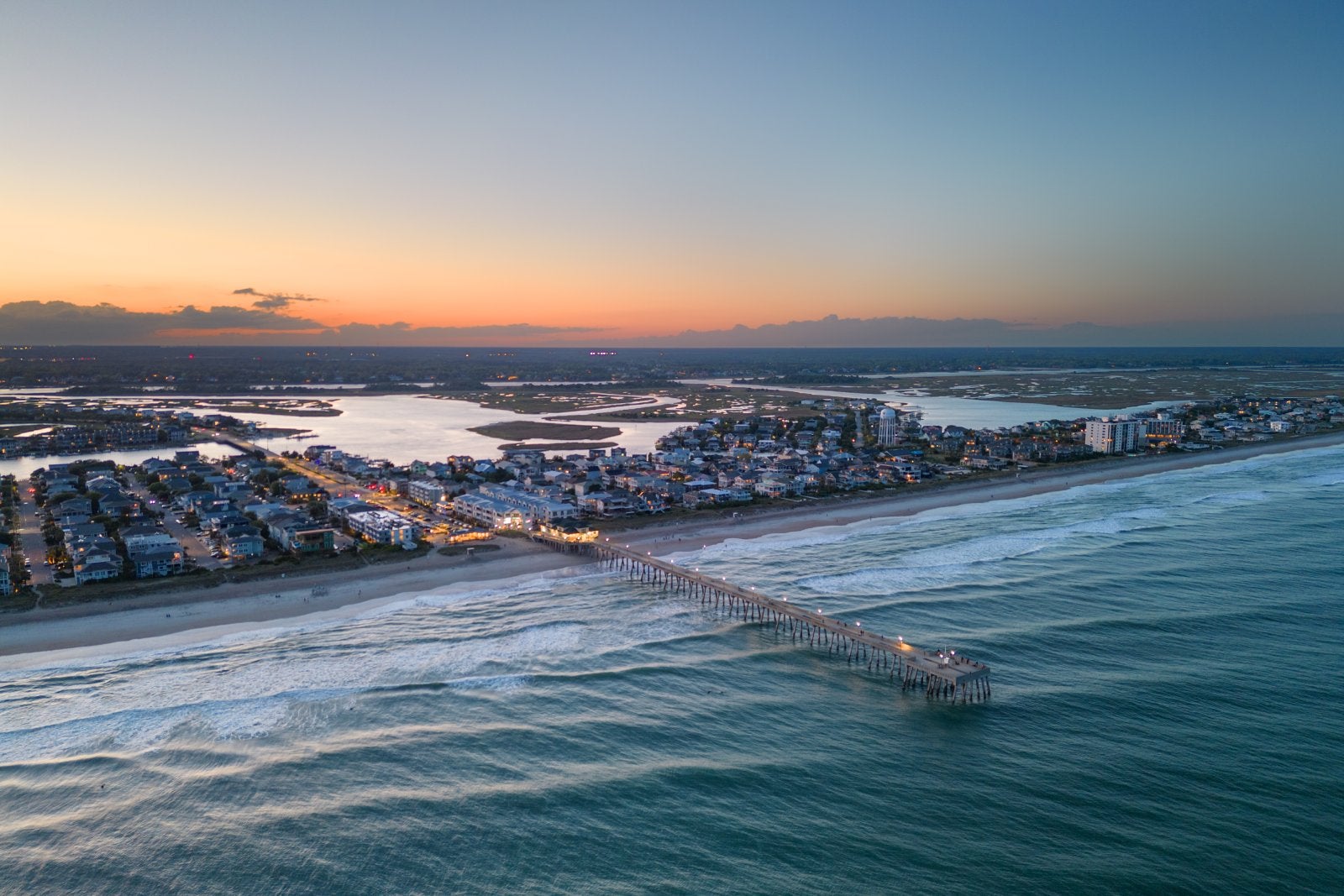
Destin: The World’s Luckiest Fishing Village
Destin’s primary draw is its unique geological composition; the sand is composed of finely ground Appalachian quartz, resulting in a stark white appearance that keeps the ground cool even in high temperatures and gives the water a clear, turquoise hue. Originally established as a fishing village, Destin now hosts the largest fishing fleet in the state of Florida.
Recent expansions in air travel have drastically increased Destin’s accessibility. JetBlue’s introduction of direct flights from New York’s JFK to Destin-Fort Walton Beach Airport (VPS) represents a shift in how the town is marketed, moving from a regional drive-to destination to a national fly-to getaway. The local economy is further bolstered by the Destin Harbor Boardwalk and the Henderson Beach State Park, which offers a more preserved look at the region’s natural coastal dunes.
The Pacific Coast: Encinitas and Cannon Beach
West Coast beach towns are often defined by their dramatic topography and their integration with the surrounding natural environment.
Encinitas, California: The Heritage of Surf Culture
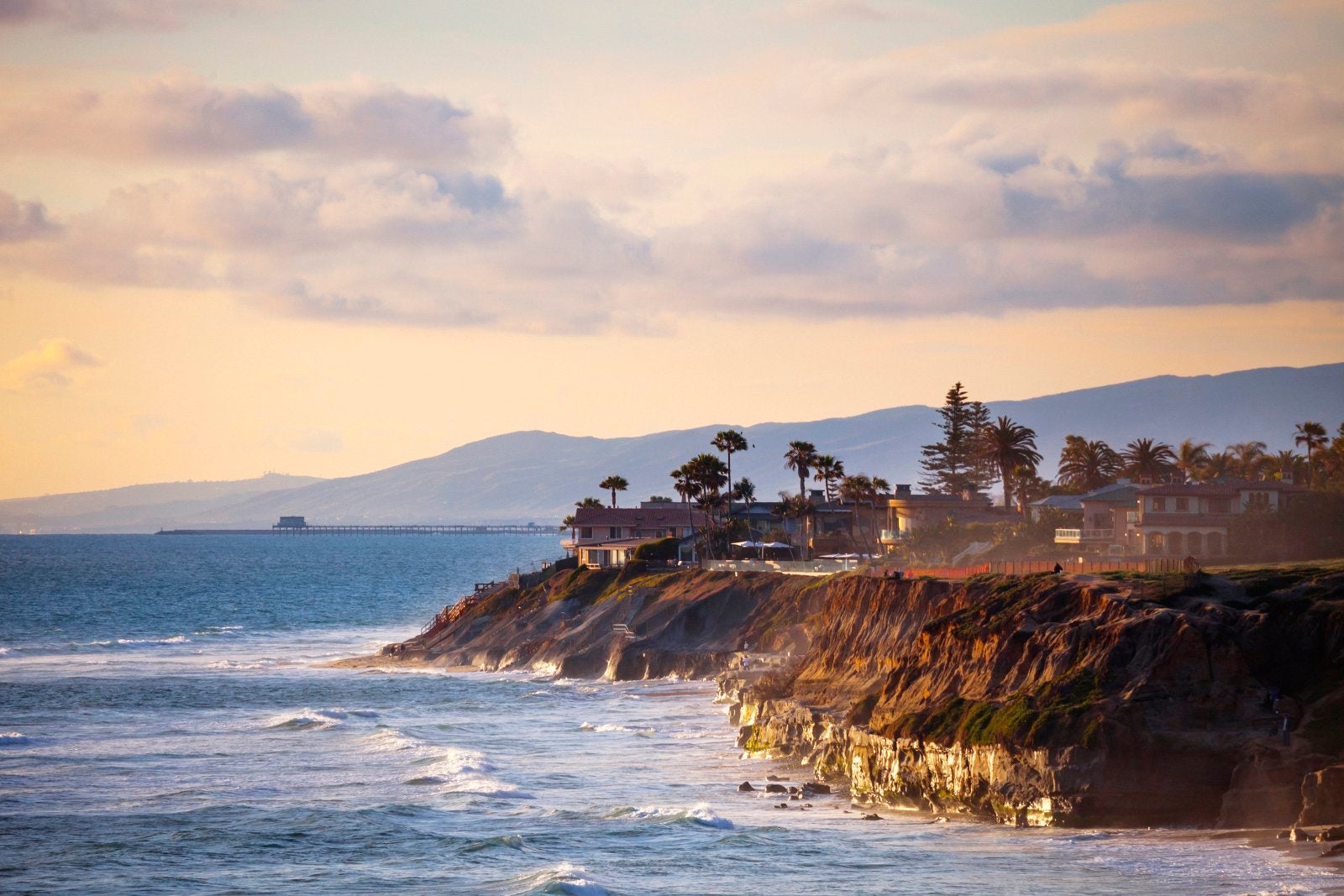
Located in San Diego’s North County, Encinitas is a quintessential Southern California beach town that has successfully resisted the over-commercialization seen in other coastal cities. It is divided into several distinct districts, including Old Encinitas, which features the historic 101 highway, and Leucadia, known for its giant eucalyptus trees and art galleries.
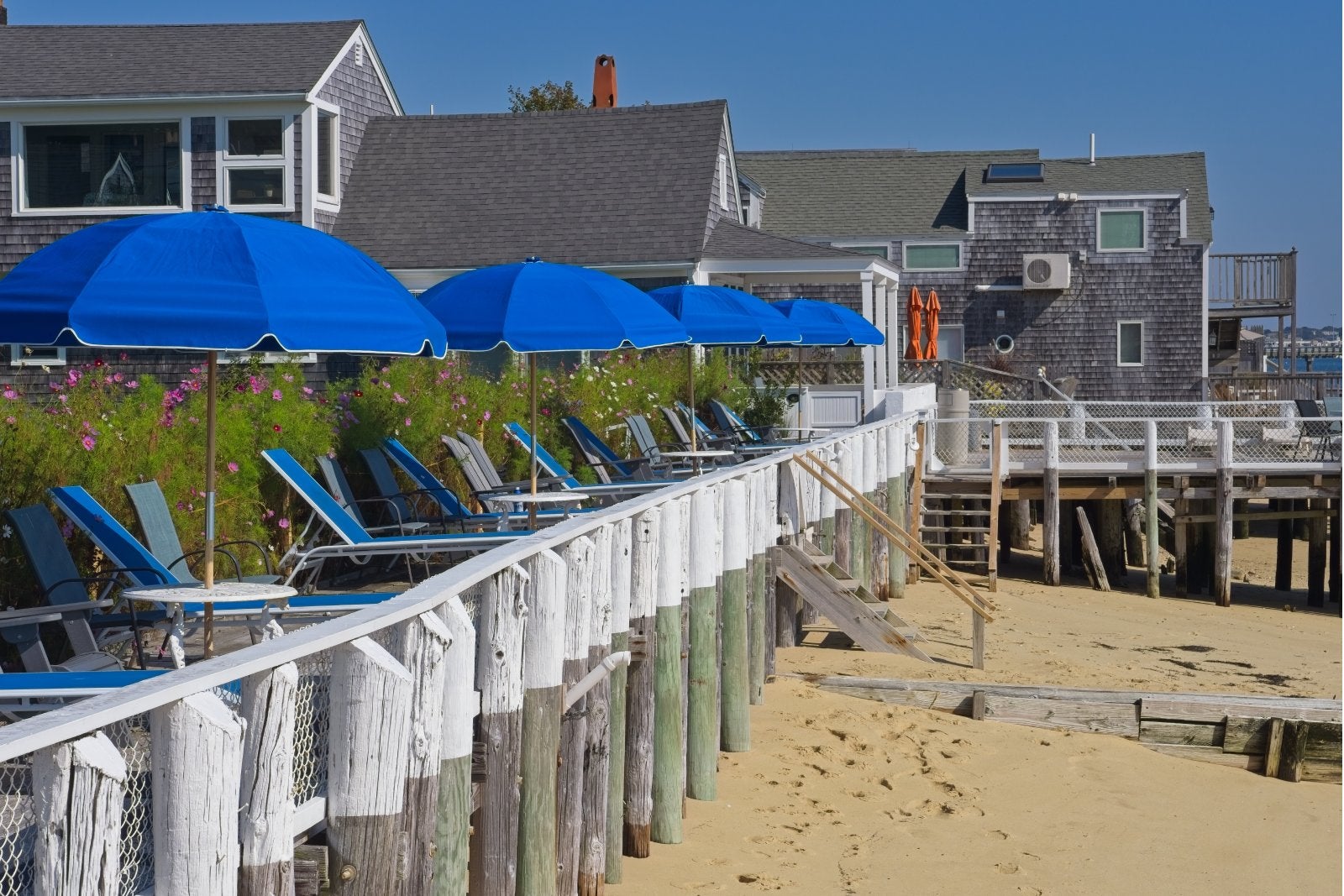
Encinitas is a global center for surf culture, with Swami’s Beach being immortalized in the Beach Boys’ "Surfin’ U.S.A." The town also prioritizes environmental conservation, evidenced by the San Elijo Lagoon Ecological Reserve. For weekend travelers, the town is highly accessible via the Amtrak Pacific Surfliner, which offers scenic rail service from Los Angeles and San Diego, allowing visitors to bypass the notorious Southern California freeway traffic.
Cannon Beach, Oregon: Artistic Majesty
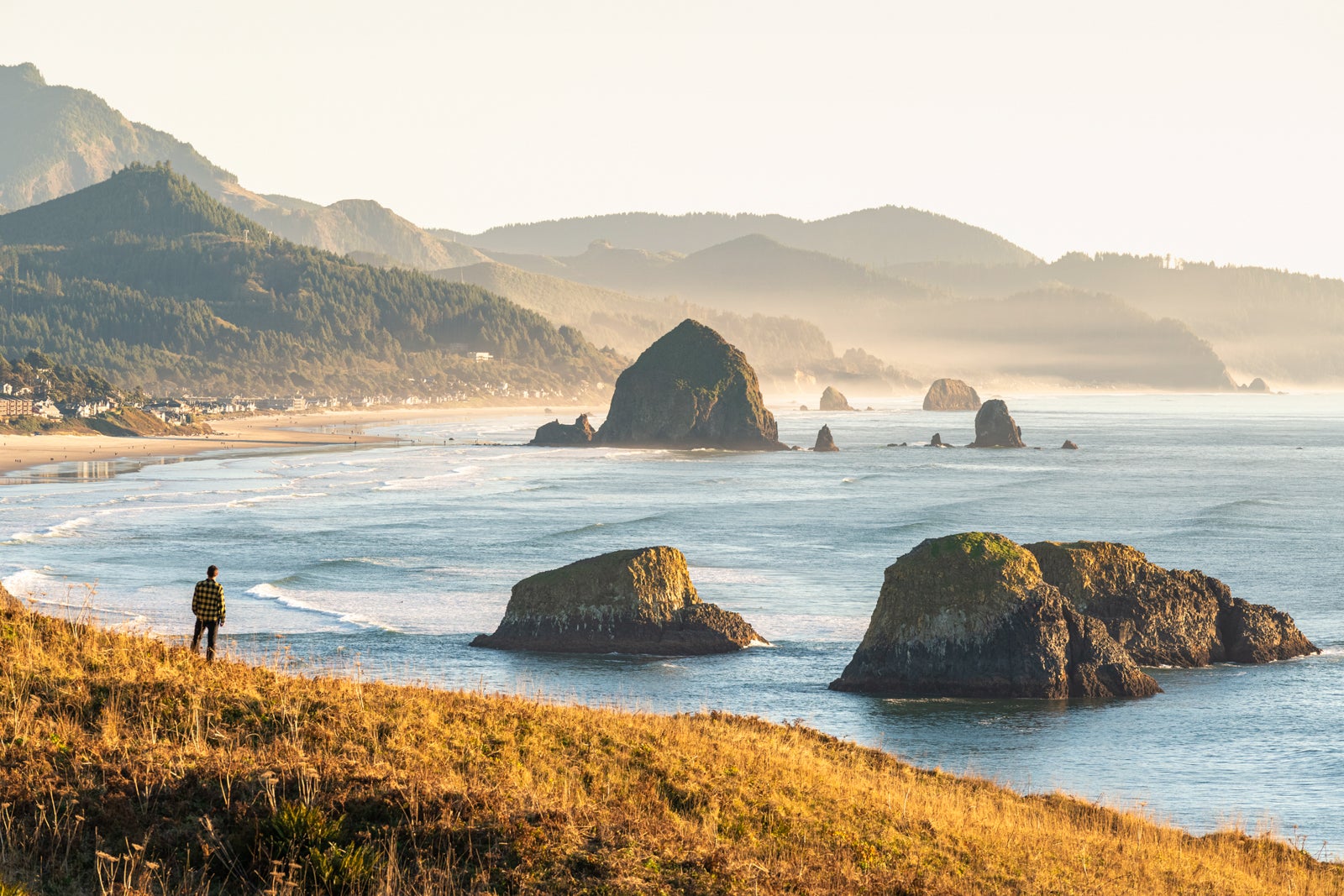
Cannon Beach is perhaps the most visually iconic destination on the Oregon Coast, dominated by the 235-foot Haystack Rock. Unlike the resort-heavy towns of the Atlantic, Cannon Beach maintains a strict building code that emphasizes cedar-shingle architecture and prohibits neon signs, preserving a "village" atmosphere.
The town serves as a gateway to Ecola State Park, which offers some of the most dramatic coastal vistas in the Pacific Northwest. The local economy is driven by a high concentration of art galleries, which host the "Stormy Weather Arts Festival" annually. Located only 80 miles from Portland, it provides a stark, refreshing contrast to the urban environment of the Rose City.
The Great Lakes Alternative: Saugatuck, Michigan
The inclusion of Saugatuck, Michigan, highlights the growing "Third Coast" movement, where Great Lakes destinations are recognized for offering a beach experience comparable to oceanic coasts without the salt or sharks.
Saugatuck: The Art Coast of Michigan
Saugatuck and its "twin" city, Douglas, are situated on the eastern shore of Lake Michigan. The area is famous for Oval Beach, which has been ranked by various international travel publications as one of the best beaches in the world. The town is defined by its massive sand dunes, which visitors can explore via guided dune buggy tours or by climbing the 302 steps of Mt. Baldhead.
Saugatuck’s identity is deeply tied to the Ox-Bow School of Art, an affiliate of the School of the Art Institute of Chicago. This academic presence has fostered a sophisticated downtown area filled with galleries and upscale dining. For residents of Chicago, Detroit, and Grand Rapids, Saugatuck represents a vital recreational outlet, offering a high-end coastal experience within a few hours’ drive.
Broader Implications and Economic Impact
The continued popularity of these beach towns underscores a broader shift in American travel preferences toward "micro-vacations"—shorter, more frequent trips that prioritize ease of travel. This trend has significant economic implications for small coastal municipalities. According to data from the U.S. Travel Association, domestic travelers spent approximately $1.1 trillion in 2023, with coastal counties seeing a disproportionate share of that growth.
However, the success of these towns also presents challenges. Issues such as seasonal labor shortages, housing affordability for service workers, and the environmental impact of increased foot traffic are central themes in local governance. Towns like Cannon Beach and Provincetown have implemented strict zoning and environmental protections to ensure that the very beauty that attracts tourists is not destroyed by them.
As infrastructure improves—specifically through the expansion of regional airport routes and high-speed rail initiatives—these eight towns are well-positioned to remain the premier choices for travelers seeking a high-quality, low-stress weekend by the water. Their ability to provide a comprehensive experience that satisfies aesthetic, culinary, and logistical demands ensures their continued status as benchmarks for the American beach town.
Related posts: