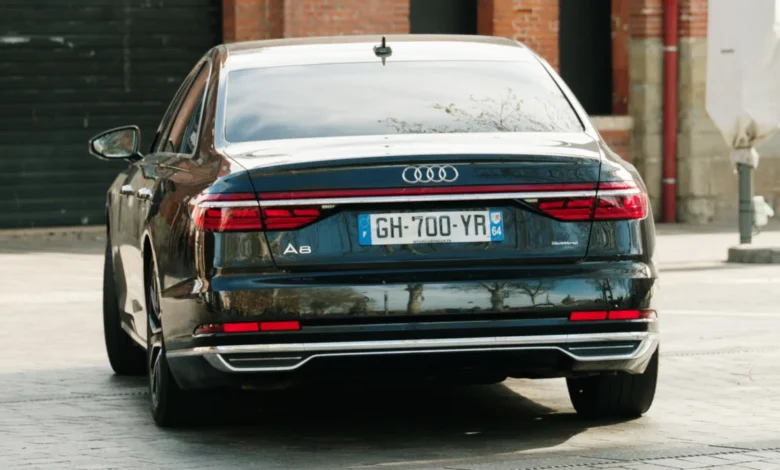
An era spanning more than three decades has officially drawn to a close as German automaker Audi wraps up production of its flagship luxury sedan, the A8. The final iteration of the esteemed executive vehicle rolled off the assembly line at Audi’s historic Neckarsulm manufacturing plant in Germany in mid-October. This milestone marks the definitive end of a 32-year lineage that saw four distinct generations of the vehicle define the upper echelons of automotive engineering, comfort, and technological innovation. The cessation of production follows Audi’s decision earlier in the year to officially stop accepting new customer orders for the model, bowing to the pressures of a rapidly evolving luxury landscape, shifting consumer preferences, and an aging vehicle architecture that could no longer keep pace with fierce competition.
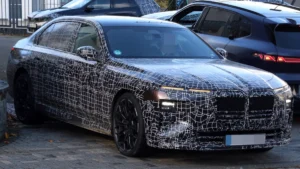
With the retirement of the A8, the competitive landscape of the full-size luxury sedan segment undergoes a significant shift. Longtime rivals Mercedes-Benz and BMW now find themselves operating with one less formidable challenger in a shrinking market. The Mercedes-Benz S-Class and the BMW 7 Series now stand as the primary titans remaining in a traditional vehicle category that has increasingly lost ground to high-riding luxury SUVs and battery-electric alternatives.
A Rich Chronology: Four Generations of Technological Ambition
The journey of the Audi flagship began in early 1994 with the introduction of the original A8. Serving as the spiritual and direct successor to the Audi V8, the inaugural A8 made automotive history by utilizing an all-aluminum space frame construction. Known internally as the Audi Space Frame (ASF), this lightweight chassis technology drastically reduced vehicle weight while enhancing torsional rigidity, setting a new benchmark for handling and efficiency in the heavyweight luxury class.
Just two years later, in 1996, Audi expanded the lineup by releasing the high-performance S8 variant. Powered by an upgraded, naturally aspirated 4.2-liter V8 engine producing 355 horsepower, the S8 proved that executive luxury could be seamlessly paired with sports-car-like dynamics. Over the years, the A8 became renowned for its diverse and ambitious powertrain options, which famously included an ultra-smooth 6.0-liter W12 engine, cementing the car’s status as a technological showcase for the Volkswagen Group.
In late 2002, the second-generation A8 debuted, bringing an even wider array of powerplants to the table. Buyers could configure their luxury cruisers with everything from efficient V6 petrol and diesel engines to potent V8s, a distinctive V10, and the flagship W12.
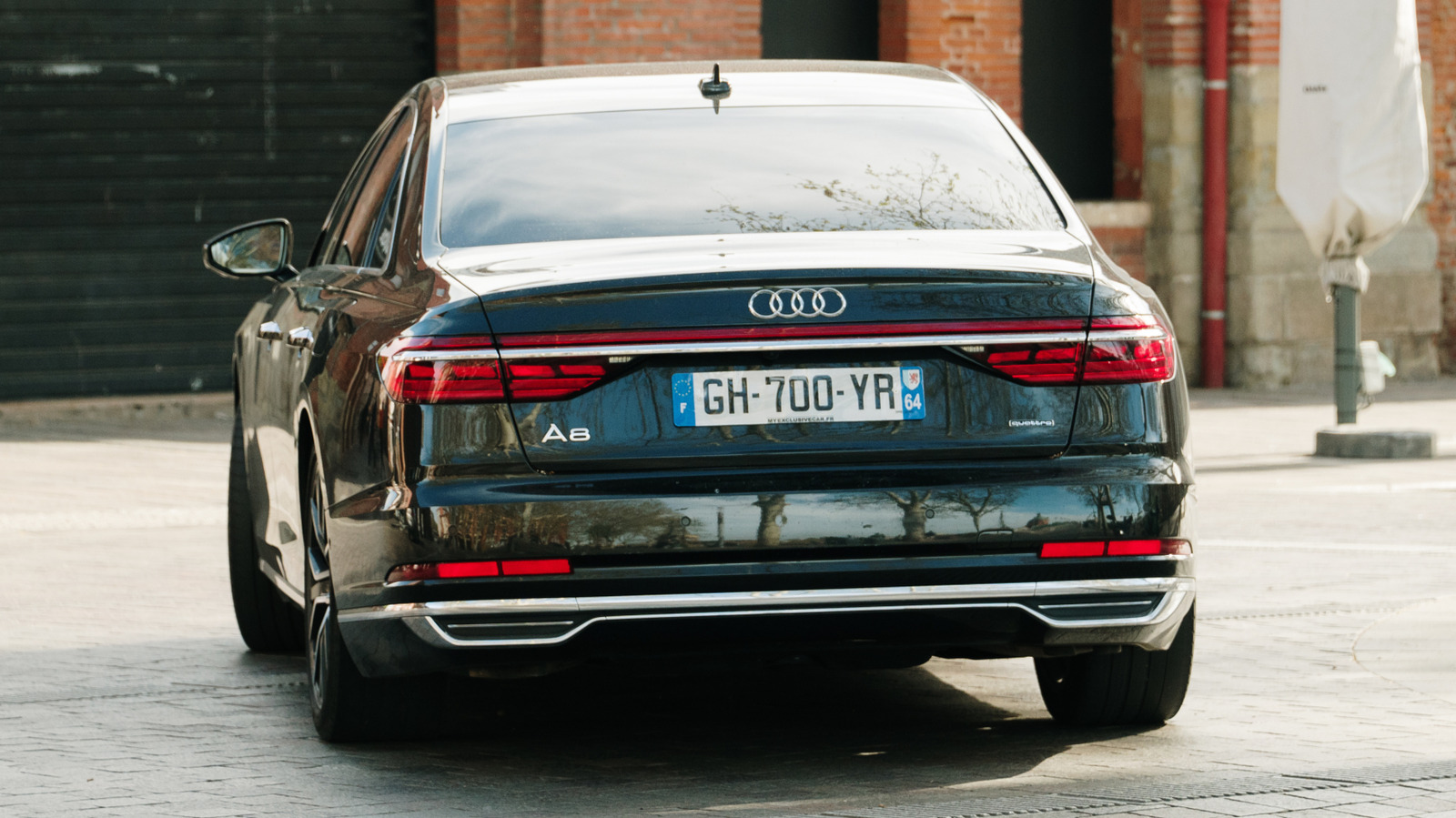
As the calendar turned through the third and fourth generations, the Audi A8 remained a staple for executives, diplomats, and luxury car enthusiasts globally. However, time eventually caught up with the nameplate. While competitors aggressively modernized their flagships—the current-generation Mercedes-Benz S-Class debuted in 2020 and received a substantial refresh for the 2027 model year, and the bold BMW 7 Series arrived in 2022—the fourth-generation Audi A8 had been soldiering on fundamentally unchanged since its initial release in 2017.
Plummeting Sales and Market Realities
The writing was ultimately on the wall for the A8 due to sharply declining sales figures, particularly in key global markets like the United States and Europe. During its commercial peak in the U.S. market in 2013, Audi successfully delivered over 6,000 units of the A8. For a time, it stood proudly alongside its German counterparts as a dominant force in executive boardrooms.
However, subsequent years witnessed a steady, unbroken downward trajectory in demand. By the close of 2025, annual U.S. sales for the A8 had plummeted to a mere 1,406 units. The stark contrast in market performance becomes glaringly obvious when stacked against its direct competition during the same period. In 2025, BMW successfully moved 11,393 examples of the 7 Series in the U.S., while Mercedes-Benz shifted 7,408 units of the S-Class. Unable to justify the massive capital expenditure required to develop a ground-up fifth generation on an aging internal combustion platform, executives in Ingolstadt made the pragmatic, if painful, decision to shutter the A8 line.
Filling the Void: The Rise of the Audi Q9 and Future Luxury Prospects
The departure of the A8 leaves a notable vacuum in Audi’s global portfolio, but the brand is not abandoning the high-end luxury segment entirely. Instead, leadership is pivoting to where the capital and consumer demand currently reside: ultra-luxury SUVs.
To help fill the void left by the flagship sedan, Audi is preparing to introduce the long-awaited Q9. Positioned significantly above the existing Q7 in both size and price, the upcoming Q9 is engineered to serve as a direct rival to heavyweights like the Mercedes-Benz GLS and the BMW X7. Industry insiders note that the Q9 is shaping up to be the most lavish and opulent model ever produced by the four-ring brand. Set to be offered in versatile six- and seven-seat configurations, the Q9 will feature expansive panoramic glass roofs accented by advanced ambient lighting, bespoke interior materials, a sprawling dashboard layout housing up to three distinct screens, and modern conveniences such as MagSafe wireless charging pads.
While no direct sedan successor to the A8 has been officially confirmed by Audi headquarters in Germany, industry reports suggest that a spiritual replacement may still emerge in specific international markets. According to automotive reports from outlets like Auto Motor und Sport, the German manufacturer has been engaged in strategic discussions with technology giant Huawei. The reported objective is to leverage Huawei’s advanced electric vehicle architecture to underpin a brand-new luxury sedan tailored specifically for the Chinese market.
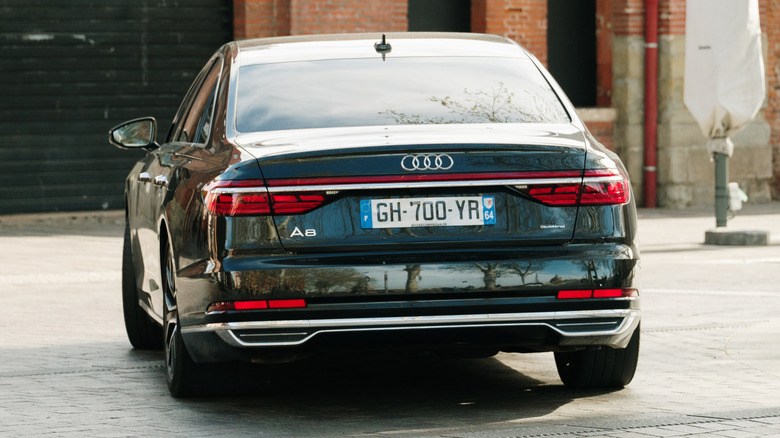
At present, official details regarding this potential vehicle remain strictly limited, including whether the sedan would ever make its way to European or North American showrooms. Should this project materialize, it would align with Audi’s broader strategy of regionalized model development, closely following the path of other China-exclusive or China-first products—such as the E5 Sportback and E7X, which are sold under the capitalized "AUDI" brand name following a joint development agreement with SAIC Motor.
Broader Industry Implications
The death of the Audi A8 signifies more than just the end of a single model line; it serves as a powerful indicator of the structural transformations sweeping through the global automotive industry. Traditional three-box luxury sedans are facing an existential crisis. As global affluent buyers increasingly favor the commanding view, cabin utility, and road presence of large SUVs, passenger car volumes continue to contract.
Furthermore, the staggering financial investments required to transition legacy internal combustion engine (ICE) portfolios into the era of software-defined electric vehicles (EVs) have forced legacy automakers to ruthlessly audit their product lineups. Low-volume, high-cost halo vehicles that fail to yield competitive profit margins or volume are increasingly being cut to fund electrification efforts.
For Audi, moving past the A8 era closes a chapter defined by aluminum space frames, W12 engines, and autobahn cruising, while opening a new chapter focused on high-margin SUVs, software-heavy cabin experiences, and localized joint ventures for the electrified future. Whether the brand can successfully recapture the prestige of the A8 in an SUV-dominated market—or through a tech-partnered sedan abroad—remains one of the most compelling storylines in the modern automotive landscape.