Michèle Mouton Driving A Quattro S1 Up Pikes Peak Is The Coolest Way Up Audi’s New Q7 Campaign

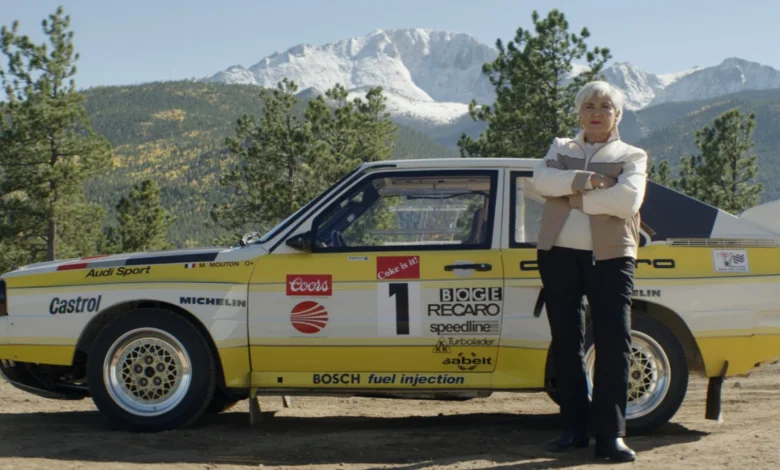
When automotive manufacturers set out to market modern, family-oriented crossover sport utility vehicles, the standard playbook usually involves sweeping drone shots of suburban driveways, serene coastal highways, or grocery store parking lots bathed in the warm light of a golden hour. However, Audi of America has chosen a decidedly more aggressive, heritage-infused route to promote its redesigned Q7 and SQ7 model lines. By leaning heavily into the visceral, tire-shredding legacy of its legendary all-wheel-drive system, the German automaker has engineered a marketing campaign that bridges a gap of four decades. At the center of this strategy is a return to the clouds, reuniting motorsport royalty with one of the most terrifying and celebrated rally machines ever conceived.
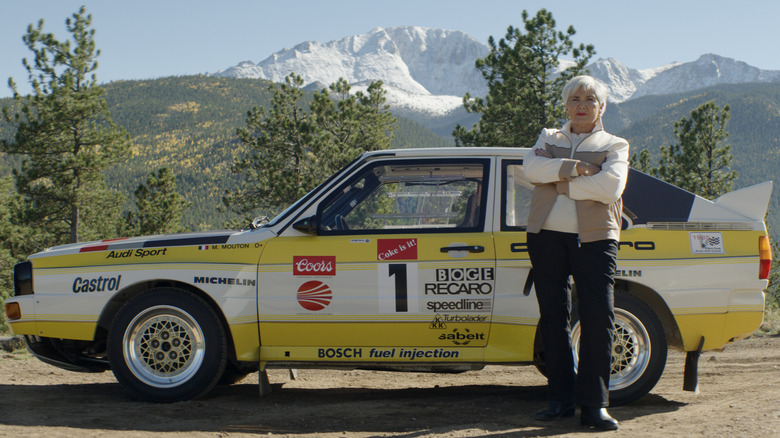
The campaign, officially titled "Performance Runs in the Family," anchors its core narrative around Michèle Mouton, the trailblazing French racing driver who fundamentally altered the landscape of international motorsport. In a stunning four-minute short film, Mouton is placed back behind the steering wheel of an original Audi Sport Quattro S1, climbing the punishing, high-altitude switchbacks of the Pikes Peak International Hill Climb in Colorado. The juxtaposition of the 493-horsepower, flame-spitting Group B monster alongside the refined, technologically advanced 2027 Audi SQ7 serves as a moving testament to how far the brand’s signature quattro all-wheel-drive technology has evolved, while simultaneously reaffirming its roots in unbridled motorsport competition.
The Pikes Peak Legacy and Michèle Mouton’s Historic Ascent
To fully appreciate the gravity of Audi’s latest marketing endeavor, one must revisit the slopes of Pikes Peak as they were in the mid-1980s. Long before the 12.4-mile course was entirely paved with asphalt, the race to the clouds was a terrifying gravelly gauntlet of sheer drop-offs, unpredictable weather, and loose surfaces that punished even the slightest miscalculation. It was here, in 1985, that Michèle Mouton cemented her legendary status in automotive history.
Driving a heavily modified Audi Sport Quattro, Mouton shattered the existing course record, stopping the clock at 11:25.390. In doing so, she became not only the first woman to conquer the grueling Colorado hill climb, but also the first non-American driver to take the overall victory at the event, eclipsing the previous record held by Al Unser Jr. by a remarkable 13 seconds. Her participation and subsequent victory were monumental achievements in an era when motorsport was overwhelmingly male-dominated.
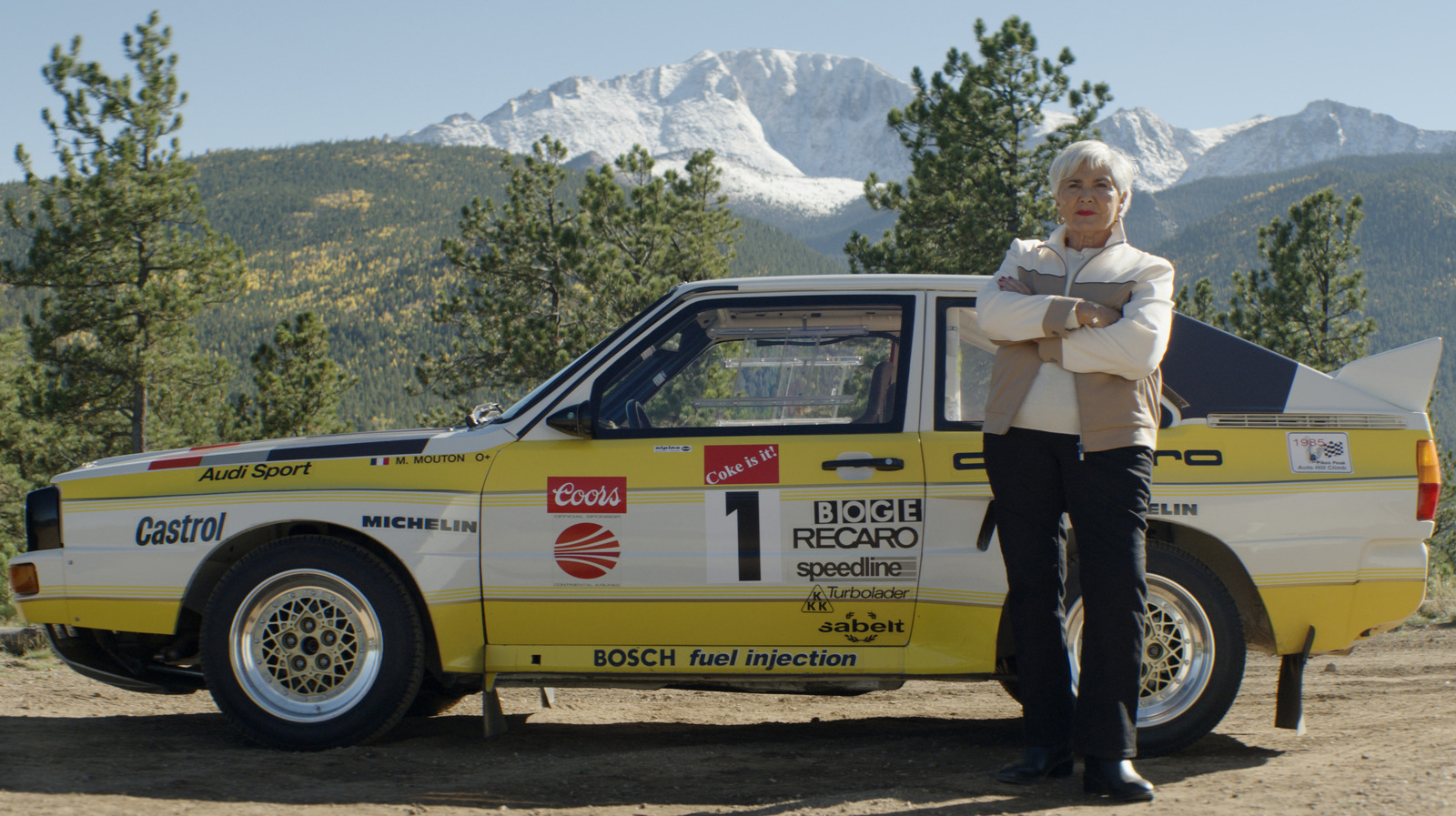
During her nostalgic return to the mountain for Audi’s promotional short film, Mouton navigated the treacherous corners with the same cool, unflappable demeanor that defined her professional career. Observing the physical and environmental changes to the mountain over the 41 years since her landmark victory, Mouton delivered characteristic, razor-sharp commentary, noting simply that during her record-breaking run, she had "no time for feelings." The 1985 Pikes Peak event ultimately stood as Mouton’s final competitive outing with Audi before her departure for a farewell season with Peugeot, cementing her permanent place in the corporate and enthusiast lore of the Four Rings.
Dissecting the "Performance Runs in the Family" Campaign
Audi’s multimedia campaign is split into distinct components designed to capture both broad television audiences and dedicated automotive enthusiasts. Alongside the immersive four-minute documentary-style short featuring Mouton’s return to Pikes Peak, the company has released a conventional 30-second television spot. This shorter broadcast advertisement creates a generational bridge by interspersing archival footage of Mouton’s high-flying Group B exploits with modern footage of the 2027 Audi SQ7 carving its way up the exact same mountain.
To further emphasize the campaign’s titular family theme, the commercial features Mouton alongside her daughter, Jessica, creating an emotional throughline that transcends pure horsepower and lap times. While the third-generation Q7 and SQ7 models are undeniably heavier, more luxurious, and vastly more civilized than a tube-frame Group B rally car, the ad argues that their DNA remains fundamentally linked. The aggressive exterior styling updates and advanced dynamic capabilities of the new SUVs are framed as modern interpretations of the rugged tenacity that defined Audi’s early motorsport victories.
Vito Paladino, President of Audi of America, addressed the strategic thinking behind the campaign, highlighting the enduring philosophy of the brand’s proprietary drivetrain technology. "Audi’s story of quattro didn’t end with rally racing," Paladino stated in an official company release. "That connection between performance and everyday capability is what makes quattro such a defining part of our brand. The all-new Audi Q7 family carries that legacy forward, bringing together Audi’s performance heritage with the innovation and engineering that define the next generation of our vehicles."
Evolution of the Quattro System: From Dirt Stages to Family Haulers
The marketing campaign arrives at a critical juncture for the Q7 nameplate, which continues to serve as a cornerstone for Audi’s large-luxury SUV portfolio. Introduced originally in the 1980s to conquer loose gravel, snow, and mud on the world rally championship circuits, the quattro system revolutionized motorsport by proving that all-wheel drive could offer a distinct competitive advantage over rear-wheel-drive configurations.
Over the decades, the mechanical complexities of the original rally systems have evolved into sophisticated, computer-managed torque-vectoring networks. In the context of the 2027 Audi Q7 and SQ7, quattro is no longer merely a tool for maximizing traction in loose-surface competition; it is a comprehensive safety and performance architecture designed to manage heavy payloads, deliver confident towing capacities, and provide sure-footed handling across varying weather conditions for families.
By explicitly linking the refined ride quality and utility of a modern three-row luxury SUV to the violent, turbo-lag-heavy terror of a 500-horsepower Group B rally car, Audi is executing a calculated brand-positioning maneuver. The company is betting that consumers shopping in the luxury utility segment desire an emotional connection to their vehicles—a sense that the engineering prowess born in the crucible of motorsport trickles down into their daily commutes.
Broader Industry Implications and Marketing Analysis
In an automotive advertising landscape increasingly dominated by digital graphics, abstract lifestyle montages, and announcements regarding electrification, Audi’s campaign stands out for its authenticity. Rather than manufacturing a fictional heritage or relying on generic celebrity endorsements, the brand tapped into its own genuine historical archives and enlisted one of the most respected figures in global motorsporting history.
This approach addresses a growing challenge for legacy automakers: how to maintain brand identity and emotional resonance as vehicles become more digitized, homogenized, and electrified. By reminding consumers of the mechanical triumphs of the past, Audi reinforces the perceived engineering credibility of its present lineup. For Michèle Mouton, the campaign serves as a well-deserved celebration of a formidable career that continues to inspire new generations of drivers, while for Audi, it provides a masterclass in how to honor the past while selling the future.