Audi A4 E-Tron Production Delayed to 2029 Amid Ongoing Scalable Systems Platform Technical Hurdles

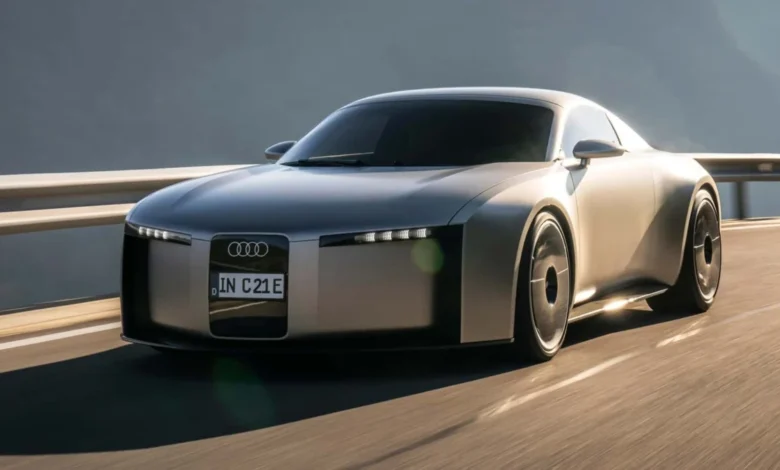
The automotive landscape is shifting beneath the Volkswagen Group as the highly anticipated electric successor to the Audi A4 faces a significant production delay. According to recent disclosures from Audi Chief Executive Officer Gernot Döllner, the upcoming A4 E-Tron will not enter production until at least March 2029. This adjustment represents a critical setback for the automaker’s transition to its next-generation Scalable Systems Platform (SSP), a project intended to serve as the unified technological foundation for the entire Volkswagen Group’s future electric vehicle fleet. The decision to push the timeline back by approximately nine months from the previously stated mid-2028 target reflects deep-seated technical challenges within the Group’s engineering pipeline, signaling that the promise of a seamless transition to a centralized architecture remains elusive.
The Anatomy of the Delay: Engineering Friction
The primary catalyst for this delay, as reported by industry observers and analysts at Handelsblatt, is a complex engineering pivot during the development of the SSP architecture. Volkswagen Group made a strategic decision to transition the platform’s onboard electrical system from a traditional 12-volt standard to a more robust 48-volt architecture. While this change is intended to support more advanced software capabilities, increased data throughput, and more efficient power management, the mid-cycle shift has rippled through the entire engineering ecosystem.
The implementation of a 48-volt system requires a complete redesign of the electrical control units, wiring harnesses, and communication protocols. Because the SSP is intended to be a modular, "one-size-fits-all" solution for brands ranging from Volkswagen and Skoda to Audi and Porsche, the ripple effect of this modification has impacted suppliers and internal development teams across the board. The time required to recalibrate these components to ensure reliability and integration has forced a re-evaluation of the production launch, turning what was once a streamlined roadmap into a shifting target.
A Chronology of Declining Expectations
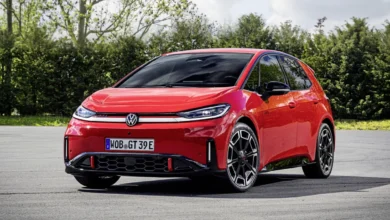
The history of the SSP platform is one of repeated ambition followed by recalibration. When the project was first announced in July 2021, it was presented as the ultimate successor to the MEB (Modular Electric Drive Matrix) platform, which currently powers the Volkswagen ID series and the Audi Q4 E-Tron, and the more advanced 800-volt PPE (Premium Platform Electric) architecture found in the Audi A6 E-Tron and Q6 E-Tron.
At the project’s inception, the Group set an aggressive 2026 launch date for the first SSP-based vehicles. However, that timeline began to slip almost immediately as the complexity of software integration and hardware consolidation became apparent. By October 2025, Audi’s leadership had already adjusted expectations, setting a mid-2028 target for the A4 E-Tron. The latest announcement, pushing the start of production to March 2029, marks the second major delay for this specific nameplate. Industry experts now suggest that even this March 2029 date is subject to further volatility, with potential slips into the late spring or early summer of 2029 if current technical bottlenecks remain unresolved.
The Strategic Contraction of the SSP Platform
The challenges facing the SSP extend beyond a single vehicle model. Initially, the platform was intended to be the bedrock for eight distinct vehicle variants across the Volkswagen Group’s portfolio. Facing mounting costs and the aforementioned technical delays, the Group has significantly narrowed its focus, trimming the planned variants down to four. Management characterizes this as a "strategic consolidation," aimed at focusing resources on the most profitable and high-volume segments. However, critics suggest it is a defensive move designed to mitigate the risks associated with the platform’s slow development.
This contraction has broader consequences for the Group’s electrification strategy. Models such as the planned electric versions of the Golf and the T-Roc, which were originally expected to showcase the versatility of the SSP, now face uncertain timelines that could push their market entry into 2030 or beyond. Furthermore, the partnership with US-based EV manufacturer Rivian, which was intended to bolster the Group’s software capabilities and accelerate the deployment of next-generation electrical architectures, is now yielding results that are only expected to hit the market toward the end of the decade.
Implications for the Audi Brand and Consumer Strategy
For Audi, the delay of the A4 E-Tron is particularly acute. The combustion-engine A4 concluded its production run in 2024, leaving the A5 as the interim solution for the mid-size segment. By pushing the electric successor into 2029, Audi creates a multi-year gap where it lacks a direct, dedicated electric competitor in one of the most important segments of the luxury market.
Historically, Audi planned to use its existing platforms as a bridge to the future. However, the current state of the industry suggests that the PPE and MEB platforms are no longer just "bridge" technologies; they are the core of Audi’s electric offerings for the foreseeable future. Consumers looking for a mid-size electric Audi will effectively be forced to look at existing models rather than the cutting-edge technology that the SSP was promised to deliver. This stagnation in product evolution risks ceding ground to competitors—both legacy automakers and newer EV entrants—who are currently accelerating their own development cycles.
Leadership and Internal Communication
The internal messaging surrounding the delay has also been a point of friction. Shortly before the official acknowledgment of the 2029 date, Audi Chief Technical Officer Rouven Mohr publicly maintained that there was "no need to correct" the production timeline. This disconnect between public messaging and internal reality has raised concerns among investors and industry analysts regarding the transparency of the development process.
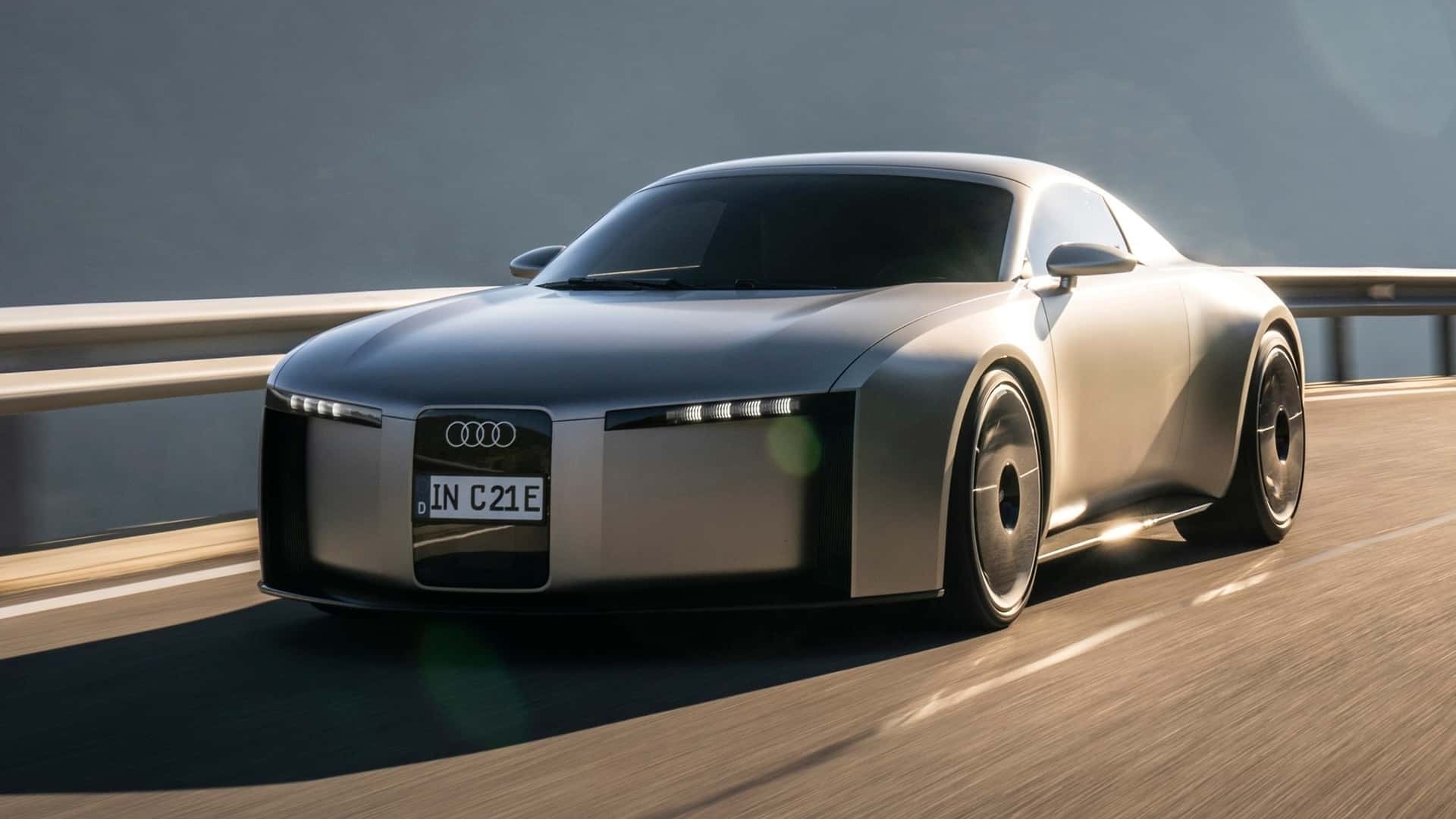
CEO Gernot Döllner has attempted to frame the shift as "ordinary development friction" rather than a fundamental failure of the product concept. He maintains that the A4 E-Tron—drawing heavy design inspiration from the Concept C—will remain a landmark vehicle, serving as a flagship for the brand’s shift toward a digitized, electrified future. Whether the final product can live up to this expectation after such a long gestation period remains a central question for the brand’s stakeholders.
Broader Market Context
The struggles of the Volkswagen Group’s SSP mirror a wider crisis of confidence in traditional European automakers as they attempt to compete with the rapid development cycles of global rivals. The transition to software-defined vehicles is proving to be a significantly more difficult hurdle than the electrification of powertrains alone. While the mechanical aspects of building a car are well-understood by the Group, the integration of 48-volt systems, advanced AI-driven software, and complex supply chain management has created a "perfect storm" of delays.
As the industry approaches the end of the decade, the ability to deliver on these complex, high-technology platforms will be a primary determinant of market share. For Volkswagen and Audi, the success of the SSP is not merely about launching a new version of the A4; it is about proving that the group can remain relevant in an era where software architecture is as important as build quality and performance. With the A4 E-Tron now pushed back to 2029, the window of opportunity is narrowing, and the pressure on the engineering teams to deliver a stable, competitive platform has never been higher.
The automotive market will continue to monitor the progress of the SSP with keen interest. As it stands, the delay of the A4 E-Tron is a cautionary tale of how the complexity of modern automotive engineering can force even the largest manufacturers to reset their visions, reminding the industry that in the transition to electric mobility, time is as valuable a commodity as the battery technology itself. Audi has yet to provide further comment on the specific milestones it hopes to hit in the coming months, but all eyes remain fixed on whether the 2029 target can be held, or if further adjustments to the roadmap are inevitable.