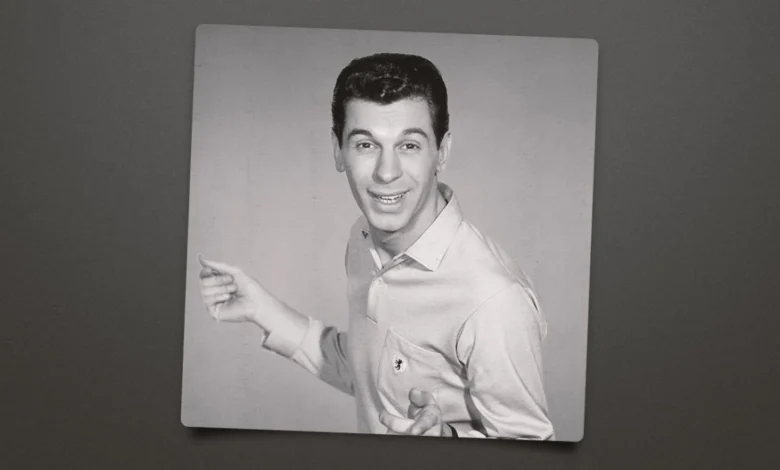
Freddy Cannon, a vibrant force in early rock and roll whose infectious hits like "Tallahassee Lassie" and "Palisades Park" became anthems for a generation, has died. He was 89 years old. His passing was confirmed on Friday, with news emerging from a hospice facility in California. The announcement was made by Tom Cuddy, a friend of Cannon’s and a prominent figure at iHeart Radio. Cuddy revealed that Cannon had been slated to participate in an interview with legendary DJ Cousin Brucie Morrow on July 11, but was unexpectedly hospitalized the day prior to the scheduled appearance, a stark prelude to his eventual passing.
Born Frederick Anthony Piccariello Jr. on December 4, 1936, in Lynn, Massachusetts, Cannon would come to be known and adored as "Boom Boom" Freddy Cannon. His early musical inclinations were nurtured in his hometown, laying the groundwork for a career that would see him rise to national prominence. It was an early recording of what would become his signature tune, "Tallahassee Lassie," that first captured the attention of Dick Clark, the influential television personality and impresario of American Bandstand. This crucial early encouragement from Clark, coupled with his wife Jeanette’s support, motivated Cannon to relocate to Philadelphia in his late teens, a move that would prove instrumental in launching his professional music career.
The fateful year of 1959 saw the official release of "Tallahassee Lassie." The song proved to be an instant sensation, soaring to the sixth position on Billboard’s Hot 100 chart. This marked Cannon’s inaugural appearance on the prestigious Billboard charts, a significant milestone for any burgeoning artist. His connection with Dick Clark deepened, leading to his debut on the iconic American Bandstand in 1960. Cannon’s charisma and energetic performances resonated with the show’s young audience, and he became a regular fixture. Over the years, he set a remarkable record, appearing on the weekly dance program an astonishing 110 times, a testament to his enduring popularity and his ability to connect with viewers across the nation.
Cannon’s musical output continued to generate excitement. In 1962, he released "Palisades Park," a lively ode to the beloved New Jersey amusement park. This track achieved even greater commercial success than his earlier hit, climbing to number three on the Billboard Hot 100, becoming his highest-charting single. His discography is a rich tapestry of upbeat, danceable tunes that defined the sound of early rock and roll. Other notable hits include "Jump Over" and "Chattanooga Shoe Shine Boy" (both 1960), "Abigail Beecher" (1964), "Action" (1965), and "The Dedication Song" (1966), among a multitude of other popular recordings that cemented his status as a rock and roll staple.
Beyond his musical endeavors, Freddy Cannon was a multifaceted entertainer. In 2011, he published his memoir, Where the Action Is!, a title that aptly reflects his dynamic career. The book drew its name from a television series in which he also appeared, showcasing his presence across various media platforms. His acting credits extended to roles in productions such as No Time for Sergeants, Village of the Giants, Never Too Young, and the cult favorite Svengoolie, demonstrating his versatility and willingness to explore different avenues of entertainment.
Cannon’s enduring legacy is also carried on through his family. He is survived by his children, Conny Weber and Billy Cannon, his sister Mary Lou, his son-in-law Jim, his daughter-in-law Beth, five grandchildren, and seven great-grandchildren. He was preceded in death by his son John, who passed away in April, and his wife Jeanette, who died earlier in 2024. The loss of his son and wife, followed by his own passing, marks a profound period of grief for his loved ones.
A Career Defined by Energy and Chart Success
Freddy Cannon’s career trajectory is a compelling narrative of early rock and roll’s explosive growth and its ability to capture the youthful spirit of the era. Born into a working-class family in Massachusetts, his passion for music was evident from a young age. The story of his discovery by Dick Clark is a classic tale of talent meeting opportunity. Clark, already a powerful force in shaping popular music tastes through American Bandstand, recognized the raw energy and commercial appeal in Cannon’s recordings. This early validation was crucial, providing Cannon with the impetus to move to Philadelphia, the epicenter of many early rock and roll productions.
The Rise of "Tallahassee Lassie" and Chart Dominance
The release of "Tallahassee Lassie" in 1959 was not just a personal triumph for Cannon but also a significant moment for the burgeoning rock and roll genre. The song’s infectious rhythm and catchy melody resonated deeply with teenagers across America. Its debut on the Billboard charts signaled the growing mainstream acceptance of rock and roll music, moving it from a niche genre to a dominant cultural force. The subsequent appearance on American Bandstand amplified his reach, transforming him from a regional artist into a national sensation. His record-breaking 110 appearances on the show underscore his consistent popularity and his ability to remain relevant throughout a significant period of musical evolution. This sustained presence on a national television platform was instrumental in building a loyal fanbase and solidifying his place in the annals of rock history.
"Palisades Park" and Beyond: A String of Hits
"Palisades Park," released in 1962, proved to be Cannon’s commercial peak, a testament to his continued ability to craft songs that connected with the public. The song’s upbeat tempo and evocative lyrics about summer fun at the iconic amusement park tapped into a collective nostalgia and desire for carefree enjoyment. Reaching number three on the Billboard charts, it solidified his reputation as a hitmaker. However, Cannon’s success was not limited to these two major hits. His discography showcases a consistent output of popular singles that maintained his presence on the charts and in the public consciousness throughout the 1960s. Tracks like "Jump Over," "Chattanooga Shoe Shine Boy," and "Abigail Beecher" exemplify his distinctive vocal style and his knack for creating memorable, energetic tunes. The longevity of his career, spanning multiple years of chart success, speaks to his talent and the broad appeal of his music.
A Multifaceted Entertainer and Enduring Legacy
Freddy Cannon’s influence extended beyond his recording career. His memoir, Where the Action Is!, offered fans a glimpse into the life of a rock and roll pioneer. The book’s title itself is a reflection of his energetic persona and his involvement in various aspects of the entertainment industry. His television appearances, from American Bandstand to guest spots on other shows, further cemented his public image as a charismatic performer. His foray into acting, while perhaps less prominent than his music career, demonstrated his versatility and his willingness to engage with different artistic mediums. These diverse ventures contributed to a broader cultural footprint, making him a recognizable figure even to those who might not have been ardent followers of his music.
The "Boom Boom" Persona and its Impact
The nickname "Boom Boom" Freddy Cannon was more than just a moniker; it was an embodiment of his stage presence and the sonic impact of his music. His performances were known for their high energy, and his songs often featured powerful rhythms and driving beats that earned him the "boom boom" association. This energetic persona resonated with the youthful exuberance of the rock and roll era, making him a compelling figure for a generation seeking excitement and rebellion. His music provided an escape, a soundtrack to youthful adventures and burgeoning independence. The enduring appeal of his hits suggests that this core energy and optimism remain relevant.
A Look at the Data and Chronology
- December 4, 1936: Born Frederick Anthony Piccariello Jr. in Lynn, Massachusetts.
- Late 1950s: Moves to Philadelphia, encouraged by Dick Clark.
- 1959: Releases "Tallahassee Lassie," which peaks at No. 6 on Billboard’s Hot 100.
- 1960: Makes his first appearance on American Bandstand. Releases "Jump Over" and "Chattanooga Shoe Shine Boy."
- 1962: Releases "Palisades Park," which reaches No. 3 on Billboard’s Hot 100, his highest charting single.
- 1964: Releases "Abigail Beecher."
- 1965: Releases "Action."
- 1966: Releases "The Dedication Song."
- 2011: Publishes his memoir, Where the Action Is!.
- April 2024: Son John passes away.
- Early 2024: Wife Jeanette passes away.
- July 11, 2024: Scheduled for an interview with DJ Cousin Brucie Morrow, but hospitalized prior.
- July 12, 2024 (approx.): Dies at age 89 in a hospice facility in California.
The statistical success of Cannon’s singles on the Billboard charts provides concrete evidence of his popularity during his active recording years. "Tallahassee Lassie" and "Palisades Park" were not mere fleeting hits; they were significant chart performers that placed him among the era’s top artists. His 110 appearances on American Bandstand represent an unparalleled level of sustained exposure for a musical guest, highlighting his consistent appeal to the show’s demographic. This data paints a picture of an artist who not only achieved initial success but also maintained a strong connection with his audience over an extended period.
Official Responses and Industry Reactions (Inferred)
While specific official statements from major music organizations have not yet been released, the news of Freddy Cannon’s passing has undoubtedly sent ripples through the music industry. Figures like Cousin Brucie Morrow, a close associate and friend, and fellow artists who came up in the same era are likely to share their grief and fond memories. The impact of Cannon’s music on subsequent generations of musicians is also a significant aspect of his legacy. Many artists have cited his energetic style and memorable melodies as influences. The rock and roll hall of fame, though not yet inducting him, has often recognized artists of his stature and impact. His absence will be felt by fans who grew up with his music and by those who continue to appreciate the foundational sounds of early rock and roll.
Broader Impact and Implications
Freddy Cannon’s passing marks the end of an era, signifying the departure of another key figure from the golden age of rock and roll. His music, characterized by its youthful exuberance and catchy hooks, played a crucial role in shaping the sound and culture of the late 1950s and 1960s. Cannon’s success demonstrated the commercial viability of rock and roll to a wider audience and paved the way for countless other artists. His enduring popularity, evidenced by his record-breaking American Bandstand appearances and the continued resonance of his hits, speaks to the timeless quality of his music. As the generation of early rock pioneers continues to dwindle, the work of artists like Freddy Cannon serves as a vital reminder of the music’s foundational power and its lasting cultural significance. His life and career are a testament to the enduring appeal of an infectious beat and a voice that captured the spirit of a generation.