Paramount+ Confirms No Second Season for Tracy Morgan Comedy "Crutch" Amidst Strategic Realignment

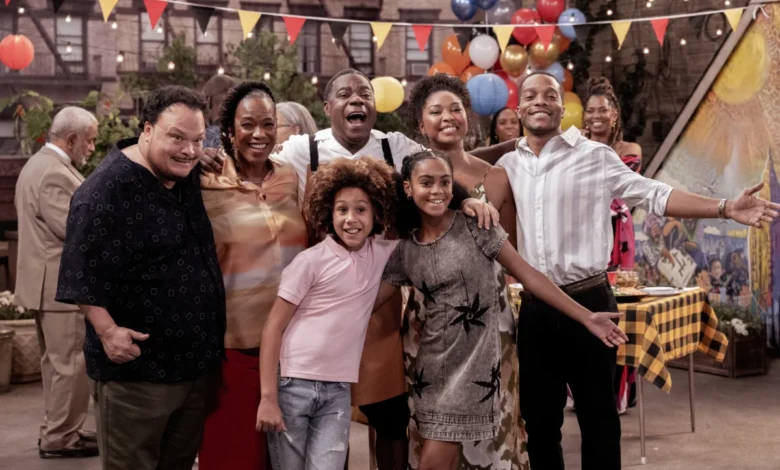
The curtain has officially fallen on Paramount+’s multi-camera comedy series Crutch, starring veteran comedian Tracy Morgan. The streaming service has opted not to renew the show for a second season, a decision that, while perhaps not a shock to industry observers, signals a significant shift in Paramount+’s original programming strategy and reflects broader changes within the parent company, Paramount Global. The conclusion of Crutch marks the end of an era for original multi-camera sitcoms on the platform, underscoring a deliberate pivot away from the genre.
The eight-episode first season of Crutch premiered on Paramount+ on November 3, 2025, after being filmed in front of a live audience in the fall of 2024. The show’s limited run was always a consideration, with cast options expiring at the end of the previous year, effectively sealing its fate. However, the ultimate decision to not move forward with additional episodes was influenced by more profound corporate developments that had been unfolding earlier in 2025.
Strategic Shifts Following Skydance Acquisition
The landscape for Paramount+ and its associated studios underwent a seismic shift in early 2025 with the acquisition of a controlling stake in Paramount Global by Skydance Media. This major corporate maneuver immediately began to reshape the strategic priorities of the entertainment giant, with Paramount+’s content portfolio being a key area of focus. Following the closure of the Skydance deal, Cindy Holland, Chair of Direct-to-Consumer, who oversees Paramount+, articulated the streamer’s evolving programming philosophy. In a notable interview with Deadline in August 2025, Holland candidly admitted that multi-camera comedies would no longer be a central pillar of Paramount+’s original content strategy.
Holland explained that CBS, a sister network under the Paramount umbrella, already boasts a robust and highly successful portfolio of multi-camera sitcoms. These established series are a significant draw for the network and, crucially, are available on Paramount+ the day after their broadcast. This existing library, coupled with the cost-effectiveness and proven appeal of CBS’s traditional sitcom fare, led to the strategic conclusion that Paramount+ should not invest further in developing its own original multi-camera comedies. Instead, the focus would shift to other genres where the streamer could carve out a distinct identity and attract a broader subscriber base.
Crutch as the Lone Survivor and Its Demise
The absence of a renewed commitment to multi-camera comedies on Paramount+ meant that Crutch was, by the end of its run, the solitary original comedy series of its kind on the platform. The streamer had not made any significant comedy acquisitions or new series orders in this format, and notably, did not have a dedicated head of comedy, although Jane Wiseman, EVP, Head of Originals, DTC, possessed a background in the genre. This lack of a focused comedy division further solidified the perception that multi-camera sitcoms were not a priority.
The fate of Crutch was further complicated by the career trajectory of its lead, Tracy Morgan. Even as Crutch was being produced, Morgan was already a sought-after talent. In March 2025, he was tapped to star in an NBC pilot developed by Tina Fey and Robert Carlock, the creative forces behind the acclaimed sitcom 30 Rock. This pilot eventually became the series The Fall and Rise of Reggie Dinkins. Initially, Morgan was in a "second position" agreement for the NBC series, meaning it took precedence over his commitments to Crutch only if it was picked up to series. However, by the time the renewal window for Crutch season two arrived in May 2026, the NBC series had secured its place, and Morgan’s option for Crutch had lapsed, effectively placing him in "first position" for the NBC project. This dual commitment scenario, driven by Morgan’s desirability and the success of the NBC pilot, made a return to Crutch logistically challenging, if not impossible.
Broader Cast and Crew Implications
With the cancellation of Crutch and the expiration of cast options, the other actors who starred alongside Morgan have also moved on to new opportunities. This is a common occurrence in the television industry, where actors, producers, and writers often navigate a landscape of project-based work. The ensemble cast of Crutch, which included Jermaine Fowler, Kecia Lewis, Adrianna Mitchell, Adrian Martinez, Braxton Paul, and Finn Maloney, have each pursued their next career endeavors.
The series was executive produced by Cedric the Entertainer and Eric C. Rhone, with Owen Smith serving as creator, executive producer, and showrunner. The production team also included Aaron Kaplan for Kapital Entertainment, Wendi Trilling for TrillTV, and Mike Mariano, alongside Tracy Morgan himself, as executive producers. The show’s creators and producers, while likely disappointed by the cancellation, are undoubtedly accustomed to the ebb and flow of television production and will be looking for their next projects.
Critical Acclaim and Thematic Context
Despite its short lifespan, Crutch garnered significant critical praise, achieving a rare perfect 100% score on Rotten Tomatoes. This critical acclaim highlights the quality of the writing, performances, and overall execution of the series, making its cancellation perhaps more bittersweet for those involved and for the critics who lauded it.
The series was conceived as an offshoot of the CBS original comedy The Neighborhood. Crutch centered on Francois "Frank" Crutchfield, played by Tracy Morgan, a charismatic and beloved Harlem shop owner. The narrative revolved around his world being upended when his highbrow son and free-spirited daughter unexpectedly move back into the family home. This premise offered fertile ground for comedic situations, exploring themes of family dynamics, intergenerational relationships, and the complexities of modern life within a vibrant urban setting. The show’s connection to The Neighborhood, a successful and long-running sitcom, initially provided a built-in audience and a familiar universe for viewers.
The Future of Multi-Camera Comedies on Streaming
The discontinuation of Crutch from Paramount+’s slate is not an isolated incident but rather part of a broader trend in the streaming industry. While multi-camera comedies have a storied history and a dedicated fanbase, their production costs, filming methods (often in front of a live studio audience), and appeal have been debated in the context of the streaming wars. Many newer streaming platforms have prioritized single-camera comedies or genre-bending content that might be perceived as more modern or visually distinctive.
Paramount+’s decision, driven by both corporate strategy and a pragmatic assessment of its existing content library, signals a clear direction: to leverage its strengths in traditional sitcoms through CBS while focusing Paramount+ originals on other areas where it can differentiate itself. This strategic realignment is a calculated move to optimize resources and appeal to a wider audience in an increasingly competitive streaming market. The success of The Neighborhood on CBS and its availability on Paramount+ means that the streamer can still offer viewers a taste of the multi-camera genre without the significant investment required for new original productions in that format.
Analyzing the Implications
The cancellation of Crutch has several implications for the streaming landscape and the future of multi-camera comedy:
- Strategic Focus: Paramount+ is clearly signaling its intent to concentrate on genres and content that align with its core strengths and perceived market advantage. This includes a potential emphasis on drama, unscripted content, and perhaps more niche original series that can attract dedicated fan bases.
- The Value of Live Audiences: The live studio audience format, a hallmark of traditional multi-camera sitcoms, may be seen as less essential or cost-effective for a streaming-first platform aiming for global reach and diverse viewing habits.
- Talent Mobility: Tracy Morgan’s situation exemplifies the dynamic nature of the entertainment industry. His ability to secure a leading role in a new network series shortly after Crutch wrapped underscores his enduring appeal and the opportunities available to established talent.
- Critical Acclaim vs. Commercial Viability: The paradox of Crutch achieving a perfect Rotten Tomatoes score while still being canceled highlights the complex interplay between critical reception and the commercial realities of streaming services. Factors beyond critical praise, such as subscriber engagement, cost of production, and strategic alignment, play a significant role in renewal decisions.
- The Future of Multi-Camera: While Paramount+ is stepping back, the future of multi-camera comedy is not entirely bleak. Networks like CBS continue to invest in the format, and it remains a popular choice for many viewers who appreciate its traditional structure and comedic style. However, its presence on streaming platforms may become more curated, focusing on established hits or carefully selected new ventures.
In conclusion, the end of Crutch is a multifaceted story, reflecting corporate restructuring, evolving content strategies, and the inherent challenges of the television industry. While the series itself may be over, its story is intertwined with larger industry shifts that will continue to shape the content we see on our screens.