The Transformation of Ko Lipe: Assessing the Consequences of Rapid Tourism Development in Thailand


The evolution of Ko Lipe from a secluded Andaman Sea outpost into a high-density tourism hub represents a significant case study in the broader challenges facing Southeast Asian island destinations. Nineteen years ago, the island was defined by minimal infrastructure: limited electricity, a lack of paved roads, and a modest capacity for visitors. Today, the island serves as a primary example of rapid urbanization and infrastructure expansion within a fragile marine ecosystem, raising critical questions regarding environmental sustainability and the socio-economic impacts on local communities.
A Chronology of Transformation: From Seclusion to Mainstream
In 2006, Ko Lipe was classified as a frontier destination for backpackers. The island’s economy relied heavily on small-scale hospitality and traditional fishing. Daily life was dictated by the availability of electricity, which was typically restricted to a few hours each evening. Accommodations consisted primarily of basic wooden bungalows, and the island’s landscape remained largely untouched by large-scale commercial development.
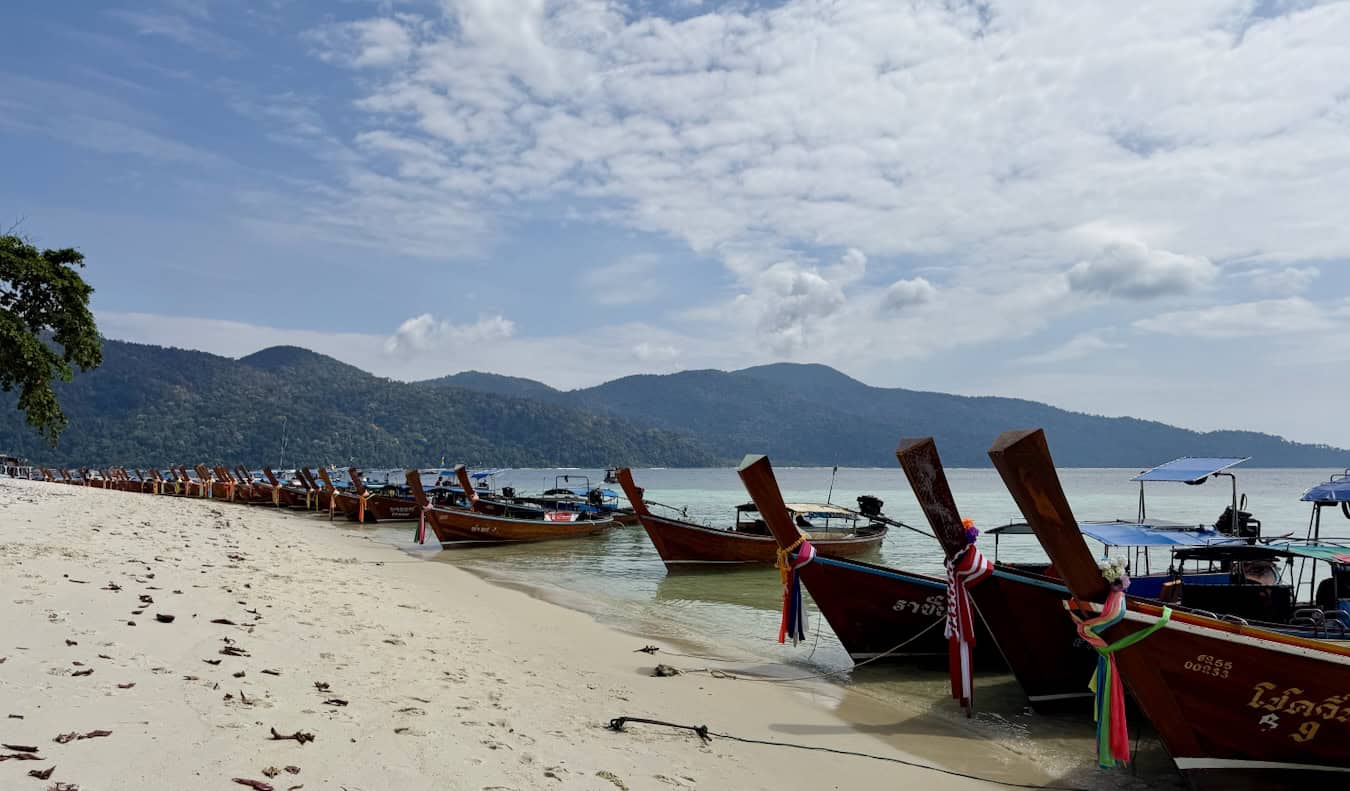
Between 2010 and 2025, a dramatic shift occurred. As Thailand’s tourism sector expanded, Ko Lipe’s accessibility improved through increased ferry services from the mainland and neighboring Malaysia. The island transitioned from a seasonal, low-impact retreat to a year-round destination. The construction of concrete thoroughfares, designed to accommodate motorized transport and heavy construction equipment, replaced the island’s original dirt trails. This period saw the proliferation of multi-story resorts, some of which require significant water and energy resources—commodities that were not naturally present in sufficient quantities to support such density.
Environmental and Infrastructure Pressures
The rapid development of Ko Lipe has placed an immense strain on the island’s physical and biological environment. The lack of a centralized, island-wide water management system has forced resorts to rely on private wells and desalination processes. These practices, when scaled for high-capacity tourism, can lead to the depletion of freshwater lenses—the thin layer of fresh groundwater beneath an island—and the potential intrusion of saltwater.
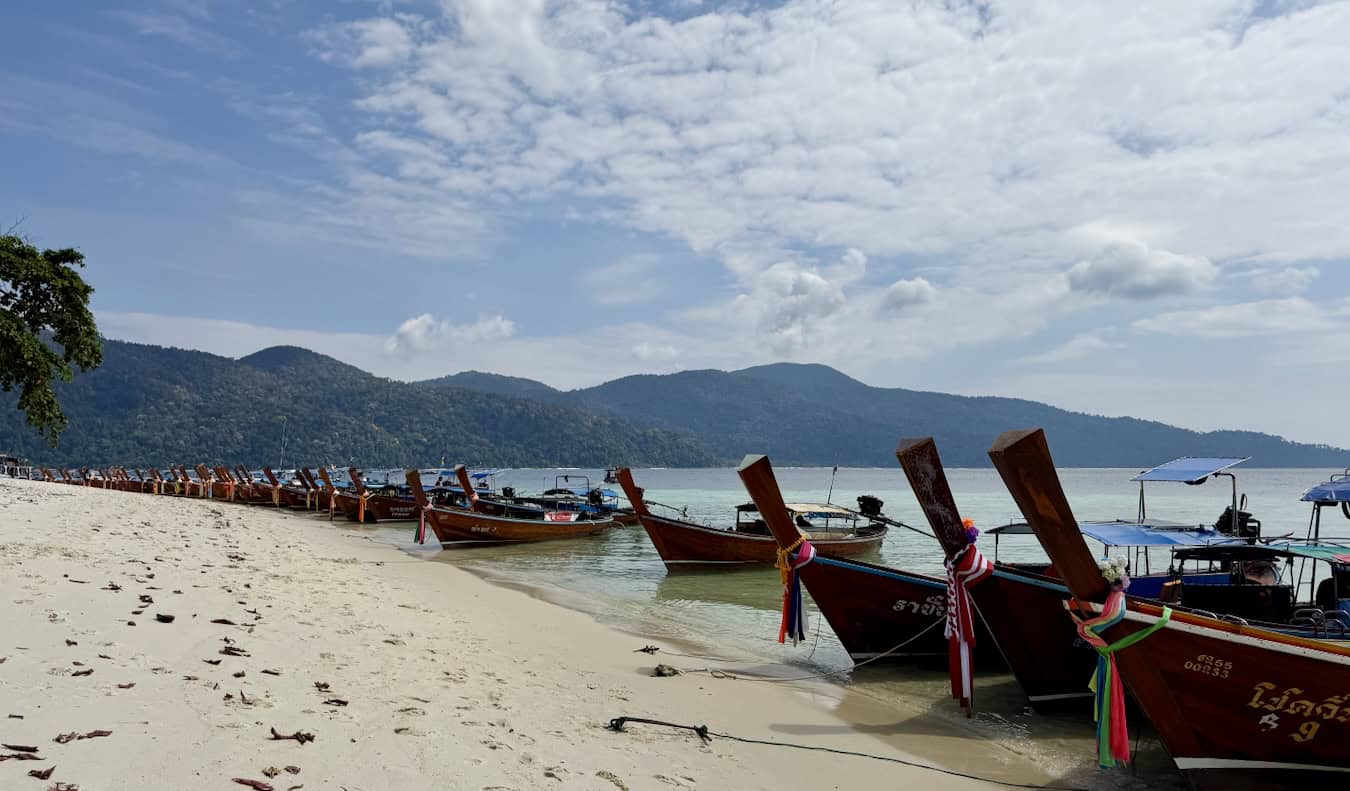
The marine ecosystem surrounding the island, which falls within the Tarutao National Marine Park, has shown signs of degradation. Marine biologists and environmental researchers have noted that increased boat traffic, particularly the frequent use of long-tail boats with internal combustion engines, has led to elevated levels of fuel pollution in coastal waters. Furthermore, the physical impact of anchoring, combined with the increase in nutrient runoff from waste mismanagement, has accelerated the bleaching and death of local coral reefs. These reefs are not only critical for biodiversity but also serve as natural barriers against coastal erosion, a protection that is increasingly compromised as the island’s shoreline is altered by construction.
Socio-Economic Implications for the Local Workforce
The economic boom has not been evenly distributed. As property values on the island surged, many indigenous families—specifically the Urak Lawoi, the sea-faring people native to the region—faced pressure to sell their ancestral land to commercial developers from the mainland. This shift has resulted in a demographic change where a significant portion of the service-sector workforce now consists of laborers recruited from off-island.
While the tourism sector has provided employment opportunities, the economic benefits often flow back to large corporations rather than remaining within the local community. The displacement of locals from their traditional fishing grounds to make way for tourism infrastructure has created a dependency on a volatile industry, leaving many residents vulnerable to the boom-and-bust cycles characteristic of mass tourism destinations.
Comparative Analysis: The Regional Context
Ko Lipe’s current trajectory mirrors the historical development patterns observed in other Thai islands, such as Ko Phi Phi and Phuket. In the case of Ko Phi Phi, rapid development in the late 1990s and early 2000s eventually led to significant environmental management crises, forcing the government to implement stricter carrying-capacity regulations, including the temporary closure of Maya Bay to allow for ecological recovery.
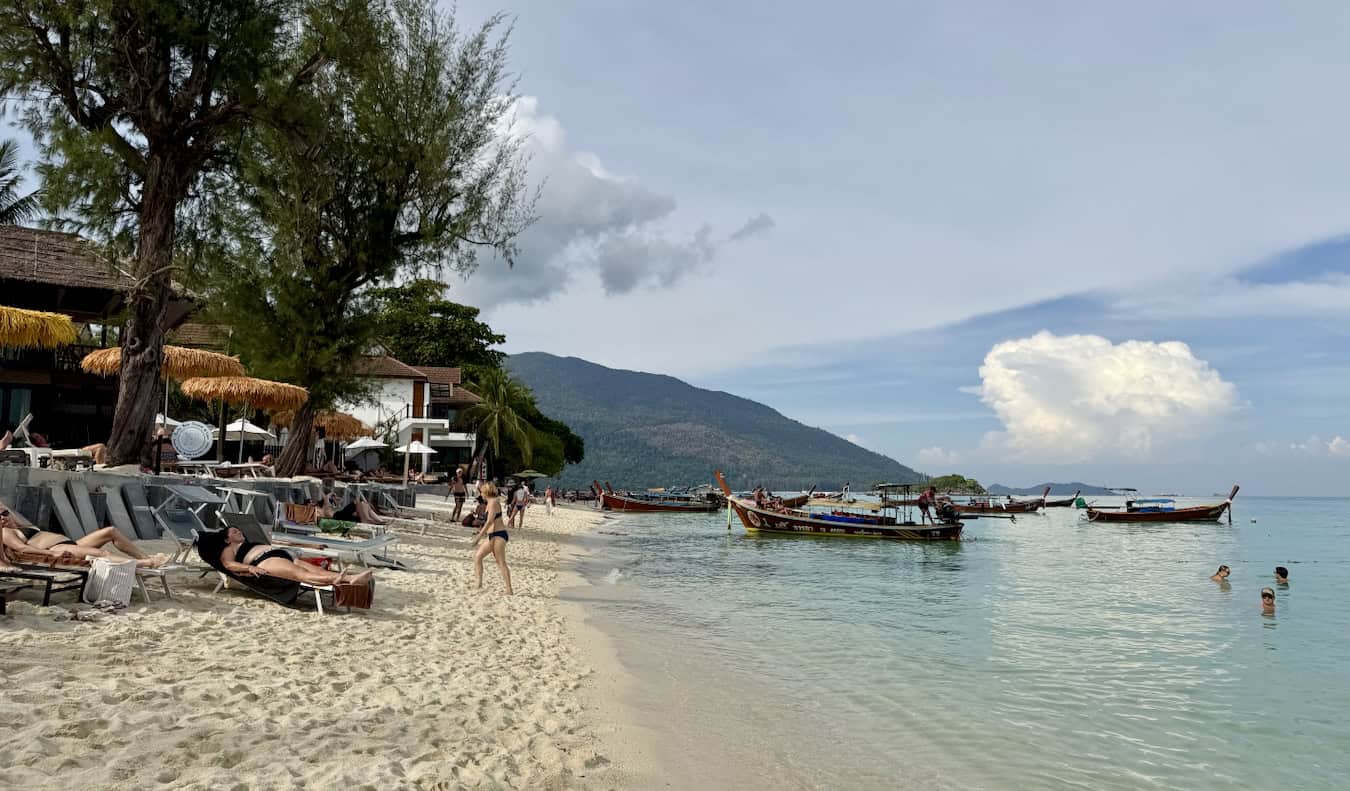
In contrast, islands such as Ko Lanta, Ko Jum, and Ko Mook have adopted more measured, incremental development strategies. By prioritizing low-density accommodation and maintaining tighter controls on construction, these destinations have managed to retain a higher degree of environmental integrity and local cultural character. Analysts suggest that the model adopted by these islands provides a viable alternative to the high-density approach, emphasizing long-term ecological preservation over short-term revenue gains.
The Role of Consumer Behavior in Sustainable Tourism
The debate surrounding Ko Lipe highlights the increasing influence of the "conscious traveler." Tourism industry data indicates a growing preference among international travelers for destinations that demonstrate verifiable sustainability practices. Advocacy groups and environmental organizations have emphasized that consumer choice acts as a market signal. When travelers prioritize destinations with robust environmental management policies, it incentivizes developers and local governments to invest in sustainable infrastructure, such as proper waste treatment facilities and renewable energy systems.
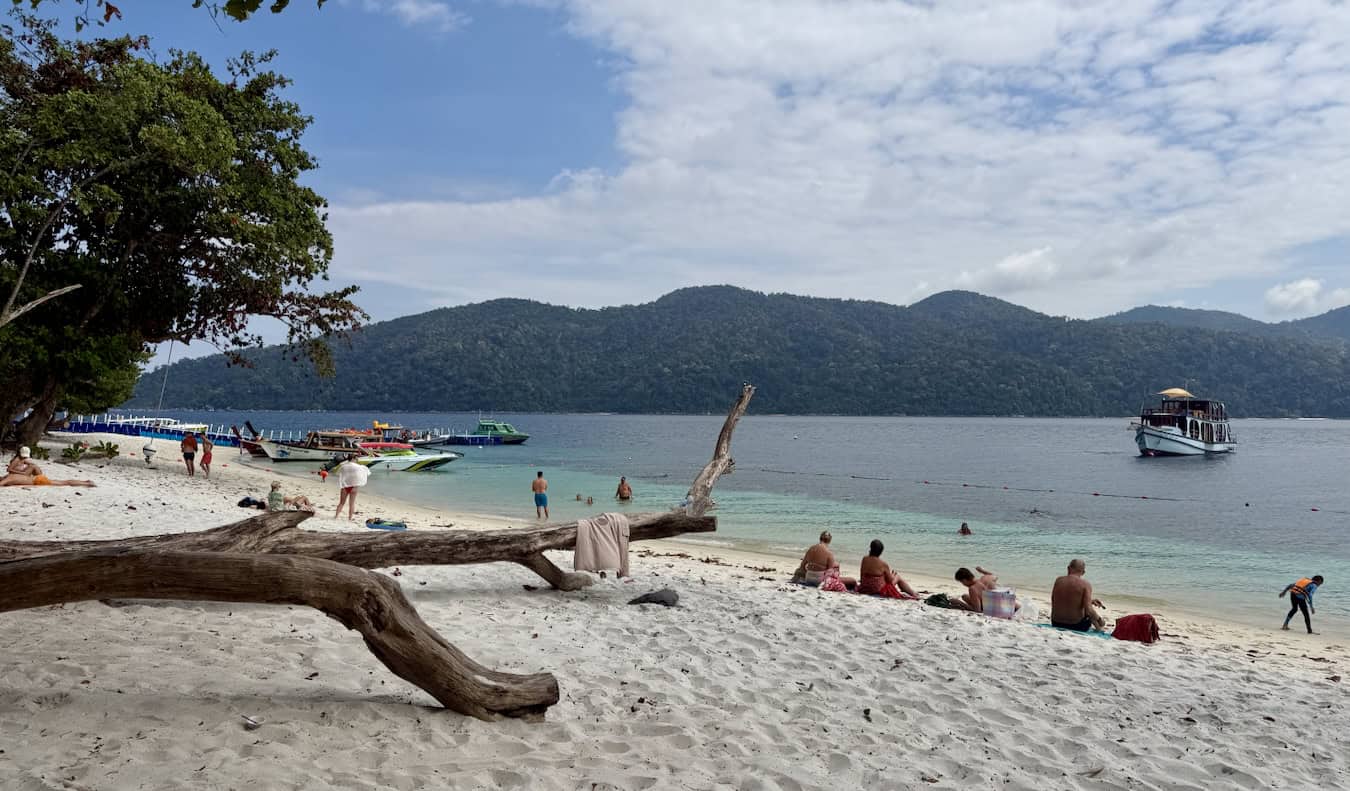
The current situation on Ko Lipe underscores the limits of current regulations. Critics argue that without a comprehensive master plan that prioritizes the island’s carrying capacity over the volume of arrivals, the degradation of the island’s natural assets will continue. Such a plan would require rigorous oversight of construction permits, stricter enforcement of marine park regulations, and a shift toward eco-certified tourism operations.
Implications for Future Policy
For policy makers in Thailand, the challenge lies in balancing the economic necessity of the tourism sector—a vital pillar of the national economy—with the imperative to protect the natural resources that draw visitors in the first place. The "Ko Lipe model" serves as a warning of the consequences of unregulated growth.
Looking forward, the potential for institutional reform remains. The Thai government has increasingly turned its attention toward the management of its national parks, periodically imposing entry caps and seasonal closures to mitigate human impact. Whether similar, more permanent restrictions will be applied to the urbanized areas of islands like Ko Lipe remains a subject of ongoing debate between local stakeholders, environmentalists, and tourism authorities.
Ultimately, the transformation of Ko Lipe is a reflection of a global challenge: the difficulty of maintaining the "untouched" allure of an island destination while simultaneously providing the modern amenities expected by millions of annual travelers. The shift from a niche, low-impact destination to an overdeveloped transit hub serves as a critical indicator for those interested in the future of sustainable travel. The decision to visit such a location, therefore, carries weight, as every influx of visitors adds to the cumulative demand on the island’s finite, and currently over-taxed, resources. As the industry moves toward 2030, the emphasis is expected to shift further toward quality over quantity, with Ko Lipe standing as a stark reminder of the necessity of intentional, sustainable stewardship.