A Surprise Encounter on Liverpool’s Magical Mystery Tour: Sir Paul McCartney Makes an Unscripted Appearance

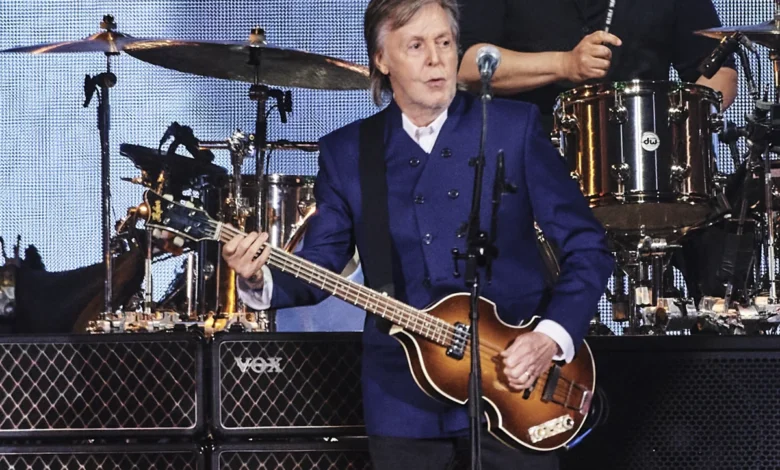
Liverpool’s iconic Magical Mystery Tour, a beloved pilgrimage for Beatles enthusiasts, recently experienced an extraordinary and entirely unplanned enhancement to its itinerary. On July 20th, amidst the city’s bustling streets, passengers aboard one of the famous tour buses were treated to a remarkable sight: Sir Paul McCartney himself. The legendary musician, a co-founder of the city’s prestigious Liverpool Institute for Performing Arts (LIPA), made a spontaneous appearance that transformed a routine tour into an unforgettable moment for fans. This serendipitous encounter underscores McCartney’s enduring connection to his hometown and the cultural significance of the Beatles’ legacy.
The Unfolding of a Memorable Moment
The unexpected cameo occurred as the Magical Mystery tour bus, retracing the steps of The Beatles’ formative years, found itself temporarily halted at traffic lights on Hope Street. According to Neal Morton, the driver and tour guide for the excursion, the moment was utterly surreal. As the bus idled, Morton observed a familiar figure standing by the roadside. It was none other than Sir Paul McCartney.
"I had pulled up at the traffic lights on Hope Street when who should I see – Sir Paul with Ringo on Facetime," Morton recounted to the BBC, his voice still tinged with disbelief. The passengers on the bus, already immersed in the history of The Beatles, were astounded to witness one of their heroes in such close proximity. McCartney, noticing the bus and its occupants, offered a friendly wave.
However, the surprise did not end there. In a further demonstration of the bond between the two surviving Beatles, McCartney then turned his phone to show the tour group that he was engaged in a FaceTime call with his former bandmate, Ringo Starr. This unexpected glimpse into the ongoing camaraderie between McCartney and Starr sent waves of excitement through the bus. Passengers, many of whom had journeyed to Liverpool specifically to connect with the Beatles’ heritage, seized the opportunity, capturing the historic moment with their cameras and mobile phones. The sheer improbability of seeing two members of The Beatles, even in this indirect fashion, made the experience profoundly special for everyone present.
Contextualizing the Encounter: McCartney’s Liverpool Ties
Sir Paul McCartney’s presence in Liverpool on July 20th was not entirely coincidental to his musical endeavors, but rather linked to his significant involvement with the Liverpool Institute for Performing Arts (LIPA). McCartney is a co-founder of LIPA, an institution dedicated to nurturing emerging talent in the performing arts. He is known to be a dedicated supporter of the school and frequently attends graduation ceremonies to inspire students.
On this particular day, McCartney was reportedly in town to attend a presentation for actor Stephen Graham, known for his roles in "Adolescence" and "The Irishman." This engagement highlights McCartney’s continued commitment to fostering artistic development within his home city, a testament to his deep-rooted connection to Liverpool beyond his musical legacy.
The Magical Mystery Tour: A Journey Through Beatles History
The Magical Mystery Tour itself is a cornerstone of Liverpool’s tourism industry, drawing fans from across the globe. Launched as a way to commemorate the 50th anniversary of The Beatles’ 1967 album of the same name, the tour offers a comprehensive exploration of significant locations tied to the band’s history. Typically spanning two hours, the excursion guides participants through the very streets and landmarks that shaped the early lives and careers of John Lennon, Paul McCartney, George Harrison, and Ringo Starr.
Key stops on the tour often include the childhood homes of the band members, offering a tangible connection to their origins. Strawberry Field, the former Salvation Army children’s home that inspired Lennon, and Penny Lane, immortalized in The Beatles’ song of the same name, are essential destinations. The tour culminates at the legendary Cavern Club on Mathew Street, where The Beatles honed their craft during their formative years, playing countless early gigs that laid the foundation for their global superstardom. The bus itself, painted in a vibrant, psychedelic style reminiscent of the band’s era, further immerses passengers in the experience.
A Harmonious Collaboration: McCartney and Starr’s Latest Duet
The unexpected FaceTime call between McCartney and Starr on Hope Street also brings to mind their recent musical collaboration. In May, the two former bandmates joined forces on McCartney’s latest album, "The Boys of Dungeon Lane." This marked a significant moment, as it was the first time they had officially duetted together on a track. The collaboration was met with considerable enthusiasm from fans, who welcomed the opportunity to hear the legendary rhythm section of The Beatles reunited on record. The shared experience of FaceTime, while informal, can be seen as a continuation of this enduring musical and personal partnership.
Broader Implications and Cultural Significance
The encounter on the Magical Mystery Tour, while seemingly a minor event in the grand scheme of a global superstar’s life, carries significant weight. It serves as a powerful reminder of the enduring appeal of The Beatles and their indelible impact on popular culture. For the passengers on that particular bus, it was a once-in-a-lifetime experience, a story they would undoubtedly share for years to come. The sight of McCartney, a living legend, engaging with fans and his former bandmate, reinforces the intimate connection that many feel with the Fab Four.
Furthermore, the incident highlights the unique cultural landscape of Liverpool. The city has embraced its Beatles heritage, transforming it into a vital part of its identity and economy. Tours like the Magical Mystery Tour are not merely tourist attractions; they are living tributes to a phenomenon that changed the world. The spontaneous appearance of McCartney adds another layer to this narrative, showcasing how the past and present of The Beatles’ legacy continue to intertwine in the city where it all began.
The event also underscores the accessibility of icons in the digital age. While a personal encounter with McCartney is rare, the ability to share such moments through social media and news outlets allows a wider audience to participate in the excitement. The photographs and videos captured by the tour passengers quickly circulated, spreading the joy of the unexpected sighting far beyond Liverpool’s city limits.
Future Outlook and Legacy
The Magical Mystery Tour will undoubtedly continue to be a draw for Beatles fans, but the recent incident has added a new chapter to its lore. It serves as a testament to the enduring power of The Beatles’ music and the personal connections they forged with their audience. For Sir Paul McCartney, it was a brief, informal moment, but for those who witnessed it, it was a profound connection to musical history. The image of McCartney waving from the roadside, Ringo Starr on his screen, is now etched into the fabric of Liverpool’s Beatles narrative, a spontaneous encore that no tour guide could ever script. As the city continues to celebrate its musical heritage, such authentic moments, however fleeting, will remain the most cherished. The continued active involvement of its most famous alumnus in local institutions like LIPA, coupled with these unexpected public appearances, ensures that the spirit of The Beatles, and their personal connection to Liverpool, remains vibrantly alive.