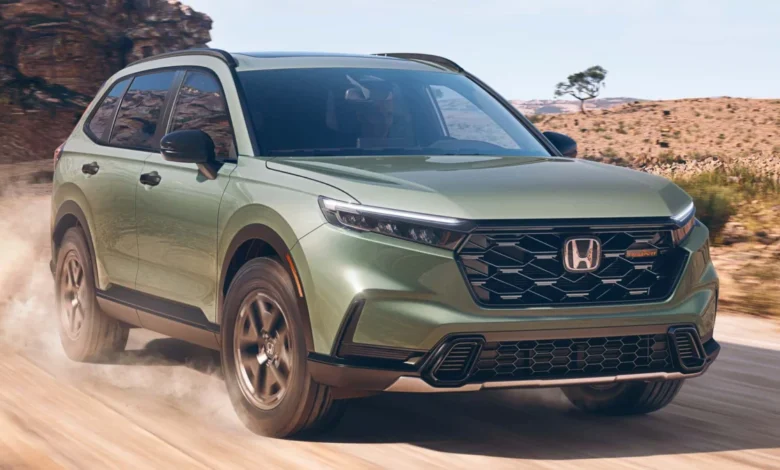
As global automotive markets grapple with fluctuating fuel costs and a shifting consumer appetite away from pure battery-electric vehicles (BEVs), Honda is recalibrating its long-term manufacturing strategy to prioritize advanced hybrid-electric technology. The Japanese automaker has confirmed that it is currently in the advanced stages of developing a next-generation hybrid system, a move designed to replace its current powertrain offerings across its global fleet. According to internal projections and industry reporting, this transition is slated to begin in 2027, with the Honda CR-V serving as the vanguard for this new engineering architecture.
The urgency of this transition is underscored by recent reports from Nikkei Asia, which suggest that Honda is accelerating its production timeline to meet heightened market demand. While official corporate communications remain measured, reports indicate that production of the next-generation CR-V hybrid is scheduled to commence in Canada as early as February 2027, followed closely by a ramp-up at Honda’s primary manufacturing facilities in the United States just one month later.
Strategic Realignment and Production Timelines
Honda’s pivot toward a more robust hybrid-electric vehicle (HEV) lineup follows a period of significant strategic adjustment. In recent years, the automaker—like many of its peers—invested heavily in aggressive EV-only transition targets. However, reality in the marketplace, combined with high development costs and fluctuating demand, forced a reassessment. Honda has officially walked back its previous pledge to transition to an exclusively EV-based lineup by 2040, opting instead for a balanced approach that leverages its expertise in internal combustion efficiency and hybrid systems.
The timeline for this shift is ambitious. Between 2027 and March 2030, Honda plans to introduce approximately 15 global models utilizing this new hybrid architecture. This multi-year rollout is intended to modernize the brand’s core offerings, including its best-selling SUVs and crossovers. By focusing on the CR-V for the initial launch, Honda is placing its technological bets on its most high-volume platform, ensuring the new system gains immediate traction and widespread adoption.
Engineering Advancements in the Next-Generation Hybrid System
The forthcoming powertrain is more than just a minor update; it represents a comprehensive overhaul of Honda’s hybrid methodology. Based on preliminary technical disclosures, the new system is designed to be substantially more compact and lightweight than the existing iteration. These physical improvements are paired with significant performance gains, including a projected 10 percent increase in fuel economy and a 30 percent reduction in manufacturing costs.
The cost-reduction aspect is particularly vital for the automaker’s bottom line. By streamlining the complexity of the hybrid assembly process, Honda aims to make its electrified vehicles more accessible to the average consumer while maintaining healthy profit margins.
The powertrain architecture itself is also evolving. Honda is currently deep into the development of new 1.5-liter and 2.0-liter four-cylinder engines, specifically optimized for hybrid integration. Furthermore, for the North American market, where consumer preference often skews toward larger vehicles with higher towing and hauling requirements, Honda is developing a more potent hybrid setup. This high-output configuration will reportedly be paired with a new V6 engine, enabling the company to maintain its competitive edge in the full-size SUV and truck segments.
Corporate Response and Official Stance
In response to reports concerning the accelerated production of the 2027 CR-V, Honda issued a formal statement to clarify its current trajectory without confirming specific model-year logistics. The company stated: "This was not announced by Honda. While we cannot comment on specific future product plans, as outlined in our 2026 Business Update, Honda remains on track to introduce next-generation HEV models beginning in 2027, featuring an all-new hybrid system and platform."
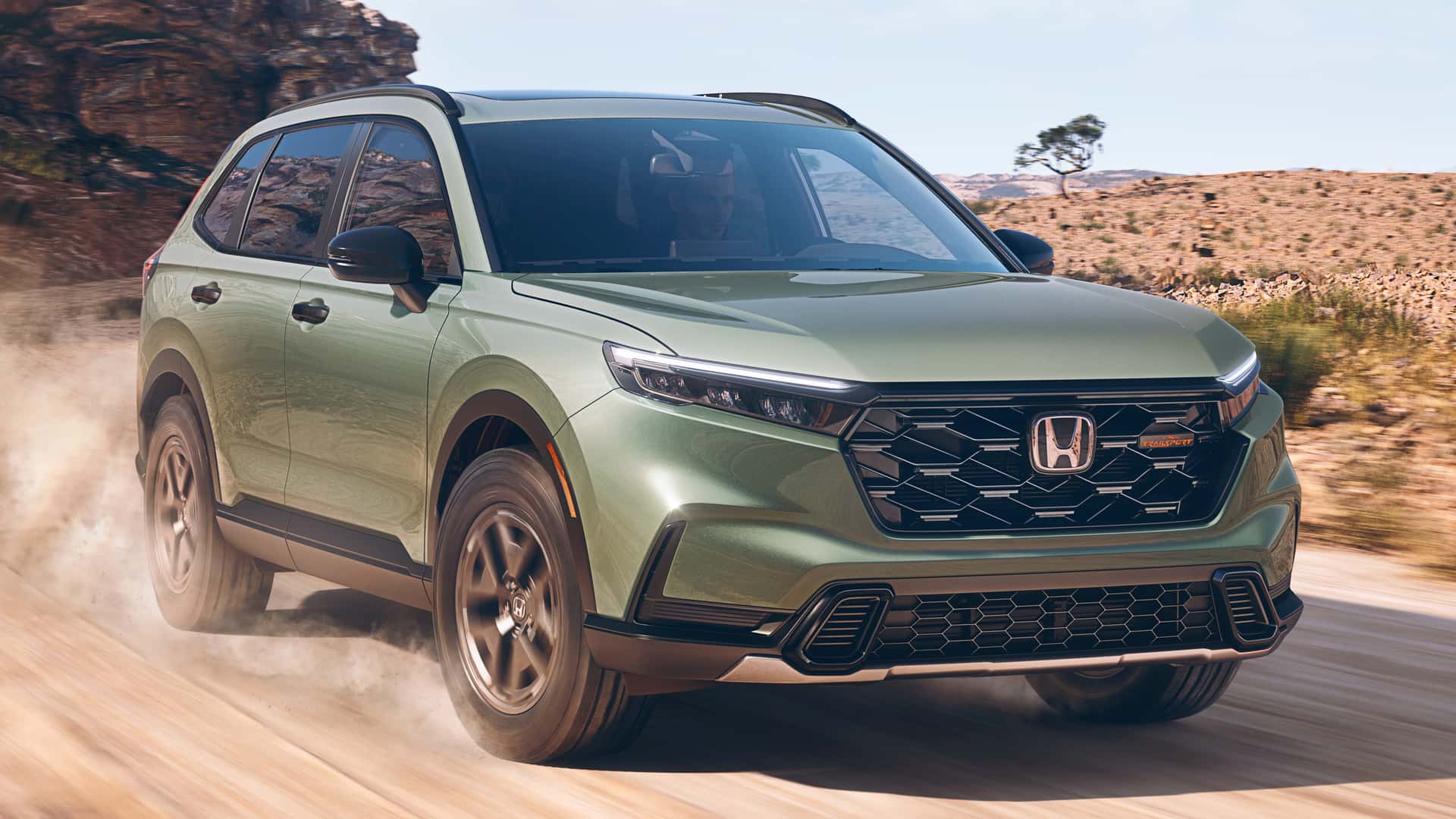
This statement reaffirms that the company’s roadmap remains consistent with its public business update, even if specific, leaked production dates have not been validated by the corporate office. The emphasis on an "all-new platform" suggests that the upcoming hybrids will likely benefit from improved chassis dynamics, safety features, and digital architecture, rather than simply being a powertrain swap into existing vehicle frames.
Implications for the Acura Brand and Luxury Segments
The strategic move to a new hybrid platform also has profound implications for Honda’s luxury division, Acura. Industry analysts expect that a new Acura crossover, likely the successor to the RDX, will be developed concurrently with the next-generation CR-V. This alignment follows the industry standard of sharing platforms across mass-market and premium brands to maximize economies of scale.
There is significant speculation that these upcoming crossover models from both Honda and Acura may move toward a hybrid-only powertrain configuration. By mirroring the strategy of competitors like the Toyota RAV4, which has successfully utilized hybrid-only or hybrid-priority models to dominate segments, Honda could simplify its manufacturing supply chain while simultaneously boosting its Corporate Average Fuel Economy (CAFE) numbers. For the Acura brand, this shift provides an opportunity to emphasize the performance benefits of electric assistance, moving away from the traditional image of internal combustion while avoiding the range anxiety associated with full-battery electric vehicles.
Market Context: Why Hybrids Are Winning
The resurgence of the hybrid market is not a coincidence. As EV adoption rates have plateaued in several key regions, consumers have shown a clear preference for the utility and convenience of hybrids. Unlike BEVs, which require significant infrastructure investment for charging, hybrids provide the efficiency and environmental benefits of electrification without forcing a change in driving habits.
Honda’s decision to double down on this segment is a calculated risk that addresses the current economic environment. Rising energy costs, combined with a persistent desire for vehicle longevity, have made the hybrid an increasingly attractive proposition. By lowering the production costs of its next-generation system, Honda is positioning itself to be the primary provider of electrified vehicles for the pragmatic buyer who wants to save money at the pump without committing to a full-electric lifestyle.
Broader Impact and Future Outlook
The transition occurring at Honda serves as a microcosm for the wider automotive industry. The "EV-or-bust" mentality of the early 2020s has been replaced by a more nuanced, diversified strategy. For Honda, the next three years represent a critical window. The successful launch of the 2027 CR-V hybrid will serve as a bellwether for the brand’s ability to compete with other legacy automakers who are similarly pivoting toward hybrid-centric portfolios.
Beyond the vehicles themselves, the shift toward a new, scalable hybrid platform will likely change how Honda manages its supply chain. The move toward simplified, lighter, and more cost-effective systems implies that the company is preparing for a long-term future where internal combustion, assisted by high-efficiency electric motors, remains the standard for the majority of its global fleet.
As the industry approaches the 2027 threshold, all eyes will be on the manufacturing facilities in Canada and the United States. If the reported timeline holds, the launch of these vehicles will mark the end of a transitional era for Honda and the beginning of a renewed focus on hybrid dominance. For the consumer, this suggests a future where high-performance, high-efficiency, and lower-cost electrified vehicles become the norm rather than the exception, cementing the hybrid’s role as the bridge to the future of automotive mobility.