Overcoming Collaboration Challenges in Distributed Teams
Overcoming collaboration challenges in distributed teams is crucial for success in today’s interconnected world. This exploration dives deep into the nuances of communication, trust, and effective strategies for virtual teams. From understanding the root causes of collaboration issues to implementing practical solutions, we’ll cover everything needed to navigate the complexities of geographically dispersed workforces.
This comprehensive guide will equip you with the knowledge and tools to build high-performing distributed teams. We’ll examine the challenges unique to distributed teams, including time zone differences, varying work styles, and the importance of fostering a sense of community in a virtual environment. Discover actionable strategies for effective communication, conflict resolution, and measuring the success of your distributed team’s collaboration.
Defining Collaboration Challenges in Distributed Teams
Distributed teams, while offering flexibility and global talent pools, face unique collaboration hurdles. These challenges often stem from the physical distance and the need for effective communication across varying time zones and work styles. Understanding these issues is crucial for building successful and productive distributed teams.Effective collaboration in distributed teams requires careful consideration of communication styles, technological tools, and the impact of geographical separation.
Overcoming these obstacles necessitates a proactive approach, equipping team members with the right tools and fostering a culture of understanding and communication.
Common Collaboration Challenges
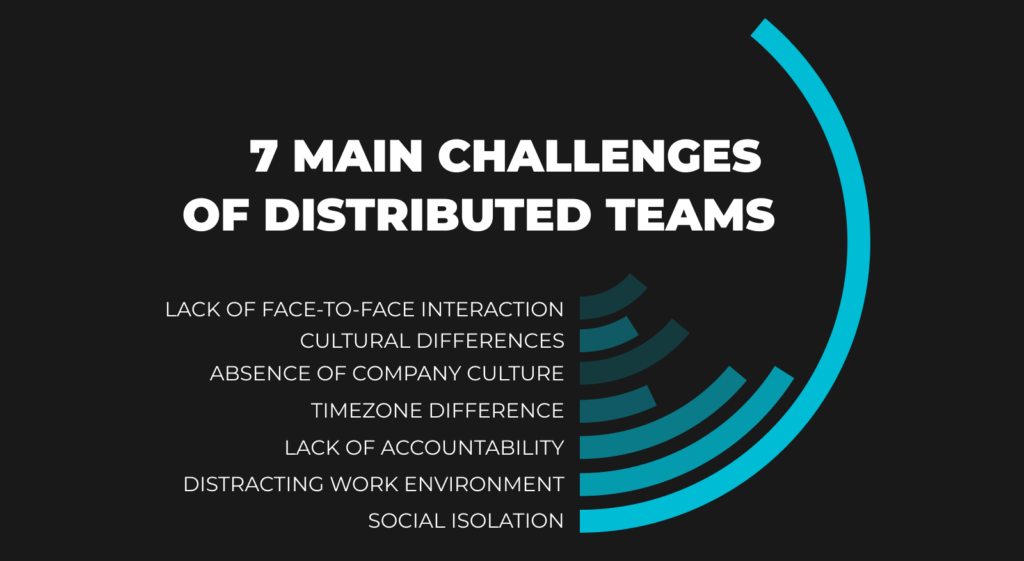
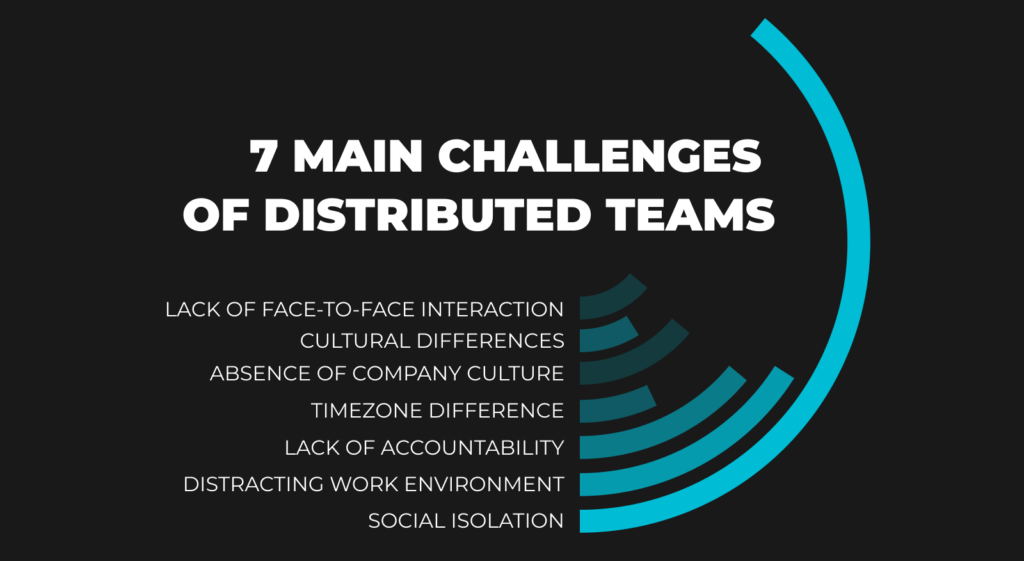
Distributed teams frequently encounter challenges stemming from the absence of spontaneous interaction and the need for structured communication. These challenges include: miscommunication due to differing communication styles, difficulty in building rapport and trust, the time-consuming nature of coordinating schedules, and potential for feelings of isolation among team members. Lack of shared context and challenges in achieving consensus can also hinder productivity.
Key Differences in Collaboration Challenges: Geographically Dispersed vs. Virtual Teams
Geographically dispersed teams, often reliant on physical meetings and shared spaces, experience collaboration issues related to travel logistics and limited opportunities for spontaneous interaction. Virtual teams, on the other hand, face the challenge of maintaining consistent communication channels and building a strong sense of community in a completely remote setting. The nature of the work itself also influences the differences, with project-based work often presenting greater coordination needs compared to ongoing projects.
Role of Communication Styles and Technologies
Communication styles significantly impact collaboration. Direct communication might be misinterpreted in asynchronous formats, leading to misunderstandings. Different communication preferences and communication technologies utilized can create additional barriers. Over-reliance on email can lead to a loss of crucial context, while insufficient use of visual aids can hinder understanding in remote settings. Tools like project management software, video conferencing, and instant messaging platforms can mitigate these challenges when implemented effectively.
Impact of Time Zone Differences
Time zone differences are a major obstacle to effective collaboration in distributed teams. Coordinating meetings and responding to messages within reasonable time frames can be challenging, impacting productivity and morale. This issue necessitates a proactive approach to scheduling, with a focus on respecting different time zones and adopting flexible communication protocols. For example, a team with members across multiple time zones might establish core working hours to optimize communication flow and prevent burnout.
Communication Method Effectiveness
Understanding the strengths and weaknesses of various communication methods is critical for distributed teams. Different methods serve different purposes, and choosing the appropriate tool for the task at hand is essential for maximizing effectiveness.
| Method | Description | Strengths | Weaknesses |
|---|---|---|---|
| Traditional communication method. | Accessible, record-keeping, and suitable for formal communication. | Can be slow, lacks immediacy, and prone to misinterpretations without proper context. | |
| Instant Messaging (IM) | Real-time communication. | Fast, immediate feedback, and effective for quick questions and answers. | Can be distracting, lacks formal record-keeping, and may not be suitable for complex discussions. |
| Video Conferencing | Real-time interaction with visual elements. | Enhances understanding through non-verbal cues, improves engagement, and facilitates collaboration. | Can be logistically challenging to schedule across time zones, requires reliable internet connection, and may not be ideal for every task. |
| Project Management Software | Centralized platform for task management, communication, and collaboration. | Provides clear task assignments, progress tracking, and facilitates communication around projects. | Can be complex to implement, requires training for effective use, and might not be suitable for all team structures. |
Understanding the Root Causes of Collaboration Issues
Distributed teams, while offering flexibility and global talent pools, often face unique challenges in fostering effective collaboration. Overcoming these obstacles requires a deep understanding of the underlying causes. This exploration delves into the crucial elements that impact teamwork in remote settings, highlighting the importance of trust, psychological safety, and appropriate tools for success.Effective collaboration in distributed teams hinges on a foundation of trust and psychological safety.
A sense of security, where team members feel comfortable expressing their ideas and concerns without fear of judgment or repercussions, is paramount. This fosters open communication and a willingness to share information, which are vital for collective problem-solving. When trust is absent, communication becomes guarded, and team members may hesitate to contribute fully, leading to inefficiencies and missed opportunities.
Trust and Psychological Safety in Distributed Teams
Building trust in a distributed environment requires conscious effort. Regular, transparent communication channels are essential. Team-building activities, even virtual ones, can foster camaraderie and shared understanding. Leaders play a crucial role in creating a safe space for open dialogue and constructive feedback. Psychological safety is cultivated when team members feel valued, respected, and included in decision-making processes.
Impact of Differing Work Styles and Cultural Norms
Work styles and cultural norms can significantly impact collaboration. Some teams may favor asynchronous communication, while others prefer real-time interaction. Understanding and respecting these differences is crucial. For example, a team accustomed to direct communication might find asynchronous messaging less efficient. Cultural nuances in communication styles, such as direct versus indirect feedback, also need careful consideration.
Misunderstandings can arise if these differences are not recognized and addressed.
Clarity in Roles, Responsibilities, and Project Goals
Unclear roles, responsibilities, and project goals can lead to conflicts and duplicated efforts. Well-defined roles and responsibilities ensure everyone understands their contributions to the overall project. Clear project goals, communicated effectively and consistently, provide a shared vision and a common direction for the team. Using project management tools to track progress and assign tasks enhances accountability and reduces ambiguity.
Role of Inadequate Tools and Technologies
The right tools and technologies are critical for seamless collaboration in distributed teams. Inefficient communication tools, inadequate project management software, or a lack of access to essential resources can impede progress. Teams should carefully evaluate their technological needs and select tools that facilitate seamless communication, file sharing, and project management. For example, relying on email for complex project updates is often inefficient and can lead to missed deadlines and confusion.
Comparison of Project Management Methodologies for Distributed Teams
| Methodology | Approach | Strengths | Weaknesses |
|---|---|---|---|
| Agile | Iterative and incremental development, focusing on flexibility and adaptation to changing requirements. | High adaptability, rapid feedback loops, improved customer satisfaction, and early detection of issues. | Can be challenging to manage complex projects with tight deadlines, may require experienced team members, and less suitable for projects with fixed scope and deliverables. |
| Scrum | Emphasizes short sprints, daily stand-ups, and continuous improvement. | Excellent for iterative development, improved transparency, and enhanced communication within the team. | Requires strong facilitation and commitment from the team, and may not be ideal for projects with long lead times. |
| Waterfall | Sequential phases, with each phase dependent on the completion of the previous one. | Clear and structured approach, easy to understand and manage, well-suited for projects with fixed scope and deliverables. | Less adaptable to changing requirements, can lead to late detection of issues, and may not be suitable for projects with high uncertainty. |
| Kanban | Visual workflow management system that focuses on continuous improvement and minimizing work in progress. | Excellent for visualizing workflow, enhancing team communication, and improving efficiency. | Requires discipline and commitment from the team, and may not be suitable for complex projects with numerous dependencies. |
Strategies for Overcoming Collaboration Challenges
Building strong, effective distributed teams requires a proactive approach to communication, trust-building, and establishing clear expectations. Successfully navigating the unique challenges of geographically dispersed teams hinges on understanding and implementing the right strategies. This necessitates a focus on fostering a sense of community, utilizing the right tools, and maintaining transparent communication channels.
Improving Communication and Transparency
Effective communication is paramount in any team, but even more so in distributed settings. Clear, concise, and timely communication reduces ambiguity and misunderstandings. Transparency fosters trust and allows team members to feel informed about project progress, challenges, and decisions. Implementing regular check-ins, utilizing shared project platforms, and establishing clear communication protocols are crucial for maintaining transparency. Consistent communication helps maintain a sense of shared purpose and keeps the team aligned.
Navigating collaboration hurdles in distributed teams is tough, especially when resources are stretched thin. Consider the recent suspension of US foreign assistance, us foreign assistance suspended , which highlights how global events can dramatically impact remote work dynamics. Ultimately, effective communication and adaptable strategies remain key to overcoming these challenges, even in the face of unexpected disruptions.
- Regular check-ins: Daily stand-up meetings, weekly project updates, or bi-weekly team calls are crucial for staying on track. These meetings provide opportunities for quick updates, addressing roadblocks, and maintaining momentum.
- Shared project platforms: Utilize project management tools like Asana, Trello, or Monday.com. These tools facilitate task assignments, deadlines, progress tracking, and document sharing. This ensures everyone is on the same page and can access relevant information promptly.
- Establishing clear communication protocols: Define preferred communication channels (e.g., email, instant messaging, video conferencing) for different types of communication. This minimizes confusion and ensures messages are received and understood effectively.
Fostering a Sense of Community and Belonging
Distributed teams often lack the spontaneous interactions and informal connections that occur in co-located settings. Creating a sense of community is vital to boosting morale and productivity. Encourage team-building activities, virtual social events, and open communication channels beyond project-related discussions. Celebrating successes, recognizing individual contributions, and promoting a supportive environment are key to creating a strong sense of belonging.
Overcoming collaboration challenges in distributed teams can be tough, especially when communication styles differ. It’s like trying to assemble a puzzle with pieces scattered across the globe. Recently, though, learning about Tom Hanks’ son’s neighborhood being affected by a fire, Tom Hanks’ son’s neighborhood in the area I grew up is burning to the ground , has given me a fresh perspective.
It highlights the importance of understanding and empathy in any collaborative project, even ones involving people from diverse backgrounds. It’s a reminder that effective communication is key in bridging those gaps, even in the face of personal tragedies, and making collaboration work in distributed teams.
- Virtual social events: Organize virtual coffee breaks, online game nights, or team lunches to encourage informal interactions. These events help team members connect on a personal level, fostering camaraderie and strengthening relationships.
- Team-building activities: Organize online quizzes, virtual escape rooms, or collaborative projects that encourage teamwork and problem-solving. These activities help build rapport and strengthen relationships.
- Open communication channels: Create dedicated channels for informal discussions, sharing personal interests, or simply connecting outside of work tasks. This fosters a more inclusive and supportive environment.
Successful Communication Tools and Platforms
Choosing the right communication tools can significantly impact team effectiveness. A variety of platforms cater to different communication needs. Consider using instant messaging platforms for quick questions and updates, video conferencing for meetings, and project management software for task management and documentation.
- Instant messaging (Slack, Microsoft Teams): Ideal for quick questions, updates, and informal discussions. These tools allow for real-time communication, reducing response times and fostering quick problem-solving.
- Video conferencing (Zoom, Google Meet): Essential for meetings, presentations, and collaborative work sessions. These tools facilitate face-to-face interaction, improving understanding and building rapport.
- Project management tools (Asana, Trello, Monday.com): Essential for task management, deadlines, progress tracking, and document sharing. These tools keep everyone on the same page and ensure clarity about roles and responsibilities.
Establishing Clear Expectations and Responsibilities
Clearly defined roles and responsibilities are critical for effective collaboration. Establish clear expectations for deliverables, timelines, and communication frequency. This reduces ambiguity and promotes accountability. Documenting roles, responsibilities, and expectations ensures everyone is aware of their contributions and the impact they have on the overall project.
- Detailed task breakdown: Break down large projects into smaller, manageable tasks. Assign specific responsibilities to team members, outlining expected deliverables and timelines.
- Shared project documentation: Create shared documents outlining roles, responsibilities, communication protocols, and project goals. This ensures everyone is on the same page and understands their contribution to the overall project.
- Regular performance check-ins: Schedule regular check-ins with team members to monitor progress, identify roadblocks, and address any concerns. This allows for proactive adjustments and ensures everyone is aligned with project goals.
Building Trust and Rapport in a Virtual Environment
Building trust in a virtual environment requires deliberate effort. Open communication, consistent follow-through, and proactive problem-solving contribute significantly. Recognizing individual strengths and promoting a supportive environment are key.
- Active listening: Actively listen to team members’ concerns and perspectives, showing empathy and understanding.
- Transparency and accountability: Be transparent about project progress, challenges, and decisions. Hold team members accountable for their commitments and responsibilities.
- Proactive problem-solving: Address potential issues promptly and collaboratively. Focus on finding solutions rather than assigning blame.
Effective Communication Protocols for Virtual Meetings
| Situation | Protocol | Expected Outcomes | Considerations |
|---|---|---|---|
| Meeting kickoff | Review agenda, establish ground rules, and introduce participants | Clear understanding of meeting objectives and expectations | Ensure all participants have access to meeting materials |
| During discussion | Encourage active participation, use clear and concise language, and summarize key points | Efficient and effective discussion, identification of key decisions | Maintain focus on the agenda and encourage respectful dialogue |
| Problem identification | Identify and document the issue, brainstorm potential solutions, and prioritize options | Effective problem-solving and identification of actionable solutions | Ensure all perspectives are heard and documented |
| Decision making | Establish clear decision criteria, document decisions, and assign responsibilities | Defined action plan and clear understanding of responsibilities | Ensure all stakeholders are informed of the decision and its implications |
Implementing Effective Collaboration Strategies
Bridging the geographical divide and fostering seamless collaboration in distributed teams requires a strategic approach. Effective communication, conflict resolution, and time management are crucial elements in building a productive and engaged remote workforce. This section delves into practical methods for promoting active listening, resolving disagreements, managing time zones, and fostering a strong team spirit.
Promoting Active Listening and Constructive Feedback in Virtual Settings
Active listening is paramount in virtual environments, where nonverbal cues are often absent. Teams should establish clear protocols for virtual interactions, emphasizing attentive listening during meetings and encouraging thoughtful responses. Constructive feedback is essential for growth and improvement. Providing specific, actionable feedback, delivered in a supportive and encouraging tone, is vital. Feedback should focus on behaviors and their impact, not on personal traits.
Tools like shared documents with comment features can facilitate this process, encouraging discussion and collaboration on specific points.
Resolving Conflicts and Disagreements in Distributed Teams
Disagreements are inevitable in any team, regardless of location. Establishing clear communication channels and conflict resolution procedures is crucial for navigating these situations. Teams should develop a shared understanding of their communication style, addressing potential misunderstandings early. Open communication channels, facilitated by regular check-ins and dedicated conflict resolution strategies, are vital. Encouraging open dialogue and active listening, even during disagreements, will foster a culture of respect and understanding.
Mediation or facilitation from a neutral party can prove beneficial in complex situations.
Managing Time Zone Differences Effectively
Time zone differences can significantly impact team coordination. Teams must schedule meetings and deadlines that accommodate the widest range of time zones. Utilizing scheduling tools and software that visualize time zones can be invaluable. Understanding the working hours and availability of team members is critical. Strategies for staggered work schedules, asynchronous communication, and efficient use of project management tools should be implemented.
Consider establishing standard communication windows to ensure consistent access to team members.
Techniques for Managing Time Zone Differences Effectively
| Time Zone | Typical Working Hours | Communication Strategy |
|---|---|---|
| Eastern Standard Time (EST) | 9 AM – 5 PM | Regular meetings scheduled between 10 AM – 12 PM EST for optimal participation |
| Pacific Standard Time (PST) | 7 AM – 3 PM | Asynchronous communication tools like Slack or email to be used for tasks requiring immediate responses |
| Central European Time (CET) | 9 AM – 5 PM | Staggered meetings scheduled to accommodate both EST and CET time zones |
Examples of Successful Team-Building Activities for Distributed Teams
Team-building activities are crucial for fostering camaraderie and shared understanding in distributed teams. Virtual escape rooms, online games, collaborative projects, and virtual coffee breaks can help build relationships and create a sense of shared experience. Choosing activities that align with team interests and goals is important. Prioritizing inclusivity and creating an environment where all members feel comfortable participating is essential.
Best Practices for Creating a Collaborative Work Environment in Distributed Settings
- Establish clear communication protocols, outlining preferred methods and response times. This clarifies expectations and ensures consistent interaction.
- Utilize project management tools that facilitate task assignment, progress tracking, and communication. Tools like Trello, Asana, or Jira offer features to streamline processes and maintain transparency.
- Regularly schedule virtual team meetings, incorporating both formal discussions and informal check-ins. These meetings promote team cohesion and ensure everyone is on the same page.
- Encourage asynchronous communication tools, like Slack or email, for quick questions and updates. This balances the need for immediate responses with flexibility for individual schedules.
- Foster a culture of trust and psychological safety, where team members feel comfortable sharing ideas and concerns. This is vital for innovation and problem-solving.
Measuring and Evaluating Collaboration Effectiveness
Distributed teams face unique challenges in ensuring effective collaboration. Measuring the impact of strategies and tools is crucial for continuous improvement and adaptation. Quantifiable metrics help identify what works and what needs adjustment, enabling teams to optimize their workflows and communication processes. This section focuses on practical methods for assessing collaboration effectiveness.Effective collaboration in distributed teams isn’t just about communication tools; it’s about achieving shared goals, understanding individual contributions, and fostering a positive work environment.
Measuring success requires a multi-faceted approach that considers both the tangible outputs and the intangible aspects of teamwork.
Methods for Measuring Collaboration Impact on Team Performance
Understanding the impact of collaboration strategies on team performance involves analyzing various factors. Tracking key performance indicators (KPIs) related to project completion, task completion rates, and overall team satisfaction provides a comprehensive view of success. Consistent monitoring and analysis of these metrics allow teams to identify areas for improvement and adjust strategies accordingly.
Metrics for Assessing Communication Tools and Platforms
Evaluating the effectiveness of communication tools is vital for distributed teams. Factors like response times, meeting attendance, and the frequency of communication breakdowns can significantly impact project timelines and team morale. Analyzing data related to these factors provides actionable insights for optimizing communication workflows.
Key Performance Indicators (KPIs) for Distributed Team Collaboration
| KPI | Definition | Measurement Method | Target Value |
|---|---|---|---|
| Project Completion Rate | Percentage of projects completed within the defined timeframe and budget. | Track the number of completed projects against the total number of projects initiated. | 90% |
| Task Completion Rate | Percentage of assigned tasks completed on time and to the required quality standards. | Monitor the completion status of individual tasks and calculate the overall percentage. | 85% |
| Average Response Time | Average time taken to respond to communications (e.g., emails, messages). | Track response times for different communication channels and calculate the average. | Within 24 hours (adjustable based on team agreement) |
| Meeting Attendance Rate | Percentage of team members participating in scheduled meetings. | Track attendance for each meeting and calculate the average participation rate. | 90% |
| Team Satisfaction Score | Overall satisfaction level of team members with the collaboration process. | Conduct regular surveys or feedback sessions to gauge team sentiment. | 8.5/10 (or equivalent rating scale) |
Collecting Feedback on Collaboration Experiences
Regular feedback mechanisms are essential for understanding team members’ experiences. Implementing feedback loops ensures continuous improvement in collaboration strategies and tools. Gathering feedback through surveys, interviews, or informal check-ins fosters a culture of openness and encourages team members to voice concerns or suggestions.
Improving Team Dynamics and Fostering a Positive Work Environment
Team dynamics play a significant role in distributed team success. Creating a positive and supportive environment where team members feel valued and heard is crucial for effective collaboration. Strategies like regular team-building activities, virtual social events, and open communication channels contribute to fostering strong relationships and a more cohesive team.
Case Studies of Successful Distributed Teams
Successfully navigating the complexities of distributed work requires more than just robust technology. It demands a nuanced understanding of human dynamics and a commitment to adapting strategies to the unique challenges of remote collaboration. This section explores real-world examples of teams who have not only embraced virtual work but thrived in it, highlighting the key strategies that enabled their success.
Illustrative Case Studies
Numerous organizations have successfully implemented distributed work models. These models are not a one-size-fits-all solution, but rather require careful consideration and adaptation. Consider the case of a global software development company. Recognizing the value of diverse perspectives, they fostered a culture of open communication and collaborative tools, such as project management software and video conferencing platforms. This enabled seamless project execution across different time zones and geographical locations.
Another example is a marketing agency that utilized asynchronous communication methods, allowing team members to contribute at their own pace and schedule, which ultimately boosted productivity and creativity.
Adapting to Virtual Work Environments
Distributed teams have demonstrated impressive adaptability to virtual work environments. One key element is the adoption of effective communication strategies. For instance, a team of researchers in a global consortium leveraged project management tools and dedicated channels for specific tasks, which allowed them to effectively coordinate and share data across international borders. Furthermore, establishing clear communication protocols, such as specific times for team meetings and designated channels for different communication needs, proved crucial.
Importance of Ongoing Evaluation and Adaptation
The success of distributed teams hinges on a continuous cycle of evaluation and adaptation. A research team, for example, found that while initial communication strategies were effective, the team noticed a decline in engagement after several months. They promptly adjusted their communication protocols by incorporating more informal, social interaction channels to foster a sense of community and encourage collaboration.
Regular feedback mechanisms and adjustments to communication methods are crucial to maintaining high performance and engagement.
Overcoming collaboration hurdles in remote teams can be tricky, but sometimes unexpected connections help. For instance, the discussion surrounding the Bob Dylan biopic, particularly the insights from Marin bred actor Monica Barbaro, who plays Joan Baez, and the real Joan Baez themselves, highlights how diverse perspectives can spark fresh ideas , which can translate to more effective teamwork in distributed settings.
Ultimately, finding common ground, like appreciating the intricacies of a biopic, can be key to navigating any collaborative challenge.
Key Lessons Learned
| Team | Challenge | Strategy | Outcome |
|---|---|---|---|
| Global Software Development Team | Maintaining consistent communication across time zones | Utilizing project management software and regular video conferences | Improved project timelines and enhanced collaboration across diverse teams. |
| Marketing Agency | Balancing asynchronous and synchronous communication | Establishing clear communication protocols and utilizing tools for both synchronous and asynchronous communication. | Increased productivity and creativity, fostering a more flexible work environment. |
| Research Consortium | Effective data sharing and coordination across multiple international locations | Implementing a shared data repository and dedicated channels for specific tasks. | Enhanced efficiency in data analysis and improved project outcomes. |
| Research Team | Maintaining engagement and motivation over time | Introducing more informal social interaction channels, and incorporating feedback mechanisms | Sustained high performance and engagement levels. |
Characteristics of High-Performing Distributed Teams, Overcoming collaboration challenges in distributed teams
High-performing distributed teams share several key characteristics. Strong leadership and clear communication protocols are essential. Teams that establish clear roles, responsibilities, and expectations perform better. Furthermore, trust and psychological safety are crucial. Team members need to feel comfortable sharing ideas and feedback without fear of judgment.
Effective tools and technologies are vital for seamless communication and collaboration. Finally, fostering a sense of community and shared purpose is paramount to building strong bonds among team members who may never meet in person.
Future Trends in Distributed Team Collaboration
The landscape of work is rapidly evolving, and distributed teams are no longer a niche but a mainstream reality. As technology advances and work models shift, the future of distributed team collaboration will be shaped by new trends and challenges. Understanding these trends is crucial for organizations to build effective and productive distributed teams.
Emerging Technologies in Support of Collaboration
The integration of emerging technologies is fundamentally altering how distributed teams interact and achieve shared goals. Artificial intelligence (AI) and machine learning (ML) are poised to play a pivotal role. AI-powered tools can automate repetitive tasks, analyze communication patterns to identify potential conflicts, and even suggest optimal communication strategies for specific team members. Natural Language Processing (NLP) will become increasingly sophisticated, enabling more nuanced and efficient interactions through chatbots and automated translation.
Virtual and augmented reality (VR/AR) experiences will enhance collaboration by creating immersive shared environments, enabling teams to visualize projects and collaborate on designs in a more engaging and effective way. This is not just theoretical; companies are already using VR to simulate and test scenarios for product development in remote teams.
Impact of Changing Work Models on Future Distributed Teams
The gig economy and remote work are changing how companies organize their workforce. Distributed teams will likely become more fluid and project-based. This means a greater emphasis on collaboration tools that facilitate quick onboarding, seamless knowledge transfer, and efficient communication across diverse skill sets and projects. As work models become more flexible and personalized, the tools used by distributed teams will need to be adaptable and intuitive.
Companies are increasingly using platforms that allow for flexible work arrangements and seamless communication between contractors and core team members.
Potential Challenges in the Future of Distributed Teams
While technology offers immense potential, new challenges will emerge as distributed teams become more prevalent. Maintaining a sense of community and belonging in a dispersed environment will be a crucial challenge. Ensuring equitable access to resources and opportunities across different time zones and locations will be important. Maintaining consistent communication styles and team dynamics across diverse cultural backgrounds and work styles will require proactive strategies.
Ensuring the security and confidentiality of sensitive data shared within distributed teams will be of paramount importance.
Innovative Tools and Technologies for Distributed Teams
The future of distributed team collaboration hinges on innovative tools and technologies that can address the challenges and capitalize on the opportunities presented by distributed work.
- AI-powered communication platforms: These platforms will analyze communication patterns, identify potential conflicts, and suggest optimal communication strategies, fostering more productive interactions.
- VR/AR for collaborative design and problem-solving: Immersive environments allow remote team members to collaborate on designs, visualize projects, and solve problems in real-time, bridging the physical distance between team members.
- Intelligent project management tools: These tools will automate tasks, predict potential roadblocks, and optimize workflows for distributed teams, enhancing efficiency and productivity.
- Personalized learning platforms: These platforms will provide tailored training and development opportunities for distributed team members, ensuring everyone has the skills and knowledge needed to succeed.
- Secure and reliable cloud-based storage: Robust cloud storage solutions will ensure data security and accessibility for distributed teams, fostering seamless collaboration and knowledge sharing.
Final Thoughts: Overcoming Collaboration Challenges In Distributed Teams
In conclusion, overcoming collaboration challenges in distributed teams is an ongoing process requiring proactive strategies and continuous evaluation. By understanding the unique hurdles and implementing the right solutions, teams can not only thrive but also excel in a virtual environment. We’ve explored various methods, from communication tools to project management methodologies, and provided a framework for building high-performing distributed teams.
Remember, fostering trust, clear communication, and a strong sense of community are key ingredients for success.