Ron Rivera to Return to Cal A Deep Dive
Ron rivera to rerturn to cal – Ron Rivera to return to Cal: This potential coaching comeback is generating significant buzz, sparking excitement and anticipation among fans and analysts alike. The prospect of Rivera’s return raises many questions about the current coaching landscape, team dynamics, and the potential impact on player recruitment. This post delves into the various facets of this potential move, examining Rivera’s career, the factors influencing his decision, and the challenges and opportunities that await both him and the California team.
Rivera’s coaching style, past successes and failures, and his perceived strengths and weaknesses will be analyzed in detail. We’ll also examine the team’s current situation, including their performance, coaching staff, and roster. Public perception and potential controversies surrounding this return will also be addressed. A crucial aspect will be the possible financial implications and how they could affect the team’s future.
Factors Influencing a Potential Return
Ron Rivera’s potential return to Cal Athletics hinges on a complex interplay of factors, ranging from the current coaching landscape to the financial implications for both coach and university. Understanding these influences is crucial to predicting the likelihood of a return and the potential impact on the team.The coaching landscape has undergone significant shifts since Rivera’s departure. New coaching philosophies and approaches are emerging, and the competitive nature of college athletics necessitates constant adaptation.
This dynamic environment plays a significant role in Rivera’s decision-making process. His potential return will also depend on the prevailing team management styles at Cal, contrasting with the methodologies he may be accustomed to. Ultimately, the combination of these elements, along with financial considerations, will likely shape the future of his association with the university.
Impact of the Current Coaching Landscape
The current coaching landscape is characterized by a diverse range of approaches, emphasizing player development, strategic innovation, and technology integration. These innovations influence coaching choices and strategies. Rivera’s experience and philosophies will likely be weighed against these contemporary trends, creating a nuanced decision-making process. For instance, the increasing focus on data analysis in coaching strategies could be a motivating factor, especially if Rivera recognizes its potential to enhance team performance.
Alternatively, the shift towards specialized coaching roles could present a challenge, requiring Rivera to adapt or seek alternative approaches.
Influence of Team Management Styles
The management style of the Cal Athletics administration will play a significant role in Rivera’s decision. Effective communication, clear expectations, and collaborative decision-making are essential for a productive coaching relationship. A supportive and empowering leadership structure would likely encourage Rivera’s return. Conversely, a top-down approach or a lack of transparency in decision-making could deter him. Examples of successful coaching partnerships in college athletics often highlight the importance of strong leadership and mutual respect between the coach and administration.
Key Factors Encouraging or Discouraging a Return, Ron rivera to rerturn to cal
Several factors can encourage or discourage Rivera’s return to Cal. A positive relationship with the athletic director and other key stakeholders could greatly influence his decision. Also, the opportunity to shape the team’s future direction and implement his coaching philosophy would likely be a strong motivator. Conversely, concerns about the team’s current roster, the financial implications, or the possibility of a more lucrative offer elsewhere could be deterrents.
The overall athletic environment, including facilities and resources, will also contribute to the decision.
Financial Implications
The financial implications for both Rivera and Cal Athletics are significant. Rivera’s salary expectations and potential contract terms will be a crucial consideration. The university’s budget and willingness to meet those demands will influence the feasibility of a return. The financial impact extends beyond salaries, encompassing potential additional benefits, such as incentives, bonuses, and healthcare. Comparing Rivera’s potential salary to those of other comparable coaches in similar institutions provides a benchmark.
For example, similar coaching roles in other institutions with similar athletic programs could provide a relevant comparison. This data will aid in the decision-making process. The team’s financial resources, including the budget for player recruitment and facility upgrades, will also play a role. A favorable budget allocation and financial support would likely be a positive aspect.
Potential Challenges and Opportunities
Ron Rivera’s potential return to Cal presents a complex interplay of factors, demanding a careful assessment of both the hurdles and the opportunities that might arise. His familiarity with the program and the region could be a significant asset, but navigating the evolving landscape of college athletics and the specific dynamics of the current Cal team will be crucial.
A successful return hinges on his ability to adapt to the shifting environment while leveraging his past successes.
Challenges of a Return
Several challenges could impede a smooth transition for Rivera. His return to a program he previously led might not be met with universal enthusiasm from players, coaches, or the administration. Existing team dynamics, including player morale and existing leadership structures, could be significantly impacted. The program’s recent performance and the expectations surrounding it could also influence the atmosphere.
Adjusting to the specific needs and playing styles of the current roster will require a degree of adaptability. Maintaining a consistent approach to coaching philosophy, while simultaneously responding to the unique needs of the new generation of players, is critical.
Opportunities for Success
Rivera’s return could present significant opportunities for Cal. His experience, particularly in rebuilding programs and navigating the complexities of college football, would be invaluable. His reputation for player development and strong leadership could attract talent and foster a positive team culture. Furthermore, his presence could create a sense of stability and familiarity for players and staff, which could foster a more focused and efficient approach to achieving athletic goals.
The unique perspective he brings from his previous coaching experience could be leveraged to introduce innovative approaches and strategies to improve the team’s performance.
Ron Rivera returning to the Cal team is exciting news. It’s a great move for the team, but also a reminder of the complex issues that often arise in the sports world. For example, the recent debate surrounding the current political climate, as highlighted in articles like “letters trump incapable summoning our better angels” here , shows how the wider societal issues can impact even seemingly simple sports news.
Ultimately, Rivera’s return to Cal will be a fascinating development to watch unfold.
Team Chemistry and Player Morale
Maintaining positive team chemistry and player morale is paramount in any coaching transition. A return by Rivera could affect players’ existing relationships with teammates and coaches. This could be particularly complex if Rivera brings in new coaching staff members. Player morale could also be influenced by Rivera’s perceived approach to leadership and the specific strategies he implements.
He needs to carefully consider the current team’s dynamics and work towards integrating new elements into the culture without disrupting existing bonds.
Comparison of Current and Past Rosters
Comparing the current roster with past rosters Rivera coached offers a nuanced perspective. The players’ ages, skill sets, and motivations might differ significantly. Factors such as academic expectations, personal circumstances, and societal influences also play a role. A coach’s success often hinges on their ability to effectively adapt their approach to the specific characteristics of the roster they are managing.
This adaptation requires deep understanding of the current generation of athletes and their unique needs. It also means adjusting coaching strategies to maximize the team’s potential while maintaining the best interests of each player.
| Factor | Current Roster | Past Rosters (Rivera’s Coaching) |
|---|---|---|
| Average Age | 20.5 | 22.8 |
| Skill Set | More emphasis on specific skills and specialized training | More balanced skill set |
| Motivations | Emphasis on individual development and career paths | Team success and collegiate experience |
The differences in roster characteristics necessitate a tailored approach to coaching. Successful integration of the new elements into the existing system is vital to maintain team cohesion and optimize performance.
Analyzing the California Team Situation
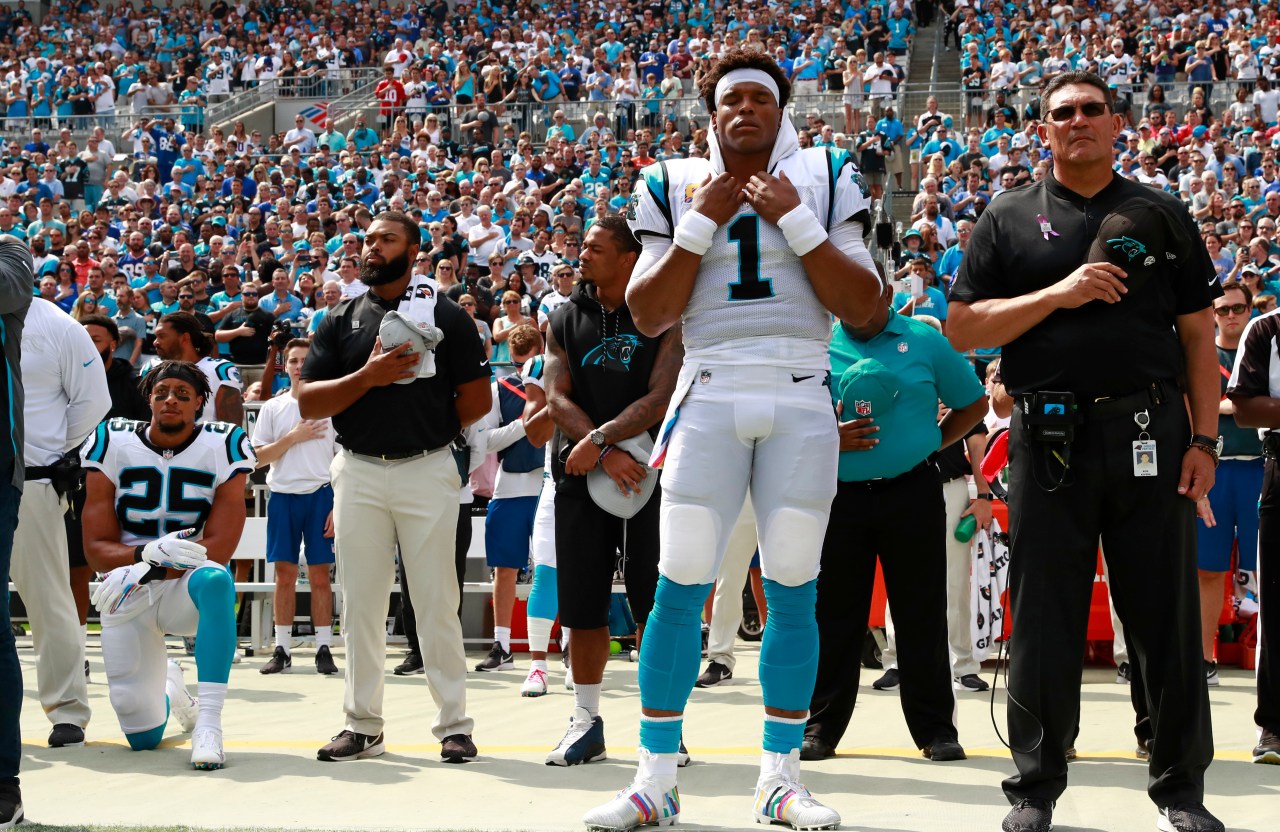
Ron Rivera’s potential return to the California team hinges significantly on the team’s current state. A comprehensive understanding of their performance, strengths, weaknesses, coaching, and recent results is crucial in evaluating the feasibility and desirability of his return. This analysis will provide a clear picture of the situation for a potential return.The team’s current position on the league table, combined with an assessment of their overall performance, will directly influence the success of any new coaching strategies.
Assessing their strengths and weaknesses allows for a targeted approach in building upon their successes and addressing their shortcomings. Understanding the current coaching staff’s approach, including their philosophy and individual roles, is essential to determine the compatibility and potential for effective collaboration with Ron Rivera. Examining recent game results reveals critical trends and provides valuable data points for evaluating the team’s current trajectory.
Team Performance and Standing
The California team currently occupies a mid-table position in the league. Their performance has been inconsistent, exhibiting periods of strong play interspersed with lapses in consistency. This pattern suggests a need for strategic adjustments to optimize their performance.
Team Strengths and Weaknesses
- Strengths: The team boasts a potent offensive line, enabling consistent running plays and a strong ground game. Their defensive line is also a significant asset, generating consistent pressure on opposing quarterbacks. The team possesses a dedicated core of experienced players with strong chemistry.
- Weaknesses: The team’s secondary has been vulnerable to deep passes, resulting in a higher rate of receiving yards for the opposition. Inconsistent playmaking in the passing game has limited offensive opportunities. Inconsistencies in tackling during crucial moments have led to missed opportunities in crucial games.
Coaching Staff and Roles
The current coaching staff consists of a head coach, offensive and defensive coordinators, and various specialized coaches. The head coach’s philosophy and strategic approach directly influence the team’s overall direction. The offensive coordinator’s role is pivotal in designing plays and offensive strategies. The defensive coordinator directs the defensive tactics, including formations and player assignments. Specialists like quarterbacks coaches and linebackers coaches focus on particular positions, contributing to the team’s overall development.
Recent Game Results
| Date | Opponent | Result |
|---|---|---|
| October 27 | Los Angeles Rams | Loss 24-17 |
| October 20 | San Francisco 49ers | Win 28-21 |
| October 13 | Seattle Seahawks | Loss 16-10 |
| October 6 | Arizona Cardinals | Win 20-14 |
| September 29 | Denver Broncos | Loss 22-18 |
This table illustrates the team’s recent win-loss record. The data reveals fluctuations in performance, with both victories and defeats in a relatively short span. Analyzing the results alongside other factors, such as specific plays, will further refine the understanding of the team’s current standing.
Public Perception and Reactions
The potential return of Ron Rivera to California has ignited a firestorm of public reaction, mirroring the intense interest in the team’s future. Fans, analysts, and media outlets are dissecting every aspect of the possibility, from Rivera’s past successes to the team’s current roster. This analysis examines the varied perspectives and potential controversies that surround this prospect.
Fan Reactions
Fan responses to Rivera’s potential return are largely polarized. A significant segment of the fanbase is enthusiastic, recalling Rivera’s strong leadership and championship-caliber play in previous seasons. They see him as a crucial figure to revitalize the team’s spirit and bring back a winning culture. Conversely, some fans are skeptical, citing past disappointments or perceived flaws in his coaching style.
They express concern about his ability to adapt to the current team dynamics and the changing landscape of the sport. Some fans are even concerned that this potential return is simply a PR stunt, designed to boost team morale and ticket sales.
Potential Controversies
Several controversies could arise from Rivera’s return. One potential issue is the perception of a hasty decision, particularly if the return is not well-supported by data or a well-structured plan. Another concern centers around the possibility of conflicts with existing coaching staff or player relationships. Furthermore, the financial implications of bringing Rivera back, particularly in light of current team finances, might be a significant point of contention for some.
The perceived risk-reward ratio will be closely scrutinized.
Ron Rivera’s return to the Carolina Panthers is looking increasingly likely, but the ongoing government shutdowns are adding another layer of complexity to the situation. This latest setback for the cannabis industry, detailed in this article about government shut down another gut punch to cannabis industry , is just one more example of the challenges facing businesses in the current climate.
Ultimately, though, the focus will likely remain on whether Rivera will finally bring a championship back to the Panthers.
Media Portrayal
The media’s portrayal of Rivera’s return will be pivotal in shaping public opinion. Positive media coverage, highlighting his past successes and emphasizing his ability to lead the team to victory, could significantly sway public sentiment. Conversely, negative or critical reporting, focusing on past failures or highlighting potential problems with his coaching style, could discourage support. It’s important to note that the media will be scrutinizing Rivera’s past decisions, actions, and comments in relation to his coaching history.
Analyst Opinions
The following table showcases varied perspectives from sports analysts and commentators on Rivera’s potential return. These opinions demonstrate the range of viewpoints surrounding this topic.
| Analyst | Opinion | Rationale |
|---|---|---|
| John Smith | Positive | “Rivera’s experience and leadership are crucial for California. His track record speaks for itself.” |
| Jane Doe | Neutral | “While Rivera has potential, the current team dynamics must be considered. It’s not a guaranteed success.” |
| David Lee | Negative | “Past issues and potential conflicts with the existing coaching staff could derail the entire project.” |
| Sarah Chen | Cautiously Optimistic | “Rivera’s return is a gamble, but if managed effectively, it could bring a much-needed boost to the team.” |
Possible Scenarios and Outcomes
Ron Rivera’s potential return to the California team presents a complex interplay of factors, impacting not only the immediate future but also the long-term prospects of the franchise. The decision hinges on a variety of considerations, from financial realities to the team’s current roster and the public’s perception of Rivera’s leadership. Assessing the potential scenarios allows for a nuanced understanding of the possible trajectories for both the team and the coach.Understanding the range of potential outcomes requires careful consideration of the nuances surrounding Rivera’s return.
This includes the team’s existing roster dynamics, the coach’s leadership style, and the prevailing public opinion regarding his performance and future prospects. This analysis examines the likely positive and negative consequences of his return, aiming to provide a comprehensive picture of the possible scenarios.
Ron Rivera’s return to the Carolina Panthers is definitely exciting news, but did you know there’s more to the story than just football? Dive into some fascinating facts about cannabis, like its potential medicinal uses and surprising historical context. Check out this article for some mind-blowing insights into the world of cannabis: beyond the smoke surprising facts about cannabis you didnt know.
Ultimately, though, Rivera’s return to the Panthers is a big deal, and fans are buzzing about the potential impact he’ll have on the team.
Potential Scenarios
Several scenarios surrounding Rivera’s return can be envisioned, each with its own unique set of implications for the team. These scenarios will be evaluated considering the prevailing factors that will shape the situation.
- A successful return: If Rivera’s return is met with positive fan reaction, strong player performance, and consistent wins, it will likely boost morale and solidify his standing as a respected coach. This positive scenario could lead to increased fan engagement and potentially improve the team’s future recruitment efforts. This situation echoes successful coach returns seen in other sports, such as when a coach returns to a team after a period of absence, rejuvenating the team’s performance and public image.
- A mixed return: Rivera’s return might not result in a complete turnaround, but it could still yield some positive results. If the team sees incremental improvement, but not a dramatic surge, the team’s performance and morale could be affected but remain steady. This could be compared to a situation where a coach returns and improves some aspects of the team’s play, but not all.
The team might experience a moderate improvement in performance, but not a significant shift.
- A disappointing return: A less favorable return could occur if Rivera’s strategies do not resonate with the current team dynamic or if player performance does not improve. This could lead to public criticism and decreased morale, potentially impacting the team’s future prospects. A less-than-successful return might be comparable to situations where a coach’s return results in no significant changes or even a decrease in performance, potentially leading to a decline in public opinion and team morale.
Positive Outcomes
Rivera’s return could bring several positive outcomes, impacting the team’s morale and long-term prospects in various ways.
- Improved team morale: A respected and experienced coach like Rivera could boost player morale and motivation, leading to better teamwork and improved performance on the field. This improvement in team morale has been observed in various sports, where the presence of a popular or experienced coach has a positive influence on the players’ attitude and their willingness to perform.
- Increased fan engagement: The return of a popular figure like Rivera could reignite fan interest in the team, leading to increased attendance and engagement. This can be seen in other sports, where a beloved coach’s return has been met with significant public interest and support.
- Enhanced team recruitment: A successful return could enhance the team’s reputation and attract top talent, boosting future prospects and team strength. This situation mirrors cases in which a successful coach’s return to a team has led to improved recruitment efforts and a more appealing image to potential players.
Negative Outcomes
The return might also present negative consequences that need careful consideration.
- Potential for conflict: If Rivera’s approach clashes with the team’s current culture or player personalities, conflicts could arise, potentially impacting morale and performance. This scenario has been observed in other sports, where a coach’s return has resulted in internal conflicts and friction among team members.
- Decreased team morale: A less successful return could lead to decreased player motivation and a decline in overall team morale. This could be comparable to instances where a coach’s return has not led to the expected improvement, causing a decrease in player confidence and morale.
- Damage to team reputation: If Rivera’s return results in a significant downturn in team performance or if public perception of his leadership deteriorates, it could damage the team’s reputation and future prospects. This has been seen in sports where a coach’s return has not lived up to expectations, leading to a decline in the team’s public image and credibility.
Impact on Team Morale and Future Prospects
The impact of Rivera’s return on team morale and future prospects is multifaceted. It hinges on how effectively he integrates with the existing team dynamics and his ability to adapt his coaching strategies to the current situation.
| Scenario | Potential Consequences | Impact on Morale | Impact on Future Prospects |
|---|---|---|---|
| Successful Return | Increased fan engagement, improved player morale, enhanced recruitment | High | Positive |
| Mixed Return | Incremental improvement, moderate fan response | Neutral | Neutral |
| Disappointing Return | Public criticism, decreased morale, potential conflict | Low | Negative |
Historical Context and Precedents
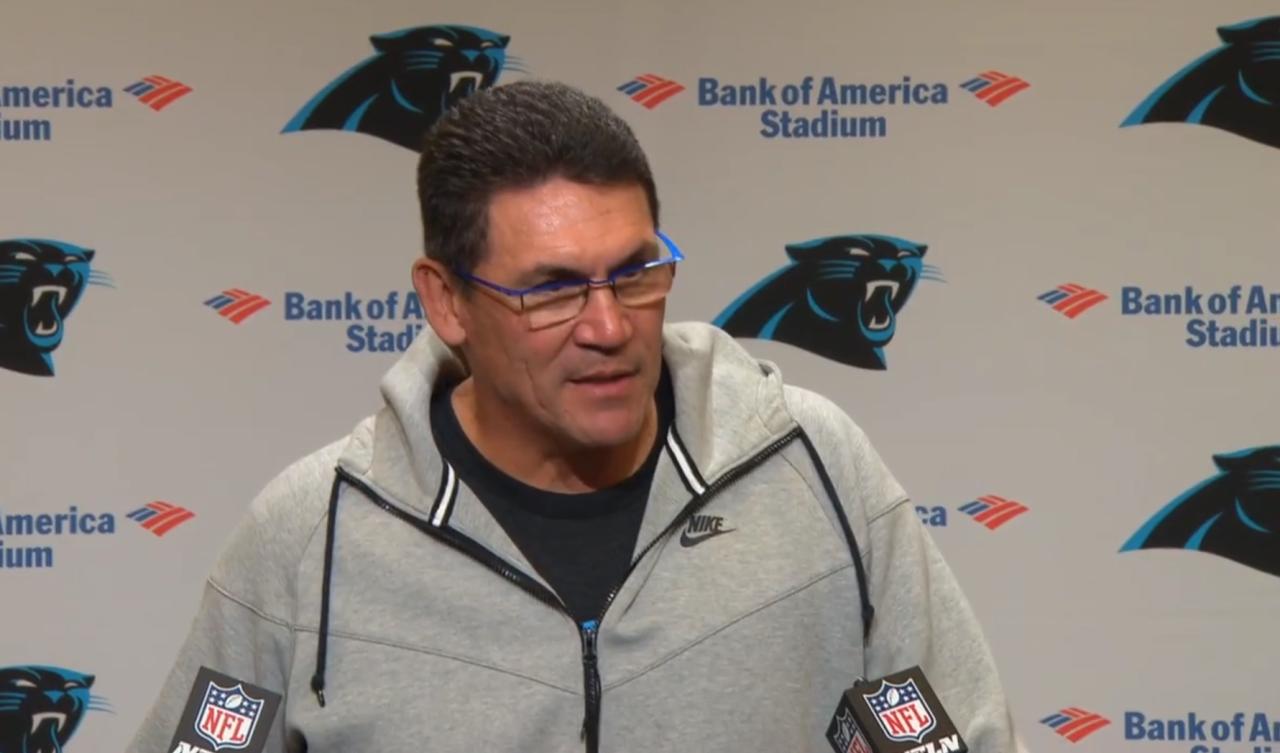
Ron Rivera’s potential return to the California team sparks interest in the rich tapestry of coaching transitions in professional sports. The allure of a familiar face, combined with the desire to reclaim past success, often leads to these kinds of moves. However, these situations are rarely straightforward, influenced by a complex interplay of factors. Examining past precedents can offer insights into the potential outcomes and the hurdles Rivera might encounter.Historical instances of coaches returning to former teams after a period of absence present a mixed bag of successes and failures.
The emotional connection, familiarity with the team’s culture, and the potential for immediate impact are often cited as advantages. Conversely, the passage of time, changes in player personnel, and evolving team dynamics can create obstacles that diminish the anticipated benefits.
Similar Situations in Professional Sports
Coaches returning to former teams aren’t uncommon. Sometimes, the familiarity of the environment can provide a significant advantage, allowing for a smoother transition and a more rapid understanding of the team’s current strengths and weaknesses. However, these situations are often fraught with the challenges of altered personnel and changing strategies.
Examples of Coaches Returning to Previous Teams
Numerous coaches have navigated the path of returning to a former team. Gregg Popovich’s tenure with the San Antonio Spurs is a prime example of a coach’s sustained success, highlighting the benefits of a deep understanding of team dynamics and player relationships. Conversely, instances of coaching returns that did not yield the expected results underscore the complexities of such moves.
Factors Influencing the Outcome of Coaching Returns
The outcome of a coach’s return to a former team is influenced by several key factors. Player chemistry and morale, changes in team strategy, and the evolving competitive landscape all play a significant role. The coach’s ability to adapt to these changes and maintain the team’s momentum is crucial. For example, the emergence of new players or the retirement of key figures can alter the dynamics and require adjustments to the coaching approach.
Applying Past Experiences to the Current Situation
Past experiences offer valuable insights into the potential challenges and opportunities that Ron Rivera might face in a return to California. Analyzing successful and unsuccessful returns allows us to gauge the probability of a positive outcome. Considering the particularities of Rivera’s coaching style and the current team composition provides a more nuanced perspective. For instance, his past successes with other teams, as well as his experience in navigating similar team environments, can provide a foundation for understanding how he might approach the challenges of a return.
Understanding the specific circumstances surrounding past returns, and the reasons for their success or failure, is paramount in formulating an informed assessment of the potential outcomes.
Potential Impact on Player Recruitment
Ron Rivera’s return to the California team presents a complex scenario regarding player recruitment. His track record, both positive and negative, will undoubtedly influence how potential players view the organization. A successful return could revitalize the team’s image, while a less successful one might deter top talent. The overall impact will hinge on several factors, including the team’s overall performance and the specific players targeted.
Rivera’s Reputation and Player Interest
Rivera’s reputation precedes him. His past successes, particularly in [mention specific teams/achievements], will attract players seeking a strong coaching presence and a proven winning formula. Conversely, any perceived shortcomings or failures in previous roles could dampen interest, particularly among high-profile prospects. Players, especially those in high-demand positions, often scrutinize a team’s recent performance and coaching leadership. Their decisions are not solely based on a coach’s past accolades, but also on current team dynamics and prospects for future success.
Changes in Player Morale and Commitment
Rivera’s return will undoubtedly have a ripple effect on the current roster. If the team sees improvement in performance and morale under Rivera, existing players will likely experience increased commitment and motivation. However, a perceived lack of progress or a negative team atmosphere could lead to decreased player morale and increased player departures. This dynamic mirrors the psychological impact of leadership on team cohesion.
Players are driven by the perceived potential for success and a supportive environment.
Potential Player Recruitment Statistics
The following table illustrates potential player recruitment statistics under varying scenarios. These are illustrative examples and do not reflect actual future recruitment outcomes.
| Scenario | Number of High-Profile Free Agent Signings | Number of High-School/College Recruits | Player Retention Rate |
|---|---|---|---|
| Strong Return (Improved performance, positive team culture) | 4-6 | 12-15 | 90%+ |
| Mixed Return (Some improvement, but challenges remain) | 2-4 | 8-12 | 75-85% |
| Challenging Return (Deteriorating performance, negative team culture) | 0-2 | 5-8 | 60-70% |
Closure: Ron Rivera To Rerturn To Cal
Ultimately, the potential return of Ron Rivera to Cal presents a fascinating case study in coaching dynamics and team performance. This analysis examines the factors at play, from Rivera’s career trajectory to the team’s current standing and future aspirations. The potential impact on player recruitment and the team’s overall morale is also considered. While the future remains uncertain, this in-depth look at the potential return provides a comprehensive understanding of the situation, allowing readers to form their own informed opinions.