Colorado Voters Reject Constitutional Amendment 82 and Halt Fossil Fuel Industry Push for Permanent Natural Gas Protections

Colorado voters delivered a decisive blow to the fossil fuel industry last week, rejecting Amendment 82, a controversial ballot initiative that would have enshrined a constitutional right to natural gas in the state. By a margin of more than seven percentage points, the electorate chose to rebuff a sophisticated, well-funded campaign that sought to provide oil and gas interests with a permanent legal shield against the state’s ongoing transition toward renewable energy. The defeat marks a significant pivot point in the state’s environmental trajectory, effectively stalling a strategy that industry lobbyists hoped would serve as a blueprint for other states to codify fossil fuel reliance.
The Anatomy of the Campaign
The initiative, Amendment 82, was promoted under the guise of "consumer choice." Proponents, led by the conservative advocacy group Advance Colorado, argued that the measure was a necessary defense against state-level policies that aim to restrict natural gas usage in buildings and utilities. The language of the amendment would have effectively prevented state and local governments from enforcing regulations that limit the installation or use of natural gas, creating a unique constitutional protection for a single energy commodity.
Advance Colorado, led by former Americans for Prosperity official Michael Fields, operated as the public face of the campaign. However, the true scale of the financial backing behind the measure revealed a deep, multi-state network of oil and gas interests. Financial disclosures indicate that three "issue committees"—Energy Freedom Alliance of the Rockies, Affordable Colorado, and Brighter Colorado—amassed millions of dollars in contributions. Key donors included entities tied to Texas-based oil firms, Western Midstream, and various investment firms with deep roots in the Permian Basin.
The involvement of "dark money" was a central point of contention throughout the election cycle. Because the committees were organized as nonprofits, they were not required to disclose the ultimate sources of their funding. Analysts from the Energy and Policy Institute highlighted this opacity as a strategic maneuver, noting that ballot measures are frequently utilized by industry networks to bypass transparency requirements while aggressively pushing legislative agendas that statehouses might otherwise reject.
A Chronology of Policy Conflict
The tension between Colorado’s climate goals and the fossil fuel industry is not new, but the legislative theater has shifted over the past decade.
- 2020: Industry groups attempted to pass a similar "right to natural gas" measure. The initiative failed to reach the ballot after Governor Jared Polis brokered a compromise between oil and gas producers and environmental advocates to avoid a costly and divisive campaign.
- 2024: A state-brokered "truce" was established between major producers like Chevron and Occidental Petroleum and environmental groups to settle competing ballot measures, again preventing a direct confrontation over energy policy.
- 2025–2026: The industry shifted its strategy, pivoting to a more aggressive constitutional approach. This was met by state-level policies requiring gas-stove manufacturers to affix health warning labels on appliances, similar to those found on tobacco products, citing risks like nitrogen dioxide and benzene exposure.
- November 2026: Voters decisively rejected Amendment 82, signaling a preference for long-term climate targets over the preservation of fossil fuel infrastructure.
Supporting Data and Environmental Health Context
The debate over Amendment 82 was underscored by a growing body of scientific evidence regarding the public health and environmental impacts of natural gas. While industry groups often frame natural gas as a "bridge fuel" or a "clean" alternative, the data tells a more complex story.
Natural gas is primarily composed of methane, a potent greenhouse gas with a warming potential approximately 80 times greater than carbon dioxide over a 20-year period. Scientific consensus, supported by reports from the Intergovernmental Panel on Climate Change (IPCC), identifies the reduction of methane emissions as an urgent "emergency brake" for mitigating climate change.
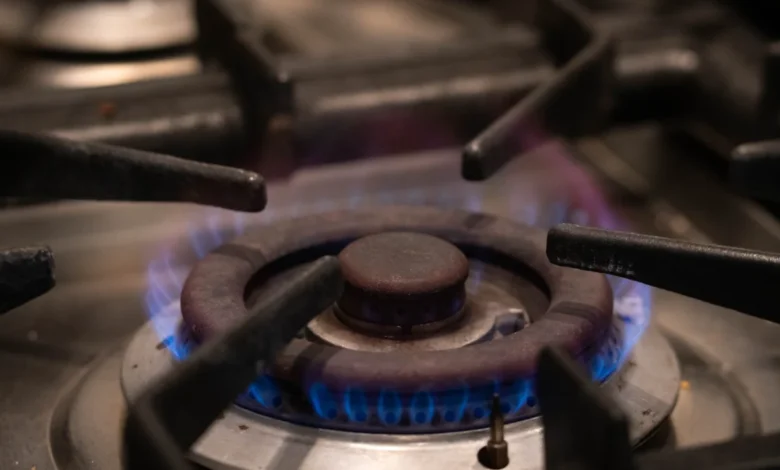
Domestically, the Colorado Department of Public Health and Environment has been increasingly vocal about the indoor air quality issues linked to gas-fueled appliances. The combustion of natural gas in stoves and heaters releases byproducts such as carbon monoxide, nitrogen dioxide, and volatile organic compounds. These pollutants are linked to the exacerbation of respiratory conditions, particularly asthma in children. The industry’s push to constitutionally protect the use of these appliances faced significant skepticism from voters who are increasingly concerned about the intersection of home energy use and public health.
The Broader Industry Strategy
Amendment 82 did not exist in a vacuum. It was part of a coordinated, nationwide effort led by the American Gas Association (AGA) and allied conservative think tanks to pass "fuel choice" legislation. To date, 26 states have passed laws that explicitly prohibit local governments from banning natural gas hookups in new construction.
The strategy in Colorado was uniquely ambitious: by moving the fight to the state constitution, the industry aimed to create a legal hurdle that even the state legislature would be unable to overcome. The Common Sense Institute, a think tank with documented financial ties to Advance Colorado, provided the academic and economic research used to support the ballot initiative. Their analysis consistently framed the transition to electric appliances as a "costly" burden on consumers, a narrative that resonated with a portion of the electorate but failed to sway the majority.
Official Reactions and Political Analysis
The outcome of the vote has prompted a re-evaluation of the political landscape in Colorado. Environmental organizations, such as Conservation Colorado, framed the victory as a win for the state’s democratic integrity. "It seemed to be an attempt to lock in a fuel of the past and the profits that go with it," said Kelly Nordini, CEO of Conservation Colorado. She and other activists emphasized the absurdity of prioritizing the constitutional protection of a fossil fuel over fundamental rights to clean air and water.
Conversely, the proponents of the measure maintained that the amendment was about consumer choice and protecting the energy grid from the instability they associate with rapid electrification. However, critics point out that Colorado’s energy grid is already experiencing a significant shift, with renewable sources now accounting for over half of the state’s electricity generation. Experts argue that locking in fossil fuel reliance would have been an "existential threat" to the state’s long-term energy transition and its legal commitments to reach net-zero greenhouse gas emissions by 2050.
Implications for Future Climate Policy
The failure of Amendment 82 serves as a cautionary tale for the fossil fuel industry’s influence-campaigns. Political analysts suggest that the defeat may force these groups to reconsider their reliance on constitutional ballot measures.
"If they were successful with this, they would have looked to export it to other states," noted Garrett Royer, political director for the Sierra Club’s Colorado chapter. By attempting to test the measure in Colorado—a state with a strong environmental movement—the industry may have overestimated its ability to manufacture a consensus around the "right" to use a specific fossil fuel.
For the state of Colorado, the focus now returns to the implementation of its existing climate roadmap. The defeat of the amendment removes a significant legal barrier that would have complicated the enforcement of building codes and utility regulations. It also reinforces the state’s position as a leader in climate policy, demonstrating that even in an era of high political polarization, voters are increasingly unwilling to decouple their energy policy from their concerns regarding public health and the global climate crisis.
As the dust settles, the question remains whether the industry will attempt to reintroduce these initiatives in more conservative states or if they will shift their focus toward lobbying for federal protections. Regardless of their next move, the Colorado vote has provided a definitive answer to the question of whether constitutionalizing fossil fuels is a viable pathway for the future of American energy.