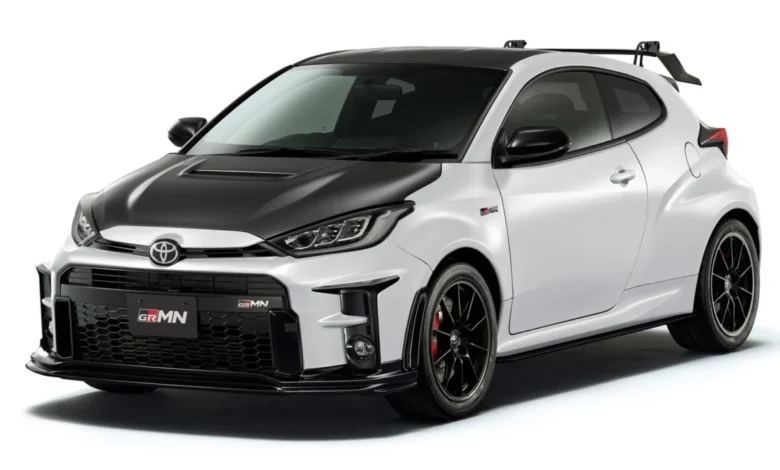
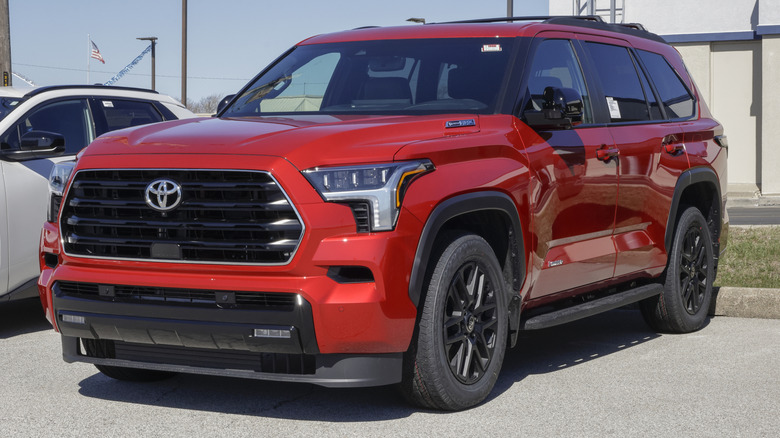
In the European automotive market, enthusiasts have long enjoyed access to the Toyota Yaris GRMN, a high-performance variant that embodies the pinnacle of compact hatchback engineering. The Gazoo Racing Masters of the Nürburgring (GRMN) philosophy closely mirrors the role that Manthey Racing plays for Porsche, focusing on significant power enhancements, substantial weight reduction, and aggressive aerodynamic and suspension upgrades. However, the GRMN badge has historically been applied selectively across Toyota’s global portfolio, leaving many popular nameplates untouched by the automaker’s motorsports division.
Recently, automotive enthusiasts and Jalopnik readership gathered to propose hypothetical additions to the GRMN lineage, imagining how Toyota’s mainstream volume sellers—ranging from fuel-efficient hybrids to utilitarian trucks—might perform if given the full track-oriented treatment. While Toyota’s primary commercial success relies on appealing to everyday consumers, these community-driven concepts highlight a persistent demand for high-performance iterations across unexpected vehicle segments.
The Case for a Turbocharged GR86 and the Subaru Partnership
While the current front-wheel-drive Yaris GRMN represents the gold standard for hot hatches in Europe, the rear-wheel-drive Toyota GR86 remains a prime candidate for a comprehensive power overhaul. Co-developed with Subaru, the sports coupe has routinely been praised for its balanced chassis and engaging handling, though critics and owners frequently note a desire for forced induction.
Industry analysts suggest that integrating the 271-horsepower turbocharged FA24F flat-four engine—currently utilized in the VB-generation Subaru WRX—would seamlessly elevate the GR86’s performance metrics. By collaborating with Subaru, Toyota could theoretically introduce a true flagship variant of the sports car, potentially paired with a corresponding STI counterpart for the Subaru BRZ. Such a move would address long-standing enthusiast requests for factory-backed forced induction without requiring an entirely ground-up powertrain development program.
High-Performance Truck Concepts: Redefining Utility and Speed
Expanding the performance umbrella into Toyota’s truck and SUV lineup yielded some of the most ambitious proposals from the readership. Commenters drew comparisons to historic performance trucks, such as the GMC Syclone, suggesting that larger vehicles like the Toyota Sequoia and Tundra could benefit significantly from aggressive street-oriented engineering.
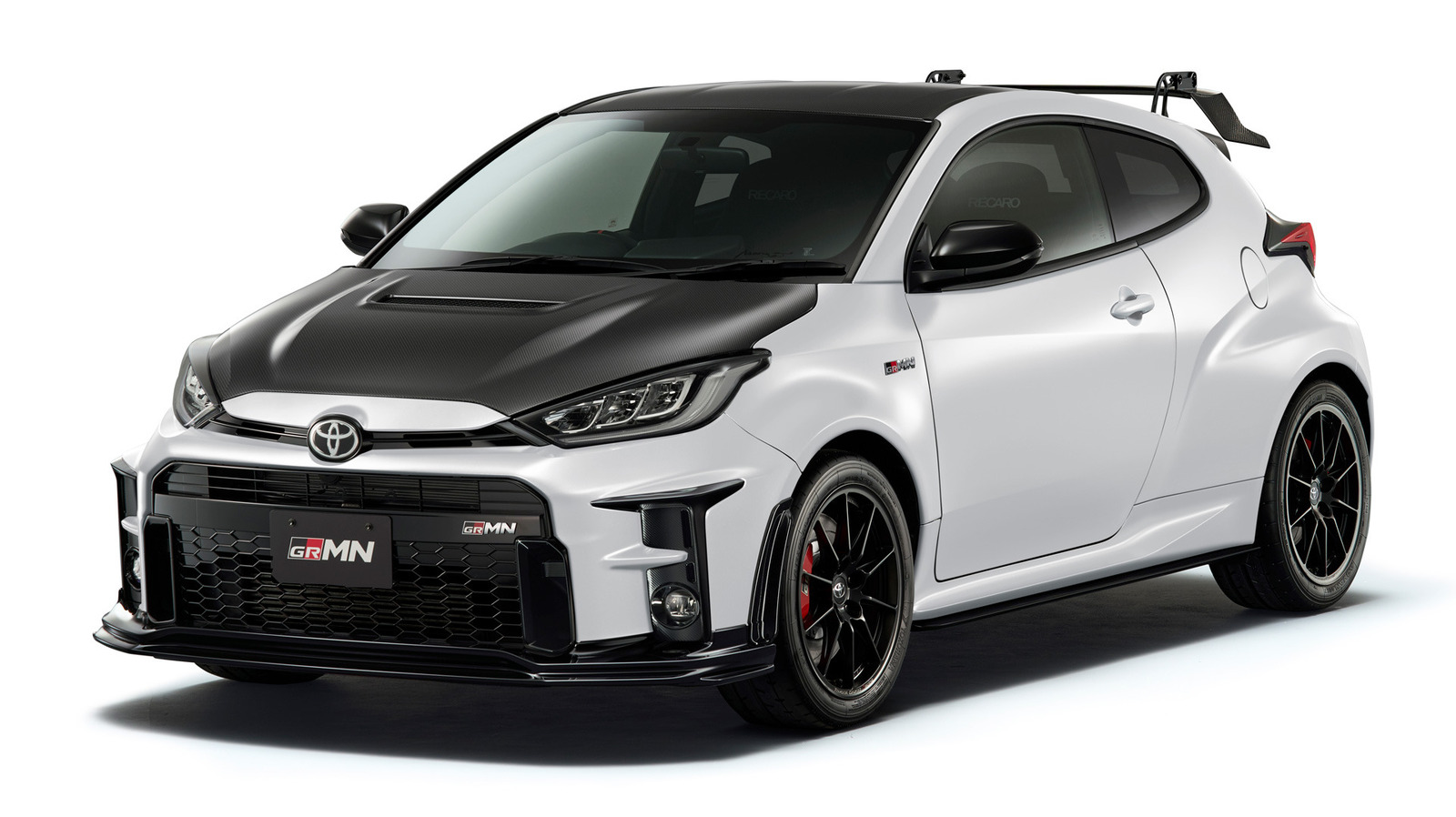
The current-generation Toyota Sequoia utilizes a twin-turbocharged 3.4-liter V6 hybrid system that pairs the internal combustion engine with a modest 48-horsepower electric motor, producing a combined 437 horsepower. Forum contributors argued that scaling up the electrical assistance—similar to the 161-horsepower electric motor found in the Toyota Prius—alongside increased turbocharger boost could easily push output into the 650-horsepower range. Lowered suspension geometry and street-focused tire compounds could transform the heavy SUV into a direct competitor against high-performance European offerings like the BMW X5 M and Audi RS Q8.
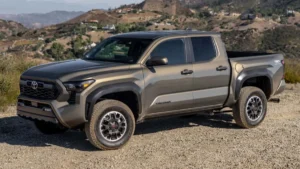
Similarly, the Toyota Tacoma, which features the i-Force Max hybrid 2.4-liter turbocharged inline-four producing 326 horsepower, was highlighted as an ideal platform for street performance. Enthusiasts noted that shifting the performance truck paradigm away from off-road pre-runner capabilities—a segment largely popularized by the Ford F-150 Raptor—toward pavement-oriented configurations could carve out a unique niche in the midsize truck market.
Imagining a Track-Ready Kei Vehicle
Among the more unconventional suggestions was a performance-oriented variant of ultra-compact commercial vehicles, specifically referencing the Daihatsu Hijet-derived platform often imported under low-speed vehicle regulations in restricted markets. While standard imported models feature limited displacement and strict velocity caps to comply with federal regulations, enthusiasts theorized about a closed-course track variant utilizing Daihatsu’s turbocharged 1KR-VET inline-three engine.
While strict federal crash-testing standards and emissions protocols preclude such a vehicle from street legality in North America without substantial structural redesign, the concept underscores the community’s appetite for lightweight, highly agile micro-machinery configured for motorsports applications.
Reviving Past Flagships and Family Haulers
Discussions also touched upon discontinued and unexpected segments, including the Toyota Supra and the family-oriented Sienna minivan. Although fifth-generation Toyota Supra production concluded earlier this year, the platform’s mechanical ties to BMW’s B58 turbocharged inline-six engine left an enduring legacy of tuning potential. Enthusiasts noted that BMW’s specialized M-division tuning—demonstrated in ultra-limited models like the BMW 3.0 CSL, which extracts up to 560 horsepower from the same architectural base—proves the engine’s capability far beyond factory Supra ratings.
Meanwhile, family transport proposals focused heavily on the Toyota Sienna and the redesigned Toyota Camry. Equipped with hybrid powertrains that prioritize efficiency over acceleration, the Sienna and Camry platforms were cited as ideal candidates for sleeper performance upgrades. Integrating the high-output turbocharged three-cylinder engine from the GR Corolla into a reinforced, all-wheel-drive hybrid architecture could yield a distinctive niche of high-performance daily drivers.
The Prius as the Ultimate Hybrid Hot Hatch
By far the most recurring and widely supported proposition among enthusiasts centered on the current-generation Toyota Prius. Long recognized primarily for its exceptional fuel economy, the latest iteration of the Prius has garnered praise for its sharp exterior styling and surprisingly rigid chassis architecture.
Commenters emphasized that outfitting the Prius with a sophisticated multi-link rear suspension and borrowing a high-output hybrid powertrain—such as the system found in the RAV4 Prime—would create a viable hybrid pocket rocket. Enthusiasts visualized a comprehensive package featuring wider track widths, aerodynamic enhancements, upgraded braking systems, and increased electrical boost to deliver sports-car-rivaling dynamics without sacrificing daily usability.
Industry Implications and Market Outlook
While these consumer-generated concepts remain purely theoretical, they reflect shifting consumer expectations regarding electrified performance. As strict global emissions regulations compel manufacturers to electrify their fleets, the intersection of hybrid technology and high-output tuning represents a viable pathway for enthusiast vehicles.
Toyota’s Gazoo Racing division has demonstrated a willingness to push boundaries with specialized halo cars like the GR Corolla and GR Yaris. Whether executive product planners will draw inspiration from enthusiast forums to expand the GRMN brand into trucks, minivans, or electrified hatchbacks remains to be seen, but the dialogue illustrates a robust, active market demand for factory-engineered performance across diverse vehicle segments.