A Four-Decade Accumulation
The genesis of this collection dates back to the early 1980s, a period when the automotive landscape was shifting toward fuel efficiency and electronic fuel injection. The collector, a seasoned professional in the Ohio dealership circuit, focused his acquisitions on the pinnacle of American muscle. His methodology was deliberate: rather than seeking volume, he hunted for low-mileage, well-preserved, or historically significant examples of domestic sports cars.
Over the span of forty years, the collection grew into a comprehensive timeline of the “Muscle Car Renaissance.” By the time the dealer decided to liquidate the assets, the inventory included a diverse array of Chevrolet Camaros, Pontiac Trans Ams, and the highly coveted Buick Grand Nationals—the latter of which have seen their collector value skyrocket over the last decade due to their limited production and significant impact on turbocharging technology in the 1980s.
Notable Acquisitions and Market Valuation
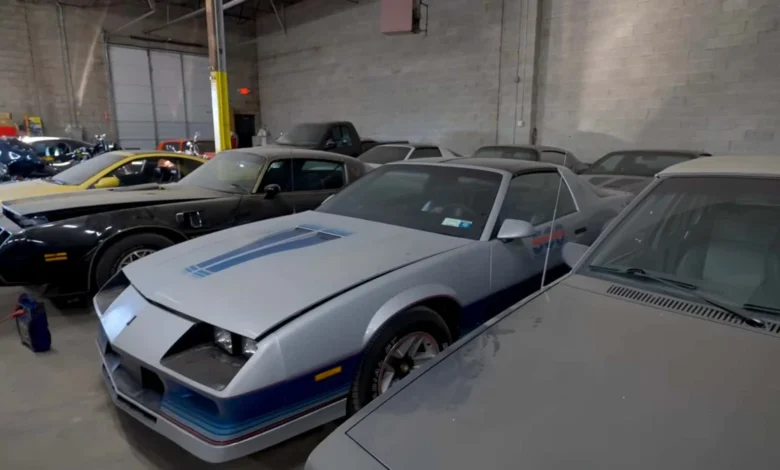
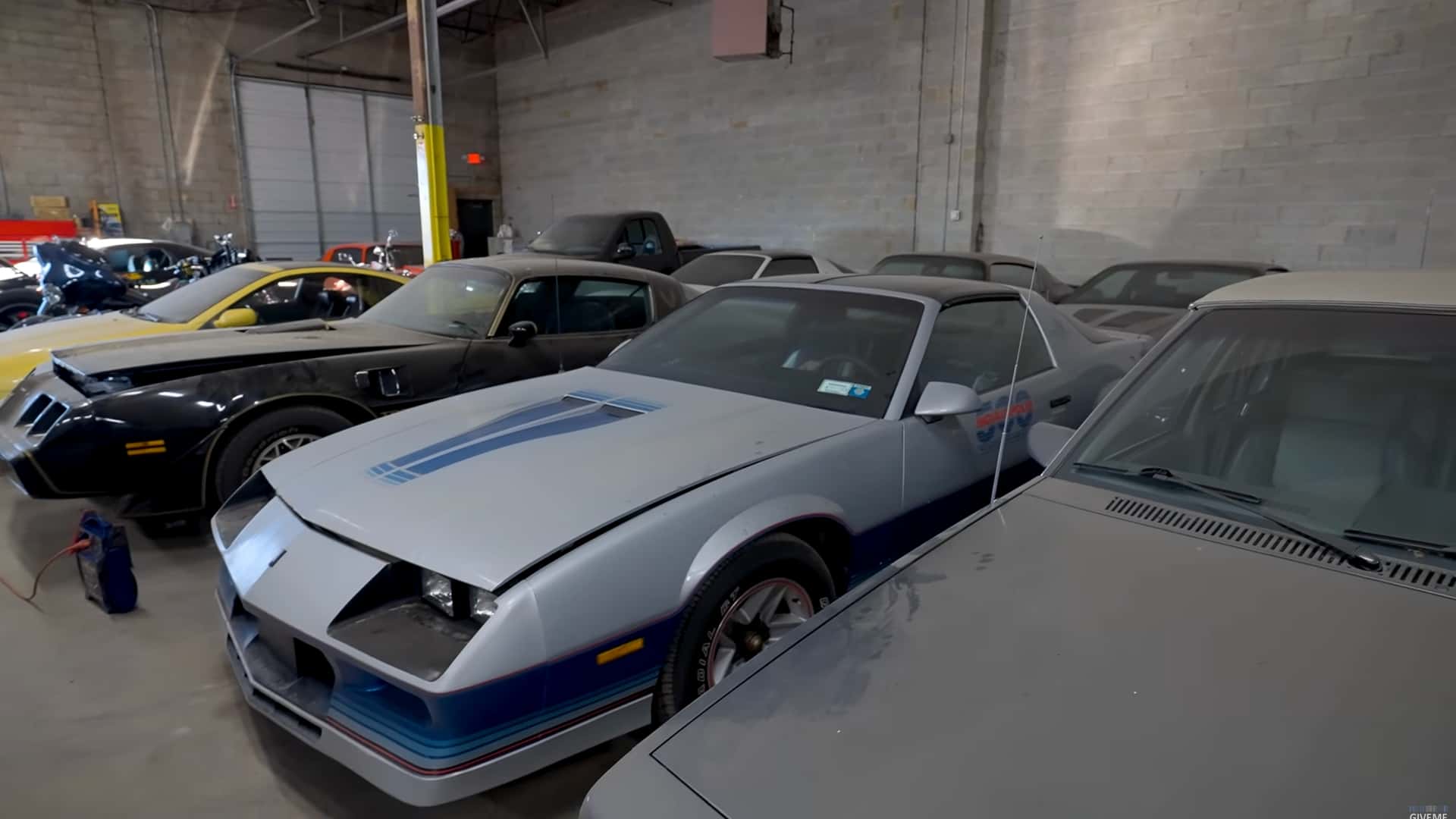
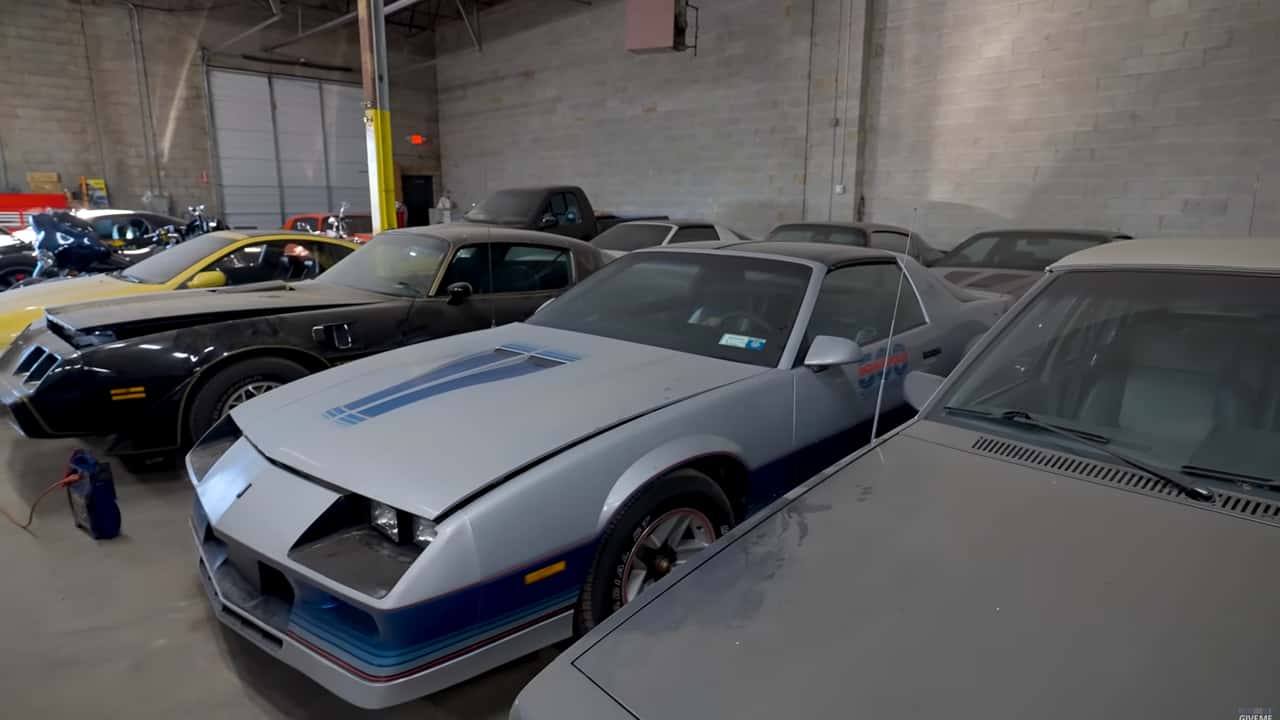
In a recent documented transaction, John Clay Wolfe examined the fleet to assess which vehicles would be prepared for auction. Among the standout items was a 1985 Chevrolet Camaro IROC-Z. The IROC-Z (International Race of Champions) package was a performance benchmark for the era, and finding one with only 200 original miles is a rarity that borders on the impossible. Wolfe finalized the purchase of this particular unit for $45,000, a figure that reflects both the condition of the vehicle and the current market premium on "survivor" status cars from the 1980s.
Another notable addition to the transaction was a C3 Chevrolet Corvette, finished in a striking white-on-red color combination. Despite the car possessing a non-functional transmission, it was acquired for $7,000. This purchase highlights the nuance of the collector car market: while the transmission failure would typically be a deterrent for a retail buyer, a dealer like Wolfe views the vehicle as an opportunity to restore a classic to running condition, thereby adding value through mechanical rehabilitation.
The Dynamics of Professional Procurement
The process of acquiring such a collection is rarely straightforward. Not every vehicle in the Ohio dealer’s warehouse was suitable for the current market. Wolfe, acting as the intermediary and purchaser, exercised significant discretion during the inspection process. Several vehicles were passed over, reflecting the reality that even in a high-quality collection, there are units that require extensive restoration—work that may not be financially viable given the current cost of parts and labor in the automotive sector.
Wolfe’s approach is indicative of a broader trend in the automotive industry: the "professionalization" of barn-finds and private collections. By leveraging his network and expertise, he is able to filter the gems from the projects, ensuring that only the most viable vehicles reach the auction block. This vetting process provides a level of assurance to future bidders, who are often wary of long-term storage vehicles that have not been properly maintained.
The Auction Roadmap: Manheim Dallas
The collection is slated to cross the block on December 23 at the Manheim Dallas auction facility. This event is not open to the general public; it is a wholesale auction, meaning that participants must hold a valid automotive dealer’s license to participate. The decision to list approximately 100 vehicles with "no reserve" is a bold strategy that signals the seller’s intent to completely clear the inventory before the close of the calendar year.
A "no-reserve" auction implies that every vehicle will sell to the highest bidder, regardless of the price. For prospective dealers, this creates a high-stakes environment where market value will be determined by the collective sentiment of the room. It is a stark contrast to the standard retail market, where prices are often inflated by dealer margins and overhead.
Contextualizing the GM Performance Era
To understand the significance of this collection, one must examine the broader context of the vehicles involved. The 1980s and 1990s represented a challenging period for American performance cars, as manufacturers struggled to balance stringent emissions regulations with consumer demand for power.
- The Buick Grand National: Often cited as the "dark horse" of the 1980s, the Grand National utilized a turbocharged 3.8-liter V6 that outperformed the V8s of the era. Its inclusion in this collection is a testament to the owner’s foresight regarding future collector trends.
- The IROC-Z Camaro: Serving as the face of the third-generation F-body platform, the IROC-Z represents the pinnacle of handling and styling for the mid-80s, with factory-tuned suspension upgrades that were revolutionary for the time.
- The Ford SVT Lightning: While the bulk of the collection is GM-centric, the inclusion of a 2000 Ford SVT Lightning—a high-performance pickup truck—illustrates the owner’s appreciation for specialized engineering across manufacturers.
Market Implications and Future Outlook
The dispersal of a collection of this size has immediate implications for the classic car market. When 100 vehicles of this pedigree enter the market simultaneously, it can cause a temporary fluctuation in pricing for similar models. Collectors and investors will be watching the Manheim Dallas results closely to gauge the current strength of the "modern classic" segment.
The current market for 1980s and 1990s performance vehicles has been described by analysts as "the new golden age of collecting." As the generation that grew up with these cars reaches their peak earning years, the demand for pristine, low-mileage examples has surged. Auctions like this act as a bellwether for the health of this sector. If the no-reserve vehicles command high prices, it confirms that the momentum behind the 1980s-era muscle car market is sustainable.
The Evolution of the Dealer-Collector
The Ohio dealer’s journey from a professional merchant to a long-term collector—and eventually a seller—mirrors the lifecycle of many high-end automotive assets. The transition from a static collection to a dynamic, circulating inventory allows these vehicles to be enjoyed by a new generation of enthusiasts.
For the automotive industry, these transactions serve as a reminder that the value of a classic car is not merely in its utility, but in its ability to tell a story. Whether it is a 200-mile IROC-Z or a project-grade C3 Corvette, each vehicle in this collection represents a chapter in the history of American automotive ingenuity.
As the December 23 deadline approaches, the automotive community will focus on Dallas, waiting to see which of these relics will find new homes and which will continue their journey toward restoration. For John Clay Wolfe and the original collector, this event marks the final chapter in a forty-year project—a closing of the curtain on one of the most intriguing private collections in the Midwest. The results of the auction will undoubtedly provide a definitive look at the current valuation of these late-20th-century icons, setting the benchmark for the coming year in the classic car hobby.