The Evolution of Experiential Tourism in Tokyo Navigating Local Culture Through Specialized Guided Excursions

Tokyo remains one of the world’s most complex urban environments, a megalopolis where centuries-old traditions coexist with hyper-modern technology. As Japan continues to see record-breaking tourism numbers in the post-pandemic era, with the Japan National Tourism Organization (JNTO) reporting over 3 million monthly visitors in early 2024, the demand for "experiential tourism" has surged. This shift represents a departure from traditional "cookie-cutter" sightseeing toward localized, immersive experiences that offer deeper cultural context. Among the platforms facilitating this transition, Airbnb Experiences has emerged as a significant competitor to traditional tour operators, leveraging local expertise to provide access to the city’s more nuanced subcultures, from the intricacies of Edomae sushi to the underground street art scenes of Shibuya.
The Transformation of Tokyo’s Tourism Landscape
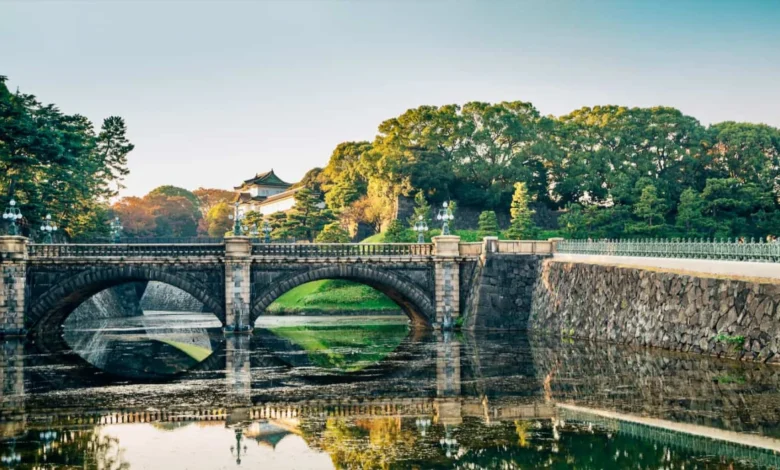
Historically, tourism in Tokyo was dominated by large-group bus tours focusing on major landmarks such as the Imperial Palace, Senso-ji Temple, and Tokyo Tower. However, contemporary travel trends indicate a growing preference for "hyper-local" engagement. This movement is driven by a desire for authenticity and the democratization of tour guiding, where residents, historians, and artisans offer direct access to their specialized fields.
The city’s vastness—spanning 23 special wards and a metropolitan population exceeding 37 million—makes it difficult for independent travelers to navigate its social and culinary hierarchies. The rise of specialized tours serves as a bridge, allowing visitors to bypass the superficial layers of the city. These experiences are often led by long-term residents or professionals, such as certified sake sommeliers and trained chefs, providing a level of pedagogical depth that traditional sightseeing often lacks.
Culinary Arts: From Omakase Mastery to Ramen Evolution
Tokyo’s culinary reputation is unparalleled, holding more Michelin stars than any other city globally. Central to this reputation is the art of sushi. While sushi-making classes are a staple of the tourism industry, a new tier of education has emerged within authentic omakase (chef’s choice) environments. These sessions, often led by veteran sushi masters or their senior apprentices, go beyond the mechanics of rice shaping. They delve into the chemistry of vinegar seasoning, the seasonal sourcing of fish from the Toyosu Market, and the aesthetic philosophy of presentation. This educational approach transforms a meal into a technical seminar on Japanese gastronomy.
Similarly, the ramen industry in Tokyo has seen a shift toward historical and regional analysis. With over 10,000 ramen shops in the Tokyo metropolitan area, the dish has evolved from a simple Chinese-style noodle soup into a complex culinary icon. Guided ramen excursions now frequently focus on the "New Wave" ramen movement, exploring the nuances of tonkotsu (pork bone), shoyu (soy sauce), and experimental fusion broths. These tours provide a chronological overview of ramen’s development since the early 20th century, helping visitors understand the dish as a reflection of Japan’s post-war economic history.
The Izakaya Economy and the Social Fabric of Nightlife
The izakaya—a type of informal Japanese bar that serves alcoholic drinks and snacks—is a cornerstone of Japanese social life. However, for non-Japanese speakers, these establishments can be intimidating due to unwritten social codes and "members-only" atmospheres in certain districts.
Data suggests that districts like Shibuya and Shinjuku remain the primary hubs for nightlife tourism. Shibuya, famous for the "Scramble" crossing which sees up to 3,000 people per green light, is home to thousands of hidden izakayas. Modern nightlife tours have professionalized the "pub crawl" by integrating cultural education. Hosts now focus on the history of nomihodai (all-you-can-drink) culture and the specific etiquette of drinking in a group setting.
In Shinjuku, particularly the areas around Kabukicho and the narrow alleyways of Omoide Yokocho, tours led by sake sommeliers provide a structured introduction to Japan’s national beverage. These experiences often include visual aids and technical breakdowns of the brewing process, distinguishing between Junmai, Ginjo, and Daiginjo grades. This specialized knowledge allows tourists to engage with the local economy more effectively long after the tour concludes.
Historical Preservation in the "Low City" Neighborhoods
While the neon lights of Shinjuku represent the modern face of Tokyo, districts like Yanaka and Nezu offer a window into the "Shitamachi" (low city) atmosphere of the Edo period. These areas were largely spared from the firebombing of World War II and the Great Kanto Earthquake of 1923, leaving a rare architectural record of pre-modern Tokyo.
Educational walking tours in these regions are increasingly led by lecturers specializing in Japanese history. These tours typically follow a chronological path:
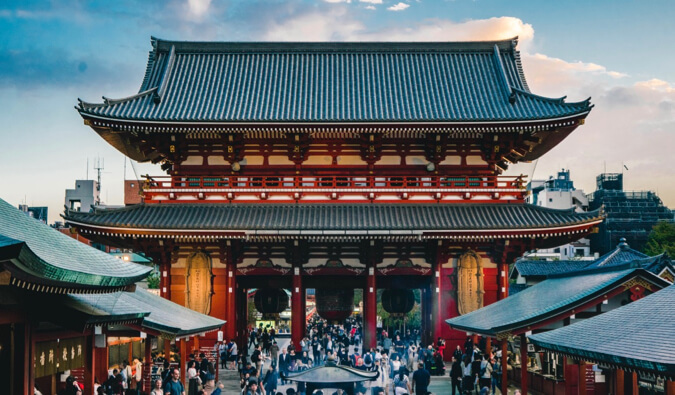
- The Edo Period (1603–1867): Exploring shrines like Nezu-jinja, which dates back over 1,900 years, to explain the historical union of Shintoism and Buddhism.
- The Meiji Restoration: Discussing the rapid modernization of the late 19th century and its impact on the samurai class.
- Modern Preservation: Analyzing how these neighborhoods maintain their identity amidst Tokyo’s relentless urban development.
By focusing on these "quiet" neighborhoods, tourism helps support local artisans and small businesses that might otherwise be overlooked in favor of the major commercial centers.
Niche Subcultures: Coffee, Tea, and Street Art
Tokyo’s ability to adopt and refine foreign concepts is evident in its burgeoning coffee culture. The city is currently experiencing a "third-wave" coffee movement, which emphasizes high-quality beans and artisanal brewing methods. However, this modern trend is rooted in the traditional kissaten (old-school coffee shop) culture of the Showa era. Specialized coffee tours in neighborhoods like Jimbocho and Kanda—areas famous for their secondhand bookstores—trace this evolution, pairing modern specialty brews with traditional Japanese sweets (wagashi).
In contrast to the fast-paced coffee scene, the organic matcha tea ceremony remains a vital link to Japan’s Zen Buddhist roots. Short-form tea ceremonies have become popular among business travelers and short-term tourists, offering a condensed but rigorous introduction to the "Way of Tea." These sessions focus on the sensory differences between ceremonial-grade matcha and culinary varieties, emphasizing the philosophy of ichi-go ichi-e (one time, one meeting).
Furthermore, the underground street art scene in Shibuya and Harajuku provides a counter-narrative to Tokyo’s reputation for strict public order. In a country where unauthorized murals are often met with severe legal penalties, street art tours highlight the tension between creative expression and social conformity. These tours often document the lifecycle of murals, showing how the culture thrives in "hidden" spaces and alleyways, away from the watchful eyes of municipal authorities.
Tourism Infrastructure and Economic Impact
The logistical framework supporting Tokyo’s tourism sector is extensive. In 2023, the Japan Rail (JR) Group implemented a significant price increase for the Japan Rail Pass, a move that has encouraged many travelers to spend more time exploring Tokyo in-depth rather than rushing between cities. This "slow travel" trend benefits the local Airbnb Experience economy, as visitors have more time for half-day or full-day workshops.
Accommodation trends also show a diversification of the market. While luxury hotels and business hotels continue to dominate, the "hostel-as-community" model has gained traction. Establishments that provide social hubs for travelers often serve as the starting points for these localized tours, creating a symbiotic relationship between lodging and experiential guiding.
Industry analysts note that the rise of individual-led tours has significant implications for the local economy. By decentralizing tourism revenue—moving it from large corporations to individual guides and small neighborhood shops—the "Experience" model promotes a more sustainable form of tourism. This is particularly important in a city facing "overtourism" in specific hotspots, as it encourages visitors to spread out into lesser-known wards.
Future Outlook and Implications
As Tokyo moves further into the 2020s, the integration of technology and personal storytelling will likely define the next phase of tourism. The success of platforms like Airbnb and Arigato Travel suggests that the modern traveler values human connection and specialized knowledge over mere convenience.
However, this shift also brings challenges. The "Disneyfication" of local neighborhoods is a constant concern for residents in areas like Yanaka or Shinjuku’s Golden Gai. The challenge for the tourism industry will be to balance the economic benefits of these experiences with the need to preserve the very authenticity that visitors seek.
In conclusion, Tokyo’s depth is not merely a product of its size, but of the layers of history, craft, and social complexity that define its various neighborhoods. Specialized tours—whether focused on the precise cut of a tuna fillet, the history of a Shinto shrine, or the brewing of a perfect cup of coffee—provide the necessary tools for outsiders to decode this complexity. For the global traveler, these experiences represent the difference between simply seeing Tokyo and truly understanding the mechanics of one of the world’s most fascinating cities.
Related posts: