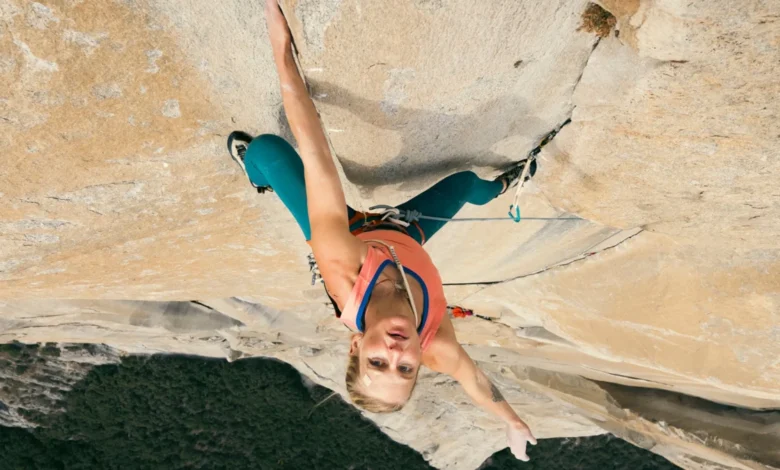
The highly anticipated documentary film Girl Climber, which chronicles the career-defining 24-hour ascent of Yosemite National Park’s El Capitan by professional climber Emily Harrington, is set to reach a global audience with its arrival on Netflix on September 16, 2026. The film, which garnered significant critical acclaim during its premiere on the mountain-film festival circuit in the summer of 2025, offers a rare, unflinching look at the physical and psychological toll of pursuing excellence at the highest levels of extreme sport.
The Anatomy of an Elite Ascent
At the center of the film is the Golden Gate route, a formidable 3,200-foot vertical challenge on the iconic granite face of El Capitan. To complete this route in under 24 hours is a feat that requires not only elite technical ability—navigating 36 individual pitches of varying difficulty—but also an extraordinary level of endurance. When Harrington set her sights on this objective in 2018, she aimed to become the first woman and only the fourth person in history to achieve the milestone, following in the footsteps of legendary climbers Tommy Caldwell, Alex Honnold, and the late Brad Gobright.
The logistical complexity of the climb cannot be overstated. Free climbing—where the rope is used only for protection in the event of a fall rather than as a means of upward progress—demands that the climber rely entirely on their own strength and precision to manipulate the rock face. For Harrington, a former five-time U.S. national sport climbing champion who pivoted to high-altitude mountaineering and big-wall climbing, the Golden Gate was a test of both her technical proficiency and her resilience.
A Chronology of Persistence
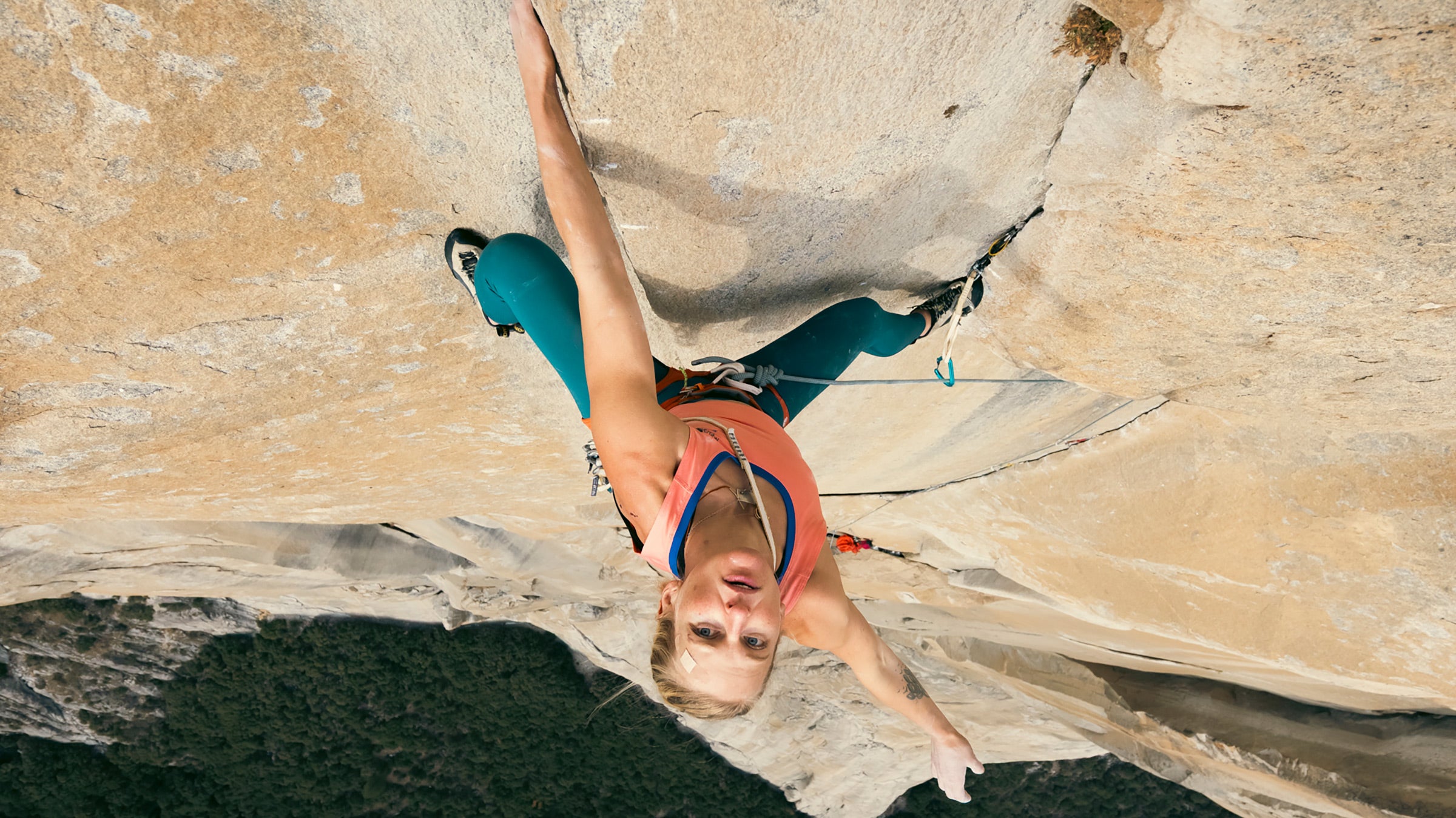
The production of Girl Climber spans several years, capturing a narrative defined by setbacks, dangerous failures, and eventual triumph. Harrington’s initial attempts at the Golden Gate were thwarted by the unpredictable nature of high-altitude weather and the extreme physical exhaustion inherent in continuous, day-long climbing. One particularly harrowing attempt saw her turn back just 300 feet from the summit, a bitter disappointment after thousands of feet of progress. Another attempt resulted in a traumatic fall, necessitating a trip to the hospital and raising serious questions about the sustainability of her pursuit.
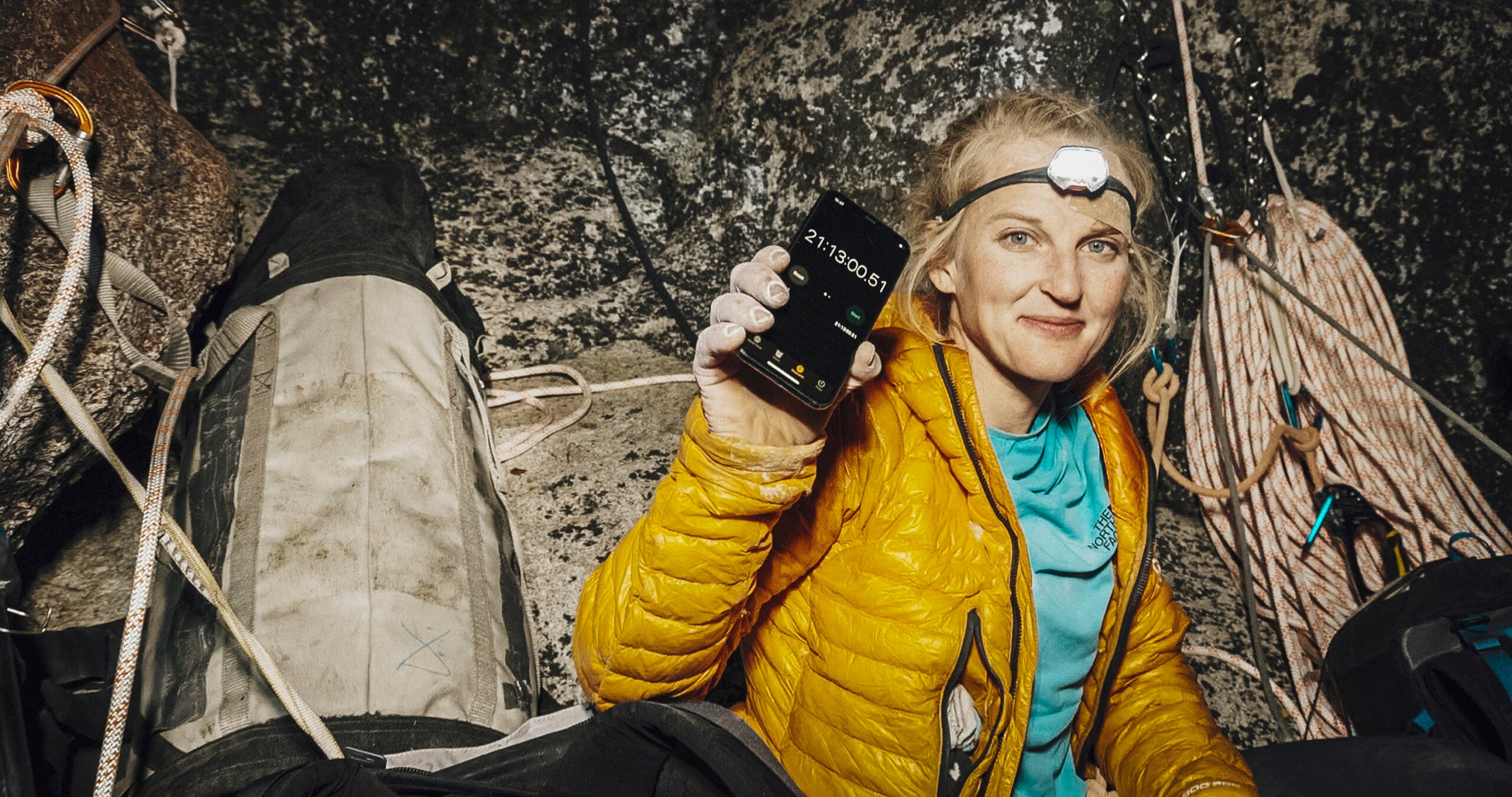
The culmination of these efforts occurred on November 4, 2020. In a dramatic 21-hour, 13-minute, and 51-second push, Harrington successfully completed the route. However, the victory was not without cost. High on the wall, she suffered a violent fall that left her with a deep, blood-gushing laceration on her forehead. The footage of this moment serves as a stark reminder of the inherent risks involved in high-stakes climbing and the narrow margin for error that these athletes navigate daily.
Contextualizing the Risk: The Broader Climbing Community
Girl Climber features appearances and expert commentary from some of the most influential figures in modern climbing, including Lynn Hill, Cedar Wright, and Tommy Caldwell. Alex Honnold, whose own 2017 free solo of El Capitan brought the sport into the global mainstream, appears in a supporting capacity as Harrington’s partner during the ascent.
The film intentionally positions these experts to contextualize the difficulty of the Golden Gate, but it also creates a dialogue around the culture of "the boy’s club" that has historically defined Yosemite’s climbing community. By highlighting the lack of female representation in such historic feats, the documentary underscores the significance of Harrington’s achievement, not just as a personal victory, but as a milestone for the sport as a whole.
Beyond the Wall: The Cost of Ambition
Perhaps the most compelling element of the film is its refusal to simplify the question of whether such high-risk, high-effort endeavors are ultimately "worth it." The documentary weaves in the narrative of Harrington’s personal life, including her relationship with professional mountain guide Adrian Ballinger and her desire to start a family.
The film gains a haunting, reflective quality through its discussion of the late Hilaree Nelson, a pioneering ski mountaineer and The North Face athlete who served as a mentor to Harrington. Nelson’s death in September 2022, while descending the 26,781-foot peak of Manaslu in Nepal, serves as a sobering epilogue to the film. For Harrington, the loss of a close friend and mentor, coupled with her own experiences of injury and her eventual transition into motherhood, forces a reevaluation of the triumph on El Capitan.
Implications for Women in Extreme Sports
The transition into motherhood has introduced a new dimension to Harrington’s career, one marked by persistent, often unsolicited scrutiny from the public. During recent promotional engagements and corporate speaking events, Harrington reports frequently being asked, "You’re still climbing?"
This reaction points to a persistent cultural bias regarding the roles of mothers in high-risk sports. "I realized that there is still a large part of our culture that sees it as pretty black and white for women," Harrington stated in a recent interview. "That once you become a mom, you basically give up everything else that you’re doing."
Harrington’s career trajectory, however, challenges this narrative. She remains active in the sport, currently focused on a local project in Tahoe—a 5.14-rated route known as A Steep Climb Named Desire—which she has been working on for over a decade. Her ongoing commitment to the sport highlights an evolving paradigm where professional athletic identity and parenthood are increasingly seen as compatible, though not without significant societal pressure and personal adjustment.
Analysis of the "Optimization" Culture
Girl Climber serves as a timely critique of the contemporary obsession with "optimization"—the drive to track, quantify, and maximize every aspect of human performance. Harrington’s journey illustrates that while such a mindset is often the engine behind elite athletic success, it can also lead to a dangerous conflation of one’s identity with their output.
By documenting her internal conflict between the need to push limits and the desire for a balanced, sustainable life, the film offers a broader lesson for a general audience. The documentary suggests that "success" is not a static endpoint, but a continuous process of recalibration. As Harrington notes, "I had this idea in my brain that once I did Golden Gate, I would just feel satisfied. I’m realizing that there’s always going to be another project and another dream."
Legacy and Public Reception
As the film prepares for its Netflix release, it is expected to influence the mainstream public’s perception of rock climbing. While films like Free Solo introduced the general public to the technical beauty of the sport, they also inadvertently reinforced the misconception that climbing is a solo, rope-less endeavor. Girl Climber aims to correct this by highlighting the necessity of partnership, the vital importance of trust, and the diversity of climbing disciplines.
For the audience, the film serves as both an adrenaline-fueled sports documentary and a poignant study of human evolution. By sharing her vulnerability—the fear, the moments of doubt, and the eventual decision to prioritize different aspects of her life—Harrington invites the viewer to reflect on their own pursuits of "extraordinary" goals. The film suggests that the wisdom gained from the journey, and the ability to navigate the transition between one’s professional and personal identities, may be the most significant achievement of all.
Ultimately, Girl Climber does not offer a neatly packaged conclusion. Instead, it leaves the viewer with the lingering, complex reality of the athlete: a person who has conquered one of the most difficult challenges in the world, yet remains deeply human, still learning, still falling, and still climbing.
Related posts: