Navigating the Abyss: How the Global Energy Market Weathered the First Phase of the 2026 Hormuz Blockade and the Uncertain Path Ahead


The dawn of 2026 brought with it a geopolitical nightmare that economists and energy analysts had dreaded for decades: a full-scale military conflict involving Iran and the subsequent closure of the Strait of Hormuz. As the primary artery for global energy, the narrow waterway between the Persian Gulf and the Gulf of Oman historically facilitated the passage of nearly 20 percent of the world’s traded petroleum. When the Iranian government implemented a total blockade at the onset of the war, the immediate removal of 15 million barrels of oil per day from the global supply chain sent shockwaves through international capitals. Initial projections were apocalyptic, with the International Monetary Fund (IMF) and major financial institutions like Goldman Sachs warning of a "Great Energy Depression," characterized by $200-a-barrel crude, systemic global recessions, and a complete breakdown of industrial logistics.
However, as the conflict enters its fifth month, the global economy has displayed a surprising, albeit fragile, resilience. While the energy crisis has been severe—manifesting in localized shortages, significant price hikes, and shifts in consumer behavior—the total systemic collapse predicted by many experts has not yet materialized. This relative stability is the result of a complex tapestry of emergency interventions, unprecedented international cooperation, and aggressive demand-reduction strategies. Yet, as diplomatic efforts falter and the "second round" of the blockade begins, analysts warn that the tools used to blunt the initial blow may have already been exhausted.
A Chronology of the 2026 Energy Crisis
The descent into the current crisis followed a rapid and violent trajectory. In early 2026, long-simmering tensions culminated in a joint military operation by the United States and Israel against Iranian strategic facilities. Tehran’s retaliation was swift and targeted the global economy’s most vulnerable point: the Strait of Hormuz.
January – February 2026: The Initial Shock
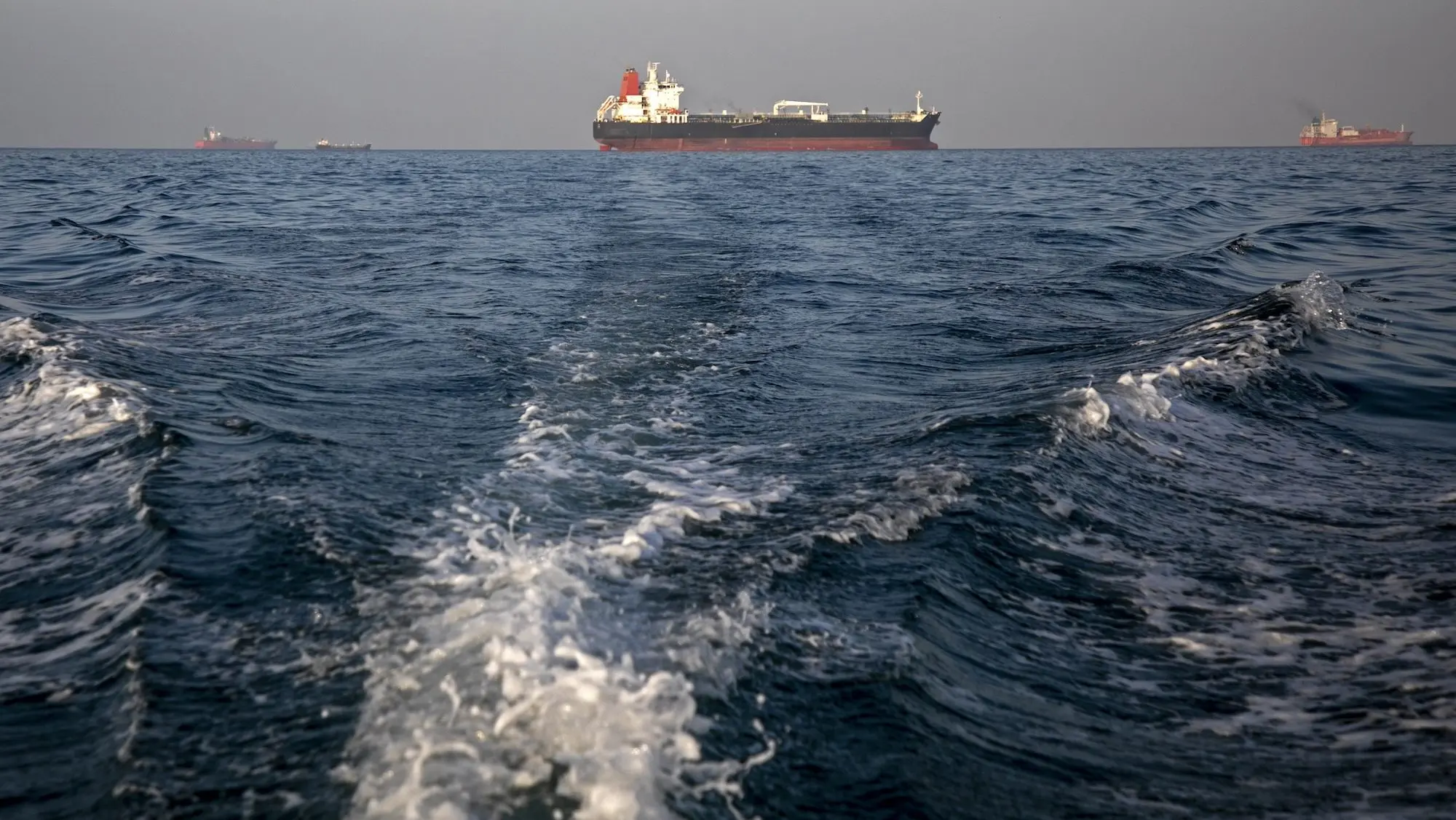
Following the commencement of hostilities, Iran officially declared the Strait closed to all commercial traffic. Benchmark Brent crude prices, which had hovered around $75 per barrel in late 2025, surged past the $100 mark within 48 hours. Panic gripped the markets as insurers revoked coverage for vessels in the region, effectively trapping millions of barrels of oil already in transit.
March 2026: The Global Response
In an unprecedented show of unity, the International Energy Agency (IEA) coordinated a historic release of strategic petroleum reserves (SPR). Over 30 countries participated, injecting approximately 400 million barrels into the market. Simultaneously, governments across Asia and Europe began implementing mandatory energy-saving protocols to counteract the supply gap.
April – May 2026: Market Realignment
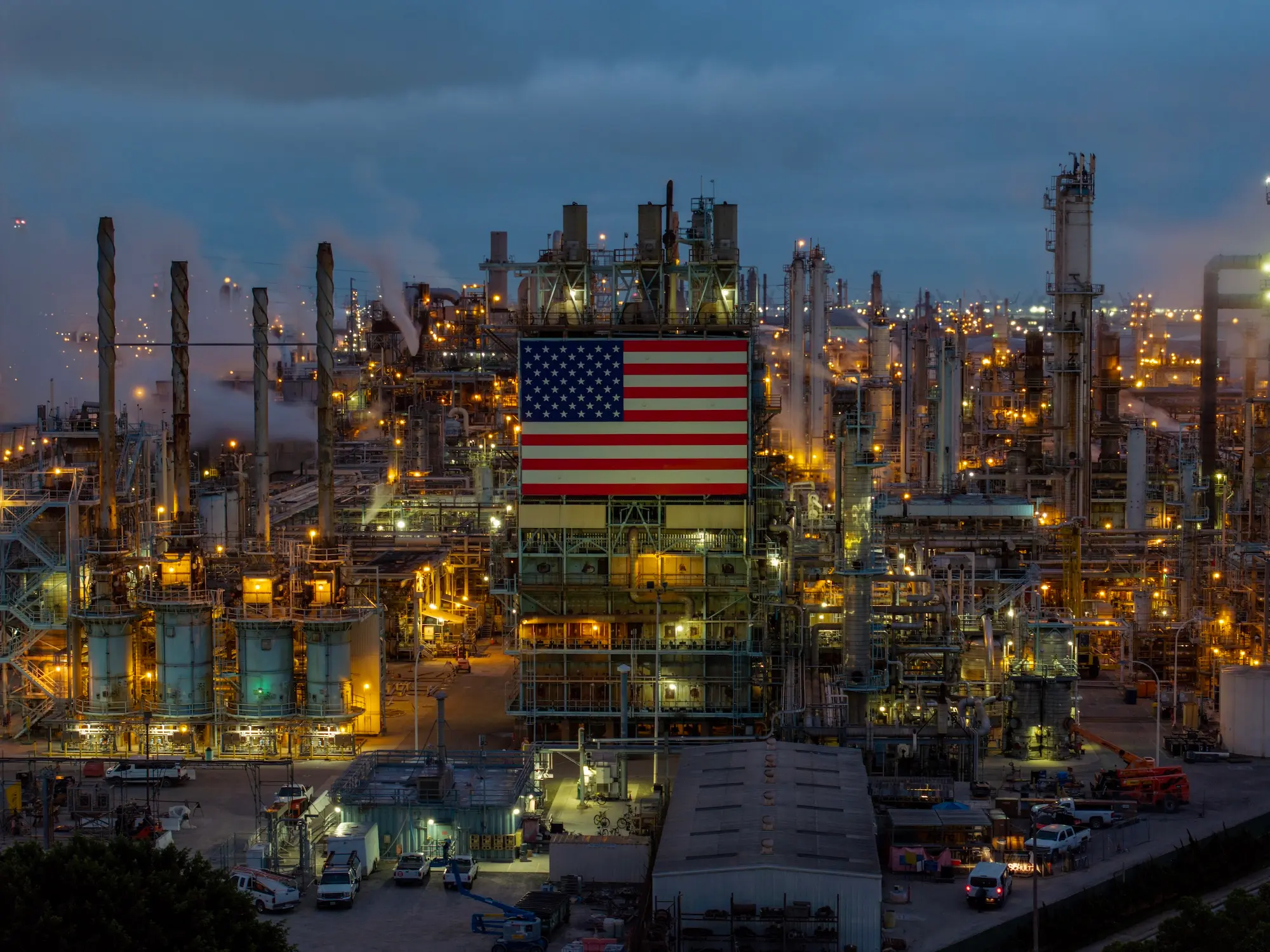
As the blockade persisted, the global supply chain began a painful realignment. Non-Middle Eastern producers, including the United States, Norway, and Venezuela, maximized their output. By late May, despite the absence of Iranian and some Gulf shipments, the "supply gap" was partially bridged by alternative sources and land-based pipelines that bypassed the Strait.
June 2026: The Failed Ceasefire
On June 17, a tentative ceasefire agreement was signed between Washington and Tehran, leading to a brief resumption of commercial shipping. Brent crude prices plummeted to $70 per barrel as traders anticipated a return to normalcy. However, the agreement collapsed within two weeks over disagreements regarding maritime inspections. By July, Iran reinstated the blockade, and the U.S. responded with a secondary blockade of Iranian oil exports, pushing prices back toward $90 and ushering in what analysts call "Hormuz 2.0."
Mitigation Strategies: How the World Bridged the 15-Million-Barrel Gap
The prevention of a total global meltdown during the first four months of the war can be attributed to three primary pillars: strategic reserve releases, supply-side diversification, and China’s temporary withdrawal from the market.
1. The Strategic Reserve Buffer
The IEA’s decision to release 400 million barrels provided the global market with a critical "breathing room." This volume was equivalent to roughly 20 days of the oil that typically flows through the Strait of Hormuz. For nations like Japan and South Korea, which maintain high reserve-to-consumption ratios, these stocks prevented immediate industrial paralysis. In the United States, the Biden administration utilized the Strategic Petroleum Reserve to stabilize domestic gasoline prices, though this has left the reserve at its lowest level since the 1980s.
2. Diversification and Alternative Logistics
While the Strait was closed, not all Middle Eastern oil remained trapped. Saudi Arabia and Iraq utilized land-based pipelines to move approximately 6 million barrels per day to terminals on the Red Sea and the Mediterranean. Though these pipelines were not designed to handle the full volume of Gulf exports, they provided a vital lifeline. Simultaneously, South Korea and other East Asian nations doubled their imports from the U.S. Gulf Coast, paying a premium for long-haul shipping to ensure energy security.
3. China’s "Crash Diet"
Perhaps the most significant—and unexpected—stabilizing factor was the behavior of China. As the world’s largest oil importer, China’s continued demand would have driven prices to the predicted $200 level. Instead, Beijing opted for a "strategic hibernation." The Chinese government halted purchases for its own reserves and shuttered several major refineries, pivoting the national power grid toward domestic coal and solar energy. This "crash diet" effectively freed up 5 million barrels per day for the rest of the world, acting as a massive, if temporary, deflationary force on global oil prices.
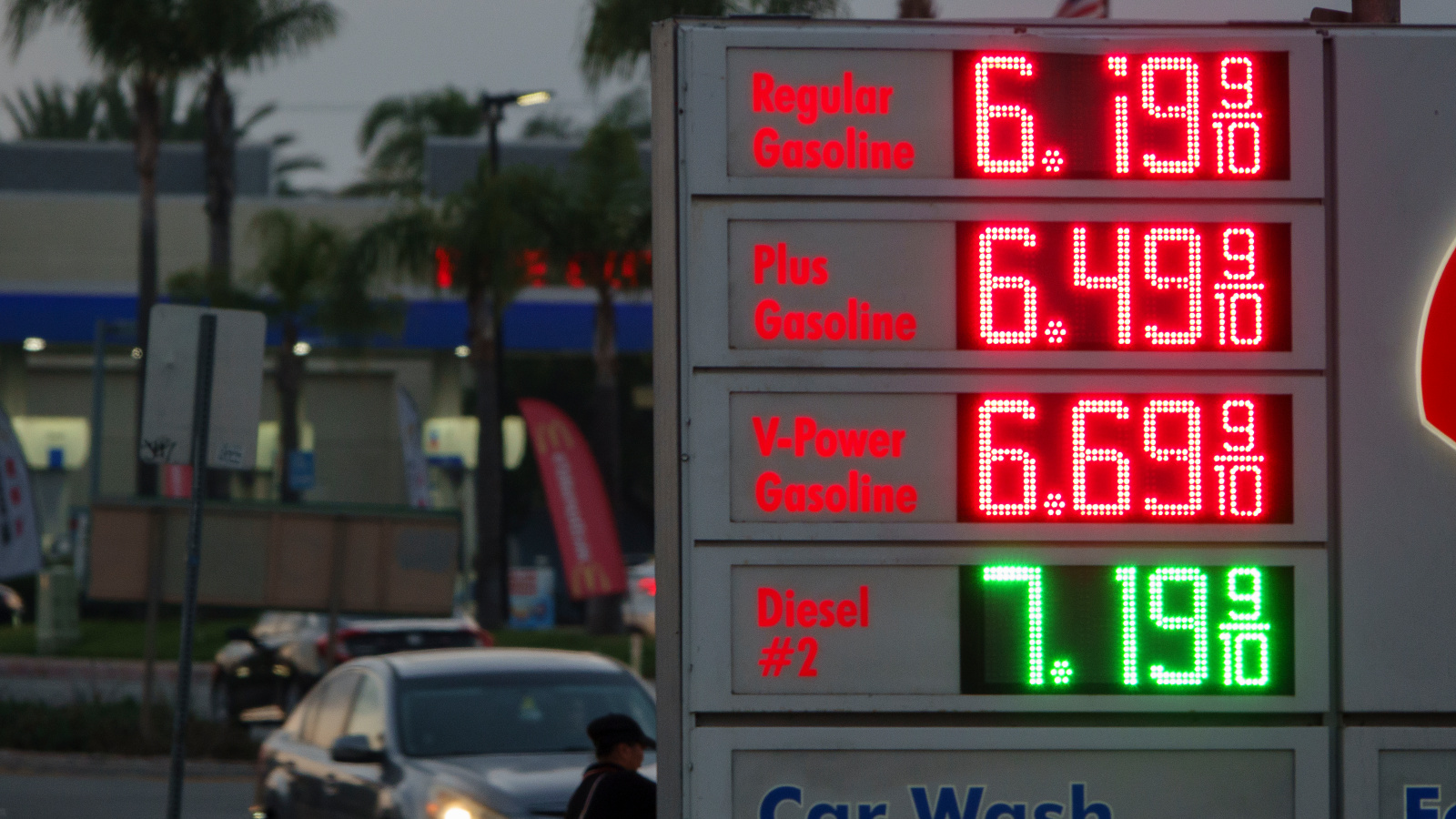
Aggressive Demand Destruction: The Human and Economic Cost
While the "macro" economy survived, the "micro" reality for millions of people has been defined by hardship and state-mandated austerity. More than 100 countries enacted conservation measures that harkened back to the 1970s oil crisis.
In Southeast Asia, the impact was immediate. The Philippines, Pakistan, and Sri Lanka transitioned to four-day work weeks to reduce commuting demand. In Myanmar, where fuel became a luxury, the government restricted vehicle usage based on license plate numbers, leading to the collapse of taxi-based livelihoods and even disrupting essential services like funeral cremations. Bangladesh implemented strict temperature controls on air conditioning and closed public universities to preserve the liquefied natural gas (LNG) needed for its power grid.
Wealthier nations adopted more technological solutions. The Netherlands launched an accelerated "gas-for-electric" vehicle swap program, while Sweden slashed public transportation fares by 50 percent to discourage private car use. These measures successfully blunted the "price spiral" that many feared would lead to hyperinflation, but they have also resulted in a significant cooling of global consumer spending.
The Fertilizer Crisis and Food Security
Beyond the gas pump, the closure of the Strait of Hormuz has triggered a secondary crisis in global agriculture. The region is a primary exporter of sulfur and urea, critical components for nitrogen-based fertilizers. The disruption of these shipments has sent fertilizer prices soaring, coinciding with the primary rice-planting season in Asia.
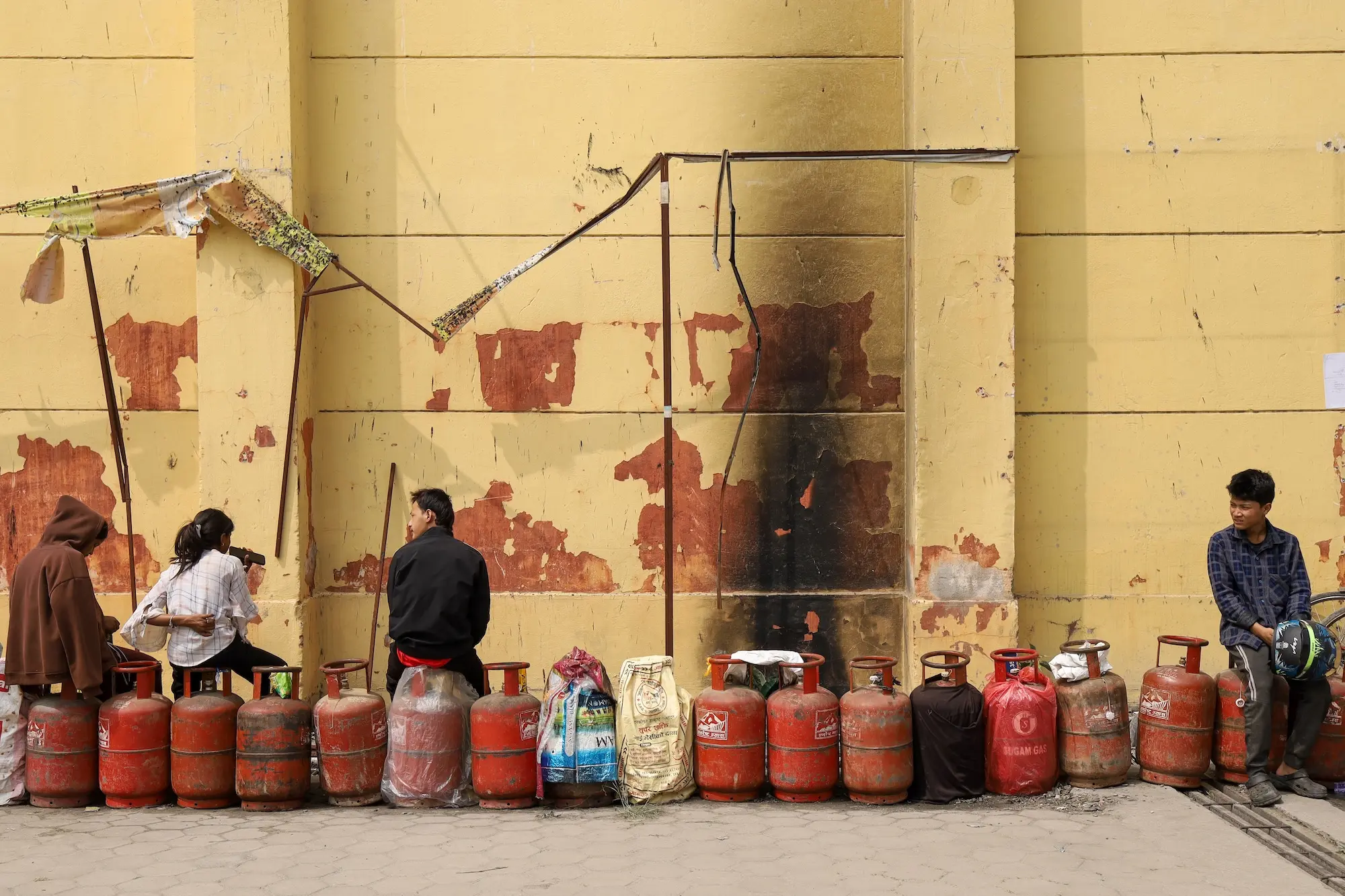
Agricultural experts at the International Food Policy Research Institute (IFPRI) warn that the lack of affordable fertilizer will likely lead to lower crop yields in late 2026. This "lagged effect" means that even if the war ends tomorrow, the world may still face a significant food price shock in the coming year, disproportionately affecting developing nations in Africa and Southeast Asia.
Hormuz 2.0: Why the Second Phase Is More Dangerous
As the conflict enters its second phase following the collapse of the June ceasefire, the optimism that defined the early summer has evaporated. Experts like Bob McNally, founder of Rapidan Energy Group and a former White House advisor, argue that the "tricks" used to survive the first four months are no longer available.
"The market decided to price for perfection during the ceasefire talks," McNally noted in a recent briefing. "Instead, we are getting Round 2, and the buffer is gone."
The structural integrity of the global energy defense system is indeed showing signs of strain. The U.S. Strategic Petroleum Reserve is depleted to the point where further draws could damage the physical infrastructure of the salt caverns used for storage. More importantly, China has ended its "crash diet." Beijing has resumed buying oil to restart its refineries and replenish its own depleted stocks, meaning the 5-million-barrel-per-day "gift" to the global market has vanished.

In "Hormuz 2.0," the market will no longer be able to rely on inventory releases to bridge the gap. Instead, prices will have to do the heavy lifting of forcing demand down. Because oil demand is "inelastic"—meaning people still need to eat, heat their homes, and transport goods regardless of the price—crude prices may need to reach much higher levels than they did in the spring to achieve the necessary reduction in consumption.
Conclusion: A Fragile Balance
The 2026 Iran war has proven that the global energy market is more adaptable than previously thought, but that adaptability has come at a staggering cost to the world’s most vulnerable populations. The coordinated efforts of the IEA and the strategic shift in Chinese consumption patterns provided a temporary shield against a global depression. However, with reserves low, diplomacy failing, and the blockade reinstated, the world stands at a perilous crossroads.
The coming months will test whether the transition to renewable energy and the emergency conservation measures of the spring can be sustained as a long-term reality, or if the "inelastic" nature of fossil fuel dependence will finally trigger the catastrophic economic reckoning that was narrowly avoided during the war’s opening act. For now, the world watches the Strait of Hormuz not just as a shipping lane, but as the barometer for the survival of the modern industrial order.
Related posts: