The British Broadcasting Corporation (BBC) has secured the broadcast rights for the forthcoming dramatic series Kabul, a poignant and harrowing depiction of the real-life events that unfolded in Afghanistan in 2021. This series holds particular significance as one of the final projects to feature the late acclaimed actor Eric Dane, who passed away earlier this year. The acquisition by the BBC underscores the international resonance and dramatic power of this gripping narrative, which plunges viewers into the heart of a pivotal moment in modern history.
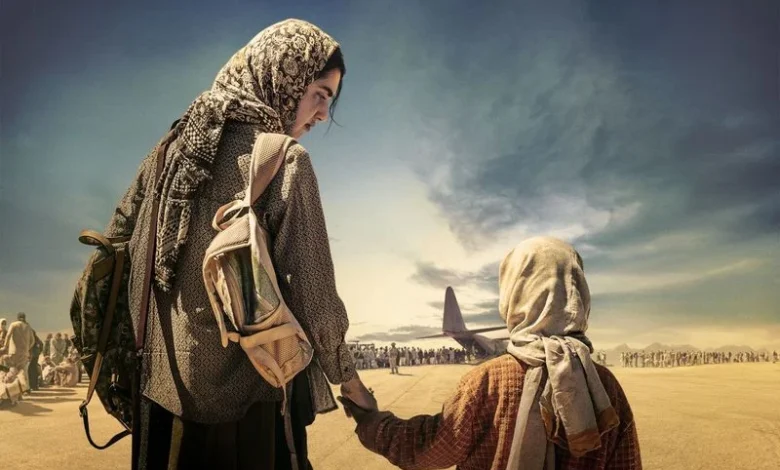
Kabul is a significant co-production under the banner of the European Alliance of broadcasters, a collaborative initiative designed to bring high-quality European content to a global audience. Produced by Mediawan, the series is set against the backdrop of the tumultuous withdrawal of American troops from Afghanistan and the swift, shocking re-entry of the Taliban into the capital city of Kabul. The narrative centers on the Nazany family, a fictional representation of countless Afghan civilians caught in the crossfire, forced to confront the terrifying prospect of retaliation and an uncertain future. Their desperate flight from a city descending into chaos is further shadowed by the looming threat of attacks from ISIS-K, the Afghan affiliate of the Islamic State. Amidst this escalating crisis, the series highlights the immense logistical and ethical challenges faced by international forces, including French police officers, Italian diplomats, German military personnel, and American intelligence services, as they grapple with the overwhelming influx of civilians seeking evacuation.
Eric Dane, a beloved figure in television known for his roles in Euphoria and the long-running medical drama Grey’s Anatomy, plays the character of Martin in Kabul. His presence in the series adds a layer of profound poignancy, marking a final, memorable contribution to the screen. The international ensemble cast is further bolstered by a formidable array of talent, including Darina Al Joundi (The New Look), Shervin Alenabi (Tehran), Vassilis Koukalani (Kandahar), Hannah Abdoh, Jonathan Zaccaï (Le bureau des legends), Gianmarco Saurino (L’estate più Calda), and Jeanne Goursaud (Pax Massilia). This diverse cast brings a wealth of experience and authenticity to the portrayal of the complex international dynamics and the deeply human struggles at the core of the story.
A Global Crisis Dramatized
The series is slated to premiere on the BBC next month, bringing a critical and emotionally charged narrative to British audiences. Kabul is a collaborative effort for the European Alliance, comprising major public service broadcasters such as ZDF in Germany, Rai in Italy, and France Télévisions. While the BBC is not a formal member of this alliance, its participation in such co-productions is not unprecedented, as demonstrated by its previous involvement in the ambitious adaptation of Around the World in 80 Days. This suggests a strategic alignment of the BBC’s programming acquisition strategy with the goal of delivering compelling, internationally relevant drama to its viewers.
Nick Lee, Head of BBC Programme Acquisition, articulated the significance of the series in a statement: “Kabul is a tragedy of the highest stakes. A warzone story which is propelled by the real ticking clock of the evacuation that was just five years ago this summer. Global politics remain complex, but Kabul dramatises the biggest view of history through the smallest window of a human family.” This quote encapsulates the series’ dual focus: a grand historical event seen through the intimate lens of individual human experience, emphasizing the profound personal cost of geopolitical upheaval.
The Genesis of the Crisis: A Timeline of Events
The events depicted in Kabul are rooted in the dramatic conclusion of the United States’ two-decade-long military presence in Afghanistan. The withdrawal, initiated by the Trump administration and accelerated by the Biden administration, culminated in a rapid collapse of the Afghan government and security forces.
Key Chronological Milestones Leading to the Events of August 2021:
- February 29, 2020: The Doha Agreement is signed between the United States and the Taliban, outlining a timeline for the withdrawal of U.S. troops in exchange for Taliban security assurances, including not allowing groups like Al-Qaeda to operate in Afghanistan.
- April 14, 2021: President Joe Biden announces that all U.S. troops will be withdrawn from Afghanistan by September 11, 2021, the 20th anniversary of the terrorist attacks that led to the U.S. invasion.
- May 1, 2021: The official U.S. withdrawal begins.
- Early to Mid-August 2021: The Taliban launches a swift and aggressive offensive across Afghanistan, rapidly capturing provincial capitals. Afghan National Security Forces, weakened by years of corruption, lack of logistical support, and low morale, offer little effective resistance.
- August 15, 2021: Kabul falls to the Taliban. President Ashraf Ghani flees the country, and the Afghan government effectively collapses. Chaos erupts at Hamid Karzai International Airport as thousands of Afghans, fearing Taliban rule and seeking to flee the country, attempt to board evacuation flights.
- August 16 – August 31, 2021: A massive, frantic airlift operation is undertaken by U.S. forces and their allies to evacuate their citizens, diplomatic staff, and at-risk Afghan allies. This period is marked by immense logistical challenges, security threats, and profound human tragedy, including the devastating suicide bombing outside the airport by ISIS-K on August 26, which killed over 170 people, including 13 U.S. service members.
- August 31, 2021: The final U.S. troops depart Afghanistan, officially ending America’s longest war.
Supporting Data and Contextual Insights
The rapid collapse of the Afghan government and the subsequent evacuation highlighted several critical vulnerabilities and failures. For instance, intelligence assessments had often underestimated the speed at which the Taliban could regain control. The Afghan National Army, trained and equipped at a significant cost over two decades, disintegrated far more quickly than anticipated. The humanitarian crisis that ensued was immense, with millions displaced internally and many more seeking refuge abroad.
The presence of ISIS-K as a destabilizing force added another layer of complexity and danger. This rival militant group has a history of brutal attacks targeting civilians, religious minorities, and the Taliban itself, further exacerbating the fear and uncertainty among the Afghan population. The coordination challenges faced by international agencies in Kabul reflect the grim reality of operating in a hostile environment with limited resources and competing national interests.
Production and Creative Vision
The series Kabul is the brainchild of a skilled creative team. Directed by Kasia Adamik (No Escape) and Olga Chajdas (Imago), both known for their compelling visual storytelling and ability to handle complex human dramas, the series promises a high standard of cinematic quality. The writing is credited to Olivier Demangel (Class Act), Thomas Finkielkraut (Baron Noir), and Joey Lavy (The Shift), a trio of writers with a proven track record in crafting intricate, character-driven narratives that engage with political and social themes.
The production is a testament to collaborative European filmmaking. Produced by Fabienne Servan-Schreiber and Charlotte Ortiz at Cinétévé, Matthias Weber and Thibault Gast at 24 25 Films, with Sandrine Paquot serving as executive producer, the series represents a significant investment in bringing this critical story to screen. Global sales are managed by Mediawan Rights, ensuring its accessibility to broadcasters and audiences worldwide.
Official Responses and Broader Implications
The acquisition of Kabul by the BBC and its co-production with other major European broadcasters signifies a commitment to exploring complex geopolitical events through the medium of television drama. In an era of increasing global interconnectedness, understanding the human impact of international crises is paramount. The series offers a vital opportunity for audiences to connect with the lived experiences of those affected by the fall of Kabul, fostering empathy and a deeper appreciation for the human cost of conflict and political transition.
The statement from Nick Lee of the BBC emphasizes the series’ ability to distill monumental historical events into relatable human narratives. This approach is crucial for making complex global issues accessible and engaging for a broad audience. By focusing on the Nazany family’s struggle for survival and the desperate efforts of international responders, Kabul aims to illuminate the interconnectedness of global politics and individual destinies.
The series’ release comes at a time when discussions surrounding Afghanistan, the effectiveness of international interventions, and the ongoing humanitarian crisis continue to be highly relevant. Kabul is poised to contribute significantly to this discourse, offering a dramatized yet grounded portrayal of a pivotal moment that continues to shape the geopolitical landscape. Its success will likely be measured not only by viewership numbers but also by its capacity to provoke thought, foster understanding, and resonate with the enduring human spirit in the face of adversity. The series serves as a stark reminder of the fragility of peace and the profound human consequences of rapid political change, underscoring the importance of nuanced storytelling in understanding our complex world.