LG Under Scrutiny for Unsolicited Monitor App Installations, Raising Significant Privacy and User Control Concerns

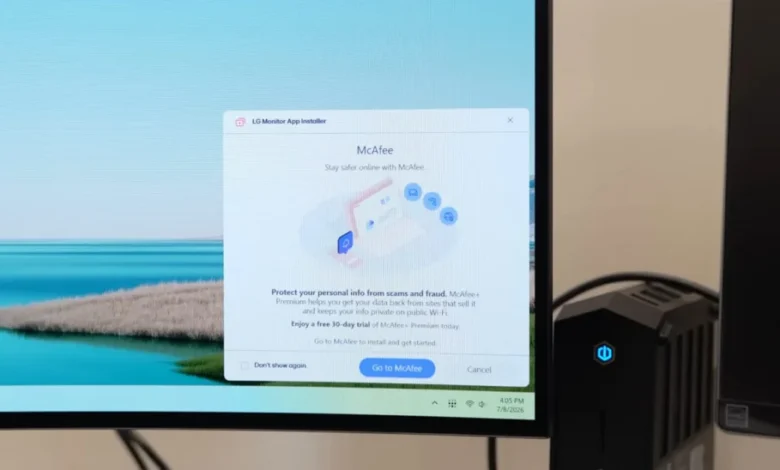
Reports have surfaced detailing how LG monitors are automatically installing an application, "LG Monitor App Installer," onto users’ Windows systems, often without explicit consent or notification, and subsequently pushing advertisements. This practice has ignited a firestorm of criticism from consumers and tech commentators alike, particularly given the premium price point of many LG displays, which can exceed $1,000. The discovery brings to light significant privacy implications, as the installed software reportedly acquires extensive system permissions, alongside broader questions regarding hardware manufacturers’ increasing tendency to bundle unwanted software and Microsoft’s policies concerning Universal Windows Platform (UWP) device applications.
The Unwelcome Arrival: Unpacking the LG Monitor App Installer Controversy
The core of the issue revolves around the unexpected appearance of the "LG Monitor App Installer" on Windows PCs connected to LG monitors. Users, including respected tech reviewer Gamers Nexus, have documented instances where this application, along with its associated advertisements, simply materializes on their systems. Unlike traditional software installations, there is no prior prompt, no explicit request for user permission, and no clear opt-out mechanism presented during the initial connection or system setup. This stealthy deployment has been widely perceived as intrusive and a direct infringement on user autonomy.
One of the most alarming aspects of this unsolicited installation is the breadth of permissions the LG Monitor App Installer reportedly obtains. According to Burke, a commentator cited in the initial reports, the application technically possesses "permission to use all system resources." Even more concerning are its stated capabilities to "collect geolocation, device data, online activity, contacts, user credentials, transactions, and more." These sweeping permissions raise serious red flags regarding user privacy and data security. In an era where data breaches are commonplace and personal information is a valuable commodity, granting such extensive access to a seemingly innocuous monitor utility without explicit consent is a profound breach of trust. The potential for misuse, either by LG itself or by third parties if the application were ever compromised, is a significant concern for consumers.
The visual evidence provided by Gamers Nexus, showing the LG app installing via Windows Update, underscores the deeply integrated and potentially surreptitious nature of this deployment. This method bypasses traditional software installation dialogues, making it difficult for average users to detect or prevent.
A Disturbing Timeline and Escalation
While the recent spotlight on this issue is intense, evidence suggests that the practice of LG monitors installing companion software has been ongoing for "years." What appears to have changed recently, however, is the frequency and visibility of the associated pop-up advertisements. Burke noted that he only recently started seeing these ads on LG monitors he purchased as far back as three years ago, indicating a possible escalation or activation of advertising features within the previously installed background application. This suggests a shift from mere background bloatware to an active ad-delivery platform, amplifying user frustration and concern.
This chronology points to a potentially evolving strategy by LG. Initially, the companion app might have been a benign (though unsolicited) utility. Over time, however, it appears to have been repurposed or updated to serve commercial objectives, leveraging the pre-existing access to users’ systems. This gradual encroachment makes the situation particularly insidious, as users might not immediately connect the sudden appearance of ads to a software installed years ago by their monitor.
Microsoft’s Role and the UWP Device App Framework
The controversy inevitably brings Microsoft’s Windows operating system and its application policies under scrutiny. The "LG Monitor App Installer’s" description on the Microsoft Store indicates its purpose is to "easily install and use apps supported by your monitor through LG Monitor App Installer," explicitly listing McAfee as one such supported application. This immediately raises concerns about the potential for further bloatware installations, with McAfee often being cited by users as an unwanted program due to its resource intensity and aggressive marketing.
Central to this discussion is Microsoft’s Universal Windows Platform (UWP) device app policy. Microsoft explicitly permits UWP device apps "to automatically install when the user connects their device to the PC." This auto-installation occurs under specific conditions: if the user has not opted out of "Recommended Settings" during Windows installation, is connected to the internet, and is signed into the Microsoft Store. While this feature is designed to enhance user experience by streamlining device setup, Microsoft’s own support page for Windows developers contains a stark warning: "The automatic installation feature does not provide a notification to the user when the app is installed. Some users may find this experience confusing and frustrating and give your app a bad rating."
This statement from Microsoft itself is highly significant. It acknowledges the very problems users are now experiencing with LG’s software. It implies that Microsoft is aware of the potential for negative user experiences stemming from silent installations, yet the policy remains in place, allowing manufacturers like LG to leverage it. This raises questions about Microsoft’s responsibility to protect its users from unwanted software, especially when its own documentation highlights the pitfalls of such policies. The lack of a clear, explicit consent mechanism at the point of device connection, or even a post-installation notification, leaves users feeling powerless and uninformed.
Broader Industry Trends and Precedents
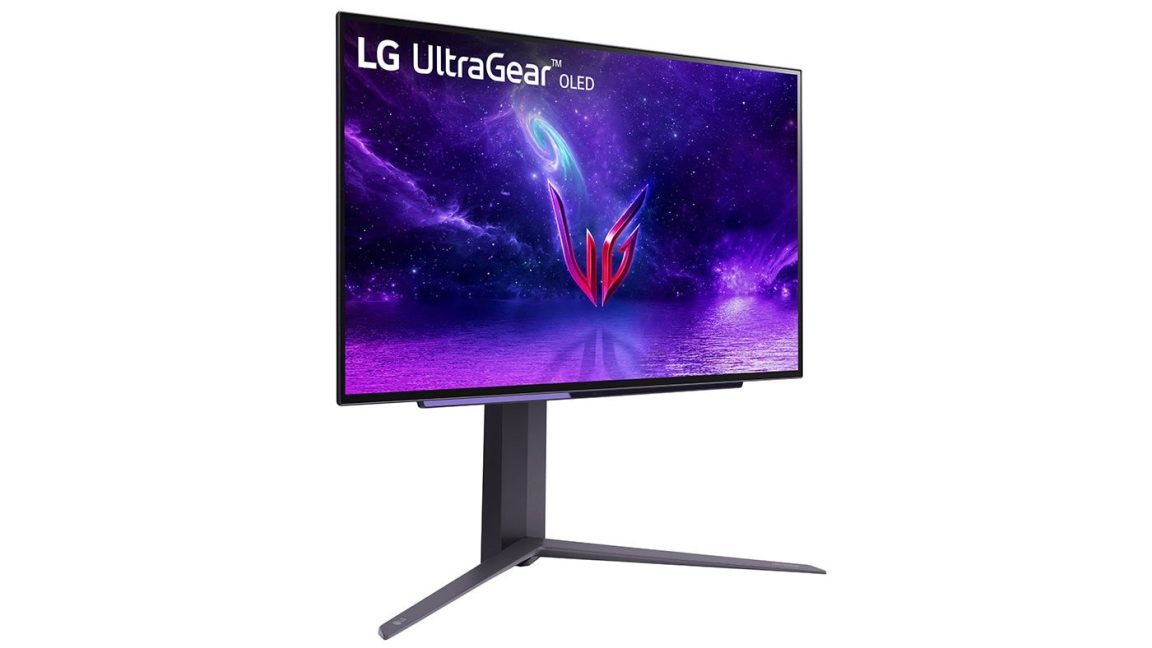
The issue with LG is not an isolated incident but rather indicative of a broader, troubling trend within the hardware industry. Numerous other hardware vendors have faced criticism for similar practices of automatically installing unwanted software when their devices are connected to a computer.
- Razer: Known for its gaming peripherals, Razer has been criticized for forcing users to install its Synapse software, which, while offering advanced customization, often installs itself without clear consent and can be resource-intensive.
- Logitech: A giant in both gaming and productivity peripherals, Logitech has also drawn ire for its G Hub and Options software, which users report as being heavy, buggy, and sometimes difficult to avoid installing.
- Asus: A major motherboard manufacturer, Asus has faced backlash for its Armoury Crate software, which can auto-install drivers and utilities, sometimes overriding user preferences or installing unwanted features.
- Gigabyte: Another prominent motherboard vendor, Gigabyte has similarly been accused of installing bloatware, such as its App Center, without explicit user permission, leading to performance issues and privacy concerns.
These precedents highlight a systemic issue where hardware manufacturers increasingly view their products not just as physical devices but as platforms for software integration, data collection, and potential monetization. For peripherals like gaming mice or high-end motherboards, companion software might offer legitimate functionality, such as custom keybinds or RGB lighting control. However, the critical distinction lies in the method of installation and the necessity of the software. For a monitor, which primarily displays an image, the need for a deeply integrated companion app with extensive system permissions is far less evident. This makes the forcible installation of the LG Monitor App Installer particularly egregious, especially when considering the significant investment consumers make in a high-quality display. The expectation is a premium viewing experience, not a gateway for unsolicited ads and data collection.
The Economic Imperative: Monetizing the Monitor?
The motivation behind LG’s actions, and indeed the broader industry trend, appears to be rooted in the pursuit of new revenue streams. In a competitive market with thinning margins on hardware, companies are increasingly looking to software, services, and data to boost profitability. By installing an application that can deliver ads and potentially collect user data, LG could be attempting to monetize the post-purchase lifecycle of its monitors. This "hardware-as-a-service" approach, where the physical product becomes a conduit for ongoing commercial activity, represents a significant shift from traditional consumer expectations.
The collection of "geolocation, device data, online activity, contacts, user credentials, transactions, and more" paints a picture of a sophisticated data-gathering operation. This data could be invaluable for targeted advertising, market research, or even being sold to third parties, generating significant revenue beyond the initial monitor sale. While companies often justify such data collection by claiming it improves user experience or service delivery, the lack of transparency and consent undermines these justifications, transforming a potential benefit into a privacy violation.
User Outcry and Calls for Accountability
The revelations by Gamers Nexus have resonated deeply within the tech community, leading to widespread user outcry across social media platforms, forums, and comment sections. Users express feelings of betrayal, frustration, and anger that a premium product from a reputable brand would engage in such practices. Many feel that their expensive purchase has been devalued by the unsolicited software and ads, turning a high-end display into a vehicle for digital marketing. The sentiment is clear: consumers expect to own the hardware they buy, not merely license it as a platform for third-party monetization.
The incident also sparks critical discussions about consumer rights. In many jurisdictions, laws and regulations exist to protect consumers from deceptive practices, unwanted software, and unauthorized data collection. Depending on the specific legal framework, LG’s actions could potentially fall under scrutiny for violations related to privacy (e.g., GDPR in Europe, CCPA in California) or unfair trade practices. The lack of an explicit opt-in for such invasive software and data collection is a significant point of contention that could attract regulatory attention.
Official Silence and the Path Forward
In response to inquiries from Ars Technica regarding the purpose of LG Monitor App Installer, affected monitors, and privacy concerns, a company representative for LG acknowledged receipt of the questions. However, they did not provide a substantive response ahead of publication, leaving many questions unanswered and fueling further speculation and frustration among consumers. This lack of transparency from LG only exacerbates the situation, reinforcing the perception that the company is unwilling to address the issue directly or justify its practices.
The list of monitors identified by Gamers Nexus as auto-installing the software includes various models, primarily targeting PC users. However, given Microsoft’s permissive policy for UWP device apps, it is highly probable that a much wider range of LG monitors could be silently installing this bloatware onto users’ systems. Without a clear statement from LG, users are left in the dark about the full extent of the issue.
Looking ahead, several actions are imperative. LG must provide a transparent explanation for the LG Monitor App Installer, its functionality, the data it collects, and, crucially, how users can fully uninstall it and opt out of future installations. Microsoft, for its part, needs to re-evaluate its UWP device app auto-installation policy, considering whether the convenience it offers outweighs the significant privacy and user control concerns it enables. Implementing clearer notifications, explicit opt-in mechanisms, and robust uninstallation options for such software would be a critical step towards restoring user trust.
For consumers, vigilance remains paramount. Users are advised to regularly review installed applications on their Windows systems, pay close attention to background processes, and be wary of unexpected pop-up advertisements. Checking privacy settings in Windows and within any installed device-specific software is also crucial. Ultimately, the LG Monitor App Installer controversy serves as a stark reminder of the ongoing battle for control over our digital environments and the increasing need for both hardware manufacturers and operating system providers to prioritize user privacy and consent above all else.