Satellite Operators Seek Dedicated Launches Amid Global Capacity Crunch and Industry Evolution

The global aerospace landscape is undergoing a profound structural shift as satellite operators increasingly turn to boutique and dedicated launch providers to bypass a tightening payload capacity crunch. Despite the blistering launch cadence maintained in recent years by industry heavyweight SpaceX and its Falcon 9 rocket, major players across the commercial sector report that the market still suffers from a severe shortage of targeted orbital delivery options. This supply-and-demand mismatch has been exacerbated by recent adjustments to SpaceX’s operational roadmap, prompting commercial operators to secure agreements with emerging boutique launch companies well before their rockets have established a track record of consistent success.
The imperative for dedicated launch services is particularly acute for specialized enterprises that require precise orbital insertion. While rideshare options on heavy-lift vehicles offer cost-effective alternatives for standard constellations, they rarely satisfy the rigorous orbital geometry requirements of specialized missions. This dynamic has brought new momentum to nascent commercial launch providers in Europe and North America, offering a vital lifeline to companies whose business models depend on reaching specific coordinates in low-Earth orbit.
A Landmark Breakthrough for European Launch Capabilities

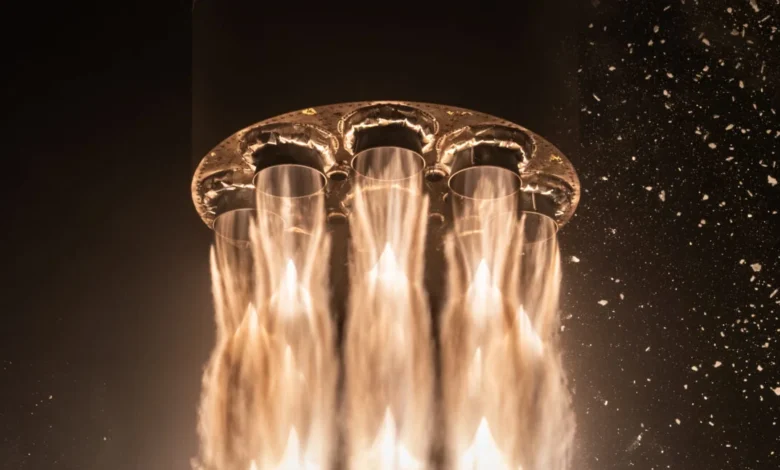
The urgency for alternative routes to space intensified following a major technological milestone achieved by Isar Aerospace. The German launch provider successfully reached Earth orbit for the first time with its Spectrum rocket, launching a batch of commercial CubeSats from a spaceport in northern Norway. Powered by nine propane-fueled engines, the Spectrum launcher’s triumph came after a difficult developmental period, including an initial test flight failure that concluded the previous year.
This historic achievement marked a watershed moment for the European space sector, which has grown increasingly eager to diversify its launch capabilities beyond traditional heavy-lift providers like Arianespace and Avio. Isar’s success has also energized a broader cohort of European startups striving to close the gap in the commercial launch market. Competitors such as Germany’s Rocket Factory Augsburg and Spain’s PLD Space are accelerating their own vehicle developments, while enterprises like The Exploration Company work toward heavy-lift propulsion systems. The rise of these independent European providers is viewed by regional policymakers and industry leaders as critical to ensuring independent access to space amid shifting global dynamics.
Astroscale Bets Early on Unproven Hardware
Halfway around the world from the Norwegian launch site, executives at Astroscale Holdings—a prominent Japanese-headquartered satellite servicing and space debris mitigation company—monitored the live webcast from their offices in the early hours of the morning. The high-stakes viewing party underscored Astroscale’s deep operational reliance on Isar Aerospace, with which the company had previously inked contracts to launch two pivotal missions.

Significantly, Astroscale committed to these launch agreements before the Spectrum rocket had successfully proven its capability to reach orbit. In an exclusive interview with Ars Technica, Chris Blackerby, Astroscale’s group chief operating officer, detailed the extensive due diligence conducted by his engineering teams prior to signing the contracts. According to Blackerby, technical evaluations of Isar’s manufacturing facilities and direct consultations with the company’s engineering leadership provided the necessary confidence to proceed with the unproven vehicle.
The decision highlights a calculated risk common among specialized satellite operators. With established options in the 500-kilogram to one-ton payload class severely limited, commercial clients are forced to look beyond legacy systems. Blackerby noted that while companies like Rocket Lab offer reliable small-launch vehicles such as the Electron, Astroscale’s newer, heavier spacecraft have outgrown that vehicle’s current capacity, while Rocket Lab’s larger Neutron rocket remains unavailable. Consequently, Isar’s Spectrum rocket emerged as an optimal fit within the complex intersection of payload capacity, budgetary constraints, and the necessity for dedicated orbital insertion.
Pioneering Missions in Space Sustainability and Debris Removal
The missions slated to fly aboard Isar’s Spectrum rocket represent critical stepping stones in Astroscale’s long-term commercial strategy. The company’s business model centers on orbital maintenance, life extension, and active space debris removal—sectors demanding precise rendezvous and proximity operations (RPO).

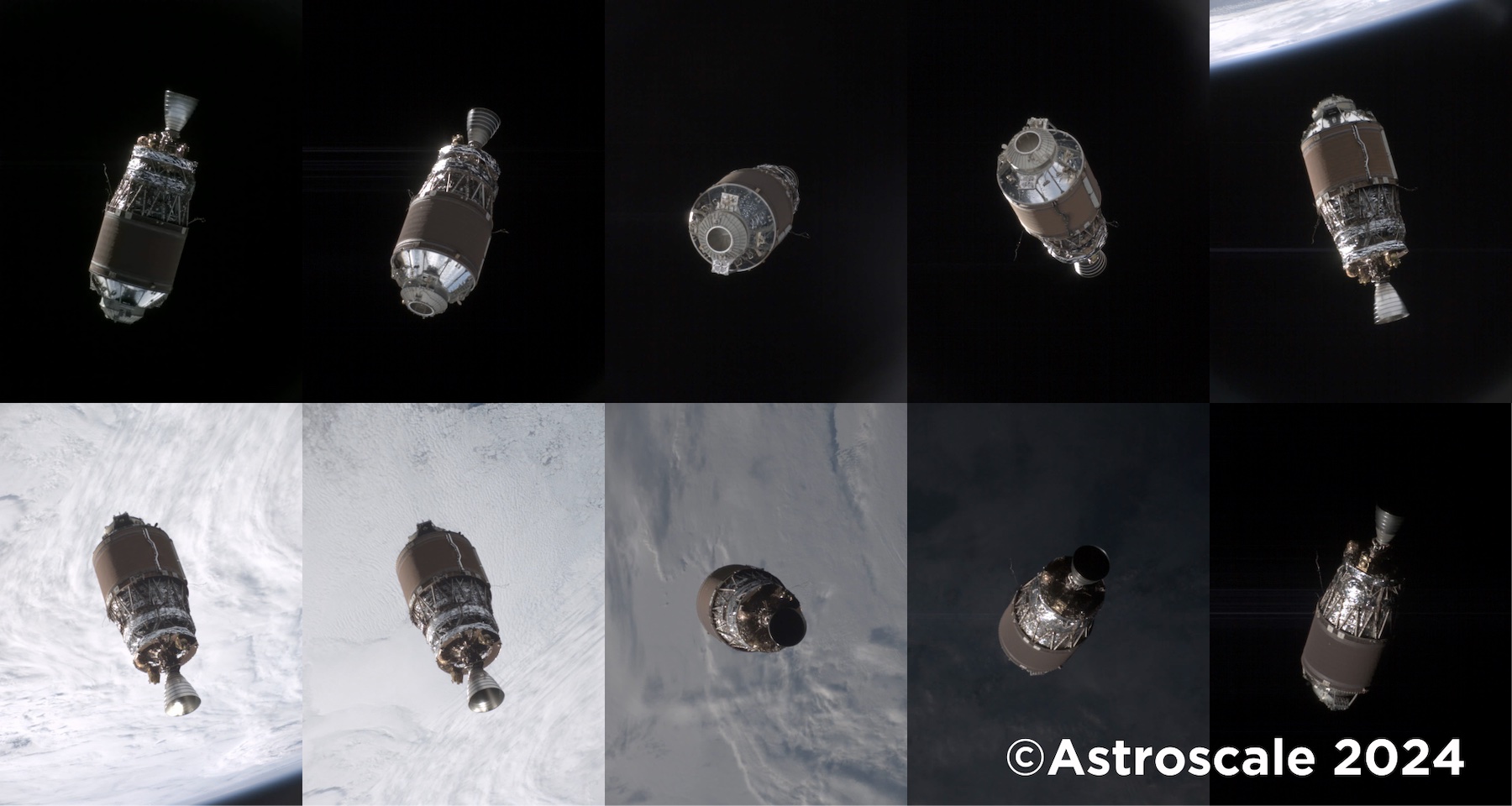
Among the upcoming payloads is the ELSA-M mission, managed by Astroscale’s United Kingdom division. The ELSA-M spacecraft is tasked with capturing and safely deorbiting a non-operational broadband satellite from Eutelsat’s OneWeb constellation, serving as a commercial demonstration of end-of-life satellite servicing. The second mission, ADRAS-J2, is a joint endeavor partially funded by the Japan Aerospace Exploration Agency (JAXA). Building upon the historic success of the 2024 ADRAS-J mission—which successfully approached and inspected an uncontrolled Japanese rocket upper stage in orbit—ADRAS-J2 aims to physically grasp a similar piece of space debris and pull it down into the atmosphere for destructive reentry.
Reflecting on the technological lessons gleaned from the initial ADRAS-J demonstration, Blackerby emphasized the extreme complexity of approaching uncooperative, non-communicative objects in orbit. The exquisite visual data captured during the first fly-by confirmed that the target rocket body remains stable and aligned toward Earth, validating the safety algorithms and autonomous guidance systems developed by Astroscale engineers. These foundational insights have streamlined the preparation for ADRAS-J2, though Blackerby stressed that none of the operational milestones are routine.
The Evolving Landscape of Military and Commercial Servicing
Beyond debris removal, Astroscale is positioning itself at the forefront of an emerging market for on-orbit servicing, logistics, and refueling. Under contract with the United States Space Force, the company is preparing to launch the Provisioner mission, designed to demonstrate critical satellite refueling capabilities. This initiative reflects a broader demand signal from defense and intelligence agencies seeking advanced space domain awareness and close-in inspection technologies to safeguard orbital assets.
The defense sector’s growing interest in active servicing is mirrored across international commercial markets. Initiatives such as de-orbit studies commissioned by the Defense Innovation Unit in the United States point toward a future where spacecraft longevity and active intervention are standard operational paradigms. However, Blackerby noted that true economic and commercial sustainability for the sector will take time to mature. While current missions are increasingly revenue-positive and supported by institutional grants from space agencies like ESA, JAXA, and national governments, a fully repeatable, commercially viable servicing ecosystem is not expected to scale broadly until the early 2030s.
Broader Implications for the Global Launch Market
The broader market implications of Isar Aerospace’s success extend far beyond the fortunes of a single startup. As legacy providers recalibrate their flight schedules and questions persist regarding the availability of rideshare capacity on mega-constellation-focused vehicles, the demand for boutique, responsive launch infrastructure is at an all-time high.
Operators of specialized, high-value assets—ranging from scientific observatories to commercial servicing spacecraft—can no longer rely solely on secondary payload slots. The technical requirements of delicate orbital maneuvers necessitate dedicated trajectories that only targeted, small-to-medium-lift vehicles can provide. While the path ahead remains challenging for emerging launch providers navigating financial and technical hurdles, the willingness of established enterprises like Astroscale to bet on unproven rockets signals a resilient, evolving marketplace determined to overcome the current launch crunch and secure humanity’s sustainable future in space.