The compounding crises of protracted warfare, economic collapse, and severe food insecurity have converged to create an unprecedented catastrophe for women and girls in Yemen, disproportionately impacting underage brides who are increasingly facing extreme malnutrition during pregnancy. According to reports from the United Nations Population Fund (UNFPA) and international humanitarian organizations, the total breakdown of medical infrastructure, coupled with deeply entrenched cultural norms and economic destitution, has left millions of vulnerable citizens without access to basic maternal healthcare.
For nearly a decade, the conflict in Yemen has systematically dismantled the country’s social fabric. What began as a political crisis has evolved into one of the world’s most devastating humanitarian emergencies, leaving more than 22 million people—over half of whom are women and children—in urgent need of humanitarian assistance. Within this bleak landscape, young girls who were married off as children are bearing the heaviest burden. Their bodies, physically unready for the physiological toll of pregnancy and childbirth, are failing under the weight of widespread hunger, severe anemia, and total destitution.
The Anatomy of a Crisis: Background and Escalation
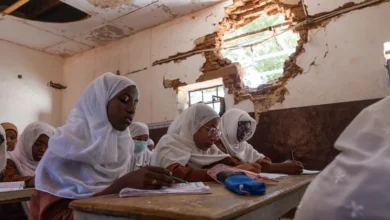
To understand the severity of the current maternal health crisis in Yemen, one must examine the trajectory of the conflict that began in late 2014 and escalated dramatically in March 2015 with the military intervention led by a regional coalition. Prior to the war, Yemen was already the poorest nation in the Arabian Peninsula, struggling with structural poverty, water scarcity, and governance challenges. However, the ensuing hostilities destroyed critical infrastructure, including schools, roads, water treatment plants, and hospitals.
The healthcare sector experienced a near-total collapse. Currently, fewer than two-thirds of all health facilities in Yemen remain operational, and of those, only a fraction—approximately one in five—offer functional maternal and neonatal care services. The economic blockade, currency devaluation, and the halting of public sector salaries for years have rendered basic goods and medical services financially inaccessible for the vast majority of the population.
Within this environment of systemic failure, pre-existing cultural practices, such as child marriage, have intensified. Nearly a third of Yemeni girls are married before the age of 18, a statistic that spikes drastically among families displaced by violence. Driven by poverty, some families view the marriage of young daughters as a mechanism to reduce household expenses or to secure a bride price that can feed remaining family members. Consequently, thousands of girls are thrust into adult responsibilities, motherhood, and domestic labor before they have finished their own physical and psychological development.
Voices from the Ground: The Human Toll
The human reality behind these macroeconomic and geopolitical statistics is reflected in the lived experiences of young mothers across the country. Fatimah, married at the age of 13, represents a generation of Yemeni girls whose childhoods were abruptly terminated.
"I dreamed of going to school like other girls," Fatimah recounted through a local counselor. "Instead, I became a wife before I had the chance to live my childhood, and a mother before I truly understood what that meant."
Initially, Fatimah’s marriage provided a degree of stability. However, the relentless march of the conflict eventually caught up with her family. Ongoing violence forced them to flee their home repeatedly, seeking refuge in makeshift displacement camps. The situation deteriorated further one night when severe seasonal floods ripped through the camp, washing away their meager belongings and temporarily separating Fatimah from her husband. Although he survived the flash flood, the psychological and physical trauma left him unable to work.
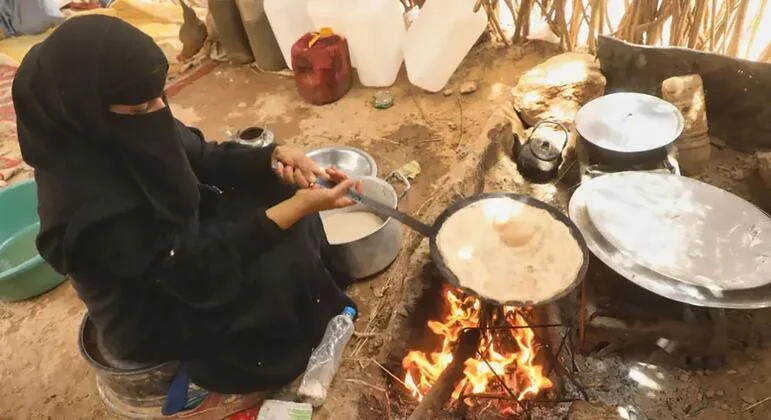
Suddenly thrust into the role of sole provider for her husband and two young daughters, Fatimah faced an impossible reality. She was isolated in a tent without income, living miles away from the nearest operational health clinic, and discovered she was pregnant once again. Exhausted, severely malnourished, and suffering from acute anemia, her primary concern remained her unborn child. "I feared for my baby more than I feared for myself," she said.
A similar narrative is shared by Donia Adel, a 19-year-old living in Al-Mahraq village in Abyan governorate. Donia is currently eight months pregnant with her second child, caring simultaneously for a two-year-old toddler. As a child, Donia excelled in school and aspired to become a teacher. However, at the age of eight, her family could no longer afford the incidental costs of her education, forcing her to drop out.
"I used to watch other children grow up in stable families while I struggled to adapt to a new and unsettled reality," Donia recalled. At age 15, she was married off. With approximately 1.5 million girls currently out of school across Yemen, Donia’s trajectory is far from unique. "I was still thinking like a child and dreaming like any young girl," she reflected on her early marriage. "But I felt that my options were extremely limited."
Statistical Overview and Public Health Implications
Public health officials emphasize that the physiological consequences of child marriage combined with starvation are catastrophic. According to UNFPA estimates, approximately 1.3 million pregnant and breastfeeding women across Yemen are currently malnourished. Furthermore, roughly 100,000 pregnant women have been internally displaced, compounding the risks associated with pregnancy and delivery.
Medical professionals working in UNFPA-supported safe spaces and clinics highlight several alarming clinical trends:
- Antenatal Care Deficits: Nearly 30 percent of Yemeni women receive zero antenatal care throughout their pregnancies, and fewer than half give birth within a medical facility.
- Nutritional Deficiencies: Widespread acute food insecurity has led to chronic high rates of severe anemia and vitamin deficiencies among women and girls, significantly increasing the probability of low birth weight, premature delivery, and infant mortality.
- Physical Exertion During Pregnancy: Despite advanced malnutrition and physical weakness, cultural norms dictate that pregnant women continue to perform strenuous physical labor, including fetching water, gathering firewood, and performing heavy agricultural tasks.
- Barriers to Emergency Care: Societal restrictions often require women to obtain permission from a husband or male relative before seeking medical attention. Even when permission is granted, prohibitive transportation costs and long distances to functioning hospitals frequently delay critical interventions until complications become life-threatening.
Amira, a frontline health worker in Abyan governorate, notes that many young mothers only arrive at clinics in the final stages of labor or after severe, preventable complications have manifested. "Many women cannot afford transport or the medicines and supplements we prescribe," Amira explained. "Some girls also face social restrictions that limit their ability to access healthcare in time. And some areas lack medical staff and properly equipped facilities."
The combination of an underdeveloped pelvis in young girls, chronic maternal starvation, and the lack of emergency obstetric care has given Yemen one of the highest maternal mortality rates in the Middle East and North Africa region. Common complications—such as obstructed labor, dangerous postpartum hemorrhage, and preterm birth—frequently turn fatal when specialized surgical interventions are hours away and economically out of reach.
Institutional Responses and Humanitarian Interventions
In response to the escalating crisis, international agencies, local non-governmental organizations, and community workers have established specialized safe spaces designed to offer holistic support. Organizations like the UNFPA, in collaboration with local entities such as the Yemen Women’s Union, provide critical psychological counseling, nutritional supplementation, reproductive health education, and medical referrals for high-risk pregnancies.
For young mothers like Fatimah and Donia, these safe spaces have served as a vital lifeline. Fatimah has received medical monitoring, psychological support, and has enrolled in literacy and vocational classes provided by the Yemen Women’s Union. Similarly, Donia has utilized local health services when affordable and has expressed a steadfast determination to reclaim her interrupted education.
"If things were different, I would continue my studies, pursue my dream of becoming a teacher, and provide a better life for my children and family," Donia stated.
Analytical Outlook and Future Challenges
The convergence of child marriage, maternal malnutrition, and systemic healthcare failure in Yemen presents a multi-layered humanitarian challenge that defies simple resolution. Humanitarian analysts stress that while emergency food distribution and maternal health clinics save thousands of lives daily, these measures remain palliative in nature.
Long-term stabilization and the reversal of these alarming health trends depend upon several foundational developments:
- Resolution of the Armed Conflict: A durable, nationwide ceasefire and political settlement are prerequisites for the rehabilitation of national infrastructure, the resumption of public sector salaries, and the stabilization of the national currency.
- Economic Recovery and Food Security: Revitalizing local agricultural production and stabilizing supply chains are essential to lowering food prices and mitigating the widespread acute malnutrition affecting women and children.
- Legal and Social Protections: Addressing the root causes of child marriage requires concerted advocacy, community engagement, and legal reforms to enforce minimum age-of-marriage laws and protect the rights of girls.
- Educational Access: Rebuilding schools and reintegrating the 1.5 million out-of-school girls into formal education systems will provide alternative pathways for young women, delaying marriage and empowering them with economic agency.
Until these systemic shifts occur, young girls across Yemen will continue to navigate a perilous intersection of conflict, poverty, and early motherhood—carrying the weight of a national crisis on bodies that are still growing.