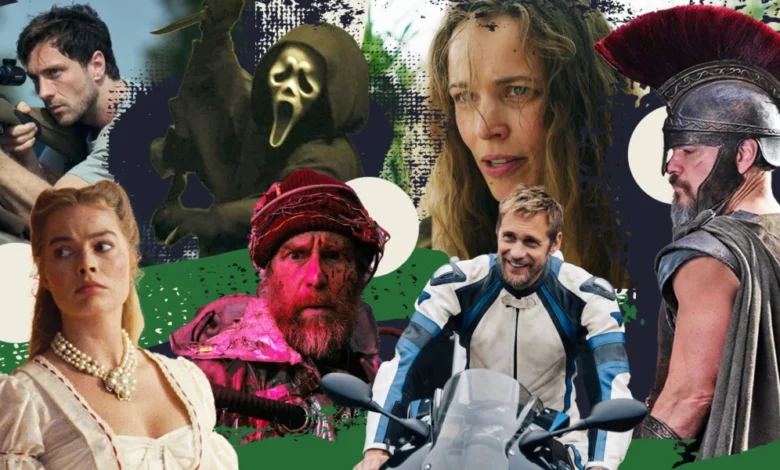
The landscape of digital entertainment in 2026 represents a significant shift in how audiences consume feature-length content, with streaming platforms aggressively competing for dominance by blending high-concept original cinema with strategic sequels and genre-defying experiments. As major studios pivot away from traditional theatrical exclusivity, the current release slate features a diverse array of films that range from visceral horror to high-octane action, reflecting a broader industry trend toward maximizing subscription value through high-production-value streaming premieres.

The Evolution of Streaming-First Cinema
Data from the current fiscal year suggests that audiences are increasingly prioritizing "event" films that debut on digital platforms. This shift is driven by a combination of changing viewer habits and a strategic reallocation of production budgets by major distributors. Studios such as A24, Amazon-MGM, and Netflix have identified that the "at-home" experience, when paired with high-caliber talent and established franchises, yields higher engagement metrics than mid-budget theatrical releases. The 2026 slate reflects this, with a robust selection of films featuring A-list talent, including Ryan Gosling, Matt Damon, Ben Affleck, and Margot Robbie, effectively blurring the lines between traditional theatrical prestige and streaming accessibility.

Horror and Psychological Thrillers: A Genre Renaissance
The 2026 cinematic calendar is dominated by horror and psychological thrillers, a genre that has proven to be the most resilient in terms of sustained streaming engagement.

Send Help, directed by Sam Raimi, stands as a hallmark of this trend. Marking the director’s return to original horror since 2009, the film utilizes Raimi’s signature frenetic camerawork and practical effects to elevate a premise that blends survivalist drama with psychological terror. The film, starring Rachel McAdams and Dylan O’Brien, has been lauded for its tonal balance, drawing comparisons to genre staples such as Cast Away and Drag Me to Hell.

Similarly, Undertone has emerged as a critical darling within the horror community. Positioned as a tentpole project for A24, the film’s focus on immersive sound design and minimalist, supernatural dread has generated significant anticipation. Industry analysts note that the film’s success is largely attributed to its psychological depth, which differentiates it from the more action-oriented horror entries currently dominating the market.

They Will Kill You, featuring Zazie Beetz, represents the more aggressive end of the spectrum, merging horror elements with the kinetic, choreographed action sequences often associated with the John Wick franchise. The inclusion of an ensemble cast including Patricia Arquette and Myha’la underscores the industry’s commitment to high-production-value horror that appeals to both traditional fans and mainstream audiences.

Action and Crime Thrillers: The Return of the "Event" Movie
The action genre in 2026 is characterized by a "back-to-basics" approach, focusing on star power and high-stakes narratives. The Rip, starring longtime collaborators Matt Damon and Ben Affleck, epitomizes this trend. The film, a crime thriller centered on police corruption, has been praised for its tight narrative structure and strong performances. Its success highlights a resurgence of interest in classic, character-driven crime dramas that rely on seasoned talent rather than heavy reliance on CGI.

Crime 101, based on the novel by Don Winslow, has also garnered significant attention for its stylistic similarities to Michael Mann’s 1995 masterpiece, Heat. Starring Chris Hemsworth and Mark Ruffalo, the film has been hailed as a solid entry in the genre, with critics noting its grounded, realistic approach to the police-procedural format. The film’s release is seen as a strategic play by Amazon-MGM to solidify its reputation as a home for high-quality, prestige-adjacent action content.

In the realm of buddy action-comedies, The Wrecking Crew stands out as a clear success. With Jason Momoa and Dave Bautista, the film leans into its premise of estranged brothers in Hawaii, effectively balancing humor with high-intensity violence. The film’s performance indicates that audiences remain highly receptive to action-comedies that emphasize chemistry and personality over complex, overarching cinematic universes.

Franchises and Literary Adaptations
Sequels and adaptations remain the bedrock of the 2026 streaming economy. 28 Years Later: The Bone Temple, directed by Nia DaCosta with a screenplay by Alex Garland, serves as a direct follow-up to the 2025 release. Despite the absence of original director Danny Boyle, the film has been praised for its expansion of the post-apocalyptic narrative, particularly for the performances of Ralph Fiennes and Jack O’Connell. The film’s success ensures that a third installment is already being discussed, pointing to the continued viability of the 28 Days/Years intellectual property.

Ready or Not 2: Here I Come continues the legacy of the 2018 original, bringing Samara Weaving back to lead a cast that includes Elijah Wood and Sarah Michelle Gellar. The sequel maintains the dark, satirical tone of its predecessor while expanding the scope of its violent, game-based plot.

Perhaps the most significant project in this category is Project Hail Mary, based on the novel by Andy Weir. Directed by Phil Lord and Chris Miller, the film represents the intersection of hard science fiction and high-budget production. With Ryan Gosling in the lead, the film has been noted for its visual scale and emotional resonance, solidifying the trend of adapting literary successes for a global streaming audience.

The Role of Independent and Experimental Cinema
The 2026 slate is not limited to big-budget studio projects. The Moment, starring Charli XCX, has gained a cult following for its satirical look at stardom and music culture. The film’s blend of mockumentary tropes and industry commentary has been compared to This Is Spinal Tap and Curb Your Enthusiasm.

Likewise, Pillion, which premiered at the New York Film Festival (NYFF63) in 2025, has found a second life on streaming platforms. The film’s exploration of an unconventional BDSM relationship between characters played by Harry Melling and Alexander Skarsgård has been noted for its tonal bravery.

Finally, Nirvanna the Band the Show the Movie showcases the brash, DIY-style filmmaking of director Matt Johnson. Following his previous success with BlackBerry, Johnson’s latest project has been lauded for its chaotic energy and unique comedic sensibilities, further proving that smaller, experimental projects can thrive alongside studio blockbusters in the current digital ecosystem.

Broader Industry Implications
The success of these films in 2026 carries several implications for the future of the entertainment industry:

- Strategic Scheduling: Platforms are increasingly using "prestige" titles to anchor their release schedules, often grouping them with genre-specific content to maximize retention during subscription renewals.
- Talent Migration: The willingness of high-profile actors like Glen Powell (in How to Make a Killing) and Meryl Streep (in the animated feature Hoppers) to headline streaming-exclusive content indicates a shift in the perceived "prestige" of digital releases.
- The "Prestige-Genre" Hybrid: There is a clear market trend toward films that bridge the gap between niche genres and broad appeal. By taking horror or crime thrillers and applying top-tier production values and A-list casting, studios are successfully reaching demographics that were previously fragmented.
- The Sustainability of Original Stories: While sequels and adaptations are prevalent, original works like Hoppers (Pixar) and Send Help (Sam Raimi) continue to perform well. This suggests that while intellectual property is valuable, audience appetite for original concepts remains high when those concepts are backed by trusted creative talent.
In conclusion, the 2026 streaming landscape is defined by its diversity and high level of professional execution. By catering to a wide range of tastes—from the brutal, creature-feature intensity of War Machine to the campy, satirical wit of Forbidden Fruits—streaming platforms have successfully cultivated a robust, multi-faceted ecosystem that challenges the dominance of traditional theatrical releases. As the year progresses, the data will likely confirm that this model of diverse, star-driven, and high-production content is the sustainable path forward for the global entertainment industry.