FBI Investigation Into Bipartisan Pay-to-Play Scheme Involving Senator Susan Collins Stalled After Overhaul of Federal Corruption Unit

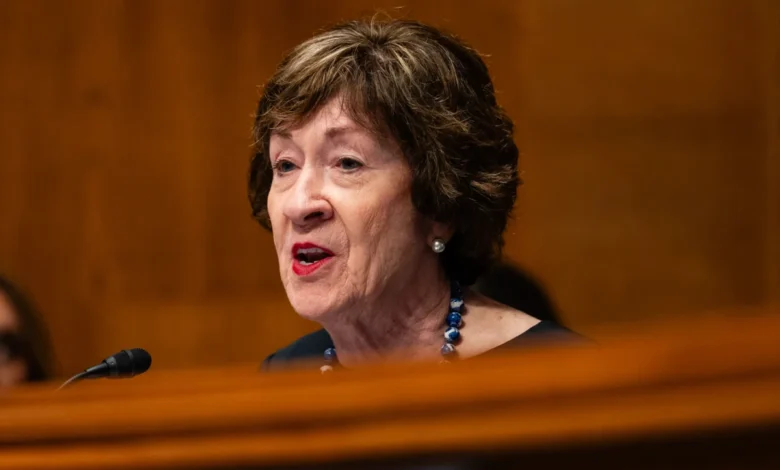
Federal law enforcement previously maintained an active, quiet investigation into a sweeping political corruption and bribery scheme involving over a dozen bipartisan members of Congress, including Republican Senator Susan Collins of Maine. Newly obtained documents and investigative reporting indicate that the probe focused on allegations that lawmakers leveraged their official positions on powerful legislative committees to secure lucrative government contracts for defense contractors in exchange for illegal campaign contributions and financial backing.
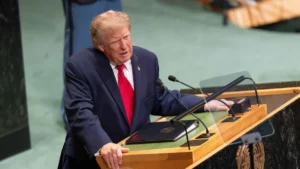
The investigation, which gained significant momentum leading up to the 2024 election cycle, ultimately stalled following a sweeping administrative overhaul of federal law enforcement agencies under the incoming Trump administration, which resulted in the systematic dismantling of the Federal Bureau of Investigation’s public corruption unit.
The Origins of the Probe: The Martin Kao Cooperation Agreement
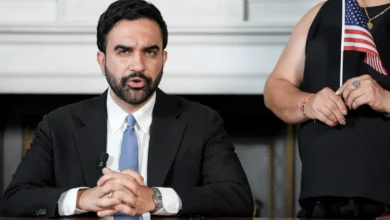
The federal inquiry originated from an extensive cooperation agreement struck between federal prosecutors and Martin Kao, the former chief executive officer of Navatek, a prominent military and defense contractor. Kao was originally indicted by federal authorities in 2022 on multiple felony charges relating to illegal campaign contributions, disaster relief fraud, and circumvention of federal election laws.
Facing severe federal prison time, Kao chose to cooperate with the FBI and federal prosecutors, detailing a sophisticated, near-$1-million quid-pro-quo financing scheme. According to Kao’s disclosures, the operation allegedly involved dozens of lawmakers across both major political parties who wielded direct influence over federal appropriations and military spending.
Investigative disclosures, including a substantial trove of internal emails and communication records obtained by investigative outlet ProPublica, center heavily on Senator Collins. At the time of the alleged coordination, Collins was navigating a high-stakes, highly competitive reelection campaign to retain her seat representing Maine in the United States Senate.
The Allegations: Quid Pro Quo and the Senate Appropriations Committee
According to the evidence compiled by federal investigators, Senator Collins allegedly directed millions of dollars in federal funding and Department of Defense contracts to Navatek. In exchange, representatives of the senator’s political network allegedly solicited substantial financial contributions for her reelection campaign through a supporting super PAC.
Federal election law strictly prohibits government contractors from making direct or indirect political contributions to federal candidates, candidate committees, or supporting super PACs. To bypass these statutory restrictions, the scheme allegedly utilized a network of shell companies and intermediaries to funnel money toward Collins’ political operations.
According to statements provided by Kao to federal agents, representatives of Collins’ super PAC approached Navatek in 2019 requesting a $500,000 financial contribution toward her reelection campaign. The solicitation allegedly explicitly cited the senator’s historical assistance in securing a critical Maine-based contract with the United States Navy during her previous legislative term. Kao reportedly informed the leadership of the super PAC that the company would be amenable to providing the requested financial support, provided that the senator could assist them in securing additional, higher-value federal contracts.
Paper Trail and Bureaucratic Intercession
The documents reviewed by investigators reveal a documented paper trail demonstrating direct communication between Senator Collins’ congressional office and federal defense officials regarding Navatek’s contracting status, frequently bypassing standard competitive bidding procedures.
In one internal naval communication dated 2019, a senior naval official noted, “I spoke with Sen. Collins office regarding the $8M. The interested company is Navatek.” Additional evidence indicates that Kao participated in a direct, face-to-face meeting with Senator Collins and two members of her campaign staff. During this encounter, the senator allegedly reminded Kao of her past legislative track record of delivering federal funding to his enterprise and expressed an expectation of continued political and financial support.
Shortly after this meeting, financial transactions matching the alleged pattern began flowing into Collins’ supporting super PAC via secondary entities and shell corporations. Emboldened by this arrangement, Navatek leadership allegedly expanded the influence-peddling model, establishing similar financial and contractual pipelines with other prominent members of Congress, particularly legislators seated on the powerful House and Senate Appropriations Committees.
Administrative Changes and the Dismantling of the Public Corruption Unit
By late 2024, federal investigators possessed a substantial body of evidence, including witness testimony from Kao and extensive digital documentation, outlining the full scope of the alleged influence-peddling operation. However, the trajectory of the investigation shifted dramatically following political transitions in Washington.
With the assumption of office by the incoming administration, federal law enforcement leadership underwent a comprehensive restructuring. Key oversight positions within the Department of Justice and the FBI were filled by loyalists to the executive branch, leading to the functional dismantling and structural gutting of the bureau’s dedicated Public Corruption Unit.
Reports indicate that investigative personnel directly involved in interviewing Kao and mapping out the bribery network faced professional retaliation. One prominent federal investigator who participated in the case was reportedly terminated following scrutiny over unrelated investigative assignments, while other career attorneys assigned to the matter resigned in protest or were reassigned.
When pressed for comment by journalists regarding the status of the inquiry, the FBI—now operating under the leadership of Trump-aligned Director Kash Patel—issued a formal statement asserting that the agency had “found nothing implicating Senator Collins or Senator Collins’ campaign.”
Reactions from Political Opponents and Legal Defenders
The public revelation of the stalled investigation has ignited immediate political fallout, particularly within the state of Maine, where Collins remains a polarizing figure in national politics.
Troy Jackson, Collins’ primary Democratic challenger in the electoral cycle, issued a scathing public statement condemning the alleged actions as an abuse of federal power. “This is corruption of the highest order,” Jackson stated. “Susan Collins delivered millions in taxpayer dollars for a corrupt donor bankrolling her campaign, and then Donald Trump helped her cover it up. No wonder she voted with him 96 percent of the time and has rubber-stamped his agenda to hurt Maine. We deserve answers about every contract and every conversation that Collins and her team facilitated on the backs of taxpayers. The jig is up.”
Conversely, representatives for Senator Collins have forcefully denied any legal wrongdoing, ethical impropriety, or illicit coordination with Navatek or its former executives. Spokespersons for the senator have maintained that all legislative actions taken by Collins regarding federal funding and defense contracts were executed strictly in the best economic interests of the state of Maine and its constituents, independent of political contributions. Legal representatives for the senator emphasize that no formal charges were ever brought against her by federal prosecutors, and they maintain that the unverified statements of a convicted federal felon seeking a reduced sentence do not constitute reliable evidence of criminal conduct.
Broader Implications for Campaign Finance and Government Oversight
The collapse of the Navatek public corruption probe highlights systemic vulnerabilities at the intersection of federal defense contracting, congressional oversight, and campaign finance enforcement. Good-government organizations and legal watchdogs have pointed to the case as a prime example of the challenges inherent in policing legislative influence-peddling, particularly when political appointments and administrative reorganizations intersect with ongoing criminal investigations.
Under current federal frameworks, members of the House and Senate Appropriations Committees wield immense discretionary power over the allocation of federal funds, creating an inherent risk of transactional politics. While federal statutes prohibit contractors from directly bankrolling political campaigns, the utilization of independent expenditure committees, political action committees, and intermediary shell organizations continues to provide avenues for wealthy corporate entities to curry favor with powerful lawmakers.
As watchdogs and investigative journalists continue to review the paper trail left in the wake of the aborted FBI probe, legal experts suggest that the full extent of the alleged bipartisan pay-to-play network may never be entirely uncovered. Nevertheless, the public airing of the investigative documents ensures that the ethical boundaries of congressional fundraising, defense appropriations, and the independence of federal law enforcement will remain central subjects of debate in federal governance.