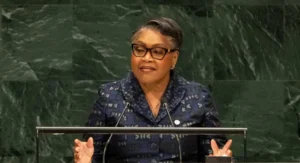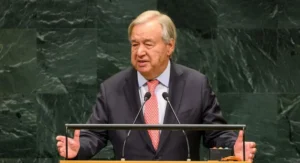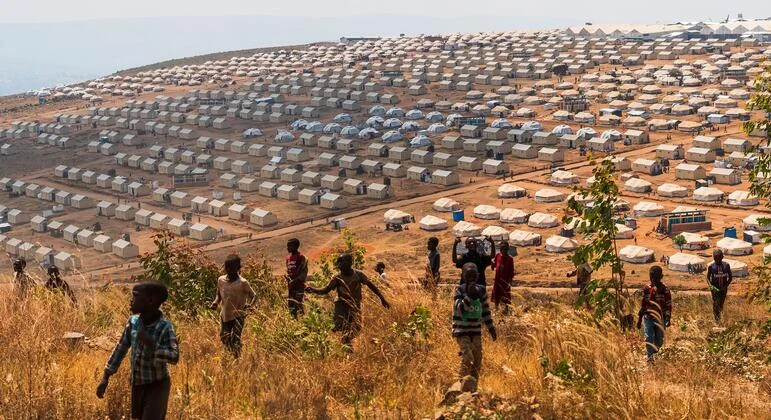
The international community faces an unprecedented humanitarian emergency as the global volume of forcibly displaced people continues to scale historic heights. At United Nations Headquarters, the Security Council convened a high-stakes, live-broadcasted session to address the escalating crisis of refugees, asylum seekers, and internally displaced persons (IDPs) driven from their homes by protracted conflicts, extreme weather events, and systematic human rights violations.
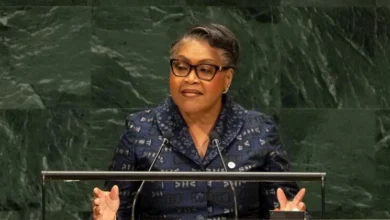
The meeting served as a critical platform for member states, UN agency leads, and humanitarian experts to evaluate the compounding pressures on global security and stability. With displacement figures now shattering records set in previous decades, the debate underscored an urgent need for cohesive multilateral strategies that move beyond short-term emergency aid toward sustainable political solutions.
Main Facts of the Global Displacement Crisis
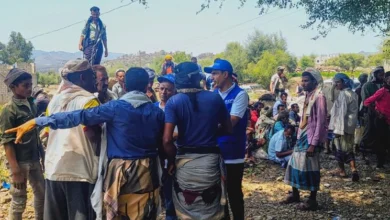
According to operational data compiled by the UN Refugee Agency (UNHCR) and partner organizations, the global number of forcibly displaced individuals has surpassed 114 million people. This staggering figure encompasses refugees fleeing international borders, asylum seekers awaiting legal determinations, and millions trapped within their own countries as internally displaced persons.
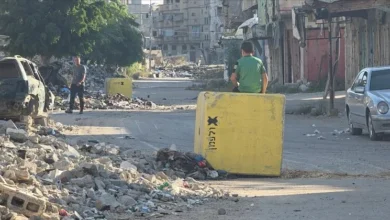
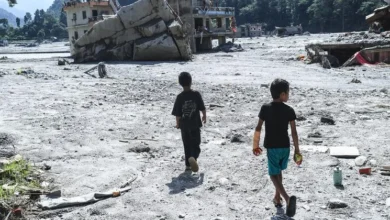
The primary drivers of this modern migration wave remain rooted in intractable geopolitical conflicts. Protracted wars in regions such as the Democratic Republic of the Congo (DRC), Sudan, Ukraine, Syria, and Myanmar continue to generate massive outflows of vulnerable populations. Furthermore, the convergence of armed conflict with the intensifying impacts of climate change has created compounding crises, where communities are repeatedly displaced by both violence and environmental disasters.
During the Security Council session, briefers emphasized that forced displacement is no longer merely a humanitarian concern, but a profound threat to international peace and security. Strained resources in host countries, particularly in developing regions that shoulder the vast majority of the world’s refugee population, threaten to trigger regional destabilization if international burden-sharing mechanisms remain inadequate.
Chronology and Evolution of the Crisis
The trajectory of mass forced displacement over the past decade reveals a disturbing upward trend, characterized by the failure of diplomatic frameworks to prevent or swiftly resolve armed conflicts.
In the mid-2010s, the outbreak and intensification of wars in the Middle East—most notably in Syria—pushed global displacement figures past the 60 million mark, levels not seen since the aftermath of the Second World War. Rather than stabilizing, these numbers accelerated due to subsequent crises.
By 2020, the onset of the COVID-19 pandemic compounded existing vulnerabilities, restricting humanitarian access and stalling resettlement programs while conflicts simmered or reignited across multiple continents. The military takeover in Myanmar in 2021 and the subsequent humanitarian catastrophe, followed by the outbreak of war in Ukraine in early 2022, injected millions more into the displacement pipeline within a matter of months.
The year 2023 marked another bleak milestone, catalyzed by the sudden eruption of devastating conflict in Sudan, which uprooted millions internally and across borders into fragile neighboring states already grappling with their own economic and political shocks. This uninterrupted succession of shocks has overwhelmed the traditional humanitarian architecture, leaving agencies perpetually cash-strapped and operating in a state of permanent triage.
Supporting Data and Regional Realities
A closer examination of the data reveals stark geographical disparities in how the burden of displacement is distributed globally. Low- and middle-income countries continue to host approximately 75 percent of the world’s refugees and other people in need of international protection, placing an immense strain on local infrastructure, healthcare systems, and labor markets.
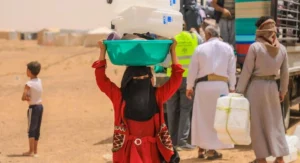
In sub-Saharan Africa, protracted conflicts have driven millions into precarious conditions. In the Democratic Republic of the Congo, persistent violence in the eastern provinces has displaced millions of citizens, forcing them into congested, underfunded camps where access to clean water, food, and medical care remains critically scarce. The situation in the DRC mirrors broader regional patterns across the Sahel and the Horn of Africa, where violence, localized inter-communal conflict, and severe food insecurity create overlapping emergencies.
Simultaneously, funding gaps continue to widen. Humanitarian appeals launched by the United Nations and its partners routinely face severe shortfalls, forcing agencies to make agonizing cuts to food rations, educational programs, and healthcare services in displacement settings. Without predictable, multi-year funding, humanitarian actors find themselves ill-equipped to transition populations from emergency survival mode to self-reliance and integration.
Official Responses and Statements
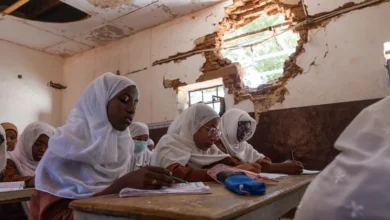
During the Security Council deliberations, representatives from various member states voiced deep alarm over the erosion of international humanitarian law and the recurrent targeting of civilian populations, which remains the primary catalyst for forced displacement.
UN leadership reiterated that diplomatic inertia is the root cause of the crisis. Officials stressed that military solutions to political conflicts consistently fail to deliver long-term stability, inevitably resulting in mass human suffering and regional spillover effects. Council members were urged to transcend geopolitical divisions and leverage their collective influence to compel warring parties to respect ceasefires, protect civilians, and grant unhindered humanitarian access.
Representatives of major refugee-hosting nations took the floor to demand greater international solidarity. They argued that burden-sharing cannot remain a voluntary, ad-hoc concept but must be codified into robust, binding commitments that provide sustained financial and logistical support to countries absorbing large refugee populations. Furthermore, humanitarian organizations stressed the imperative of scaling up investments in climate adaptation and resilience, noting that environmental degradation is rapidly accelerating displacement in vulnerable agrarian and coastal communities.
Broader Impact and Strategic Implications
The implications of an unmanaged, escalating tide of forced displacement extend far beyond immediate humanitarian concerns, posing structural challenges to global governance, economic development, and security architectures.
From a security perspective, protracted displacement camps can become breeding grounds for radicalization, human trafficking, and illicit arms trade when populations are left without legal status, economic opportunities, or hope for the future. When host governments lack the capacity to maintain security and civil administration within these settings, regional stability is inevitably compromised.
Economically, the failure to integrate displaced populations represents a massive squandering of human capital. Millions of refugees and IDPs possess skills, education, and entrepreneurial drive that remain locked out of formal economies due to restrictive legal frameworks and bureaucratic barriers. Experts argue that shifting policy paradigms from containment and relief to inclusion and self-reliance can transform displaced populations from aid-dependent recipients into economic contributors who bolster local markets and stimulate growth in host communities.
Politically, the crisis tests the resilience of the international rules-based order. The principle of asylum, enshrined in international law, faces mounting pressure as numerous states implement restrictive border policies, externalize asylum processing, and resort to deterrence measures that critics argue violate fundamental human rights.
As the UN Security Council continues its oversight of the global displacement crisis, the overarching challenge remains clear: mitigating the rising tide of forced displacement requires a synchronized global strategy that aggressively pursues political conflict resolution, guarantees predictable financial backing for humanitarian operations, and upholds the legal protections designed to safeguard the world’s most vulnerable populations.