The protracted conflict in Gaza has inflicted an unprecedented and devastating toll on women and girls, far surpassing the impact of any previous hostilities in the Palestinian enclave. Since the Hamas-led terror attacks in Israel sparked the current war in October 2023, more than 38,000 women and girls have been killed by Israeli air bombardment and land military operations, as reported by UN Women on Friday, April 17, 2026. This staggering figure underscores the profound and disproportionate suffering endured by half of Gaza’s population amidst ongoing humanitarian crises.
The Catastrophic Human Cost: Beyond the Numbers
The overall casualty count includes at least 22,000 women and 16,000 girls, translating to an average of at least 47 women and girls killed every single day since the war began. Sofia Calltorp, Chief of Humanitarian Action for UN Women, conveyed these harrowing statistics to journalists in Geneva, emphasizing the profound personal losses represented by each number. "Those killed were mothers, they were daughters, sisters, and friends, deeply loved by those around them," Calltorp stated, highlighting the irreplaceable void left in countless families and communities. She further noted that these killings persisted even during periods of reduced hostilities, underscoring the relentless nature of the violence.
Beyond the fatalities, the conflict has left an indelible mark on the lives of nearly 11,000 women and girls who have sustained injuries, many of which have resulted in life-changing disabilities. These injuries range from severe burns and shrapnel wounds to limb amputations and spinal trauma, necessitating extensive medical care, rehabilitation, and long-term support that is largely unavailable in the besieged territory. UN Women cautions that the true death toll is likely considerably higher, given the thousands of bodies still believed to be trapped under the rubble of destroyed buildings. This grim reality complicates recovery efforts, prolongs the agony of grieving families, and hinders accurate assessments of the conflict’s full impact. According to Gazan health authorities, the broader conflict has claimed the lives of over 72,315 Palestinians and injured an additional 172,137 since October 2023, painting a picture of widespread devastation.
A Conflict’s Genesis and Escalation: A Brief Chronology
The current escalation of conflict commenced on October 7, 2023, when Hamas and other Palestinian militant groups launched a series of unprecedented attacks on southern Israel, resulting in the deaths of approximately 1,200 people, predominantly civilians, and the abduction of hundreds of hostages. In response, Israel initiated a large-scale military operation in the Gaza Strip, aimed at dismantling Hamas’s military capabilities and securing the release of hostages. This operation quickly evolved into an intensive air and ground campaign that has reshaped the landscape of Gaza.
Prior to October 2023, Gaza, a densely populated strip of land, had already been under an Israeli and Egyptian blockade since 2007, leading to chronic humanitarian challenges, high unemployment rates, and a fragile healthcare system. The population, approximately 2.3 million people, relied heavily on humanitarian aid. Previous major escalations in 2008-2009, 2012, 2014, and 2021 had already left deep scars, but none matched the scale and intensity of the current conflict.
The period following October 2023 saw relentless aerial bombardments, ground incursions, and widespread destruction of civilian infrastructure, including residential buildings, hospitals, schools, and refugee camps. International calls for ceasefires and humanitarian pauses intensified throughout late 2023 and into 2024. While specific, shorter-term ceasefires were observed at various points for humanitarian aid delivery and hostage exchanges, a more substantial and sustained ceasefire, which UN Women references as having begun "last October" (implying October 2025 in the context of an April 2026 report), appears to have allowed for some reduction in active hostilities, though the humanitarian crisis persists and the reported deaths continued. The staggering death toll of women and girls primarily accumulated during the intense phases of the conflict from October 2023 up to the point of the sustained ceasefire.
The Chronic Humanitarian Emergency: A Crisis of Displacement and Survival
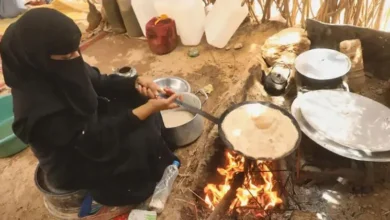
The war has plunged Gaza into a chronic humanitarian emergency of unparalleled proportions. The vast majority of Gaza’s population – an estimated 1.7 million people – have been internally displaced, forced to flee their homes multiple times in search of safety. They now live in overcrowded shelters, makeshift tents, or with host families, often lacking access to basic necessities. This mass displacement has exacerbated existing vulnerabilities and created new layers of hardship.
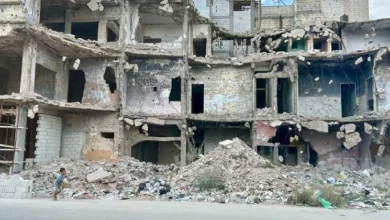
The destruction of infrastructure is near total in many areas. Over 70% of Gaza’s homes have been damaged or destroyed, rendering vast swathes of the territory uninhabitable. Water and sanitation systems have largely collapsed, leading to a severe scarcity of potable water and a heightened risk of waterborne diseases. The United Nations Office for the Coordination of Humanitarian Affairs (OCHA) has repeatedly warned of dire conditions, including widespread food insecurity, with a significant portion of the population facing famine-like conditions. Access to food, water, and shelter remains severely restricted, despite ongoing humanitarian efforts, due to logistical challenges, security concerns, and bureaucratic impediments. The cumulative impact of these conditions is a struggle for survival for every man, woman, and child in Gaza.
Women at the Helm: New Societal Realities and Increased Vulnerabilities
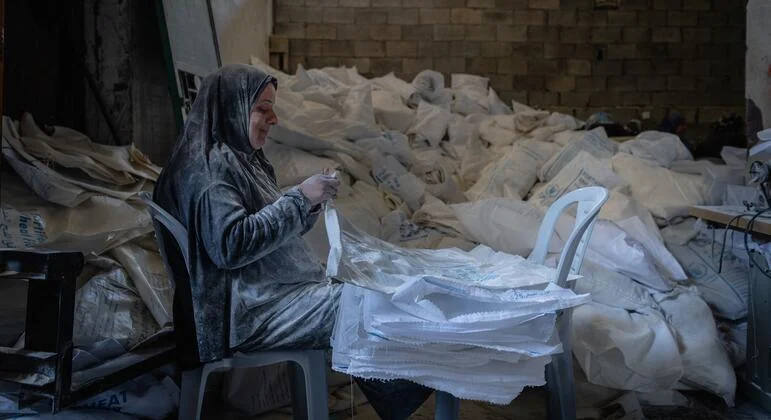
The demographic landscape of Gaza has been fundamentally reshaped by the conflict. Tens of thousands of households are now headed by women, a direct consequence of the immense male casualty rate. These women, many of whom have lost their husbands, fathers, or brothers, are suddenly thrust into roles of sole providers and protectors, facing immense challenges without adequate income, support networks, or access to essential services. "This war has reshaped families," UN Women’s Ms. Calltorp underscored. "Having lost their husbands, they are sustaining their families without income, without support or access to essential services."
This shift places women and girls at increased risk of economic hardship and protection concerns. With livelihoods destroyed and unemployment skyrocketing, many women struggle to provide food, shelter, and medical care for their children and extended families. The breakdown of social structures and the overcrowding in displacement sites also heighten the risks of gender-based violence (GBV), including sexual violence, exploitation, and early marriage. Fear, stress, and the daily struggle for survival take a severe toll on mental health, with women and girls often bearing the brunt of the emotional and psychological trauma. Psychosocial support services, critically needed, are virtually non-existent amidst the ongoing chaos.
Healthcare in Ruins: A Gendered Impact
The collapse of Gaza’s healthcare system has had a particularly devastating impact on women and girls. Hospitals and clinics have been damaged or destroyed, are severely understaffed, and lack essential medical supplies, equipment, and fuel. The few remaining functional facilities are overwhelmed and operate far beyond their capacity. This crisis has catastrophic implications for maternal and reproductive health. Ms. Calltorp recalled a visit to Gaza in November where she met two women who were forced to deliver their babies in the street because there was no transportation available to reach any functional hospital. Such stories illustrate the profound degradation of basic healthcare access.
Pregnant women face immense risks, including lack of prenatal care, safe delivery options, and postnatal support. The stress and malnutrition associated with the conflict also contribute to complications during pregnancy and childbirth, leading to increased rates of miscarriage, stillbirths, and maternal and infant mortality. Access to sanitary pads and other menstrual hygiene products is severely limited, impacting the dignity, health, and mobility of adolescent girls and women. The absence of comprehensive sexual and reproductive health services further compounds the crisis, leaving women vulnerable to preventable illnesses and complications.
International Calls for Action and the Path Forward
In light of the ongoing crisis, UN Women is urgently calling for full respect for the ceasefire, strict adherence to international humanitarian law, and a massive scale-up of humanitarian assistance. The agency emphasizes that women and girls must be placed at the very center of all recovery and peacebuilding efforts, not merely as beneficiaries of aid, but as active agents in shaping their future. This includes ensuring their participation in decision-making processes, providing dedicated funding for women-led and women’s rights organizations, and prioritizing their specific needs in reconstruction plans.
UN Women remains on the ground in Gaza, working closely with local women-led and women’s rights organizations to deliver life-saving assistance. These partnerships are crucial for ensuring that aid reaches the most vulnerable and that local expertise and perspectives guide humanitarian responses. Together with other UN agencies and aid partners, UN Women strives to provide comprehensive support, ranging from emergency relief to long-term empowerment initiatives. This includes advocating for consistent funding for women’s organizations, which are often the first responders in crises and possess deep understanding of community needs.
The implications of this conflict extend far beyond the immediate humanitarian emergency. The long-term impact on Gaza’s social fabric, demographics, and future development will be profound. A generation of children, particularly girls, is being deprived of education, healthcare, and a safe environment to grow. The trauma inflicted will require decades of dedicated psychosocial support and community healing. For any sustainable peace and recovery to take hold, international humanitarian law must be upheld, accountability for violations must be pursued, and robust efforts must be made to address the root causes of the conflict, with women’s rights and gender equality as foundational pillars of any reconstruction and reconciliation process. The terrible toll on women and girls in Gaza is a stark reminder of the devastating human cost of war and an urgent call to action for the global community.
Related posts: