Bringing Back the Light: The Grassroots Movement to Save Indonesia’s Fireflies from Extinction

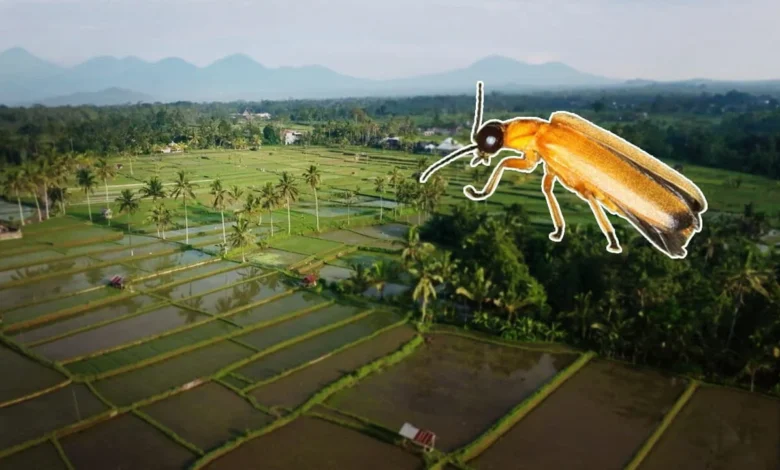
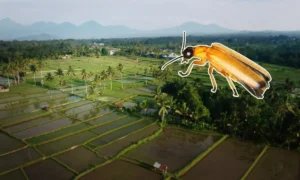
For decades, the rural landscapes of Bali were illuminated at night not by electric streetlights, but by the rhythmic, bioluminescent pulses of thousands of fireflies. For residents like Wayan Wardika, these insects were a childhood staple, serving as living lanterns in a pre-electrification era. However, the rapid modernization of Southeast Asia has brought about a silent crisis: the widespread disappearance of firefly populations. Today, Wardika leads "Bring Back the Light," Indonesia’s pioneering conservation initiative, as he attempts to reverse four decades of ecological decline through a blend of scientific breeding and regenerative agriculture.
The Ecological Decline of a Bioluminescent Icon
The decline of fireflies in Bali is not an isolated phenomenon but a microcosm of a broader environmental collapse across Southeast Asia. Entomologists have noted that at least four species of fireflies in the region are currently teetering on the brink of extinction. These insects are classified as "bio-indicators," meaning their presence is a direct reflection of the health of an ecosystem. When fireflies vanish, it serves as a warning that the air, water, and soil quality in a region have reached a critical state of degradation.
The threats to these insects are multifaceted. First, light pollution has severely disrupted the fireflies’ reproductive cycles. Because these beetles rely on bioluminescent signals to communicate and attract mates, the encroaching glow of artificial LED street lighting and urban development creates "sensory noise," preventing males and females from finding one another. Second, the intensification of industrial agriculture has introduced a flood of chemical fertilizers and synthetic pesticides. These chemicals not only poison the larvae—which reside in soil and water for up to two years—but also decimate the snail populations that serve as a primary food source for many firefly species.
A Chronology of Conservation
The "Bring Back the Light" initiative was formally established in 2020, but the roots of the project extend back to Wardika’s personal realization of the local extinction event in his home village. The project’s timeline represents a transition from simple nostalgia to sophisticated ecological management:
- 1980s–2010s: A period of rapid infrastructure development and agricultural intensification in Bali, during which firefly populations plummeted due to the loss of natural habitats and the introduction of chemical-heavy farming practices.
- 2020: Wardika officially launches "Bring Back the Light," focusing on the laboratory-controlled breeding of fireflies to stabilize the local population.
- 2021–2022: The team successfully releases nearly 20,000 larvae and adult fireflies into protected areas, marking the first successful large-scale reintroduction of the species in the region.
- 2023–Present: The program shifts its primary strategy from laboratory breeding to landscape-level habitat restoration, recognizing that artificial release is ineffective if the environment remains hostile.
The Science of Restoration
The life cycle of the firefly is remarkably fragile, making conservation efforts particularly painstaking. The process begins with the collection of eggs, which require precise monitoring over several weeks. Once hatched, the larvae undergo a two-year growth phase, during which they are highly susceptible to chemical contamination in the soil and water. After entering the pupal stage, they transform into adults, a stage that lasts for only three weeks—a fleeting window of time for mating and reproduction.
Wardika’s team, which includes a small group of dedicated scientists, manages this process from egg to adulthood. However, the team has learned that human-assisted breeding is only a temporary fix. The sustainability of the project depends on the "circular ecosystem" model Wardika has developed, which centers on the total elimination of synthetic chemicals from local rice paddies.
Regenerative Agriculture as a Conservation Tool
The most innovative aspect of the "Bring Back the Light" program is its focus on economic incentives for local farmers. Wardika recognized that he could not convince farmers to abandon pesticides—which are often subsidized and effective for short-term yield—purely on moral or environmental grounds. Instead, he opted for a strategy he describes as "filling the pockets to change the hearts."
The initiative provides farmers with organic alternatives, including compost derived from locally sourced cow manure and eco-enzymes made from discarded fruit collected from village markets. The manure is rich in microorganisms and earthworms, which help regenerate soil fertility naturally. To mitigate the risk for farmers transitioning to organic methods, the program covers any losses incurred during the conversion period.
This approach serves a dual purpose. By improving soil health, the farmers produce higher-quality crops that command premium prices in the marketplace. As the economic stability of the farming community increases, the reliance on chemical inputs decreases, thereby restoring the chemical-free habitat necessary for fireflies to thrive. Currently, four local farmers have integrated into this system, with a long-term goal of enrolling 35 neighboring farms to create a continuous "pesticide-free zone."
Implications for Biodiversity and Food Security
The implications of this conservation effort extend far beyond the aesthetic value of seeing fireflies return to the night sky. Fireflies provide essential ecosystem services, including the pollination of local flora and, in the case of certain species, the natural control of snail populations that otherwise ravage rice crops. By protecting the firefly, Wardika is essentially protecting the underlying biodiversity that supports Bali’s agricultural output.
From an environmental policy perspective, the initiative highlights the necessity of localized, community-led conservation. While government-led mandates often struggle with enforcement and public buy-in, Wardika’s model demonstrates that conservation is most effective when it is tied to the economic well-being of the local population.
However, the project faces significant hurdles. The "Bring Back the Light" program is currently funded by ecotourism and the sale of organic produce from Wardika’s farm. Scaling this model to encompass larger regions of Bali—or other islands in the Indonesian archipelago—will require more robust financial frameworks, likely necessitating support from local governments or international environmental NGOs.
Future Outlook and Challenges
The transition from a landscape defined by chemicals to one that supports biodiversity is a generational task. Human behavior remains the most volatile variable in this equation. Convincing traditional farmers to shift away from long-standing chemical-intensive practices requires not only financial support but also consistent education and the demonstration of long-term soil viability.
Wardika remains optimistic, viewing the firefly not just as an insect, but as a barometer for the future of humanity. He argues that if the environment is not clean enough for a firefly to survive, it is ultimately not healthy for human habitation. The success of "Bring Back the Light" serves as a rare, tangible example of how a small-scale, grassroots movement can address the symptoms of global environmental decline.
As the project continues to evolve, the team is documenting their methods to create a "blueprint for restoration" that could be applied to other regions in Southeast Asia. For now, the flickering light of the fireflies in Wardika’s village serves as a symbol of both the damage done by decades of unchecked development and the potential for a sustainable, circular future. The mission is no longer just about the fireflies; it is about establishing a model of coexistence where agricultural productivity and environmental health are not viewed as mutually exclusive, but as interdependent pillars of a resilient community.
Related posts: