The integration of a lumbar pillow into interior design represents a sophisticated intersection of ergonomic necessity and aesthetic refinement. While the term "lumbar pillow" often evokes clinical images of memory foam supports designed for office ergonomics, the interior design sector has reclaimed this elongated, rectangular silhouette as a cornerstone of modern styling. Often the final accessory applied to a bedscape, the lumbar pillow serves as a visual anchor that defines the horizon line of a bed, bridging the gap between comfort and high-end curation. From the minimalist lofts of Brooklyn to the traditional estates of the American South, this versatile piece has become an indispensable tool for designers looking to introduce color, texture, and structural cohesion into residential spaces.
The Evolution of the Lumbar Pillow in Interior Design
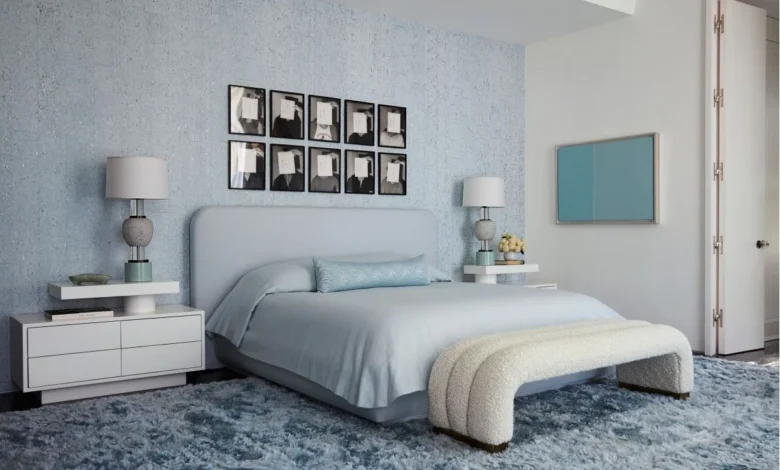
Historically, bedroom styling relied heavily on a symmetrical arrangement of square shams and Euro-pillows. However, the emergence of the "bedscape" as a focal point in home decor has shifted the focus toward layering. The lumbar pillow—typically measuring between 20 and 48 inches in length—provides a horizontal break that prevents a bed from appearing overly monolithic.

Industry analysts tracking home decor trends have noted a 15% year-over-year increase in consumer interest regarding "accent layering" in master suites. This trend is driven by a broader movement toward "slow living" and the curation of personal sanctuaries. Designers argue that the lumbar pillow is the most cost-effective way to refresh a room’s aesthetic without necessitating a full suite of new bedding. By swapping a single, well-chosen lumbar pillow, a room can pivot from a summer-breezy coastal aesthetic to a cozy, winter-appropriate retreat.
Ergonomics vs. Aesthetics: Defining the Product
It is critical to distinguish between the two primary categories of lumbar products. The first is the orthopedically designed support cushion. These products, such as those manufactured by The Cushion Lab, utilize high-density gel memory foam to promote spinal alignment. These are functional medical devices intended for prolonged sitting in task chairs or vehicle seats.
The second category, which remains the primary focus of this analysis, is the decorative lumbar cushion. These items are defined by their textile quality, including linen, wool, velvet, and handwoven cotton. Unlike their ergonomic counterparts, these pillows are designed to maintain their shape while adding a layer of softness to a space. They act as a "finishing touch" that signals intentionality. A room that might otherwise look staged or sterile often finds its missing link in the specific texture or pattern introduced by a thoughtfully placed lumbar pillow.

Top Selections in Contemporary Decor
The market for high-quality decorative pillows has become increasingly specialized, with designers favoring specific materials for their unique interplay with light and shadow.
The Oversized Linen Statement
West Elm’s Flax Linen Lumbar Pillow Cover represents a shift toward minimalist scale. By utilizing an oversized frame, it serves as a singular, dominant accent for queen or king-sized beds. This design choice effectively reduces visual noise, appealing to the modern farmhouse and Scandinavian design movements where less is often interpreted as more.
Dimensional Texture and Layering
The Lulu and Georgia Viveka Pillow offers a masterclass in textural depth. In professional interior staging, texture is often prioritized over pattern. A high-pile or complex weave catches natural light throughout the day, creating a dynamic visual experience that simple, flat-woven fabrics cannot replicate. This is particularly effective in neutral color palettes, where the lack of saturation must be compensated for by physical variation in the material.

The Luxury of Velvet
Velvet remains a perennial favorite for its ability to reflect and absorb light, particularly in the cooler, silvery tones such as glacier blue. The Quince Velvet Oversized Lumbar Pillow serves as a case study in how material choice influences the mood of a room. Because velvet carries a weight and sheen, it acts as a formalizing element, grounding the lighter, airier linens often found in luxury bedding sets.
Color Theory and Graphic Design
The Christina Lundsteen Athena Cushion exemplifies the use of textiles as a "pop" element. In spaces characterized by monochrome palettes—white walls, gray sofas, and neutral rugs—the lumbar pillow is the primary vehicle for introducing personality. The use of vibrant, saturated tones or bold geometric patterns, such as those found in the Pendleton Crosses Lumbar Pillow, serves to break the monotony. These pieces are often selected by designers to act as a "bridge" between different colors in a room, tying together a disparate collection of furniture pieces.
The Role of Craftsmanship: Tassels and Hand-Dyed Fabrics
Recent shifts in consumer preference indicate a move toward "slow-crafted" items. The Serena & Lily Mendocino Pillow Cover, which utilizes hand-dyed washed linen and three-inch knotted tassels, addresses this demand. The slight color variance inherent in hand-dyeing provides an organic quality that mass-produced factory textiles lack. Furthermore, the addition of fringe or tassels adds movement, a subtle design element that breathes life into a space when the air circulates.

Expert Guidance: Placement and Styling Best Practices
The placement of a lumbar pillow is governed by both structural intent and comfort. For an optimized bedscape, the pillow should be centered horizontally in front of the primary sleeping pillows or shams. This creates a balanced visual hierarchy.
When styling a sofa or accent chair, the lumbar pillow serves a dual purpose. It provides the necessary support for the natural curve of the lower back while simultaneously breaking up the depth of the seating. Interior designers often recommend the "triad rule": using the lumbar pillow as the bridge between two smaller throw pillows. By varying the height, texture, and color of the three items, a designer creates a balanced "collected" look that feels intentional rather than haphazard.
Broader Implications for Home Economics
The focus on high-quality home accessories is part of a larger trend in residential investment. Following the global shift toward remote work and increased time spent at home, consumers are reallocating budgets previously reserved for travel and external entertainment toward the home interior. This "home-centric" economic behavior has bolstered the boutique textile market.

While a lumbar pillow might seem like a minor purchase, it functions as a low-risk, high-reward investment. Unlike large-scale furniture pieces that require significant spatial planning and financial commitment, the decorative lumbar pillow allows for rapid iteration of a room’s style. It serves as an entry point for novice decorators to practice color theory and texture layering without the threat of a costly design error.
Maintaining the Integrity of the Bedscape
The long-term value of these pillows is heavily dependent on maintenance. As many of these items feature luxury materials like silk-blends, velvet, or delicate linen, manufacturers often stipulate "dry clean only" guidelines. Proper care, including the regular rotation of pillows to prevent uneven compression and the use of high-quality, plump inserts, is essential to maintaining the "designer" look. A common mistake in residential staging is the use of an undersized insert, which leaves the corners of the pillow cover sagging. Industry professionals recommend purchasing an insert one to two inches larger than the cover to ensure a firm, crisp silhouette that retains its shape over time.
Conclusion
The lumbar pillow is far more than a secondary decorative afterthought; it is a vital component of a well-articulated living space. By balancing the demands of human ergonomics with the requirements of aesthetic composition, it solves one of the most common challenges in interior design: the need for a cohesive, professional-looking space that remains comfortable and welcoming. Whether through the bold geometry of a Southwestern pattern, the tactile luxury of cotton velvet, or the breezy, casual elegance of washed linen, the lumbar pillow offers an accessible solution for refining the modern home. As trends continue to favor personalized, textured, and curated environments, the strategic placement of this single, versatile cushion will remain a foolproof hack for achieving an elegant and balanced bedscape.