Inside the Inaugural AD PRO Design Dialogues: A Masterclass in Industry Innovation and Connection

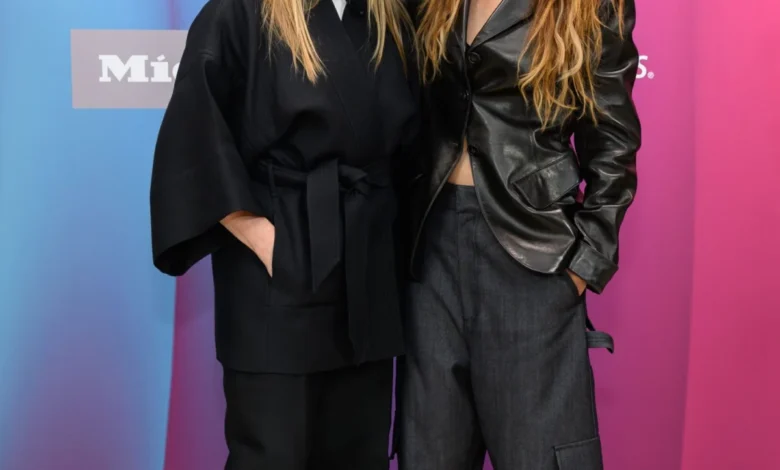
The architectural and interior design communities converged in New York City on September 16, 2026, for the inaugural AD PRO Design Dialogues, an ambitious, day-long summit hosted by Architectural Digest. Held at the iconic One World Trade Center, the event served as a high-level forum for professionals to dissect the shifting landscape of the global design economy. By blending granular technical insights with high-level business strategy, the summit aimed to bridge the gap between creative vision and operational sustainability in an increasingly digital and globalized market.
The gathering drew a diverse assembly of industry leaders, including AD100 honorees, emerging architects, and members of the AD PRO Directory. Participants traveled from key design hubs—including Phoenix, Chicago, and Miami—to engage in a series of sessions that prioritized transparency and professional development over traditional industry pageantry.
Unwavering Commitment: The Resilience of the Creative Class
The commitment of the attendees was underscored by the arrival of Elizabeth Graziolo, founder and principal of Yellow House Architects. Despite sustaining a fractured knee from an e-bike collision while visiting family in Toronto just days prior, Graziolo arrived at the venue on crutches. Her presence was emblematic of the professional dedication that defined the event. "I delayed my surgery until next week so I could make it here," Graziolo remarked during her headlining panel alongside architect Michael K. Chen. "I wouldn’t have missed this for the world."

This level of engagement mirrored the broader sentiment of the summit: that in an era of remote work and digital portfolios, the value of in-person, unfiltered discourse remains paramount.
Strategic Sessions: The Anatomy of Modern Design Practice
The summit’s agenda was meticulously curated to address the pragmatic challenges facing modern design studios. Throughout the day, panelists dissected topics ranging from the mechanics of scaling a business to the integration of emerging kitchen technologies and the nuances of editorial selection processes.
A standout session featured AD100 designer Heidi Caillier in conversation with Alison Levasseur, AD’s Global Interiors and Garden Director. The discussion focused on the operational realities of managing a fully remote staff—a model that has become increasingly common but remains complex to execute at a high level. For attendees like Tana Nesbitt-Hayes of Studio8 Architect, the session was transformative. "Pulling the curtain away was really helpful," Nesbitt-Hayes noted, emphasizing the value of learning how top-tier studios maintain quality control and creative synergy across disparate geographical locations.
Data-Driven Context: The Evolution of the Design Industry
The AD PRO Design Dialogues arrived at a pivotal moment for the architecture and interior design sectors. According to industry reports from 2025 and early 2026, the interior design services market has seen a marked shift toward specialized, boutique consultancy models that prioritize "bespoke" client experiences. The rise of these smaller, agile firms has necessitated new approaches to project management, technology adoption, and public relations.

Furthermore, the emphasis on "the freshest approaches to color" and "powerful kitchen technologies" reflects a broader consumer trend toward high-performance, wellness-oriented home environments. The summit addressed these market demands by providing designers with the intellectual tools to advise clients on sustainable, long-term investments rather than fleeting aesthetic trends.
The Role of Networking and Community Building
Beyond the stage, the event functioned as a living laboratory for industry collaboration. During a lunch session held at the Condé Nast cafeteria, the divide between media and practitioners was intentionally dismantled. Editorial staff joined architects and designers, fostering an environment where real-time feedback could be exchanged.
Discussions at these tables were notably tactical. For instance, designers Amanda Hickam, Manon Roux, Rebecca Roberts, and Shani Core engaged in a deep dive regarding the latest proprietary applications and hardware—specifically high-precision cameras—used for documenting as-built conditions. Meanwhile, architects Lauren Schlesinger and Jeffrey Ramirez explored the intersection of design and real estate development, highlighting the growing necessity for architects to understand the financial mechanisms driving their projects.
"There is something incredibly powerful about getting talented, creative people together and allowing conversations to happen organically," said Amanda Hickam, founder of Harper Harris Design. This observation captures the core intent of the organizers: to facilitate professional growth through peer-to-peer knowledge transfer.

Keynote Insights: The Wearstler Strategy
The summit reached its conclusion with a high-profile keynote conversation between Amy Astley, AD’s Global Editorial Director and US Editor in Chief, and AD100 Hall of Fame talent Kelly Wearstler. Wearstler’s participation was significant, as she reportedly altered a planned European trip specifically to address the AD PRO cohort.
Wearstler offered an unfiltered look into the complexity of managing a multifaceted creative empire. She discussed the management of her firm’s six distinct creative verticals, acknowledging the "stumbles" that occurred on her path to global recognition. Her insights into how she cultivates inspiration while simultaneously planning for long-term fiscal and creative sustainability provided a masterclass in leadership for the attending business owners.
Broader Implications for the Design Sector
The success of the inaugural AD PRO Design Dialogues suggests a shift in how professional development is perceived within the architecture and design community. The event demonstrated that practitioners are increasingly hungry for "unfiltered" business advice—the kind that is rarely found in polished portfolios or glossy magazine spreads.
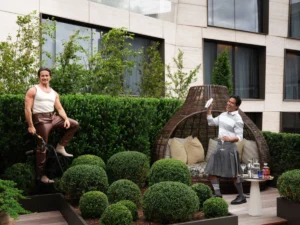
By providing a platform for the discussion of business scaling, remote team management, and the tactical use of technology, the summit positioned itself as a critical touchpoint for firms looking to professionalize their operations. The integration of rooftop cocktails at the André Putman Studio townhouse served as the final chapter of the day, reinforcing the importance of social capital in an industry that relies heavily on personal reputation and professional trust.

Looking Ahead: The Future of Professional Dialogues
As the industry moves into the final quarter of 2026, the ripple effects of these conversations are expected to manifest in how design firms structure their business plans. The focus on transparency, fostered by the AD editorial team, suggests a move toward more equitable and collaborative relationships between designers, the media, and their clients.
The AD PRO Design Dialogues have set a high bar for future industry events. By prioritizing the "how-to" of the design business—moving past the surface-level appreciation of projects to the hard-won lessons of the people who build them—the summit proved that the future of design is as much about operational intelligence as it is about creative flair. As the design community continues to navigate the complexities of a volatile global economy, such forums will likely remain essential for those aiming to achieve longevity and influence in the field.
Chronology of the Day
- 09:00 AM: Opening remarks and commencement of the first panel on business scaling.
- 11:30 AM: Technical deep-dive into kitchen technologies and sustainable material sourcing.
- 01:00 PM: Networking lunch; cross-disciplinary roundtable discussions on technology and real estate.
- 03:00 PM: Afternoon breakout sessions, including the spotlight on remote team management.
- 04:30 PM: Keynote address featuring Kelly Wearstler and Amy Astley.
- 06:00 PM: Closing reception at the André Putman Studio townhouse.
The event’s organizers have noted that the dialogues held during this summit will inform the content of future AD PRO initiatives, ensuring that the insights shared at One World Trade Center continue to serve the wider community throughout the coming year. Whether through the adoption of new project-tracking software or the restructuring of creative departments, the attendees left with a clearer roadmap for the challenges—and opportunities—that define the modern design practice.